



Tortoiseshell Vanity Box
A tortoiseshell vanity box is a dressing table essential built to hold jewellery, trinkets, or scent bottles with natural warmth and polish.
Tortoiseshell Vanity Box
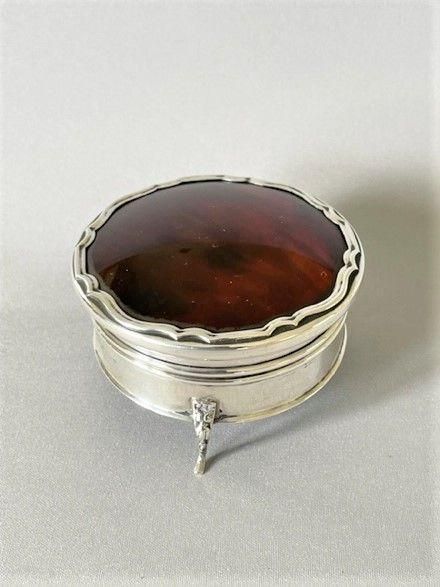
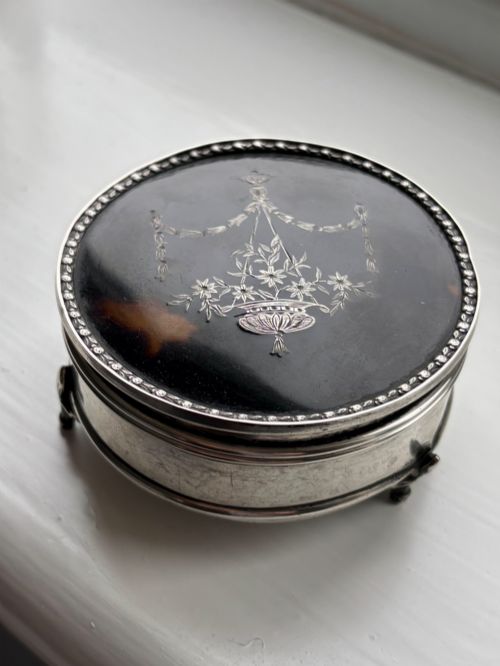
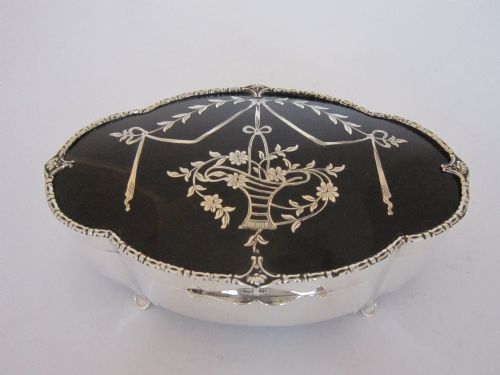
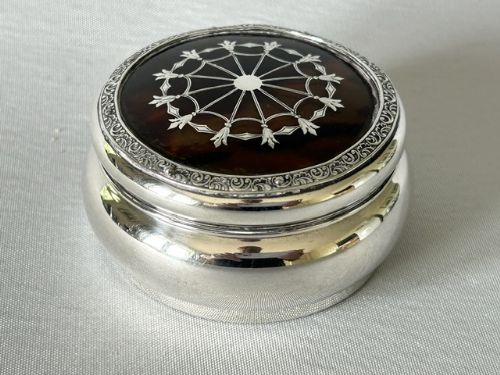
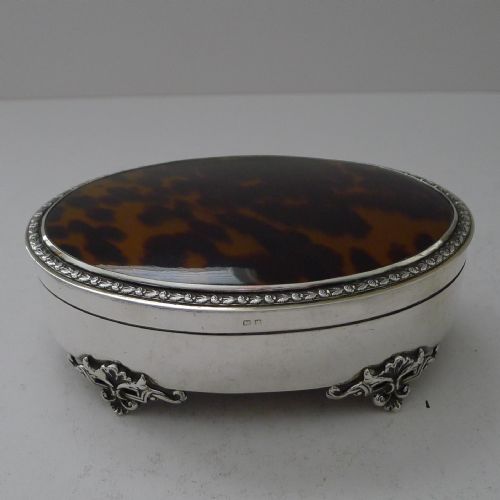
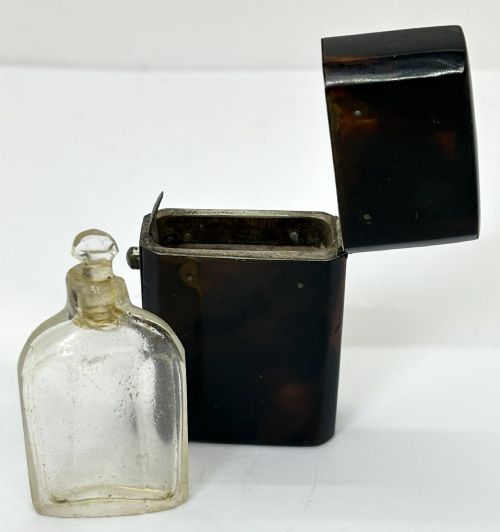
When you search for a tortoiseshell vanity box, you encounter table top dressing cases, trinket boxes, and fitted jewellery boxes spanning several centuries. The pieces on this page range from Georgian scent bottle holders and 1800s table top boxes to Edwardian pique work trinket boxes and George V silver lidded jars.
You are most likely to meet twentieth century examples from the Edwardian period and the 1920s, often combining genuine or faux tortoiseshell with sterling silver mounts and cut crystal glass. These items sat upon dressing tables to secure small valuables, cufflinks, studs, and cosmetics.
Earlier iterations from the eighteenth century and the Regency period appear less frequently but offer deeper historical resonance. Formats stretch from small stud boxes to large fitted jewellery cases containing internal compartments.
How they were made
Maker's workshops built these boxes using natural marine turtle shell or celluloid imitation materials, laying thin plates over wooden carcases or metal frames. Artisans applied sterling silver or silver gilt mounts, hinges, and lids to secure the edges and provide structural rigidity.
Pique work involved inlaying tiny gold or silver pins into the warm shell material to form delicate floral or geometric motifs. Cut crystal and glass bodies appeared in dressing jars, topped with matching silver and tortoiseshell lids.
Listings feature items from the eighteenth century, Regency, Victorian, Edwardian, and George V periods.
What varies in quality
Quality separates the pieces by the depth of figure in the natural shell, the weight of the sterling silver mounts, and the complexity of any pique work inlay. Strong contrast in the amber and dark brown patterning indicates superior material selection.
The precision of the box construction, the smooth action of silver hinges, and the inclusion of original fitted interiors distinguish finer maker output from standard commercial production.
Ollivant & Botsford·Asprey & Co.
The Tortoiseshell Vanity Box Glossary
- Pique work
- A decorative technique involving tiny gold or silver points inlaid into tortoiseshell. It creates intricate patterns across the lid or body of the box.
- Sterling silver gilt
- Silver that has been coated with a thin layer of gold. This treatment provides a rich interior or exterior contrast against the dark shell.
- Faux tortoiseshell
- Simulated shell material, including celluloid, used to mimic the appearance of genuine marine shell. It offers a similar visual warmth at a different production level.
- Scent bottle holder
- A specialised container designed to keep fragile glass fragrance bottles upright and safe during travel or on a dressing table.
Tortoiseshell Vanity Box: Frequently Asked Questions
What is a tortoiseshell vanity box used for?
These boxes served to hold small valuables, rings, cufflinks, and dressing accessories on nineteenth and twentieth century dressing tables. They kept delicate personal items organised and protected from dust.
Larger versions included fitted compartments or internal trays specifically arranged for travelling or daily toilette use.
How do I date an antique box?
Dating relies upon hallmarks stamped on the sterling silver mounts, the box style, and the manufacturing materials. Assay office marks and maker stamps provide precise years of production.
Structural details, such as Georgian hinge construction versus Edwardian machine stamping, further narrow the period of origin.
Are these boxes made of real shell?
The listings include both genuine marine tortoiseshell and early imitation materials like celluloid and faux tortoiseshell. Natural shell displays organic clouding and depth of colour.
Celluloid and synthetic alternatives provide uniform patterning and were introduced to replicate the luxury aesthetic during the late Victorian and Edwardian eras.
How should I clean my box?
Gentle dusting with a soft, dry cloth preserves the polished surface of both the shell and the silver mounts. Moisture should be kept away from the organic material and wooden interiors.
Silver polish must be used with extreme care near the shell edges to avoid staining or degrading the natural material.