

Antique Dress Box
An antique dress box stores personal valuables and grooming accessories with timeless craftsmanship.
Antique Dress Box
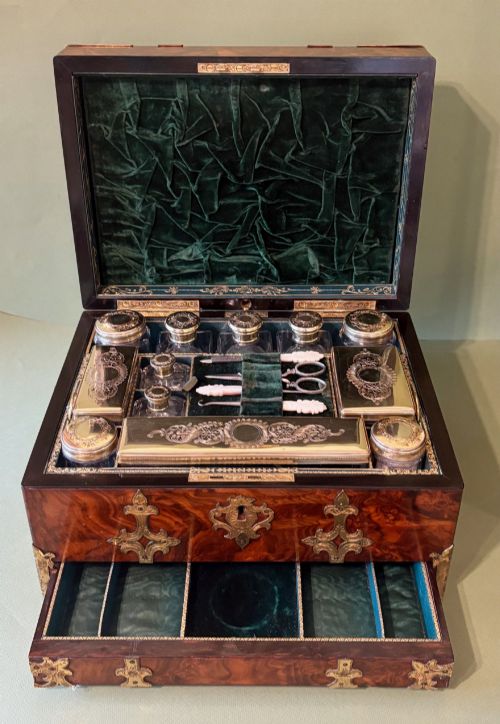
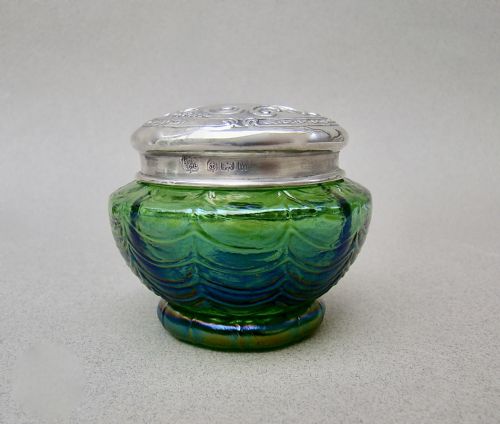
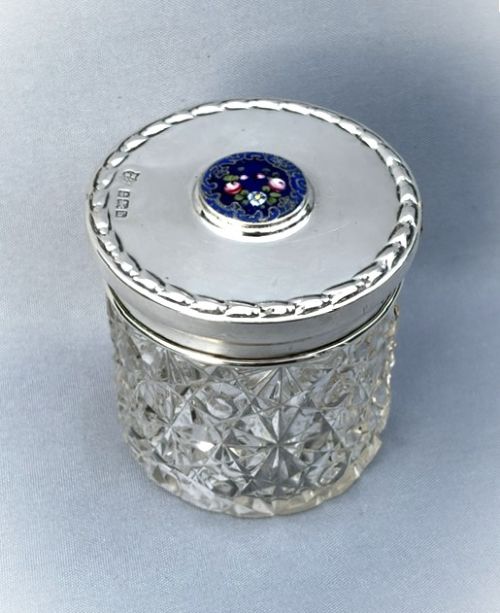
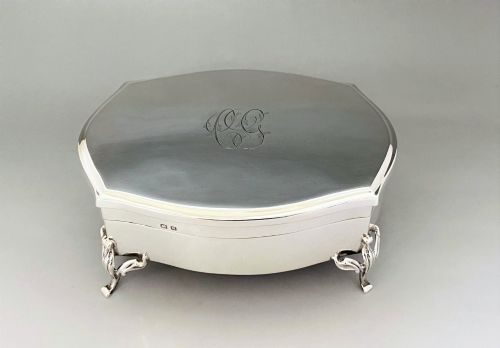
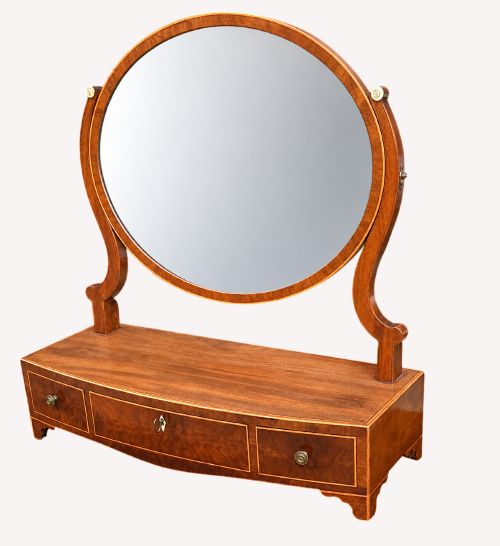
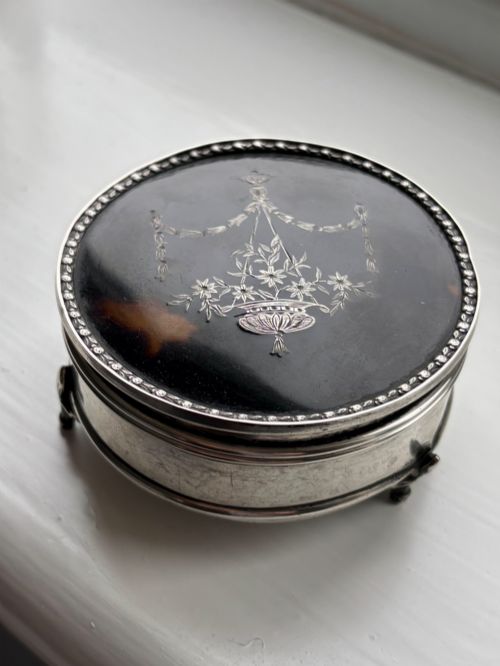
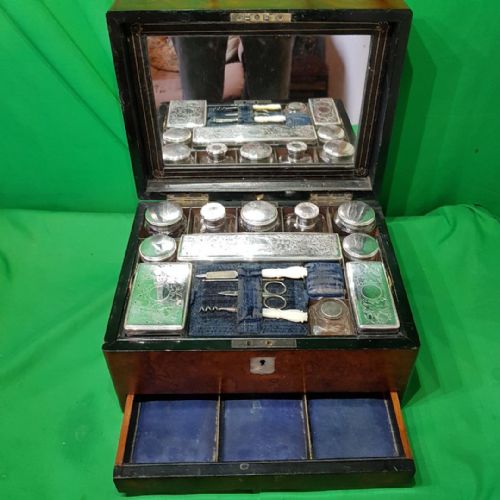
The selection includes wooden vanity boxes veneered in mahogany, rosewood, or walnut, alongside silver-mounted glass jars and table boxes stamped by silversmiths. Many feature velvet or leather interiors designed to hold jewellery, watches, and toilet accessories securely.
Materials and Construction
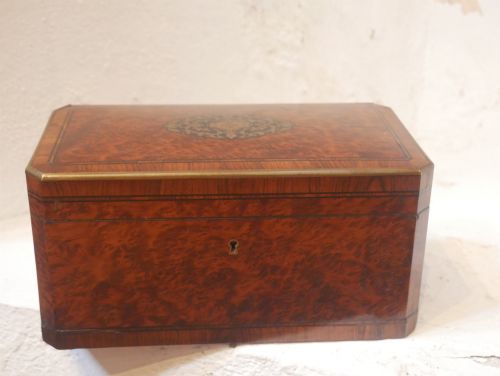
Cabinet makers utilised dense hardwoods such as mahogany, rosewood, and amboyna, often incorporating brass banding, Tunbridge ware, or delicate inlays of tulipwood and mother-of-pearl. Wooden carcases house fitted compartments lined with velvet, silk, or leather for personal storage.
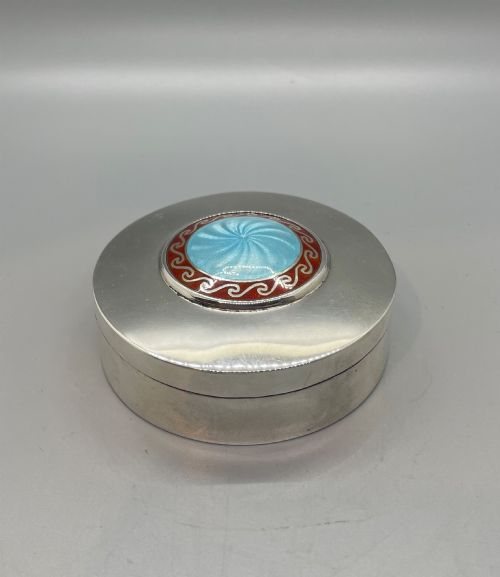
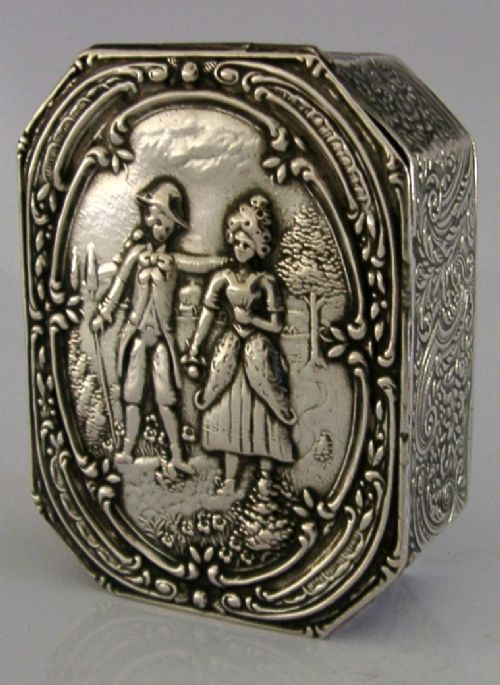
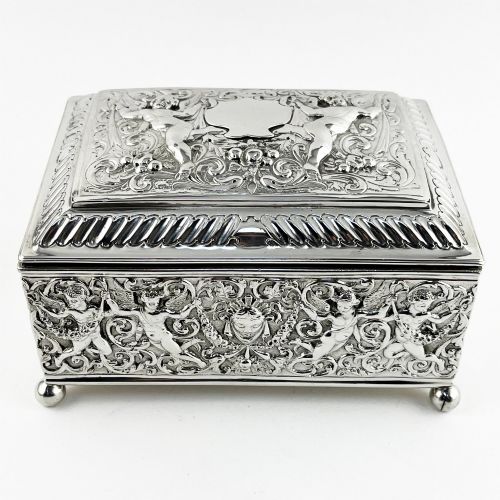
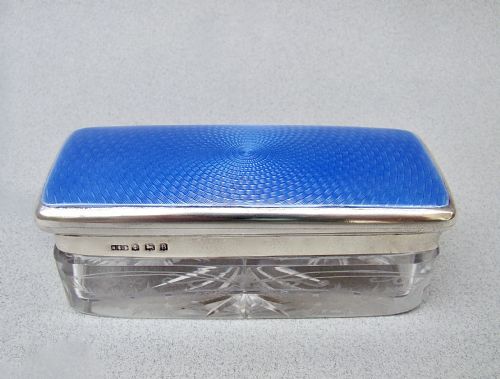
Silversmiths shaped sterling silver into repoussé lids, pierced bodies, and heavy table boxes, frequently combining the metal with cut glass, crystal, or guilloché enamel. Artisans employed casting, hammering, and glass-blowing techniques to create intricate vanity jars and trinket pots.
Some Victorian gentlemen required legal wig cases alongside their dress boxes to maintain powdered horsehair headpieces.
Evaluating Quality and Execution
The distinction between standard examples and superior work lies in the precision of the joinery and the selection of figured wood veneers like burr walnut or flame mahogany. High-quality pieces retain their original interior fittings, working locks with keys, and uncompromised silver hallmarks.
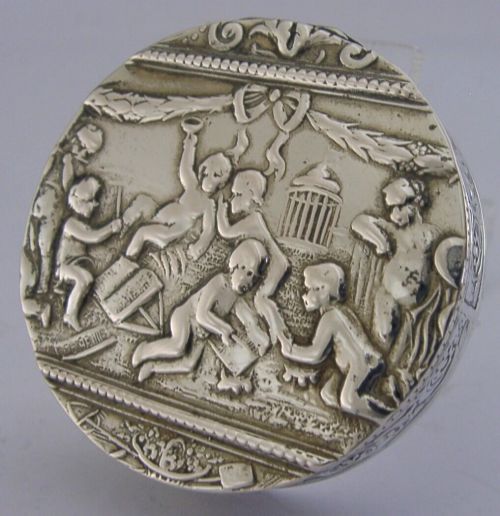
Master silversmiths and luxury retailers produced boxes with deeper relief work in repoussé decoration and heavier gauge silver, whereas simpler pieces relied on machine stamping. The crispness of chased cherub scenes, enamel work, and internal leather tooling separates ordinary containers from notable artisan output.
A. J. Pepper & Co·Tahan Paris·Dunhill London·Henry Clifford Davis·Ollivant & Botsford·Goldsmiths and Silversmiths Company·J C Vickery·A. Bromet & Co·Lincoln Bennett of London·Eade & Son
The Antique Dress Box Glossary
- Repoussé
- A metalworking technique where the artisan hammers the design from the reverse side to form raised ornamentation on the surface. This method appears frequently on Edwardian and Victorian silver boxes.
- Guilloché
- An ornamental pattern engraved mechanically into a metal surface with very precise intricate geometric waves. It is often covered with translucent enamel on dressing table jars.
- Tunbridge Ware
- Small wooden items decorated with microscopic mosaic tesserae to form pictorial or geometric designs. These geometric wood mosaics cover specialty Victorian boxes.
- Sterling Silver
- An alloy consisting of ninety-two point five percent silver and seven point five percent other metals, typically copper, used for durability. British pieces carry standard assay office hallmarks.
Antique Dress Box: Frequently Asked Questions
What fits inside an antique dress box?
These containers accommodated small personal valuables, rings, cufflinks, and grooming implements used during the Victorian and Edwardian eras. Many examples contained specific slots for pocket watches, glass jars, and vanity items.
Larger variations included fully fitted interiors with removable trays, velvet pads, and secret compartments for confidential documents or currency.
Were these boxes used for travel or display?
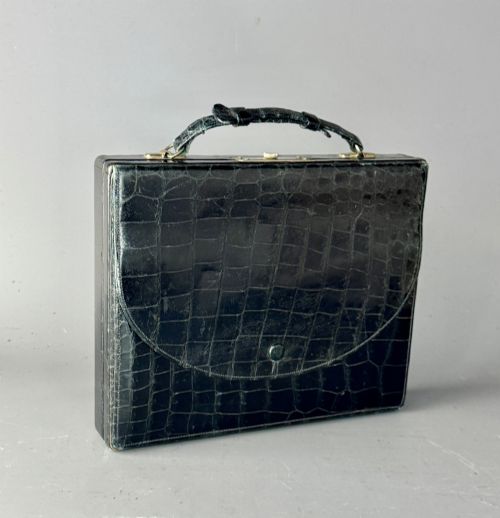
Owners utilised both portable versions featuring sturdy leather handles and heavy stationary boxes intended for dressing tables. Travelling cases typically included secure locks and durable exterior leather.
Table boxes made from solid silver or exotic woods remained stationary in boudoirs to hold daily jewellery and cosmetic jars.
How should I care for velvet and leather interiors?
Original fabric linings require gentle dry dusting with a soft brush to prevent fibre degradation over time. Moisture damages historical adhesives beneath velvet and leather, so liquids must stay away from the interior.
Keeping boxes away from direct sunlight preserves the colour of rosewood, mahogany, and delicate silk components.