




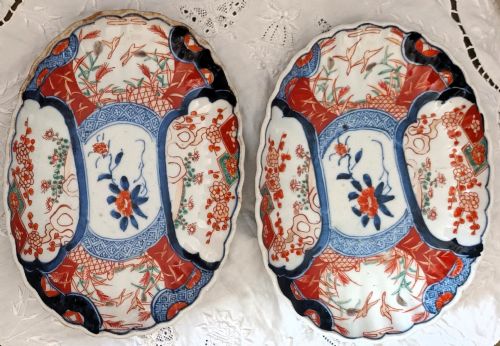
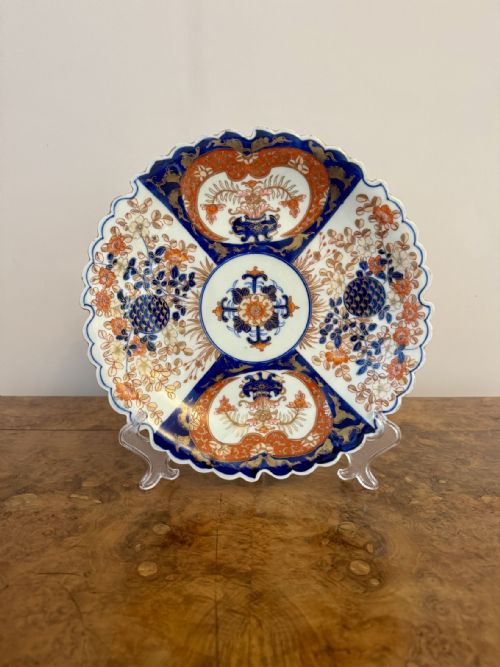


Vintage Japanese Porcelain Dish
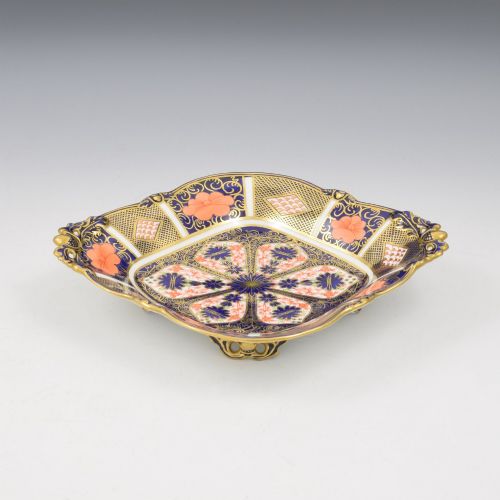
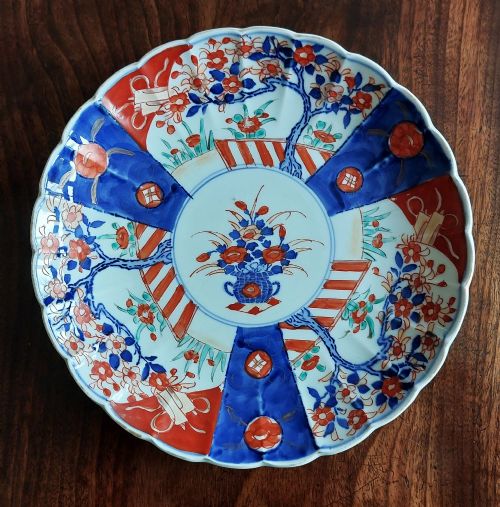
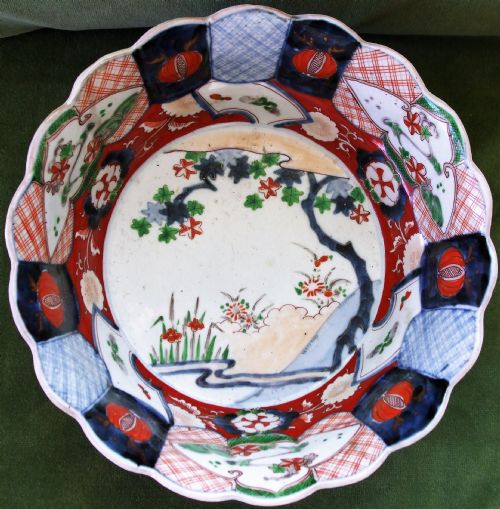
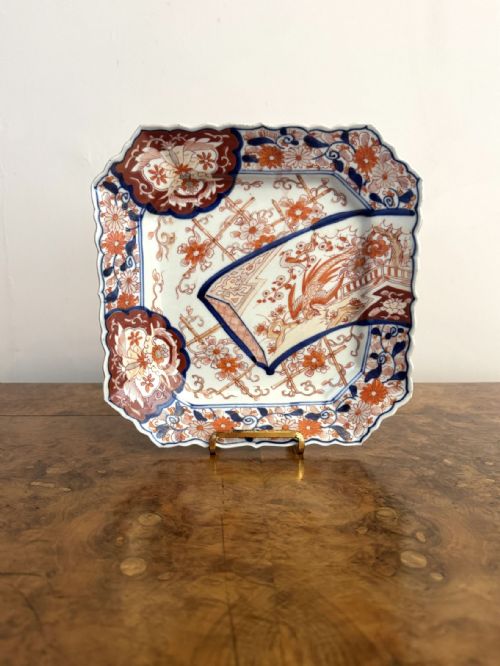
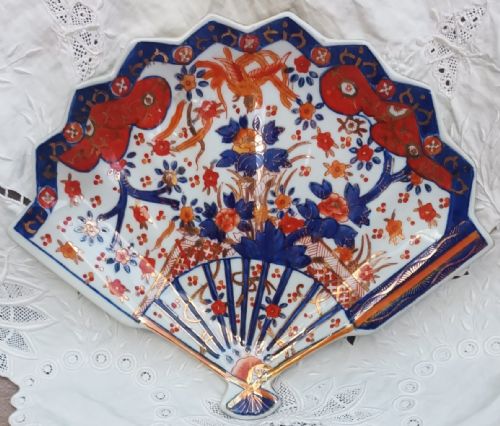
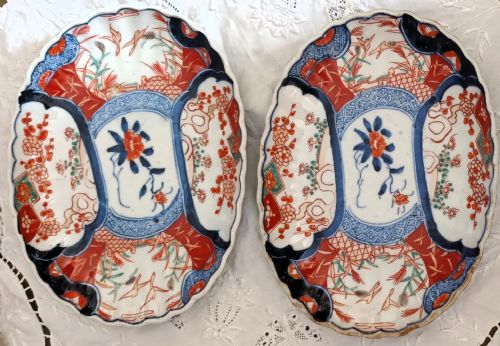
A vintage japanese porcelain dish brings pattern and history to a table, combining hand painted cobalt underglaze with iron red and gilt highlights.
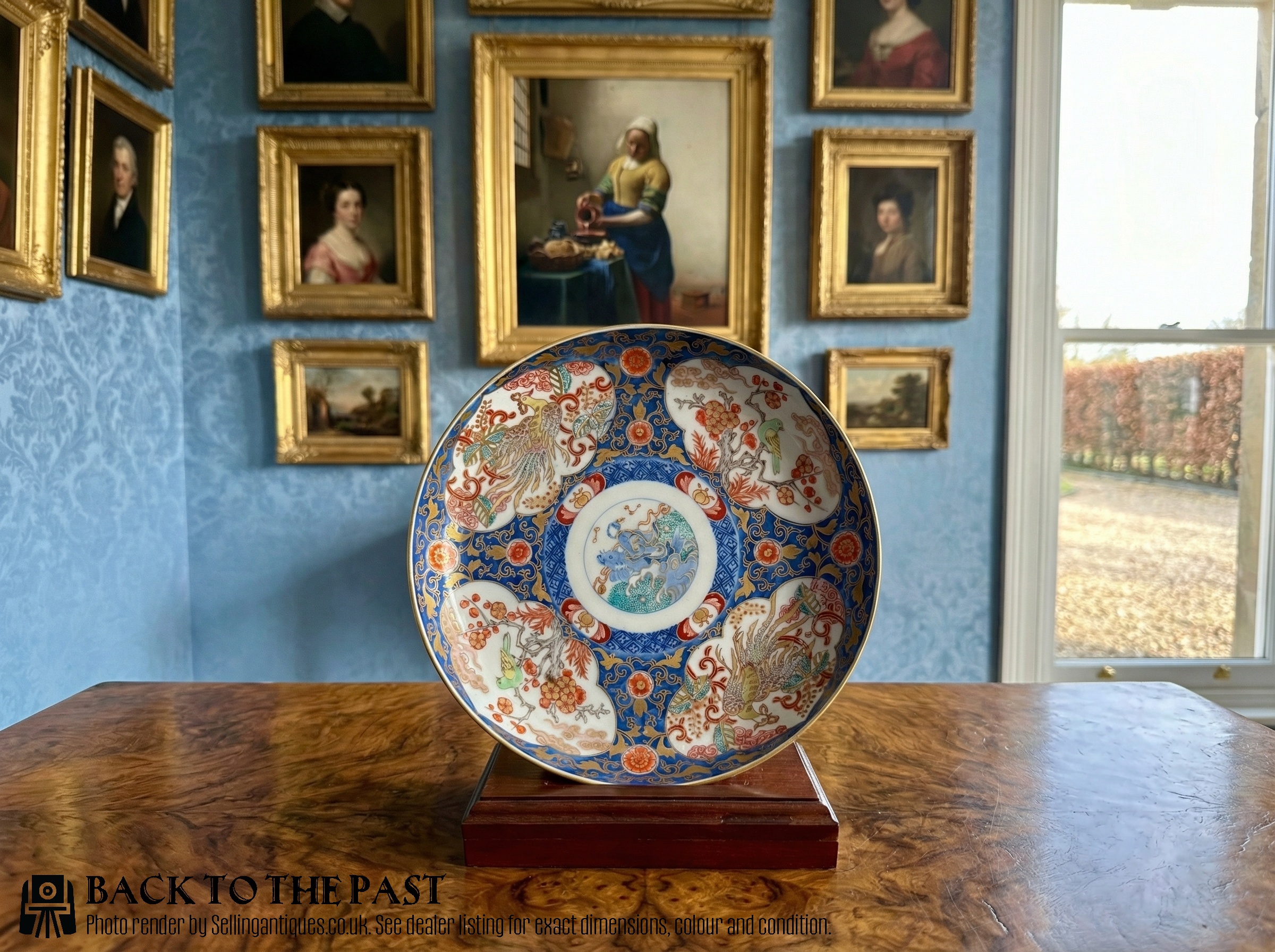
Vintage Japanese Porcelain Dish
A vintage japanese porcelain dish encompasses plates, bowls, platters and chargers created during the Meiji period, Edo period and subsequent early twentieth century decades.
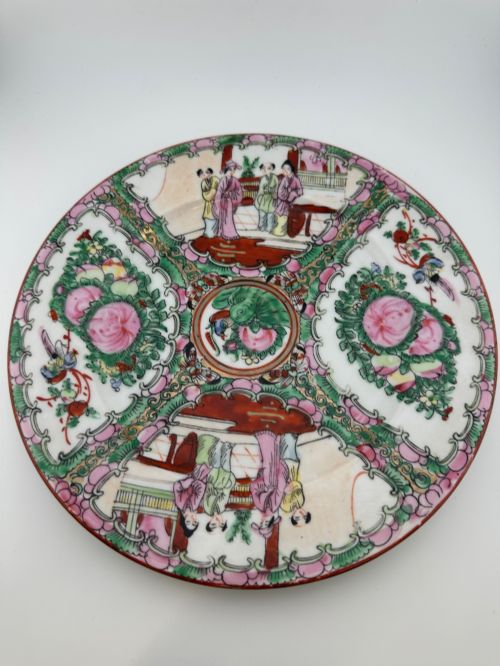
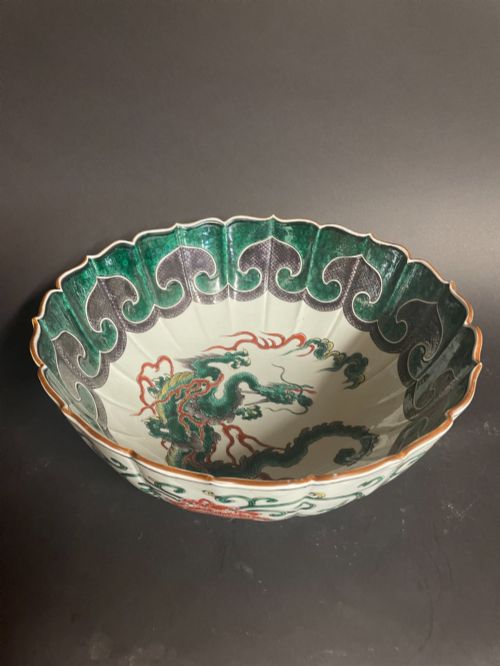
Most examples found in these listings take the form of Japanese Imari plates and chargers featuring scalloped edges or square shapes, alongside Arita and Kutani wares.
The assortment spans utilitarian serving vessels to large decorative chargers depicting traditional motifs like the Seven Lucky Gods or cranes.
How they were made
Potters shaped fine ceramic paste into plates, bowls and chargers before applying cobalt underglaze details and firing the piece in a kiln.
Enamel colours and gold leaf or gilt highlights were often added over the initial glaze in subsequent firings to build up complex pictorial surfaces.
Several plates depict the Seven Lucky Gods sharing space on a single charger, proving that even deities enjoy a crowd.
What varies in quality
The distinction between standard vessels and exceptional items rests on the precision of the hand painted brushwork and the complexity of the palette.
Pieces showing crisp cobalt underglaze contrasted with rich gilding and careful enamel application command greater appreciation among collectors.
Koshida
The Vintage Japanese Porcelain Dish Glossary
- Imari
- A style of Japanese porcelain featuring a distinctive palette of cobalt blue, iron red, and gold, named after the port of export.
- Meiji Period
- The era of Japanese history spanning from eighteen sixty-eight to nineteen twelve, known for prolific porcelain production directed at export markets.
- Edo Period
- The period lasting from sixteen hundred and three to eighteen sixty-eight, representing earlier traditions of Japanese ceramic artistry.
- Arita
- The Japanese town and surrounding region in Hizen province where porcelain manufacturing originated.
- Charger
- A large decorative plate intended for display on a wall or sideboard rather than daily dining use.
Vintage Japanese Porcelain Dish: Frequently Asked Questions
How do I identify an Edo period dish?
Edo period pieces display earlier stylistic traits and form characteristics associated with production before eighteen sixty-eight. These items often include Arita porcelain creations.
Examination of the foot ring and glaze characteristics helps distinguish these older examples from later Meiji and twentieth century output.
What is the difference between Imari and Kutani wares?
Imari porcelain relies on a characteristic red, blue and gold colour scheme applied to plates and chargers. The patterns often incorporate dense floral and geometric layouts.
Kutani ware typically utilises a broader pictorial palette with emphasis on figurative scenes, peonies, and extensive gold leaf application.
Can these antique dishes be used for food?
Many of these plates and bowls were manufactured for decorative display or formal service during the nineteenth and early twentieth centuries. Using them requires gentle hand washing to protect the overglaze enamels and gilding.
Harsh detergents and modern dishwashers will damage the delicate historic surfaces over time.
How should a large charger be displayed?
Large chargers and wall plates work well on sturdy plate stands placed on sideboards or cabinets. Wall mounting requires specialist fixings designed to support the weight of heavy porcelain securely.
Direct sunlight should be avoided to prevent fading of the red enamels and gilt details.