









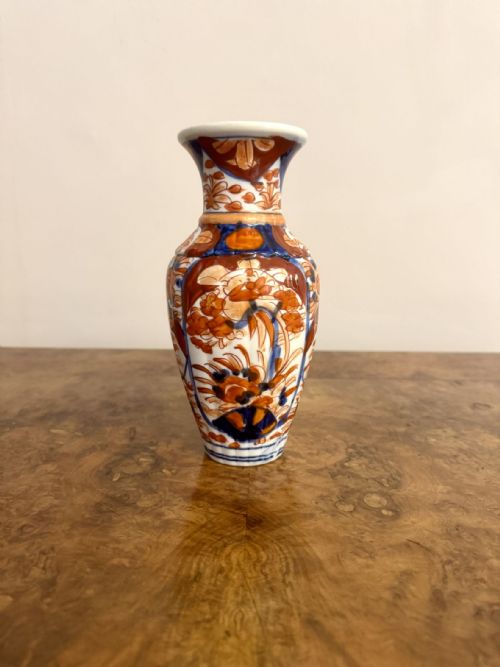


Vintage Japanese Ceramic Urn
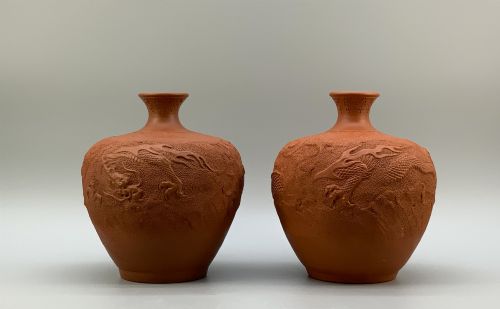
These vintage japanese ceramic urn pieces bring decorative presence to a room, spanning periods from the late seventeenth century through the early twentieth century.
Vintage Japanese Ceramic Urn
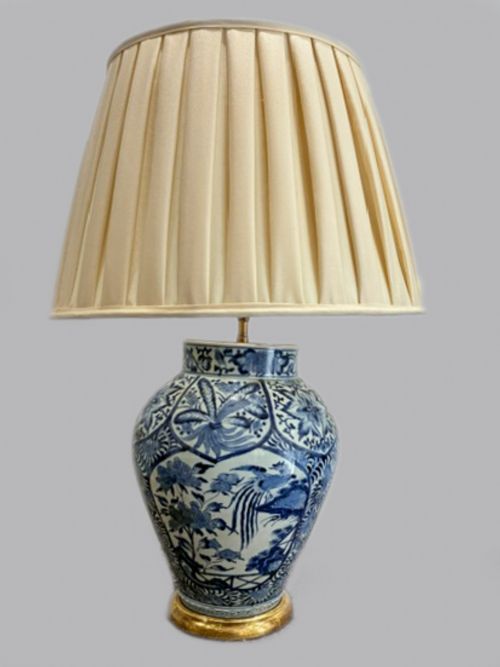
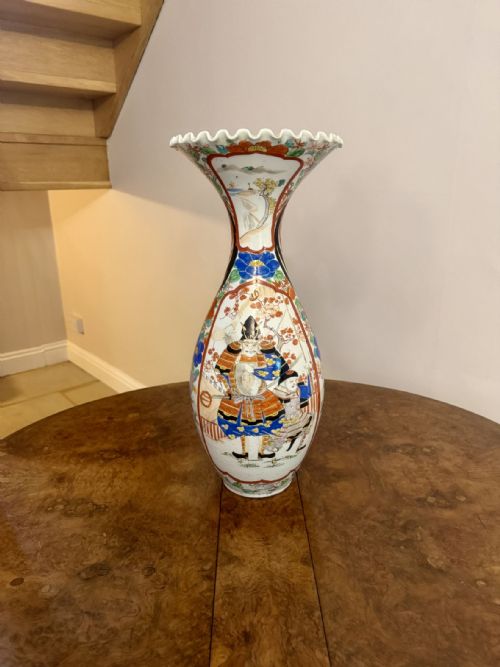
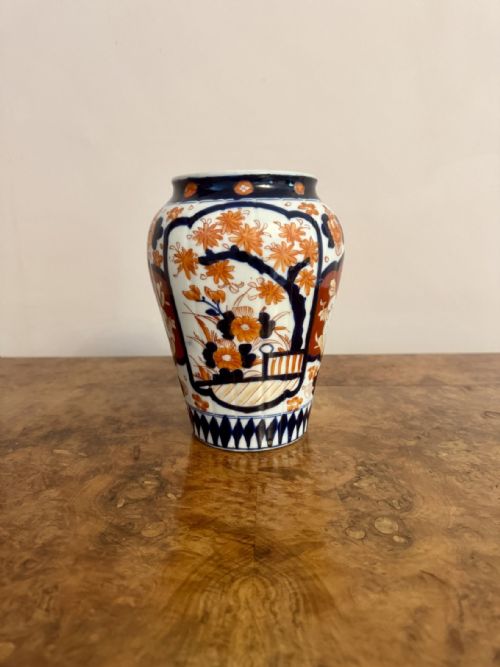
A vintage japanese ceramic urn search reveals vessels identified across listings as vases, ginger jars, and lamps originating from diverse periods like the Meiji and Edo eras.
Buyers frequently encounter nineteenth-century Imari and Satsuma examples alongside later pieces from the early nineteen-hundreds, often appearing in pairs or larger garnitures.
These forms reflect traditional Japanese ceramic production translated into decorative objects suited for domestic display.
What varies in quality
Distinctions in quality rest on the precision of the hand-painted brushwork, the richness of the enamel and gilt application, and the overall scale of the vessel.
Pieces bearing signatures from notable workshops or featuring complex figural and landscape scenes command attention through their artistic execution.
Vintage Japanese Ceramic Urn Retail Price Guide 2026
Typical asking prices for vintage japanese ceramic urn among the pieces listed under this phrase on Sellingantiques today, from the lower quarter to the upper quarter. They describe what is for sale here now, not the wider market.
Listings feature porcelain and earthenware materials spanning the seventeenth, nineteenth, and early twentieth centuries.
Chosei·Hakusan·Kinkozan·Hattori
The Vintage Japanese Ceramic Urn Glossary
- Imari
- A style of Japanese porcelain featuring a distinct palette of underglaze blue and iron red, often augmented with gold. These wares were widely exported to Europe.
- Satsuma
- Earthenware pottery originating from the Satsuma province, characterised by a crackled ivory glaze and elaborate polychrome enamel designs.
- Meiji Period
- The period of Japanese history spanning from eighteen sixty-eight to nineteen twelve, noted for opening trade and prolific decorative arts production.
- Kutani
- Japanese ceramic ware known for bold colours and intricate pictorial designs, frequently produced in the Ishikawa prefecture.
- Garniture
- A set of three or more matching ceramic vases or jars designed to be displayed together on a mantelpiece or cabinet.
Vintage Japanese Ceramic Urn: Frequently Asked Questions
What is a ginger jar?
A ginger jar is a covered ceramic vessel originally used to store and transport spices in ancient times.
Today, these jars function as decorative interior objects and often feature matching lids and intricate painted motifs.
How do I identify Satsuma ware?
Satsuma ware typically presents an ivory-coloured earthenware body covered in a fine network of crackled glaze.
These surfaces are frequently decorated with detailed figural scenes, landscapes, and raised gold leaf work.
Were these vases converted to lamps later?
Some antique ceramic vessels were adapted into table lamps during the twentieth century to suit changing domestic lighting needs.
This conversion often involves mounting the original body onto a brass base with integrated electrical fittings.
What defines Meiji period ceramics?
Meiji period ceramics encompass works produced during the reign of Emperor Meiji, a time of significant artistic export and technical refinement.
Pieces from this era often display complex painted processions, floral themes, and distinct maker signatures.