

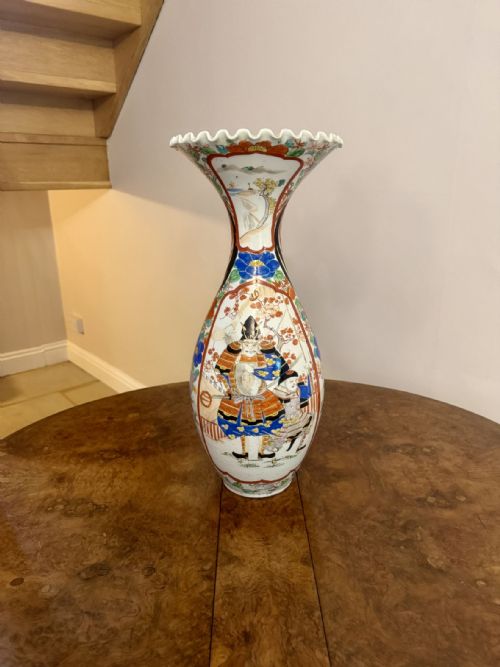


Gilt Imari Ceramic Vase
A gilt imari ceramic vase brings striking palette depth and metallic contrast to a room, drawing the eye instantly.
Gilt Imari Ceramic Vase
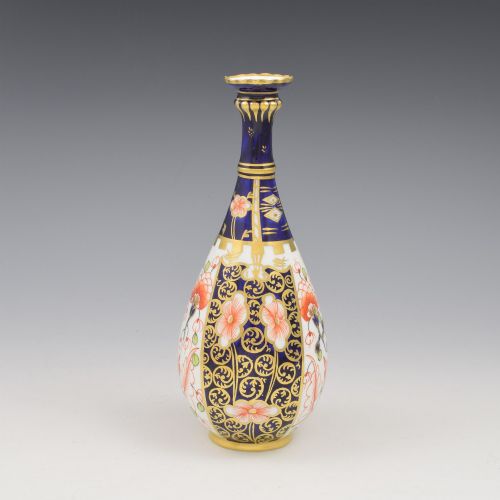
A gilt imari ceramic vase represents a distinct intersection of traditional Japanese porcelain work and European decorative tastes spanning multiple centuries. When you search for a gilt imari ceramic vase, you encounter pieces that range from domestic ironstone adaptations to imported oriental porcelain.
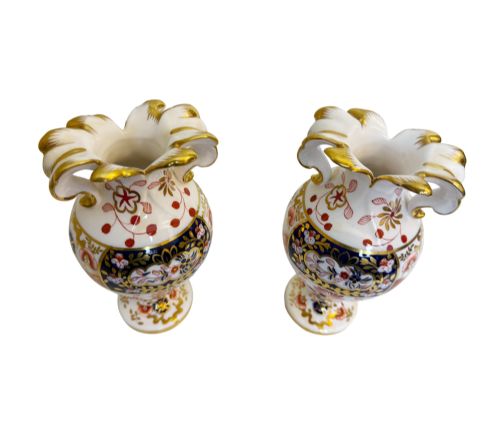
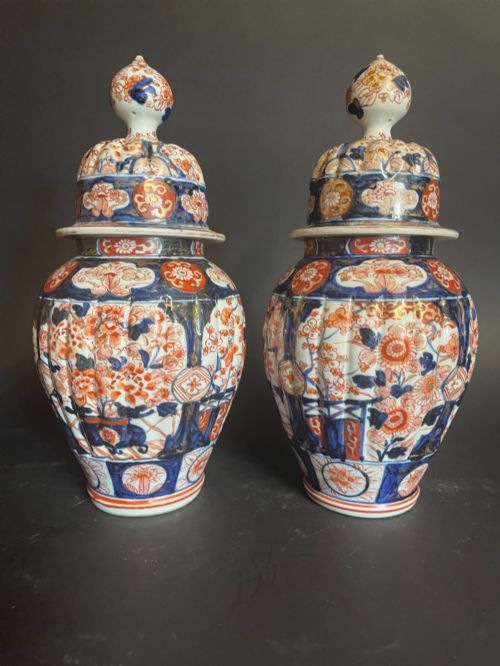
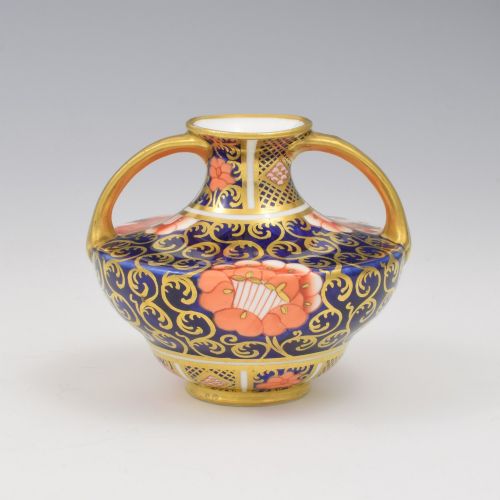
The selections available here showcase diverse forms, including lidded jars, spill vases, and converted table lamps. Japanese examples often originate from the Edo and Meiji periods, whilst British interpretations arrive via factories like Spode, Royal Crown Derby, and Mason's.
Vessels appear individually, in pairs, or as part of larger garniture sets intended for mantelpieces and side tables. The overarching visual language relies on iron red, underglaze blue, and applied gold leaf highlights.
How they were made
Potters shaped these vessels using ceramic pastes, porcelain bodies, or heavy ironstone before firing them in kilns. Artisans then applied underglaze blue and iron red pigments by hand directly onto the clay body or glaze.
Guilds and factories added gold leaf or enamel details over the initial glaze layer during a secondary, lower-temperature firing. This technique secured the metallic gilt highlights across fluted bodies, twin handles, and lidded jars.
Gilt Imari Ceramic Vase Retail Price Guide 2026
Typical asking prices for gilt imari ceramic vase among the pieces listed under this phrase on Sellingantiques today, from the lower quarter to the upper quarter. They describe what is for sale here now, not the wider market.
Listings feature porcelain, ironstone, and enamel materials across nineteenth-century and Edwardian periods.
What varies in quality
The crispness of the underglaze blue painting and the precision of the iron red motifs distinguish finer vessels from standard production pieces. Brushwork execution on large Arita or Fukagawa porcelains reveals the hand of trained artisans.
The preservation of the applied gold leaf and enamel details dictates the overall visual impact of an antique vase. Heavier forms like ironstone or robust porcelain bodies also demonstrate differing levels of potting skill.
Spode·Royal Crown Derby·Mason's·Arita Imari·Fukagawa
The Gilt Imari Ceramic Vase Glossary
- Imari
- A style of Japanese porcelain originating from the port of Arita, traditionally decorated in underglaze blue, iron red, and gilt. This aesthetic heavily influenced European ceramic makers during the eighteenth and nineteenth centuries.
- Garniture
- A set of matching vases or jars, typically numbering three, four, or five pieces, designed to be displayed together on a mantelpiece. These matched groupings became popular in grand interiors.
- Ironstone
- A patented ceramic body developed in Britain to imitate Chinese porcelain whilst offering greater durability. Makers frequently employed this heavy material for large decorative vessels and potpourri jars.
- Meiji Period
- An era in Japanese history spanning from eighteen sixty-eight to nineteen twelve, noted for the export of high-quality decorative arts to Western markets. Pieces from this time often feature meticulous hand-painted details.
- Potpourri
- A ceramic vessel featuring a pierced or perforated cover designed to hold dried scented plant material. These jars allowed fragrance to diffuse while serving as decorative mantel ornaments.
Gilt Imari Ceramic Vase: Frequently Asked Questions
How do I identify a Japanese Imari piece from a British copy?
Japanese examples usually feature finer porcelain bodies and characteristic underglaze blue tones combined with iron red and gold leaf. The potting style and foot rim characteristics often point directly to Arita production.
British makers such as Spode and Mason's utilised heavier ironstone or distinct earthenware bodies for their versions. Factory marks on the base frequently clarify the Western origin of the piece.
Were these vases originally made as table lamps?
Many antique vases were converted into lamps during later periods to suit changing interior domestic lighting requirements. Original porcelain vessels often featured empty interiors meant for display or holding dried contents.
Fittings were added later without altering the primary ceramic body. Buyers find both unconverted lidded jars and lamp conversions on the market.
What is a garniture set?
A garniture set consists of multiple matching vases and lidded jars designed to be arranged symmetrically on a mantelpiece or sideboard. These decorative groupings were popular in fine homes during the eighteenth and nineteenth centuries.
Sets might include four or five pieces sharing identical Imari patterns and gilt detailing. Finding a complete surviving set remains uncommon.
How should I clean an antique gilt vase?
Dust ceramic surfaces gently with a soft, dry brush to prevent accumulating dirt in crevices and fluted bodies. Avoid using liquid cleaners, abrasive cloths, or chemical solvents that could damage the overglaze gold leaf.
Handle lidded jars carefully by supporting both the body and the cover simultaneously. Keeping pieces away from direct sunlight protects the iron red and gilt pigments over time.