






Vintage Japanese Ceramic Dish
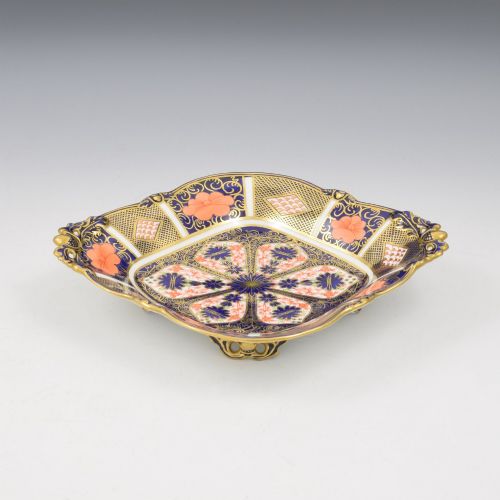
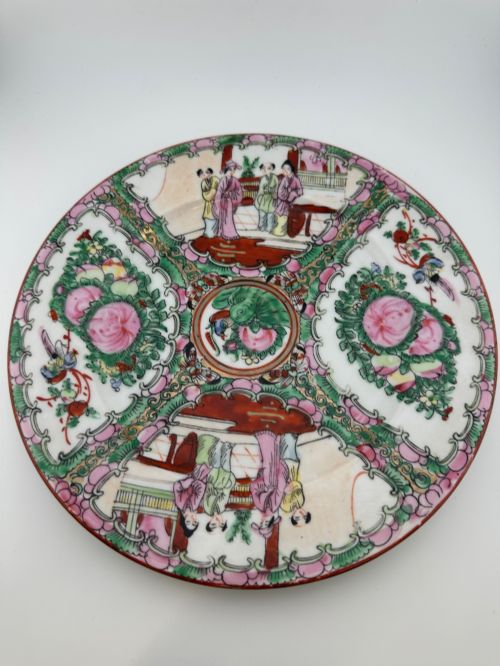
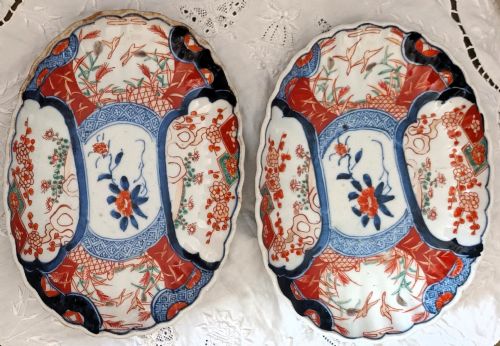
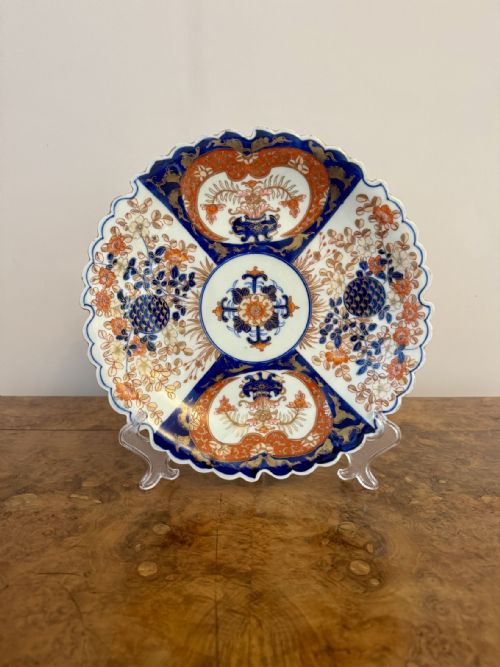
These vintage japanese ceramic dish examples bring hand-painted narrative scenes and cobalt underglaze decoration directly to the table.
Vintage Japanese Ceramic Dish
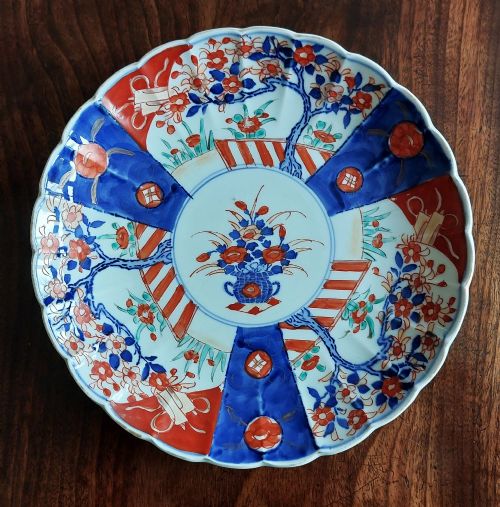
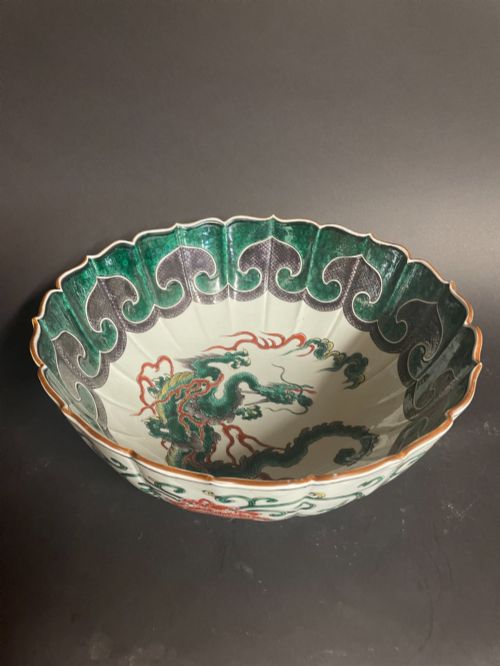
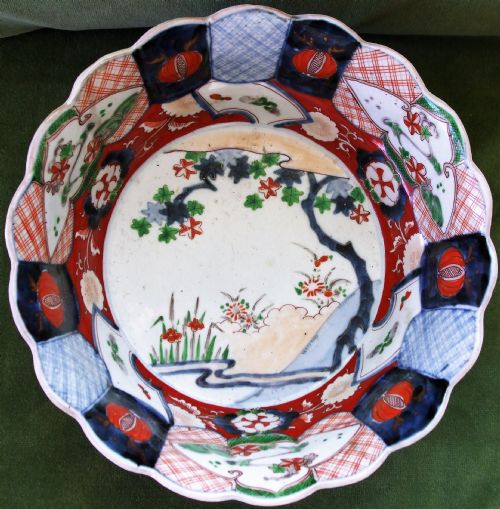
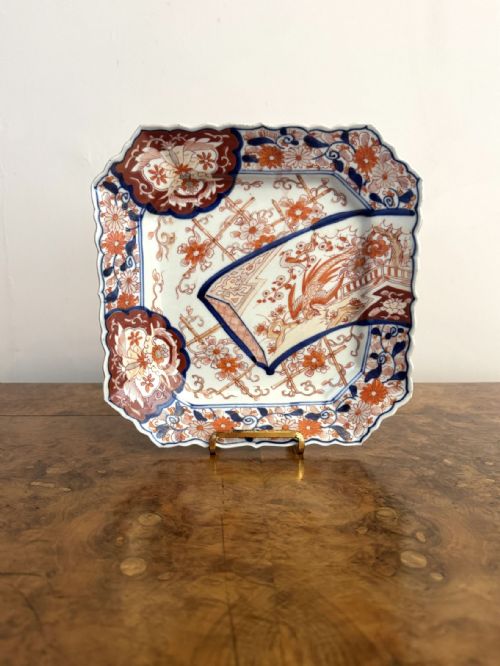
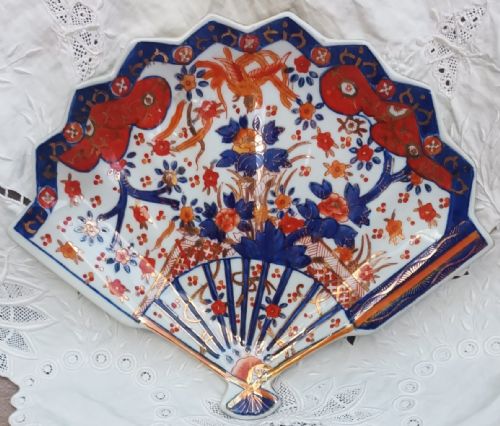
A vintage japanese ceramic dish bridges utilitarian forms and decorative display pieces, appearing frequently as chargers, scalloped bowls, square plates, and platters. You will most commonly encounter Imari palette plates and chargers originating from the Meiji period and the nineteenth century. These forms vary from deep bowls to wide chargers depicting traditional subjects like the Seven Lucky Gods or cranes.
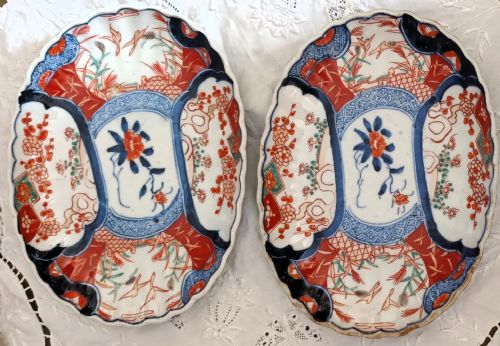
The selection ranges across several centuries, encompassing Edo period productions alongside later nineteenth and early twentieth-century wares. While many items arrive as individual plates or bowls, pairs and larger collections also appear in the current selection. Each piece reflects the traditional craftsmanship of Japanese kilns adapted for both domestic use and export.
Materials and construction
Potters shaped these objects from fine porcelain and ceramic bodies before applying cobalt underglaze pigments and rich enamel colours. Artisans frequently integrated gilt and gold leaf highlights to accentuate the intricate hand-painted patterns across the surface.
Kiln workers utilised traditional firing techniques to achieve the durable glaze finishes seen on Arita, Kutani, and Satsuma wares. Scalloped edges and square plates required careful manual trimming and moulding prior to the glazing process.
Object forms span decorative bowls, chargers, scalloped plates, and square platters decorated with cobalt underglaze and gold leaf.
Distinctions in grade
The standard of a piece rests upon the precision of the hand-painted brushwork and the vibrancy of the enamel and cobalt pigments. Superior examples display crisp definition in complex motifs such as figures, peonies, and traditional borders.
Structural refinement also defines the upper tier, visible in evenly potted scallop edges, balanced square forms, and the careful application of gilding. The depth of the glaze and the clarity of the porcelain body separate standard export wares from exceptional studio pieces.
Koshida·Shoza
The Vintage Japanese Ceramic Dish Glossary
- Imari
- A traditional style of Japanese porcelain decorated in cobalt blue, iron red, and gold. This palette originated in the town of Arita and became immensely popular for export.
- Meiji Period
- The era in Japanese history lasting from 1868 to 1912, characterised by the opening of trade with the West and prolific ceramic production. Pieces from this time often exhibit detailed hand-painted scenes.
- Edo Period
- The period spanning from 1603 to 1867, preceding the Meiji era and noted for foundational ceramic traditions like Arita ware. Items surviving from this time represent earlier stylistic phases.
- Charger
- A large decorative plate or platter intended primarily for display rather than for serving food at the table. These substantial pieces often feature elaborate pictorial designs.
- Cobalt Underglaze
- A blue pigment applied to the ceramic body before the application of a clear glaze and subsequent firing. This technique protects the painted design from wear.
Vintage Japanese Ceramic Dish: Frequently Asked Questions
How were these dishes used originally?
Many of these items served practical dining functions in households, holding food or presenting courses during meals. Larger chargers and platters were frequently reserved for ornamental display on walls or sideboards.
Export wares also fulfilled a decorative role in Western interiors, where homeowners showcased them to signal an appreciation for Asian art and craftsmanship.
How do I distinguish Edo period pieces from Meiji period pieces?
Distinguishing between these periods involves examining the style of the brushwork, the composition of the porcelain body, and the specific palette used in the decoration. Edo period items often display a simpler, more robust aesthetic associated with earlier Arita production.
Meiji period pieces typically exhibit denser ornamentation, reflecting the industrial and artistic shifts of the late nineteenth century. Comparing the quality of the cobalt underglaze and enamel application helps clarify the chronology.
What is the difference between a plate and a charger?
A charger is substantially larger than a standard dining plate, usually measuring well over thirty centimetres in diameter. Because of their grand scale, chargers functioned principally as decorative centerpieces.
Plates were built for daily utility or specific dining courses, resulting in smaller dimensions and shallower profiles suited to handling.
How should I care for a ceramic dish at home?
These pieces require gentle handling and should be washed by hand using mild soap and warm water rather than placed in an automatic dishwasher. Harsh detergents can damage the delicate enamel and gold leaf highlights over time.
When displaying them on walls or surfaces, ensure secure fixings or padded stands to prevent accidental slips or edge chipping.