

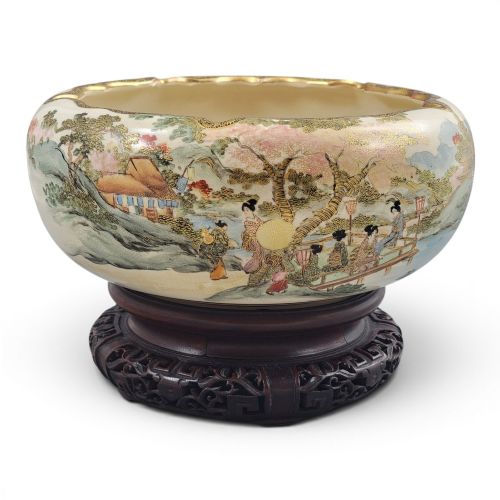


Vintage Japanese Ceramic Bowl
A vintage japanese ceramic bowl brings centuries of kiln craft and distinct hand-painted pigment to a room.
Vintage Japanese Ceramic Bowl
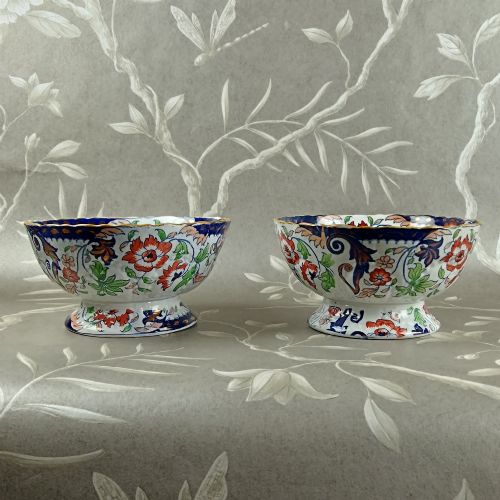
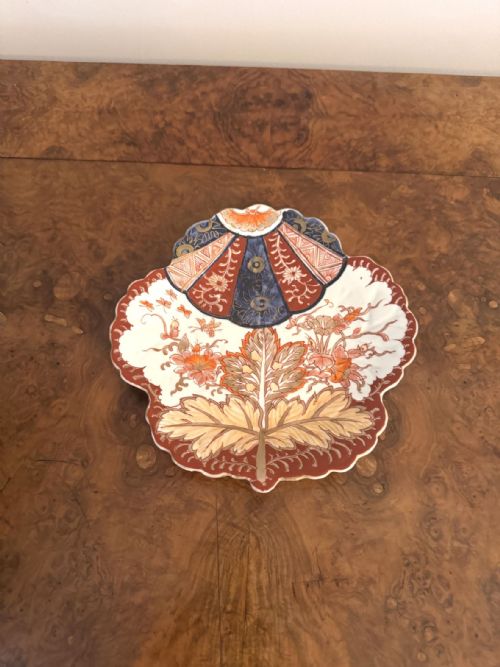
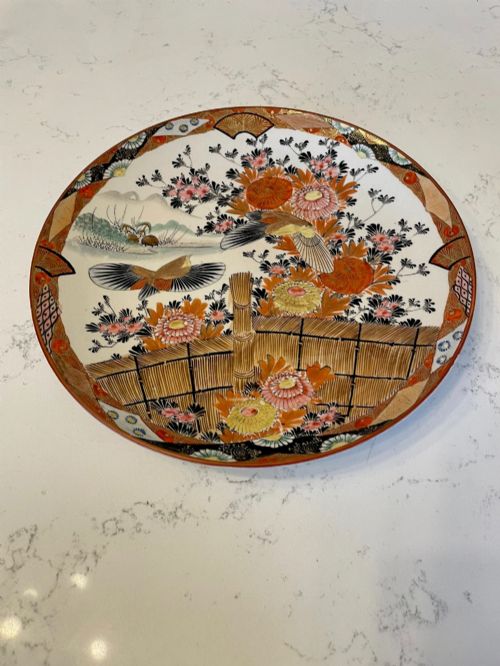
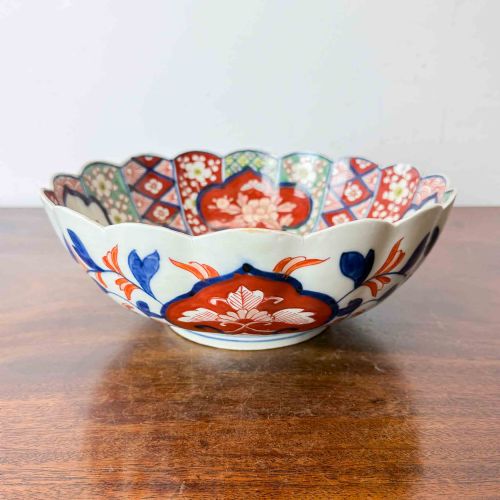
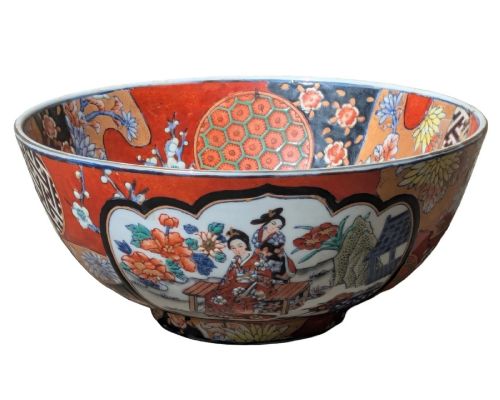
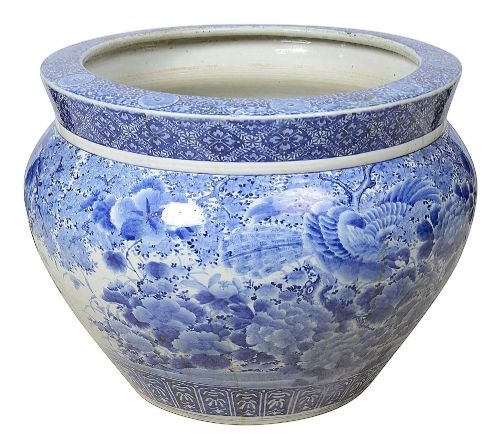
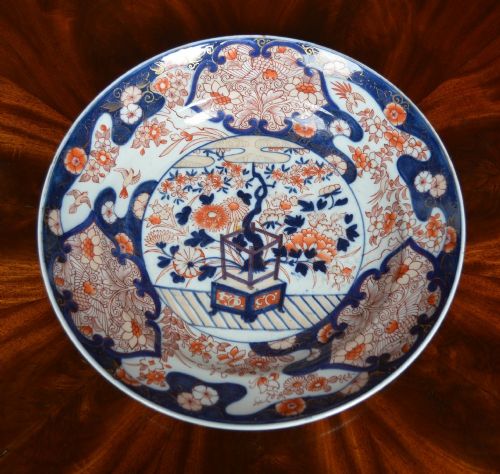
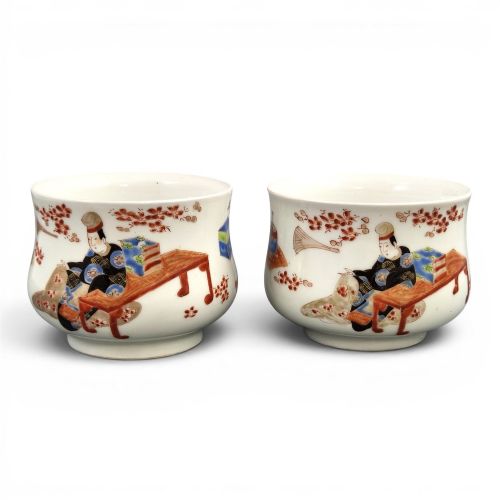
A vintage japanese ceramic bowl spans centuries of production, appearing in forms from deep decorative vessels to small tea cups and large jardinières. The selection encountered most frequently on this page centres on Imari porcelain pieces originating from the nineteenth century and the Meiji period.
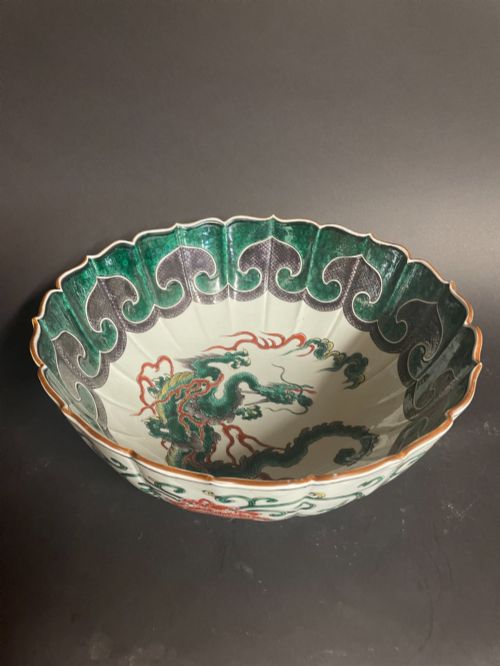
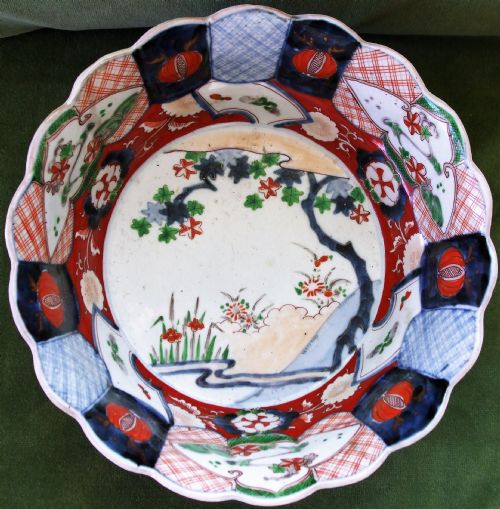
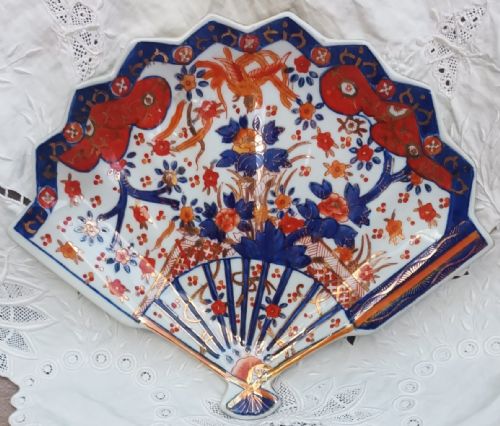
The assortment includes regional outputs such as Arita ware and Satsuma pottery, alongside blue and white porcelain and multi-coloured enamel designs. These objects function as decorative plates, dishes, and scalloped bowls shaped with geometric or organic edges.
How they were made
Potters shaped porcelain and earthenware bodies on the wheel or by hand before applying cobalt underglaze, enamel pigments, and surface gilding. Many vessels received rich coats of glaze followed by firing in traditional kilns to fuse the metallic leaf and intricate surface patterns.
Makers utilised techniques particular to kilns in Arita, Kyoto, and surrounding pottery centres, combining hand-painting with moulded forms like fluted rims, tripod feet, and boat-shaped profiles.
Certain Imari plates record maritime history directly, bearing the nickname Black Ship plates after the foreign vessels that arrived in Japanese waters.
What varies in quality
The standard of a vintage japanese ceramic bowl depends upon the precision of the hand-painted brushwork and the clarity of the cobalt underglaze against the porcelain body. Pieces decorated with refined gold leaf and intricate enamel detailing demonstrate higher mastery than simpler commercial wares.
Complexity of form also distinguishes output, where scalloped edges, hexagonal shapes, and large monumental bodies require greater technical skill from the potter than standard round vessels.
Ginshōtei Gyokushi·Shizan·Kinkozan
The Vintage Japanese Ceramic Bowl Glossary
- Imari
- A style of Japanese porcelain decorated in underglaze blue, iron red, and gold, named after the port from which it was shipped to Europe. This aesthetic dominated many export kilns during the Edo and Meiji periods.
- Satsuma
- An earthenware type characterised by a crackle-glaze finish and detailed polychrome enamel and gilt decoration. These pieces frequently depict figures, battle scenes, and traditional motifs.
- Arita
- The town in Japan where porcelain production originated following the discovery of suitable clay deposits in the early seventeenth century. Arita kilns produced the bulk of Japanese export wares.
- Edo Period
- The period in Japanese history spanning from sixteen hundred and three to eighteen hundred and sixty-eight, noted for economic growth and regional craft specialisation. Surviving ceramics from this era are prized for their early forms.
- Meiji Period
- The era from eighteen hundred and sixty-eight to nineteen hundred and twelve marked by the opening of trade with the West. Ceramics from this time often display ambitious scale and elaborate polychrome decoration.
Vintage Japanese Ceramic Bowl: Frequently Asked Questions
How do I date a vintage japanese ceramic bowl?
Dating relies on stylistic markers, materials, and documented period characteristics associated with regional kilns. Edo pieces show early forms, while Meiji and Showa examples reflect later export trends and manufacturing shifts.
Examine the glaze, the painting technique, and any signatures on the base to determine the likely era of production.
How were these bowls used historically?
Many of these vessels served as decorative display items in Japanese homes and European drawing rooms. Others were utilised for tea ceremonies, food service, or as large planters and jardinières.
Export pieces were frequently acquired by collectors to showcase traditional craftsmanship on sideboards and tables.
Can I use these ceramic bowls for food?
Most antique and vintage vessels on this page are intended for decorative display rather than daily culinary use. Older glazes and enamels may contain materials unsuited for modern food service.
Gentle cleaning with soft cloths helps preserve the delicate gold leaf and painted surfaces over time.