

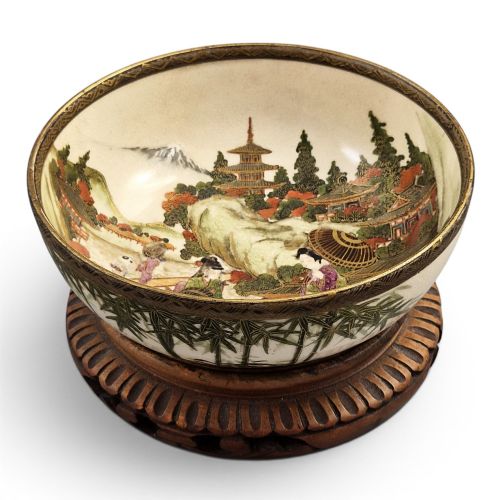
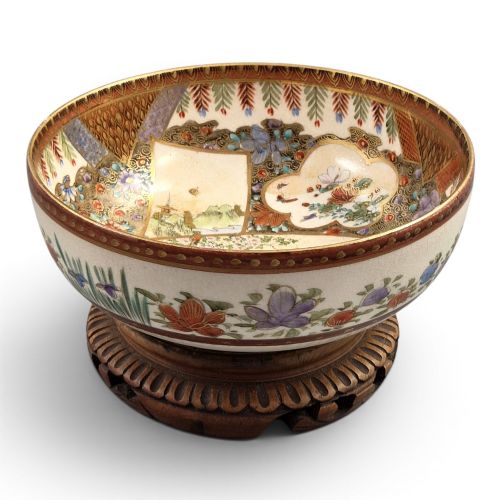


Oriental Porcelain Display Bowl
An oriental porcelain display bowl brings centuries of East Asian craftsmanship into a room, offering rich colours and intricate patterns that anchor a table or sideboard.
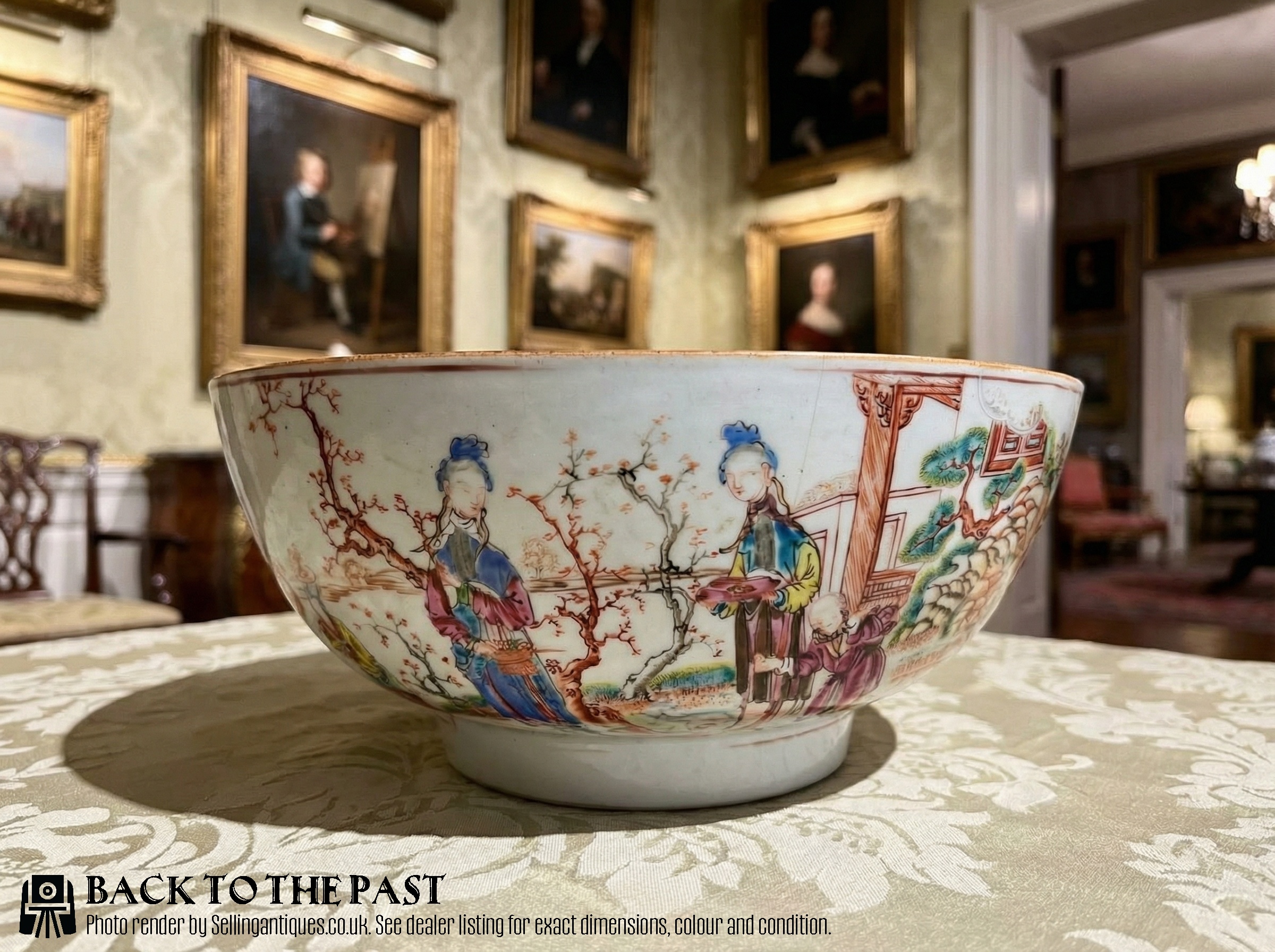
Oriental Porcelain Display Bowl
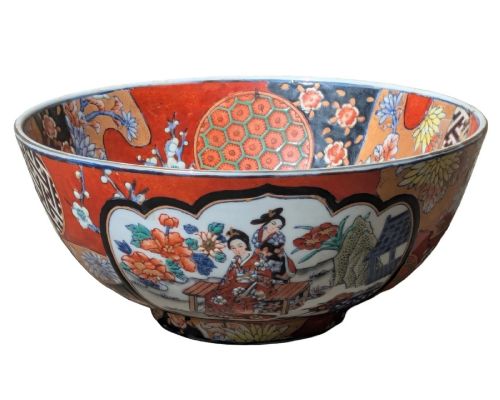
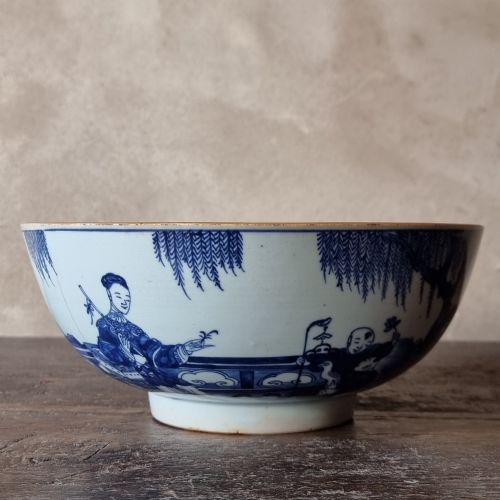
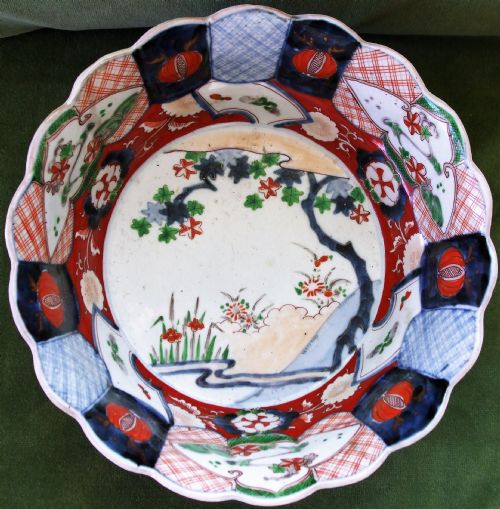
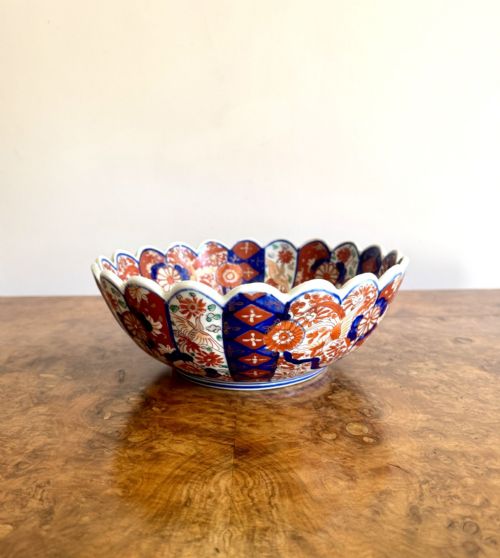
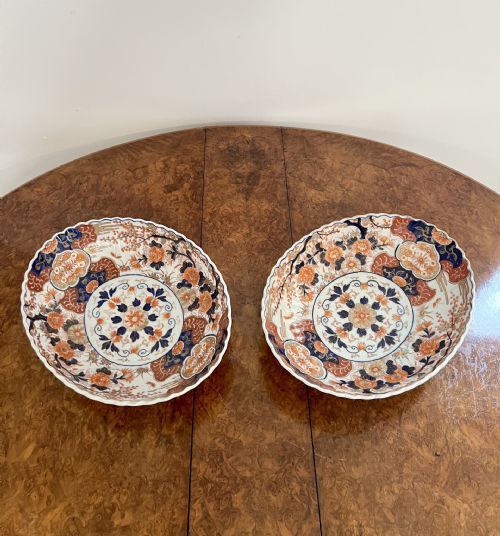
When you search for an oriental porcelain display bowl, you encounter a variety of decorative vessels originating from Japan and China. These range from substantial punch bowls and shallow chargers to delicate scalloped edge dishes designed for visual prominence.
The pieces span multiple centuries and production periods, including 17th century Arita wares, 18th century Chinese export punch bowls, and vibrant Japanese Imari items from the Meiji and Showa eras. You also find associated items such as hardwood vase stands and specialised bowls paired with saucers.
Most examples on this page reflect the enduring appeal of traditional export ceramics created for both domestic utility and overseas markets. Their varied forms include hexagonal profiles, tripod bases, and deep centre bowls suited for prominent placement.
Materials and construction techniques
The manufacture of these bowls relies upon high-fired porcelain and earthenware bodies shaped by hand or on the wheel. Artisans applied cobalt glaze beneath the surface alongside dense surface enamels to build up complex pictorial schemes.
Many items incorporate gold leaf and detailed gilding to highlight specific motifs within the painted designs. Wood is also utilised selectively, particularly in the production of carved stands intended to support and elevate individual bowls.
Listings feature porcelain, earthenware, and cobalt glaze alongside wood stands, spanning periods from the 17th century to the 1930s.
Judging the execution and finish
Superior examples demonstrate precision in the brushwork and depth in the enamel colours, where the cobalt blue and iron red tones remain crisp and controlled. Finer pieces often feature complex scalloped edges, well-defined moulding, and signatures from noted makers or studios.
The handling of the glaze and gold leaf reveals the artisan's skill, distinguishing standard production wares from pieces commissioned for higher-tier markets. Preservation of the painted surface and structural integrity further separates the finest vessels from routine items.
Gyokkō·Kozan
The Oriental Porcelain Display Bowl Glossary
- Imari
- A style of Japanese porcelain featuring a palette predominantly of underglaze blue, iron red, and gold, named after the port from which the wares were shipped. This aesthetic became immensely popular across Europe during the export period.
- Famille Rose
- A major palette of Chinese ceramic enamels introduced in the Qing dynasty, characterised by opaque pink and rose colours. The style allowed for subtle tonal gradations in floral and figural depictions.
- Arita
- A Japanese town and region central to the production of early porcelain, encompassing styles such as transitional blue and white. Pieces originating from here date from the seventeenth century onwards.
- Punch bowl
- A large, deep vessel historically used for mixing and serving communal drinks during social gatherings. Their generous proportions provided ample canvas for elaborate exterior and interior decoration.
- Scallop edge
- A decorative rim shaped into a series of continuous curves resembling a scallop shell. This treatment adds textural interest to plates, chargers, and display bowls.
- Meiji Period
- The era in Japanese history spanning from 1868 to 1912, marked by industrialisation and a surge in export arts. Wares from this period often display meticulous detail and confident enamel work.
Oriental Porcelain Display Bowl: Frequently Asked Questions
How were oriental punch bowls used?
These large vessels sat at the centre of dining tables to hold and serve mixed alcoholic punches during formal gatherings and banquets. Guests would ladle the liquid directly from the bowl into smaller cups.
After use in the dining room, many households repurposed them as decorative centrepieces on sideboards or tables to showcase the painted porcelain.
Can I use these bowls for food?
Most antique display bowls feature delicate enamel work and older glazes that are susceptible to wear from modern cutlery and acidic foods. It is generally advisable to treat them as decorative objects rather than functional tableware.
Exposing antique porcelain to modern dishwashers or frequent scrubbing can permanently damage the surface gilding and hand-painted details.
How do I display a bowl safely?
Placing a bowl on a stable surface away from high-traffic areas prevents accidental knocks and vibrations. Using a fitted hardwood stand can also help distribute the weight evenly while enhancing the overall presentation.
Keep antique porcelain out of direct, prolonged sunlight to prevent any fading of the delicate red and pink enamel pigments over time.