

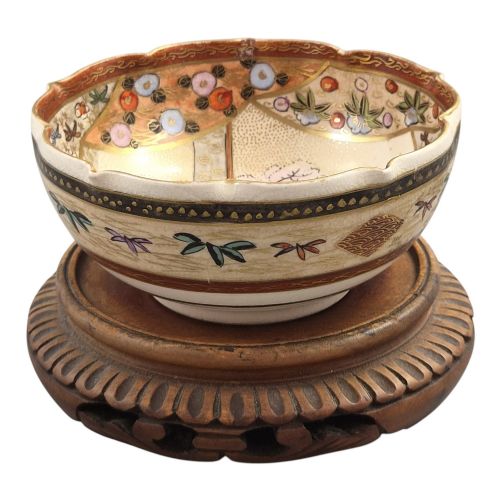


Asian Art Ceramic Bowl
An asian art ceramic bowl brings centuries of firing and painting traditions straight to the table, offering a rich focal point for any room.
Asian Art Ceramic Bowl
When searching for an asian art ceramic bowl, buyers encounter a variety of forms ranging from shallow dishes to deep punch bowls. These objects originate from different traditions, spanning Chinese and Japanese workshops.
The pieces listed on this page most frequently include 19th-century examples alongside earlier Ming dynasty and 17th-century porcelain works. Forms vary from decorative bowls to chargers, reflecting centuries of distinct regional utility and design.
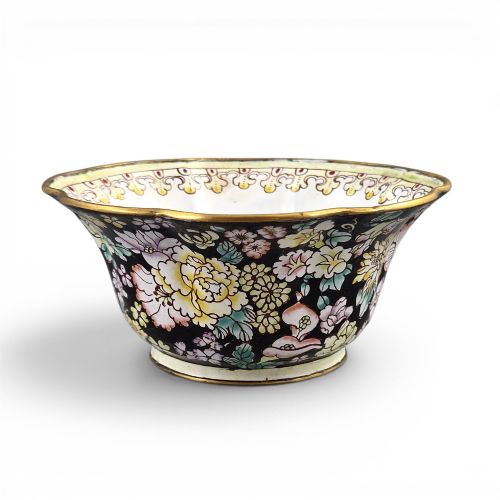
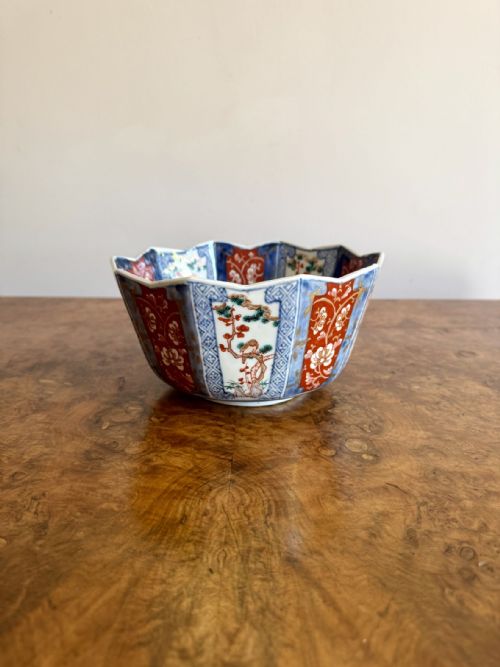
Makers and regional styles such as Satsuma, Imari, Canton, and Qing dynasty pieces dominate the selections. Each item brings specific cultural motifs and glazing methods that define its particular origin.
How they were made
The construction of these vessels relies heavily on fine porcelain, earthenware, and copper bases. Artisans shaped these materials before applying complex decorative layers.
Glazing and painting techniques include cobalt blue glaze, enamel, gold leaf, and gilt highlights. These finishes required precise firing to achieve the durable surfaces seen across the pieces.
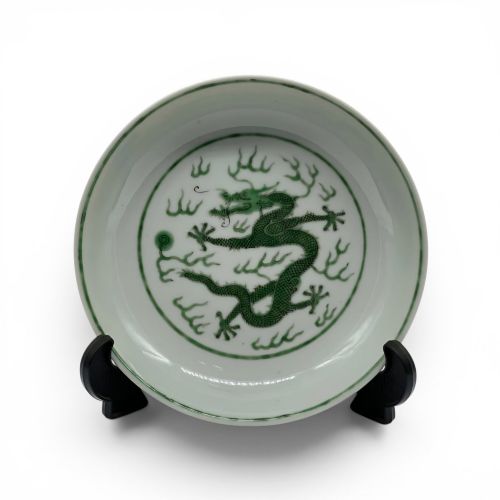
Green dragons coil fiercely across surfaces, reminding viewers that ancient kilns doubled as mythological menageries.
What varies in quality
The refinement of the painted details separates standard production from finer examples. Precision in brushwork, particularly in motifs such as dragons and floral patterns, indicates the skill of the original workshop.
The application of secondary materials like gold leaf and enamels alters the visual depth of a vessel. Pieces bearing legible signatures or imperial-style markers often demonstrate superior execution.
Kinkozan Kyoto·Hododa Yokohama
The Asian Art Ceramic Bowl Glossary
- Imari
- A style of Japanese porcelain decorated in underglaze blue and overglaze colours, typically red and gold. This aesthetic gained significant popularity for export markets.
- Satsuma
- A type of Japanese earthenware featuring a pale, ivory-coloured crackle glaze. These items are often elaborately decorated with polychrome enamels and gilt.
- Canton
- A designation for Chinese ceramics decorated in the port city of Canton, known for vibrant painted enamels. Such pieces frequently incorporate detailed figural and botanical scenes.
- Cobalt blue
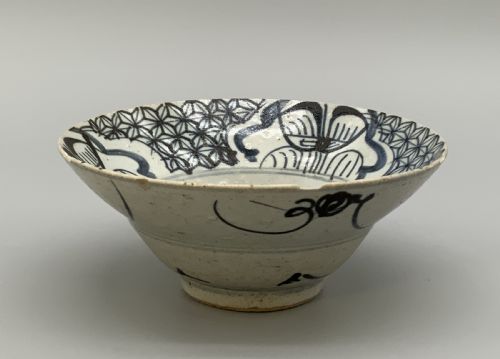
- A deep blue pigment used in underglaze decoration on ceramics. It remains stable at high kiln temperatures, producing sharp patterns beneath the clear glaze.
- Doucai
- A Chinese porcelain technique combining underglaze blue outlines with overglaze enamel infills. The method creates a contrasting, colourful design on the white body.
Asian Art Ceramic Bowl: Frequently Asked Questions
How do I care for an antique bowl?
Dust the surface gently with a soft, dry cloth to prevent scratching the delicate enamel or gilt decorations. Avoid exposing the piece to harsh cleaning agents or sudden temperature shifts.
Display the vessel away from direct sunlight to preserve the richness of the cobalt blue glaze and painted pigments over time.
What is the difference between porcelain and earthenware?
Porcelain is fired at extremely high temperatures, resulting in a dense, vitreous body that is white and non-porous. Earthenware is fired at lower temperatures, producing a more porous and opaque material.
Many Japanese Satsuma bowls are earthenware with a characteristic crackle glaze, whereas Ming and Qing dynasty pieces are typically durable porcelain.
How can I tell a Ming piece from a Qing piece?
Ming dynasty ceramics often feature robust forms and bold underglaze blue painting styles characteristic of earlier centuries. Qing pieces frequently display refined enamel work and precise imperial-style motifs.
Examining the foot ring, potting style, and any reign marks helps contextualize the period of manufacture.
Where were Satsuma bowls made?
Satsuma ware originated in Satsuma Province on the southern island of Kyushu in Japan. Production later expanded to major artistic centres like Kyoto and Yokohama.
Kyoto workshops, including notable makers like Kinkozan, produced highly refined Satsuma pieces intended for international export.