

Vintage Inlaid Accent Table
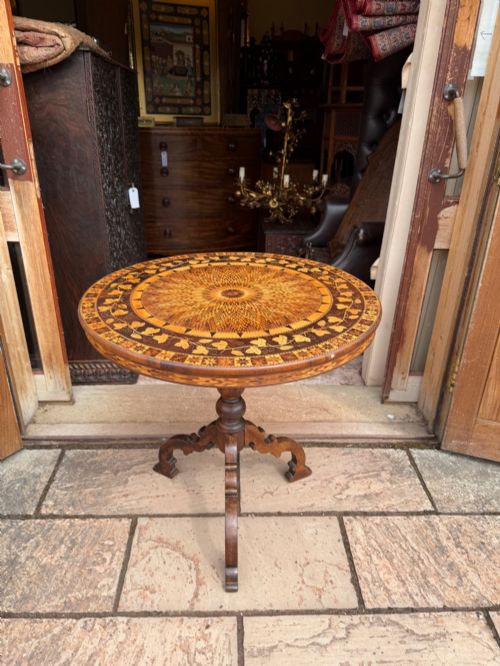
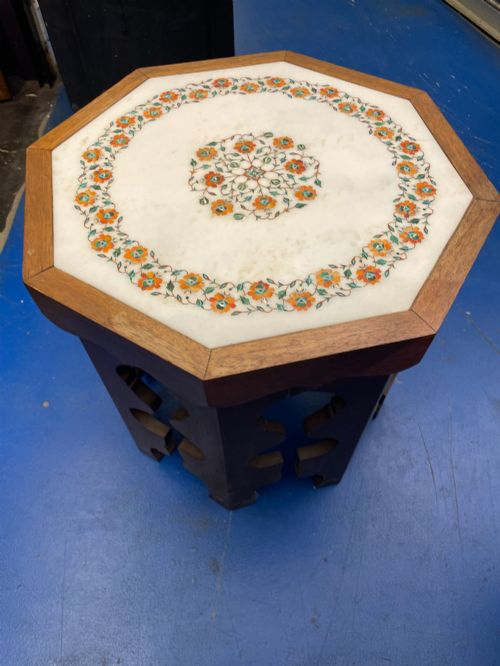
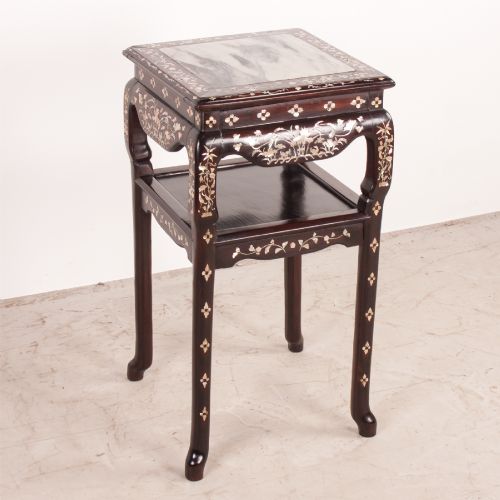
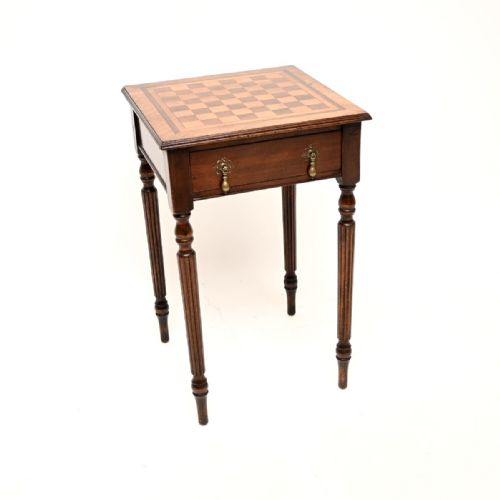
A vintage inlaid accent table brings patterned wood, bone, or mother of pearl into a room as a functional surface.
Vintage Inlaid Accent Table
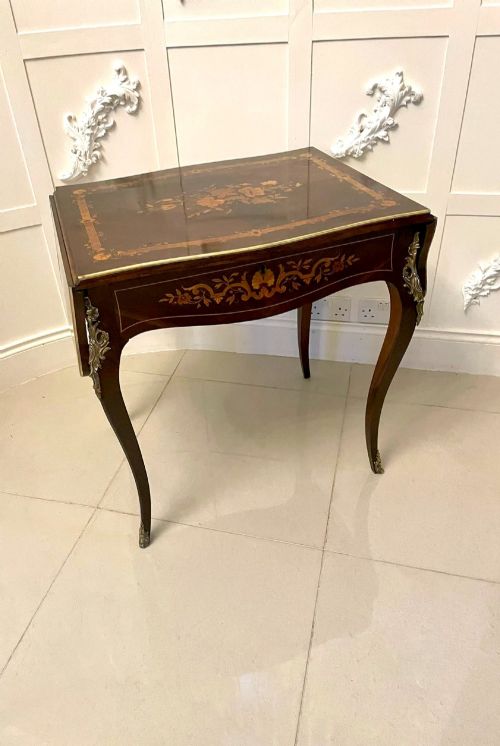
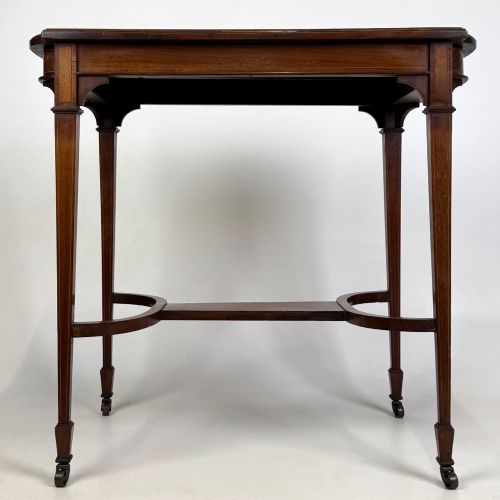
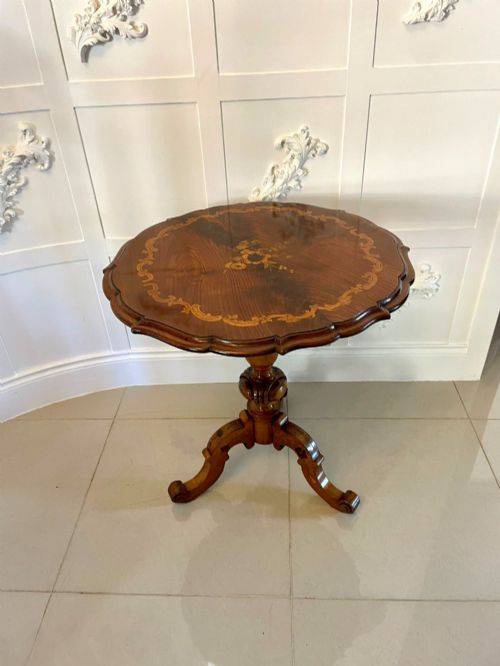
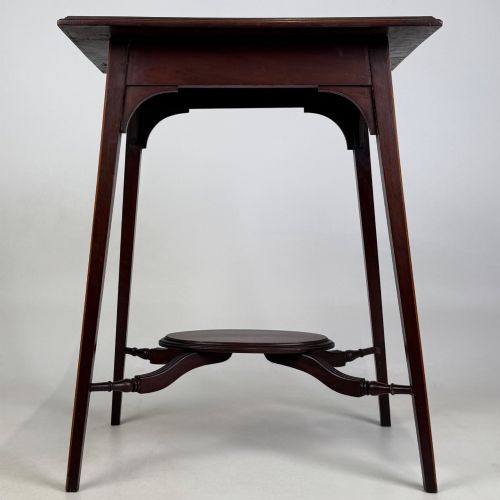
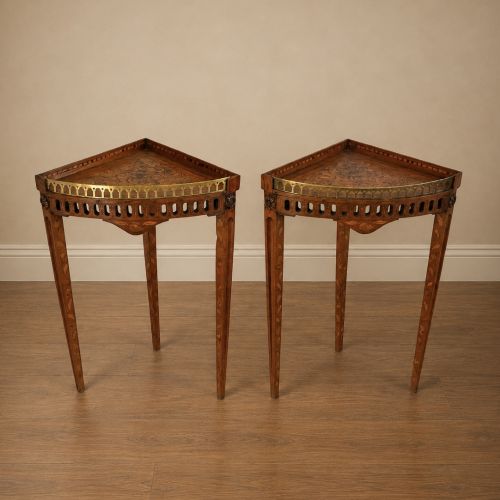
When you search for a vintage inlaid accent table, you encounter smaller occasional surfaces created to sit beside seating or in corners. The selection on this page leans heavily towards Edwardian mahogany side tables, alongside Victorian and French marquetry pieces.
Makers produced these as side tables, lamp tables, centre tables, and nests of tables. Forms range from simple circular occasional tops to complex card tables and games tables.
Origins stretch across Britain, France, Italy, India, and China. Regional workshops utilised local timbers and distinct decorative traditions to build these compact items.
How they were made
Cabinet makers built the primary carcass using timbers such as mahogany, walnut, satinwood, kingwood, rosewood, and burr wood. Solid frames supported veneered surfaces where precision cutting took place.
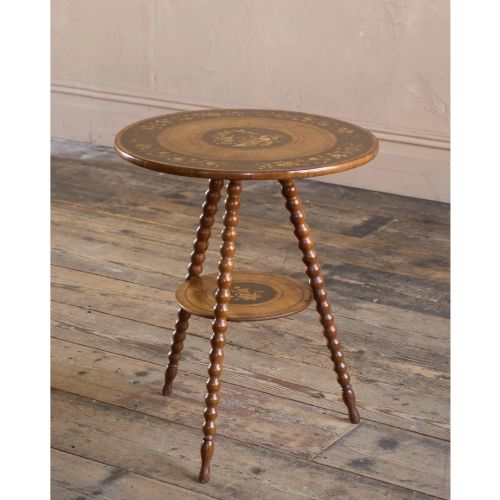
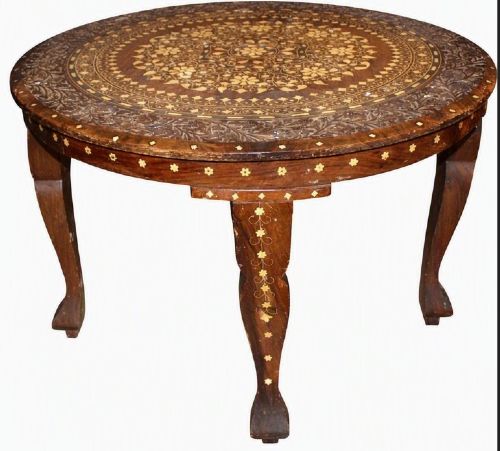
Craftsmen embedded contrasting materials into the timber or stone grounds. Boxwood, brass, bone, and mother of pearl formed geometric borders, floral marquetry, and figurative motifs.
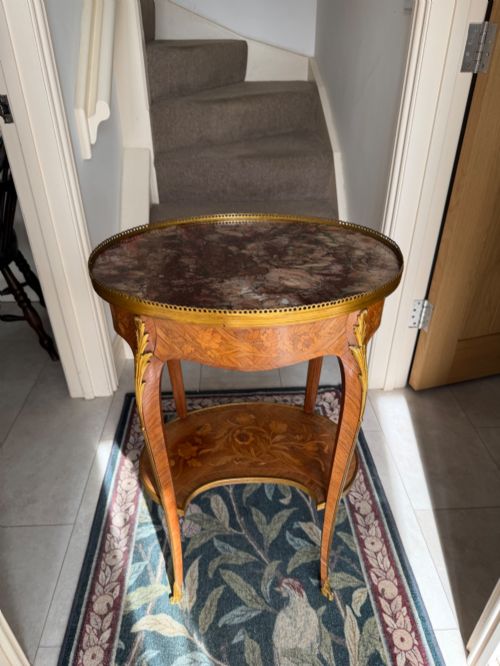
French pieces often added ormolu mounts to frame the marquetry panels, while Anglo-Indian and Hoshiarpur examples combined dense surface carving with intricate bone or pearl sections.
The listings here feature examples spanning from the 18th century through the Victorian, Edwardian, and Art Deco periods, utilising mahogany, walnut, satinwood, and mother of pearl.
What varies in quality
The precision of the timber matching and the complexity of the marquetry dictate the upper tier of execution. Simpler lines rely purely on the grain of the wood, whereas finer examples display detailed pictorial or symmetrical foliage inlay using multiple contrasting species.
The integrity of the structural joinery separates standard production from exceptional workshops. Tables that retain tight joints, flat tops without warping, and well-fitted internal components demonstrate superior original construction.
The choice of secondary materials marks distinct grades of manufacture. Solid brass galleries, finely cast ormolu mounts, and deeply carved bases distinguish the more ambitious commissions from basic domestic furnishings.
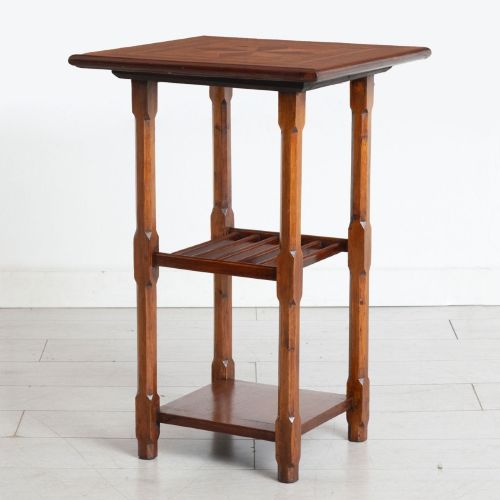
Liberty & Co
The Vintage Inlaid Accent Table Glossary
- Marquetry
- The art of applying pieces of veneer to a structure to form decorative patterns and pictures. Makers used different coloured woods and organic materials to achieve tonal depth.
- Satinwood
- A durable hardwood with a lustrous yellowish-grey finish, frequently utilised for banding and contrast on lighter furniture. It forms a bright surface against darker mahogany.
- Ormolu
- Gilded bronze mounts applied to the corners, legs, and edges of French tables. This technique frames the wood panels and adds metallic contrast.
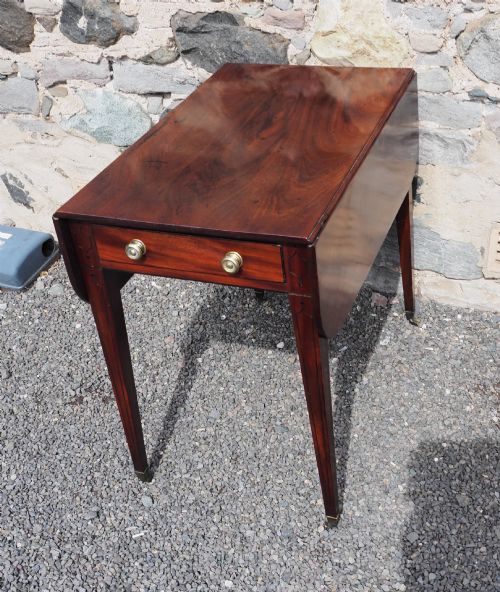
- Pembroke table
- A small form of table featuring hinged drop leaves on two opposing sides. Many include a single drawer beneath the top.
- Hoshiarpur
- A North Indian centre renowned for dense wood carving and intricate bone or mother of pearl inlay. Pieces from this region feature complex geometric patterns across the entire surface.
Vintage Inlaid Accent Table: Frequently Asked Questions
Where should I place an accent table?
These tables fit easily beside armchairs, sofas, or in empty hallways where a surface is needed for lamps or small objects. Their compact footprints allow them to tuck into corners without crowding a room.
Because many are finished on all sides as freestanding items, they also work well in the centre of a room or positioned behind low seating.
How do I care for inlaid surfaces?
Keep these pieces away from direct sunlight and extreme temperature shifts to protect the wood and prevent the veneer from drying out. Consistent indoor humidity helps maintain the tiny joints between the timber and the inlay.
Dust gently with a soft cloth and avoid modern aerosol polishes. A light application of appropriate wax preserves the sheen of the timber.
What is the difference between marquetry and inlay?
Marquetry involves assembling a complete veneer puzzle over the entire surface of the top before application. The pieces fit together to form a picture or pattern.
Inlay generally means cutting recesses into a solid wood base and sinking contrasting materials directly into those cavities. Both methods appear across the items on this page.
How do I date an Edwardian table?
Edwardian tables often feature lighter satinwood banding, satin-smooth mahogany, and delicate tapered legs. These pieces usually reflect lighter, neoclassical revival tastes popular around the start of the twentieth century.
Construction details like machine-cut screws, secondary softwood framing, and typical period hardware help distinguish them from earlier Georgian or Victorian examples.