

Edwardian Side Table with Shelf
These pieces for an edwardian side table with shelf bring practical surface space and refined period character into a hallway or living room.
Edwardian Side Table with Shelf
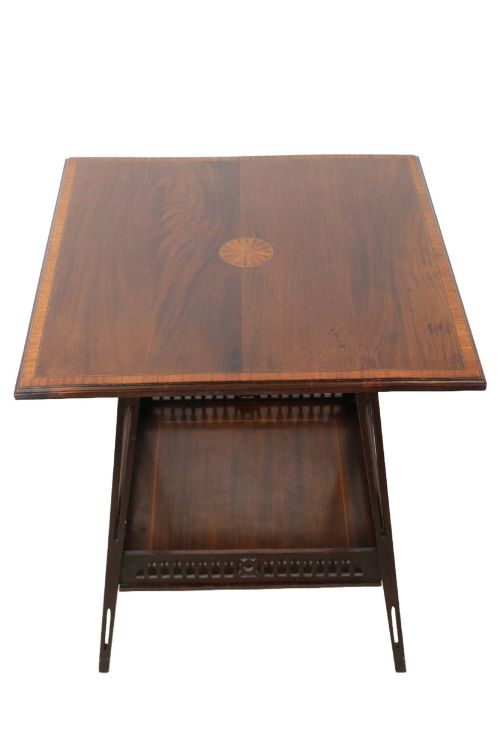
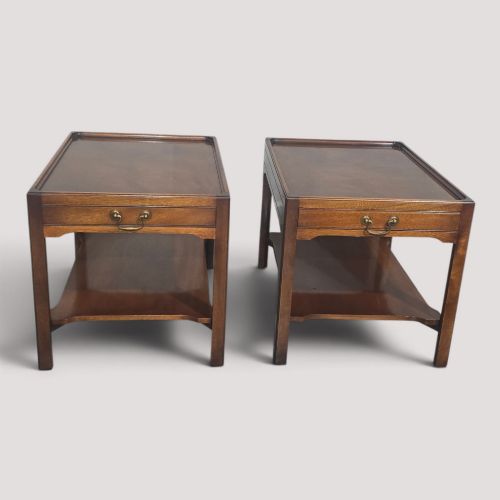
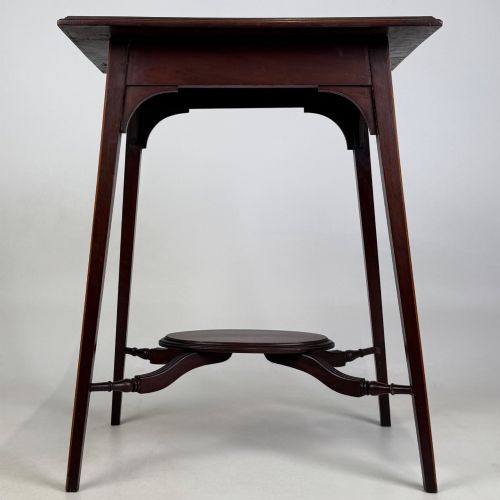
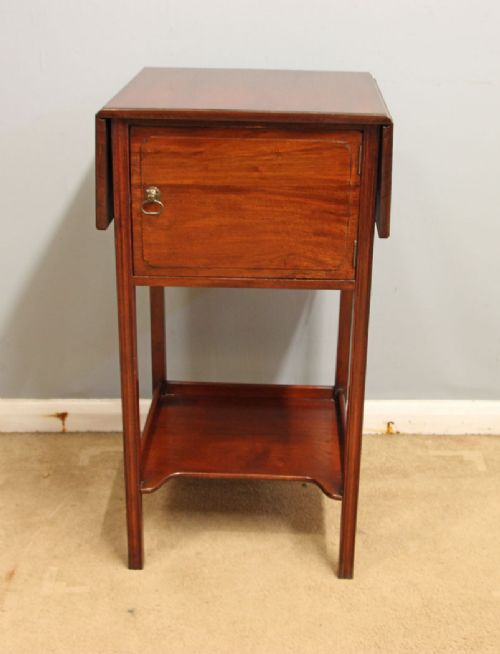
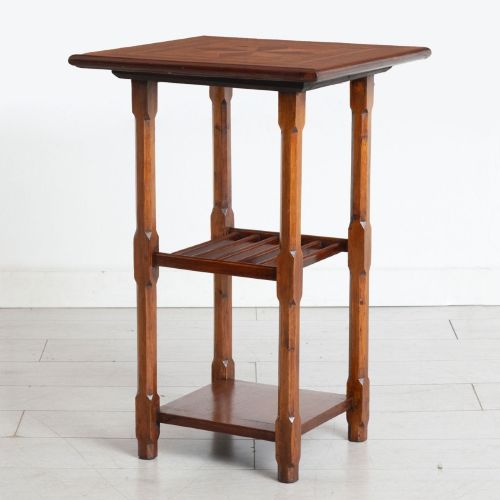
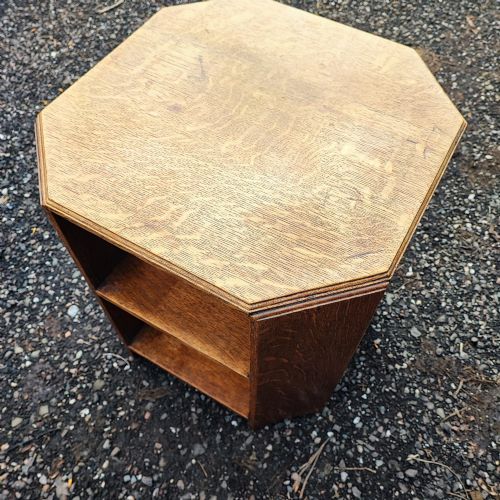
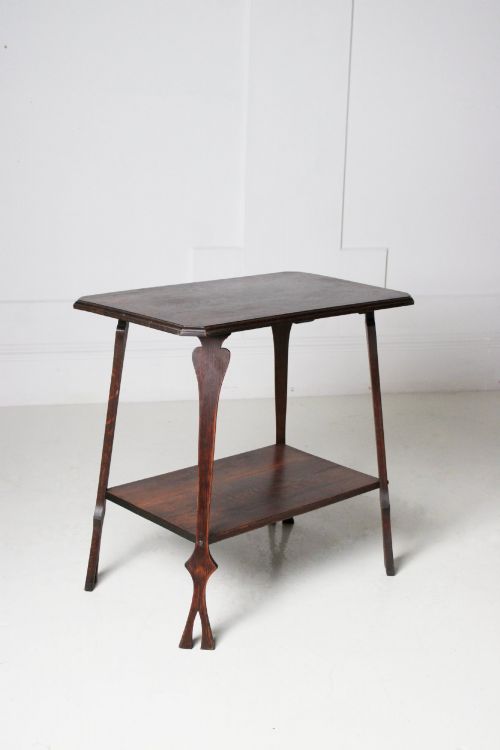
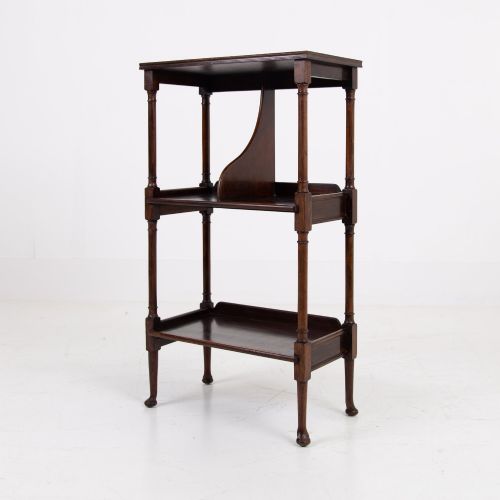
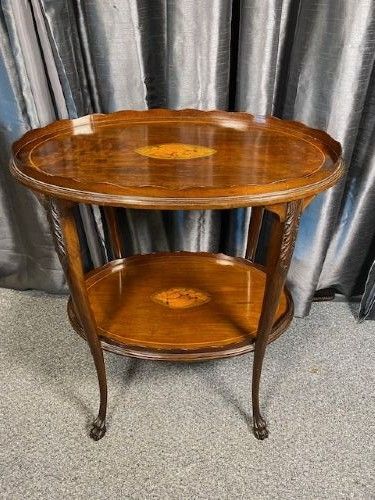
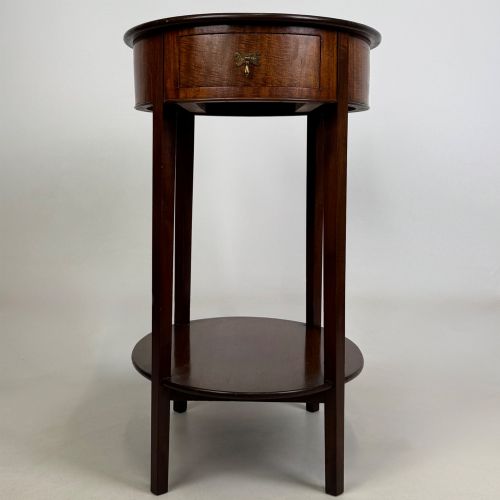
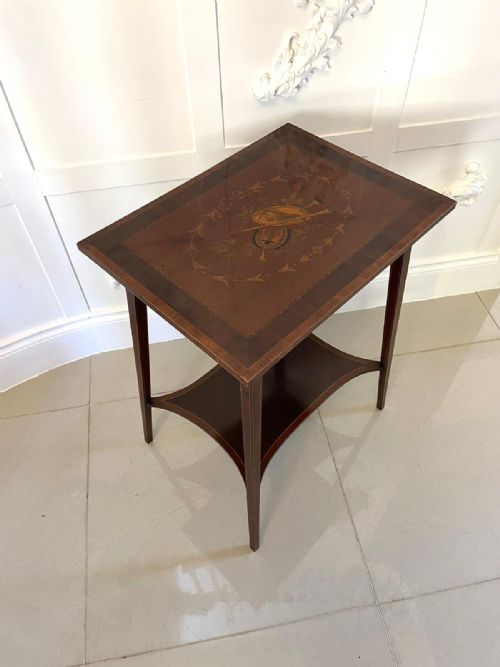
An edwardian side table with shelf typically presents a compact surface with a lower undertier for books or display. The examples met most often on this page take the form of occasional tables, hall tables, and bedside tables.
Makers of the period worked within styles such as Edwardian, Sheraton Revival, and Arts & Crafts, using timbers that suited both formal drawing rooms and simpler domestic spaces.
How they were made
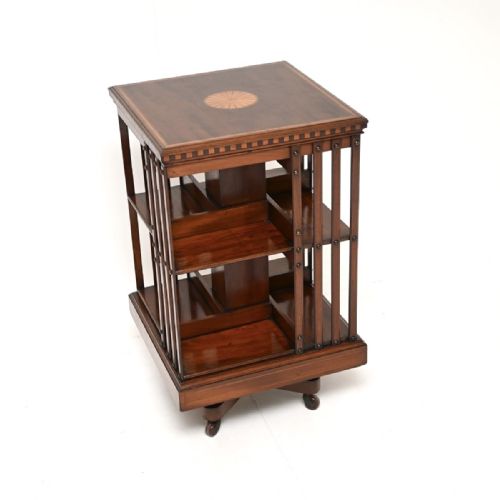
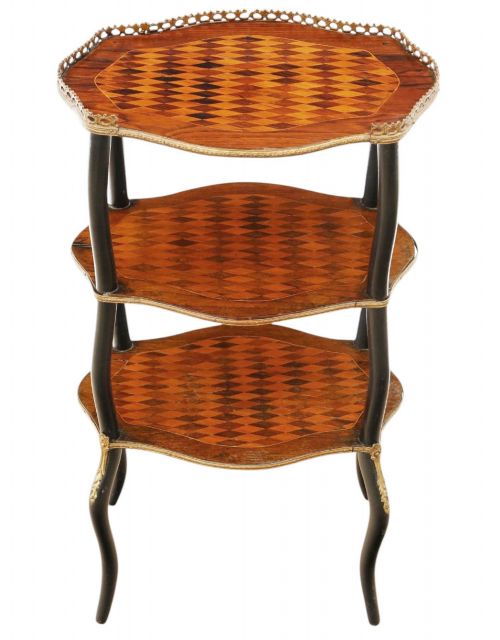
Cabinet makers built these pieces using solid timbers like mahogany and oak, frequently applying decorative wood inlay in boxwood and satinwood. Veneers on mahogany cores also appeared on occasional tables to create smooth top surfaces.
Some examples incorporated brass fittings and carved details, reflecting both factory production and the individual craftsmanship seen in Arts & Crafts workshops.
Listings feature woods including mahogany, oak, walnut, rosewood, and satinwood, spanning the Edwardian period and the nineteenth century.
What varies in quality
The standard of an edwardian side table with shelf rests on the choice of timber and the precision of the joinery and inlay work. Pieces displaying crisp carving, balanced proportions, and well-figured mahogany or walnut sit at the upper end.
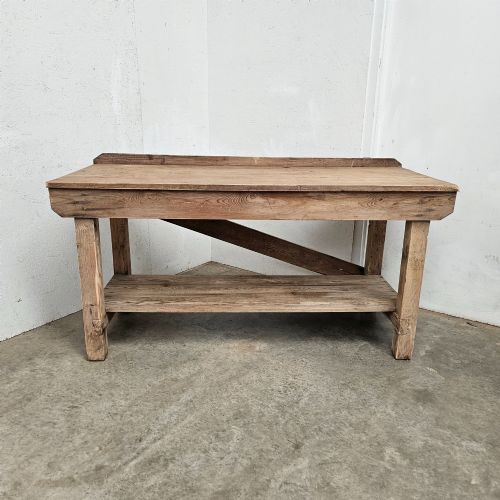
Simpler pine or utilitarian potting tables show a different intended use, where robust construction matters more than decorative refinement.
Trevor Page & Co
The Edwardian Side Table with Shelf Glossary
- Undertier
- A lower shelf fitted between the legs of a table to provide additional storage space. This secondary surface often adds structural stability to lighter occasional tables.
- Inlay
- A technique where pieces of contrasting wood, such as boxwood and satinwood, are set flush into the primary timber surface to form decorative patterns. It frequently defines Edwardian and Sheraton Revival pieces.
- Occasional table
- A small, movable table designed for light, flexible use around a sitting room. These pieces appear in various shapes including oval, square, and drop-leaf formats.
- Sheraton Revival
- A late nineteenth and early twentieth century style inspired by the furniture designs of Thomas Sheraton. It relies on graceful proportions, satinwood highlights, and delicate inlay.
- Chiffonier
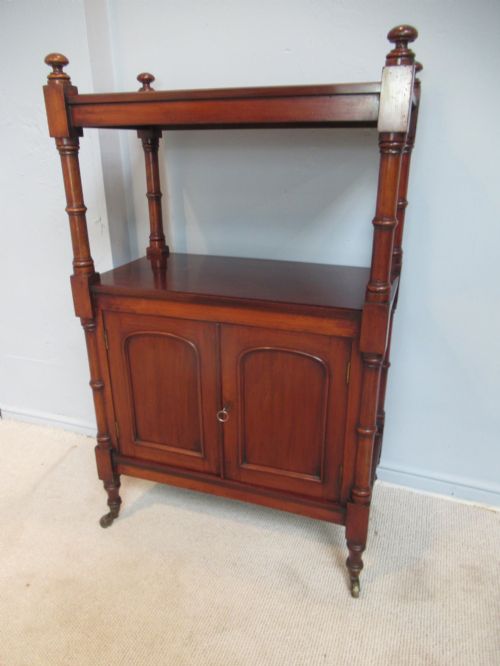
- A low sideboard or cabinet featuring storage cupboards and frequently a small shelf tier on top. Victorian examples often match the timber and polish of related side and library tables.
Edwardian Side Table with Shelf: Frequently Asked Questions
Where should I place a side table with a shelf?
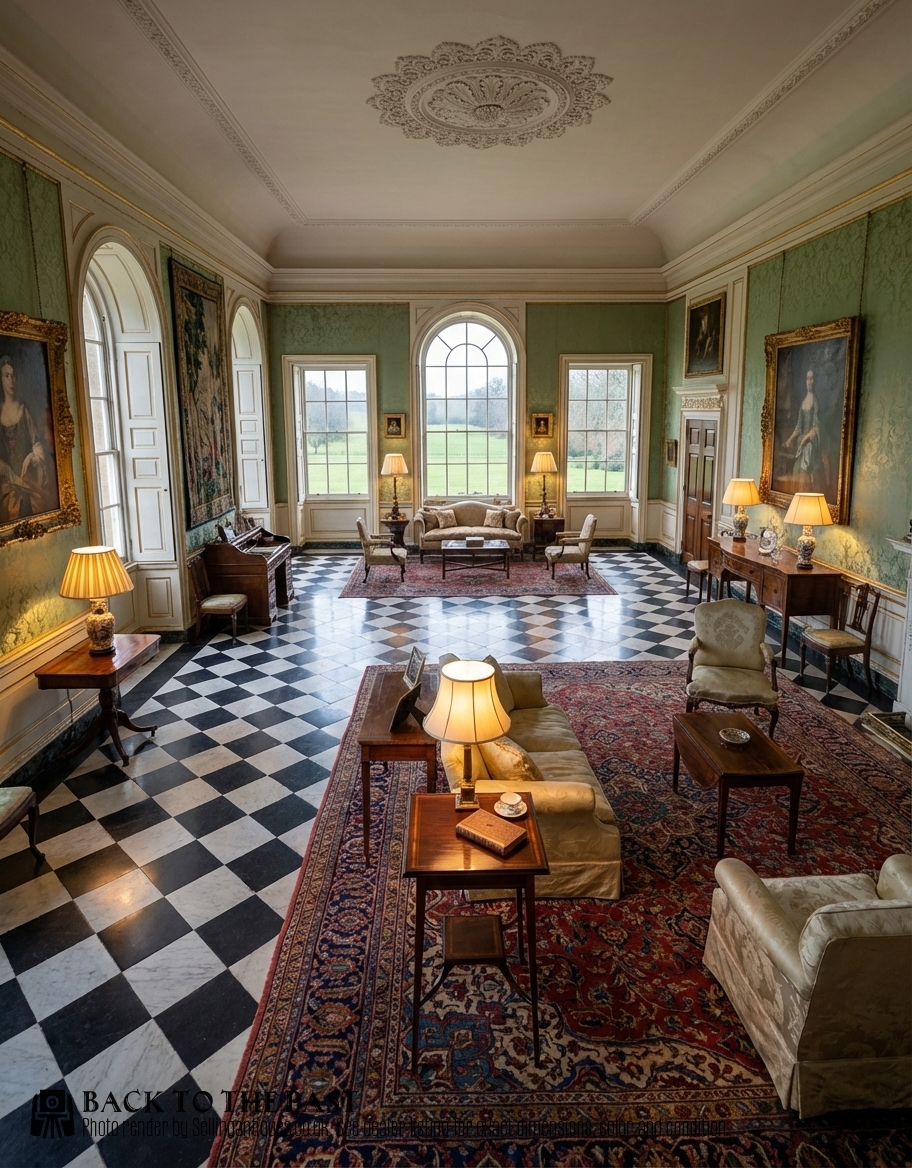
These tables fit well beside a sofa or armchair, where the lower shelf holds books and magazines within easy reach.
They also serve effectively in hallways as a compact surface for keys and post.
How do I clean a mahogany side table?
Dust the surface regularly with a soft, dry cloth to prevent dirt accumulation on the polish and wood grain.
Apply a traditional beeswax polish occasionally to nourish the timber and maintain its natural lustre.
Can I use an Edwardian table daily?
Most of these tables were built for everyday domestic use in period homes and remain sturdy enough for normal placement of lamps and decorative objects.
Protect the surface from heat and moisture using coasters to preserve the polished finish.
What is the difference between an occasional table and a hall table?
Occasional tables are usually designed to be moved around a room as needed for tea, reading materials, or lamps.
Hall tables tend to sit flat against a wall in an entranceway to provide a fixed surface for household items.