


Antique Square Plant Stand
An antique square plant stand brings architectural form and natural timber grain to a room, holding green foliage aloft.

Antique Square Plant Stand
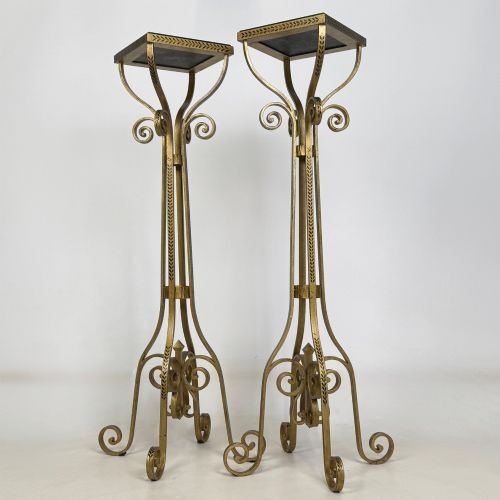
When you search for an antique square plant stand, you look for elevated surfaces designed to hold heavy earthenware pots, urns, and jardinieres. These pieces emerge across several periods, stretching from the Victorian and Edwardian eras into the early twentieth century.
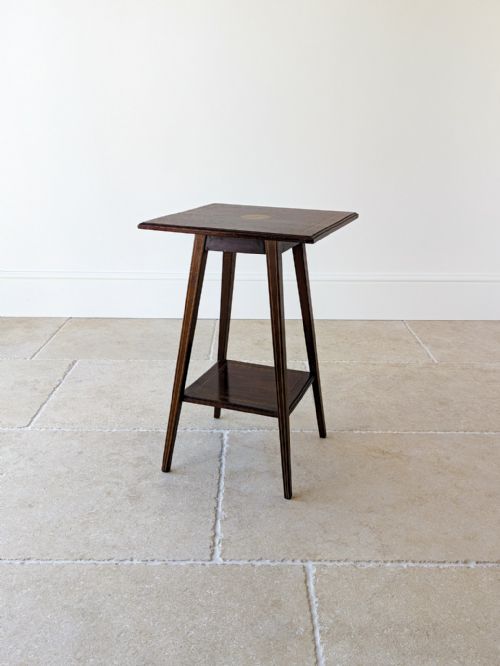
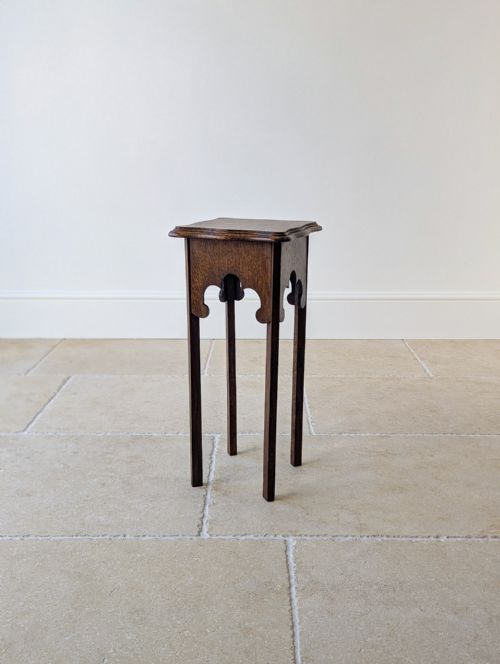
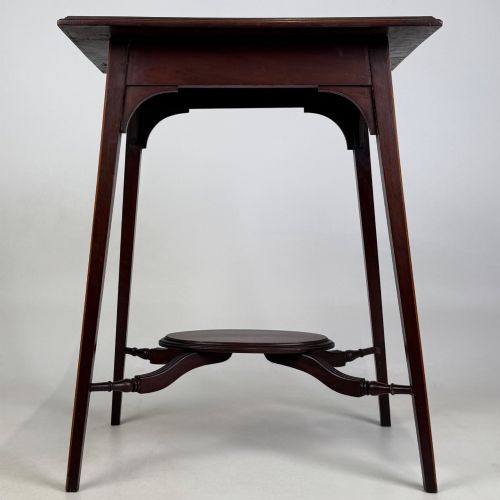
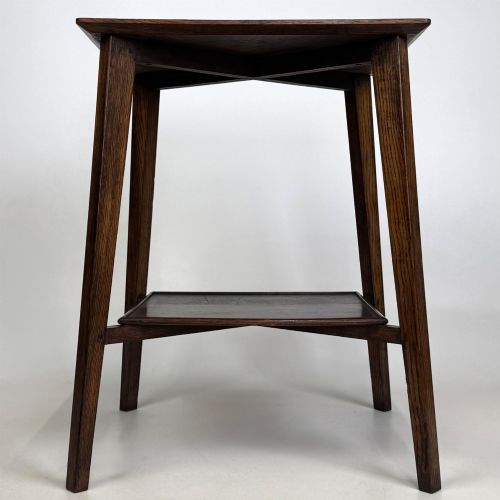
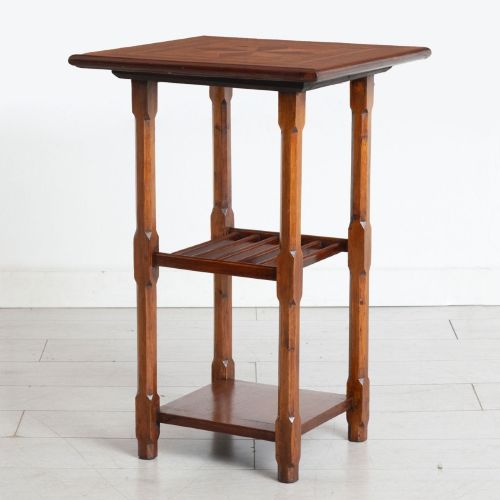
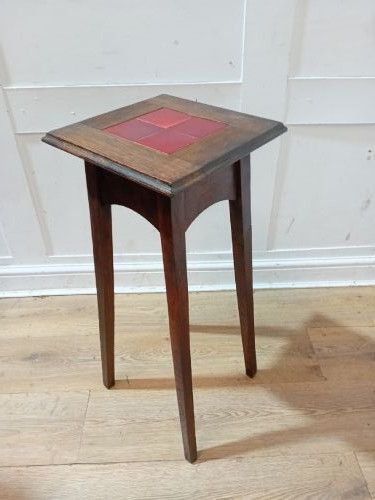
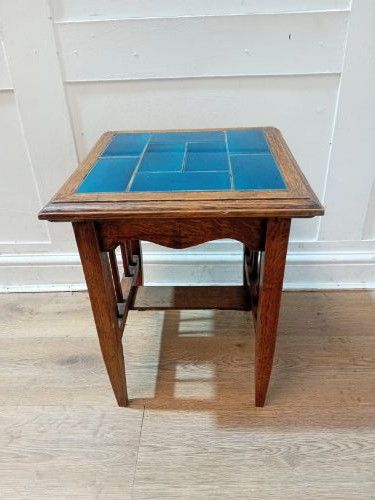
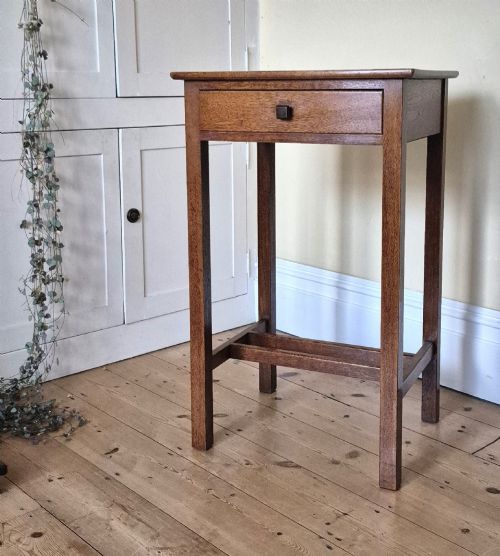
You will frequently meet versions constructed in solid oak and mahogany, often aligned with the Arts and Crafts movement or Edwardian cabinet-making. Their proportions suit corners and alcoves where floor space remains limited yet vertical interest is required.
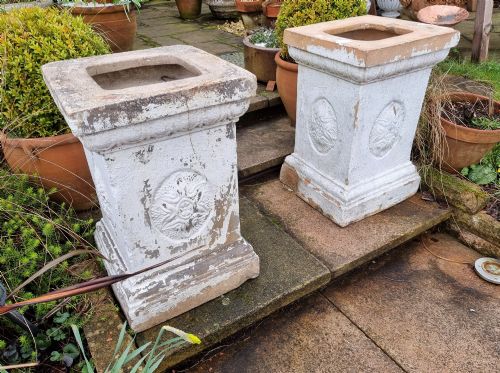
Makers adapted these forms from side tables, wine coolers, and garden pedestals, resulting in sturdy structures with flat tops capable of bearing weight. The selection ranges from plain utilitarian oak to inlaid satinwood and marble-topped specimens.
Materials and construction methods
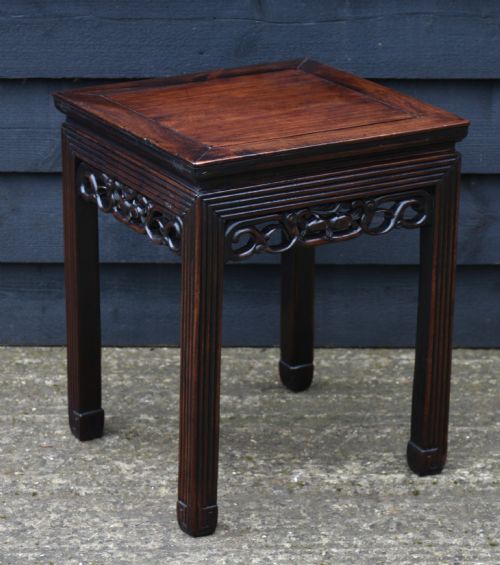
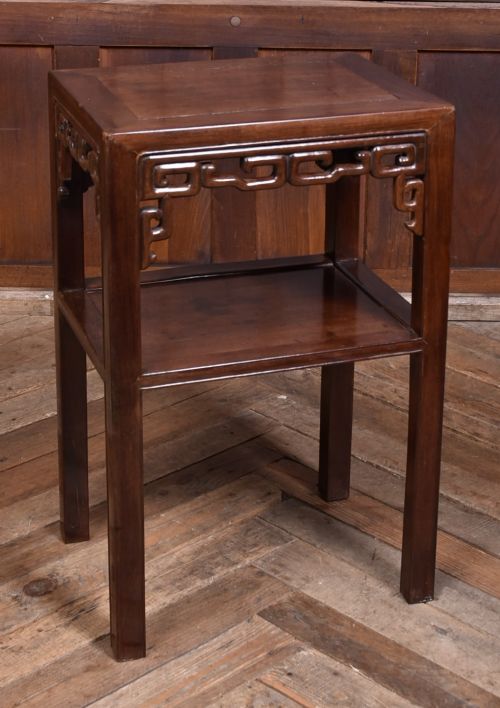
Cabinet-makers relied heavily on dense hardwoods like oak, mahogany, and walnut, supplemented by exotic timbers such as rosewood and satinwood for marquetry details. Brass hardware and inset scagliola or marble slabs provided durable surfaces capable of withstanding moisture from damp flowerpots.
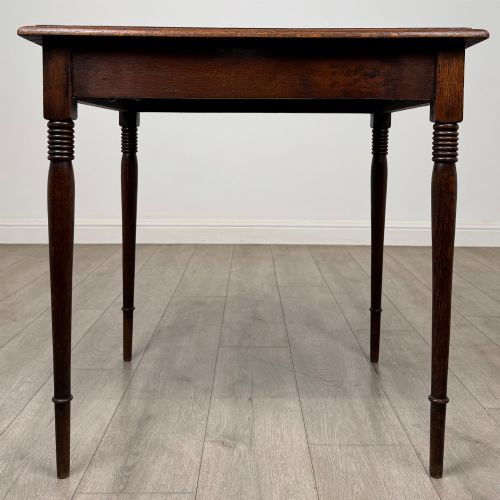
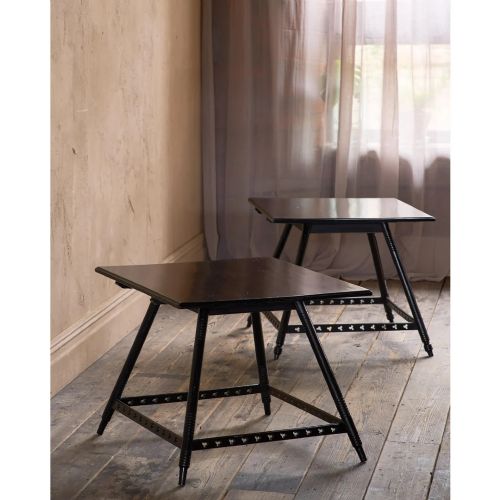
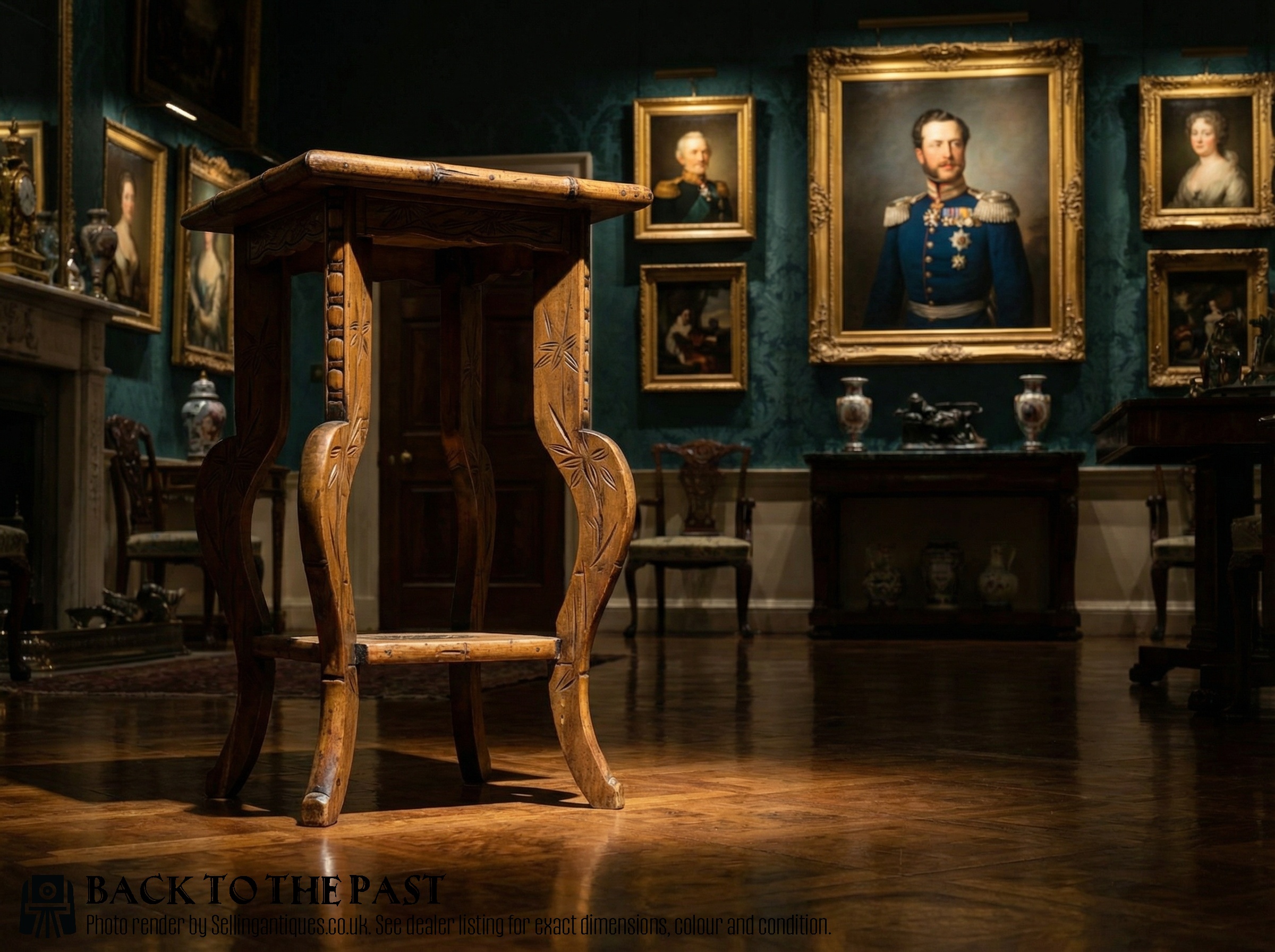
Joinery techniques involved mortise and tenon frames, hand-carved supports, and turned elements including barley twist legs. Makers applied hand-rubbed wax finishes to protect the wood while accentuating natural grain patterns.
Markers of superior craftsmanship
Quality rests in the rigidity of the frame and the selection of timber figures, where quarter-sawn oak or richly grained mahogany indicate deliberate material choice. Superior examples display crisp hand-carving, tight joints, and original stone or tile inserts rather than later replacements.
Design ambition separates basic utility items from workshop pieces bearing distinct stylistic movements, such as Arts and Crafts chamfering or Sheraton Revival stringing. The integration of structural integrity with refined decorative proportions determines the standing of each piece.
Liberty of London·Dunfermline Clay Company·Baillie Scott
The Antique Square Plant Stand Glossary
- Jardiniere
- A large ornamental pot or stand designed to hold growing plants or flowers. These vessels sit upon pedestals or incorporate built-in trays.
- Scagliola
- A composite material made from selenite, glue, and pigments, mixed to imitate marble and other fine stones. Craftsmen used it for decorative table and pedestal tops.
- Marquetry
- The art of applying pieces of veneer to a structure to form decorative patterns. Dutch and English makers utilised contrasting timbers like satinwood and rosewood.
- Barley twist
- A type of turning shaped like a helix resembling a twisted rope. This technique appears frequently on the legs of oak tables from the nineteenth and early twentieth centuries.
- Pedestal
- An architectural support or base used to elevate statues, urns, or plant holders. They provide height and stability in domestic interiors.
Antique Square Plant Stand: Frequently Asked Questions
What distinguishes a plant stand from a side table?
Plant stands typically feature smaller top dimensions and taller, more braced proportions designed specifically to handle concentrated vertical weight without toppling.
Many antique tables served dual purposes, functioning equally well as lamp tables or occasional surfaces depending on domestic needs.
How do I protect the wood from water damage?
Potted plants require waterproof saucers or liners placed beneath them to prevent condensation and overflow from marking the timber surface.
Regular application of beeswax helps maintain the moisture barrier on traditional polished hardwood finishes.
Can these stands support heavy ceramic pots?
Solid hardwood frames joined with traditional pegs and tenons possess immense structural strength suited for heavy stoneware.
Inspection of the lower stretchers and leg joints reveals whether a stand was built for heavy load-bearing duties.
How do I identify an Arts and Crafts piece?
Arts and Crafts examples emphasise visible construction methods, plain oak timbers, and functional honesty rather than heavy ornamentation.
Chamfered edges, hand-hammered copper accents, and simple pegged joints frequently mark this specific design ethos.