


Vintage Indian Plant Stand
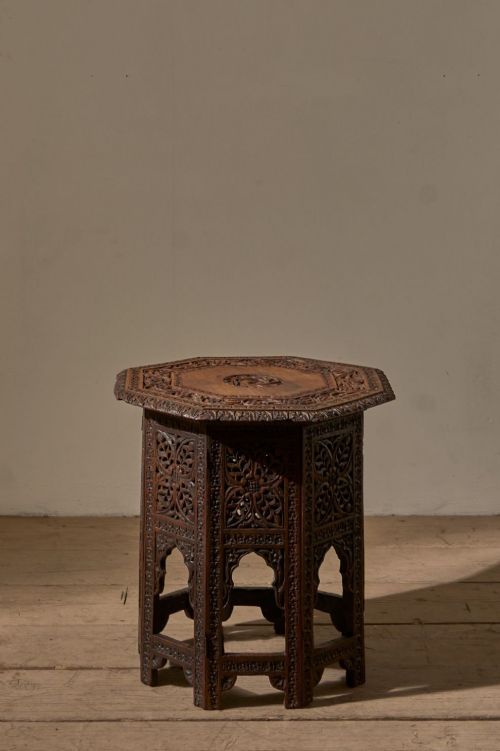
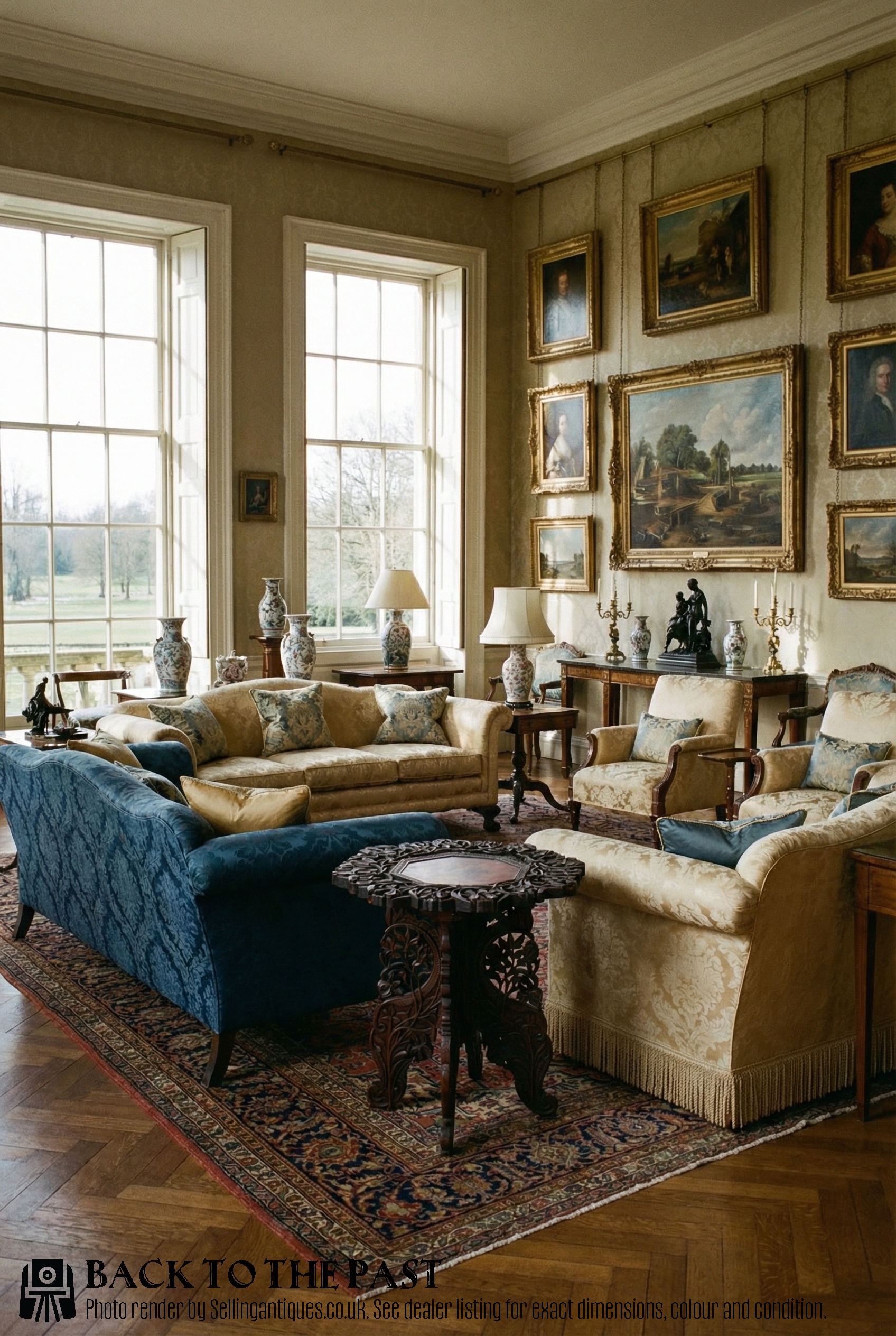
A vintage indian plant stand brings intricate hand-carved woodwork and distinctive colonial forms into a room.
Vintage Indian Plant Stand
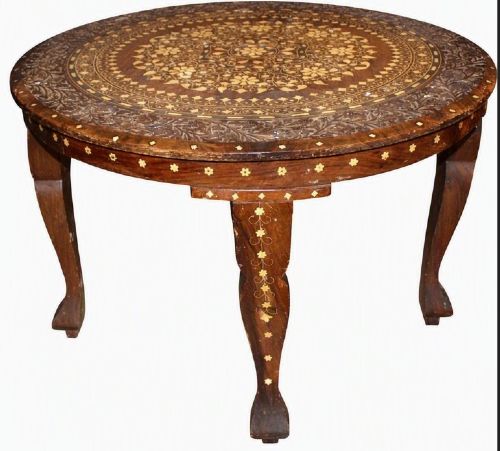
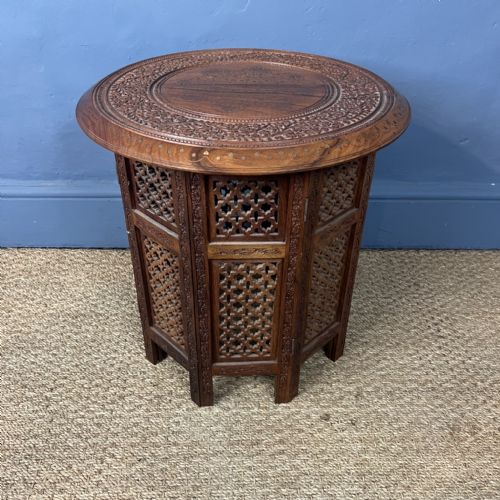
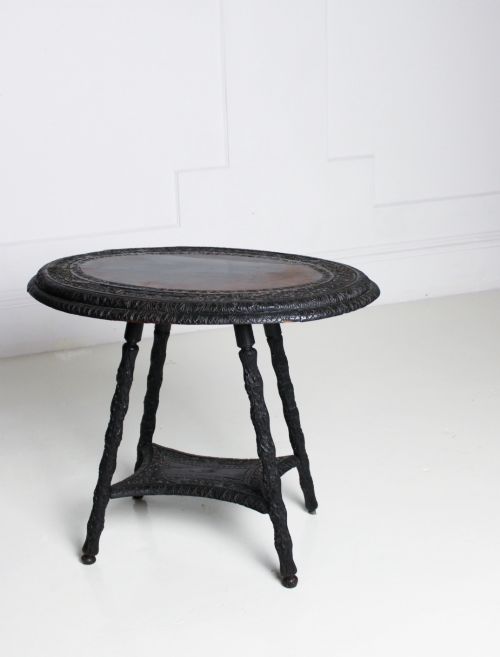
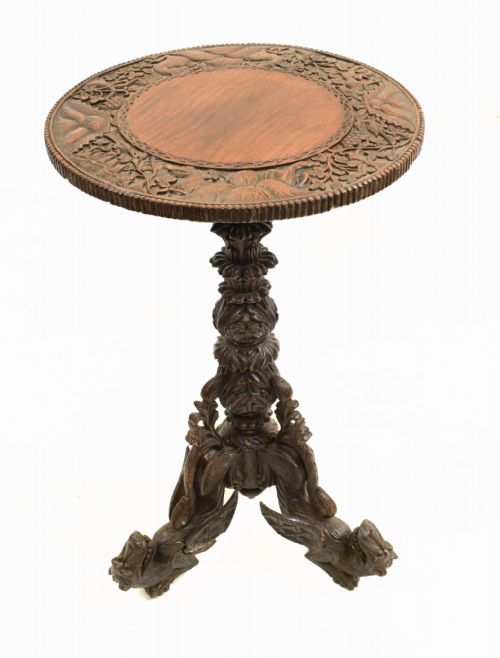
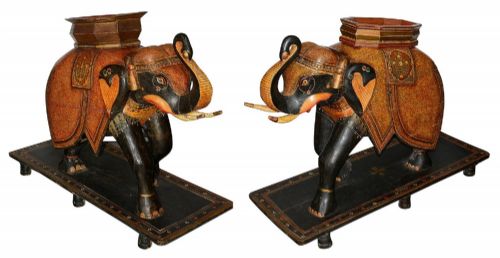
A vintage indian plant stand encompasses heavily carved occasional tables, octagonal Hoshiarpur pieces, and figural elephant supports originating from the nineteenth and early twentieth centuries. These works emerge from Anglo-Indian, Anglo-Burmese, and Moorish Revival traditions, reflecting colonial trade and craftsmanship.
The selections on this page lean heavily toward circular or octagonal side tables, folding campaign furniture, and carved wooden supports rather than standard garden pedestals. Buyers encounter teak, padauk, and rosewood items functioning as small tables or display surfaces.
Many of these items combine utility with low sculptural seating or support forms, often taking the shape of elephants with sculpted bodies and tusks. They serve to anchor a corner or hold small objects while displaying dense regional carving.
How they were made
Makers utilised dense tropical timbers including solid teak, padauk wood, and rosewood as the structural base for detailed hand-carving. These durable hardwoods allowed artisans to execute deep relief patterns, pierced fretwork, and folding mechanisms.
Surface ornamentation relied heavily on contrasting materials, embedding delicate bone inlay, mother-of-pearl, and beaten brass wire into the timber. Artisans also applied lacquer and copper tops to specific regional tables, contrasting the dark wood grains.
Materials documented across the pieces include solid padauk wood, bone inlay, brass wire, and copper tops.
What varies in quality
The integrity of the inlaid elements dictates the standard of the piece, with tightly fitted bone or brass wire demonstrating superior execution compared to wider gaps or missing sections. Solid hardwood construction and intact folding hinges also separate better examples from standard items.
Liberty and Co
The Vintage Indian Plant Stand Glossary
- Hoshiarpur
- A style originating from Punjab known for intricate wood carving and dense bone or brass inlay work.
- Anglo-Indian
- Furniture produced in India during the British colonial period, combining local craftsmanship with European forms.
- Padauk
- A heavy, durable tropical hardwood with a reddish hue used frequently in nineteenth-century regional tables.
- Campaign table
- Portable furniture designed to fold or dismantle easily for transport during military or civil service operations.
Vintage Indian Plant Stand: Frequently Asked Questions
What is an Hoshiarpur table?
An Hoshiarpur table is a wooden piece originating from northern India, defined by dense surface carving and geometric bone or brass inlay.
These items often feature octagonal tops and folding bases, making them versatile for interior placement.
How do I date a vintage plant stand?
Dating relies on timber choice, construction methods, and stylistic markers recorded from the nineteenth century through the 1930s.
Earlier pieces typically utilise solid padauk or rosewood with hand-forged hardware, while later examples often incorporate structured teak.
Where were these stands made?
These pieces were produced across various workshops in the Indian subcontinent and Burma during the colonial era.
Craftsmen adapted local artistic traditions to meet the demands of British residents and the export market.
How should I care for inlaid wood?
Maintain inlaid wooden surfaces by dusting with a dry cloth and avoiding direct sunlight or excessive moisture.
Keeping ambient humidity stable protects the delicate bone and brass elements from loosening within the timber channels.