






Vintage Imari Urn
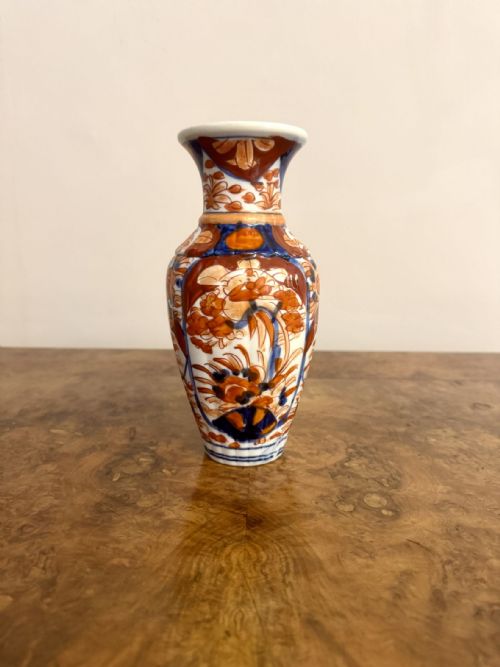
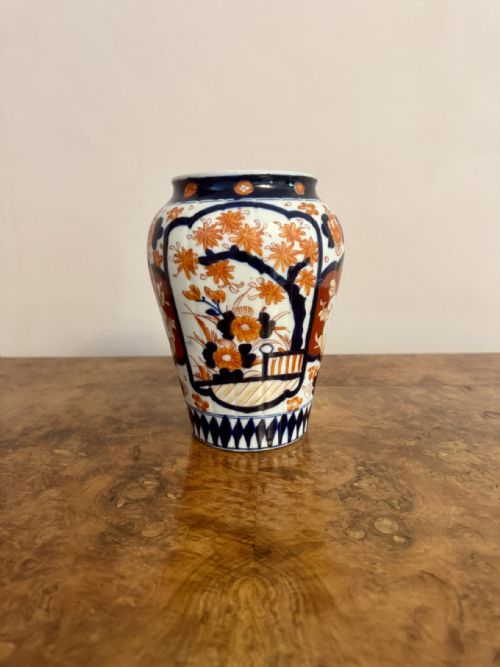
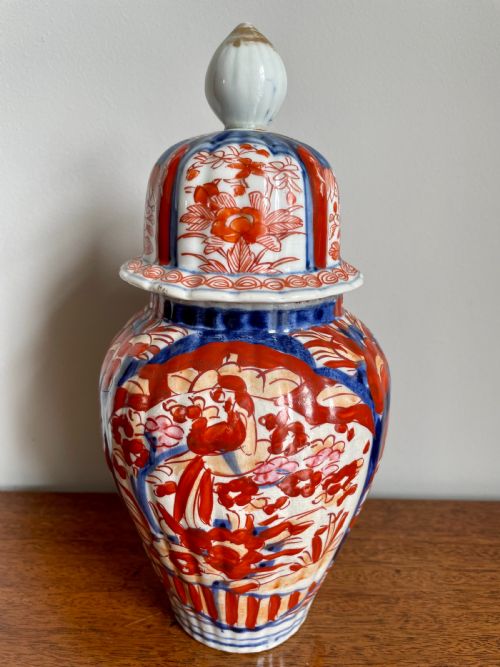
A vintage imari urn brings bold cobalt blue, rich iron-red and gold leaf into a room through centuries of ceramic tradition.

Vintage Imari Urn
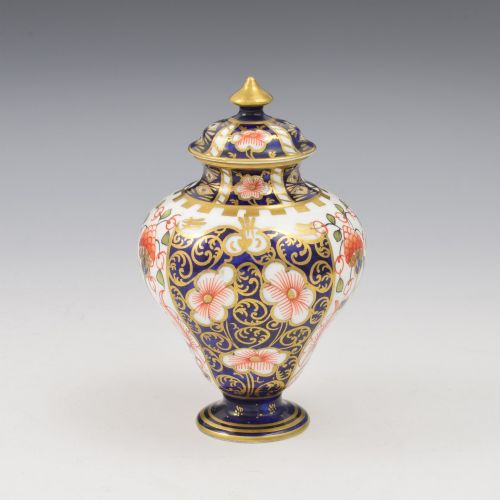
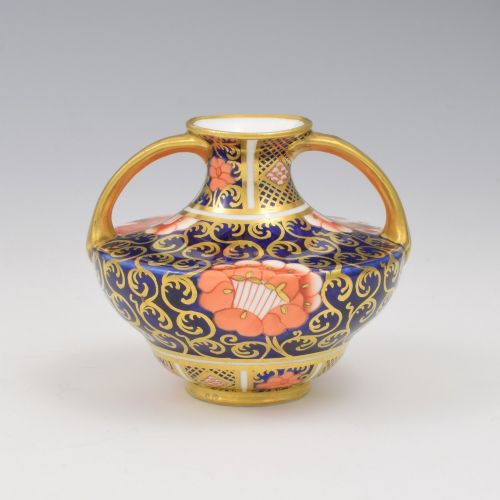
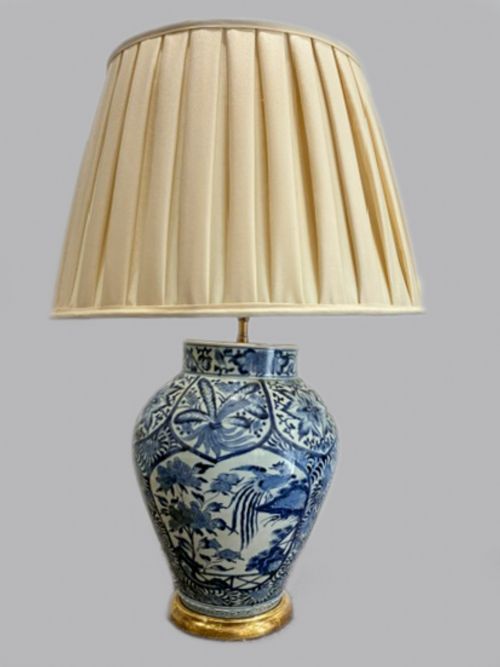
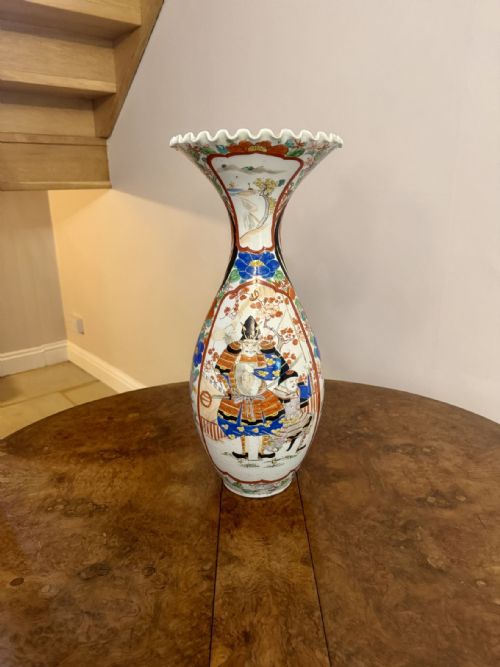
A vintage imari urn search reveals a diverse selection of decorative vessels spanning from the seventeenth century through to the Edwardian era. Buyers encounter everything from large floor standing vases and covered ginger jars to table lamps and miniature porcelain pieces.
Japanese examples dominate the selection, particularly from the Meiji period and Arita workshops, alongside British interpretations in porcelain and ironstone. These objects range from single display items and matched pairs to larger garniture sets.
How they were made
Potters shaped these vessels from porcelain and ironstone, applying underglaze cobalt blue and overglaze enamel colours together with gold leaf. Kiln firing fixed the foundational blues before artists added the characteristic iron-red and gilt details.
Certain pieces incorporate metal fittings such as brass mounts or silk elements, particularly when converted into lamps or paired with lids and covers. Ironstone variants utilise durable earthenware bodies finished with traditional glaze.
Vintage Imari Urn Retail Price Guide 2026
Typical asking prices for vintage imari urn among the pieces listed under this phrase on Sellingantiques today, from the lower quarter to the upper quarter. They describe what is for sale here now, not the wider market.
Listings span multiple centuries, including pieces from the 17th Century, 18th Century, Victorian, and Edwardian periods.
What varies in quality
Quality rests in the precision of the hand-painted brushwork and the vibrancy of the enamel and gold leaf application. Finer pieces display crisp botanical and geometric motifs that cover the ceramic body with deliberate artistry.
Scale and format also dictate standing, with large floor-standing examples and matched pairs or garniture sets commanding greater presence than single miniature vessels. The depth of the glaze and the clarity of the underlying porcelain form distinguish standard production from exceptional works.
Royal Crown Derby·Masons Ironstone·Fukagawa
The Vintage Imari Urn Glossary
- Imari
- A style of Japanese export porcelain originating from the port of Arita, traditionally decorated in cobalt blue, iron-red and gold. The aesthetic was later adopted by European potteries.
- Garniture
- A set of matching vases or jars designed to be displayed together on a mantelpiece or sideboard. These sets usually comprise three or more graduated pieces.
- Ironstone
- A heavy, durable type of ceramic patented in the nineteenth century as a tough alternative to porcelain. It takes enamel and gilt decoration readily.
- Meiji Period
- An era in Japanese history spanning from 1868 to 1912, known for prolific ceramic production aimed at international export markets.
Vintage Imari Urn: Frequently Asked Questions
How do I style a vintage imari urn at home?
Place a large floor-standing or table vase where the rich iron-red and gold leaf can catch natural light, away from direct heat sources.
Pair single vessels with complementary ceramics or let a matched pair anchor a sideboard to create a strong focal point in a traditional or eclectic interior.
Were these pieces made for export?
Many Japanese examples were produced specifically for Western markets in the nineteenth century, meeting a high European demand for East Asian aesthetics.
At the same time, British potteries created their own interpretations of the distinctive palette to satisfy local collectors.
How do I distinguish eighteenth-century pieces from later ones?
Look closely at the weight of the ceramic body, the formulation of the glaze, and the specific tones of the cobalt blue and iron-red pigments.
Earlier Japanese pieces often show distinct potting characteristics from the Arita kilns compared to mass-produced Meiji period or Edwardian items.
Can I use a converted lamp safely?
Many historical vases were fitted for electricity during the twentieth century to give fragile ceramics a practical function in modern homes.
Have any older wiring checked by a qualified professional before plugging the lamp in for daily use.