






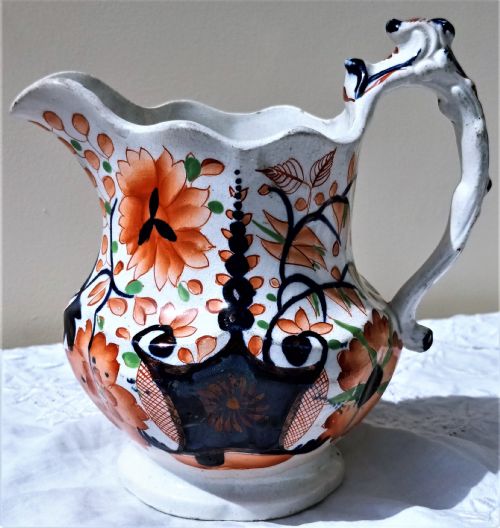


Vintage Imari Style China
Vintage imari style china brings together rich ironstone, bone china and porcelain adorned in deep cobalt blue, iron red and gilt.
Vintage Imari Style China
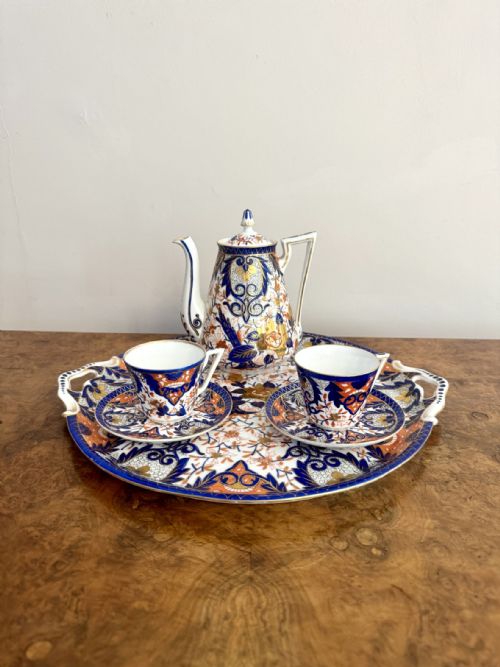
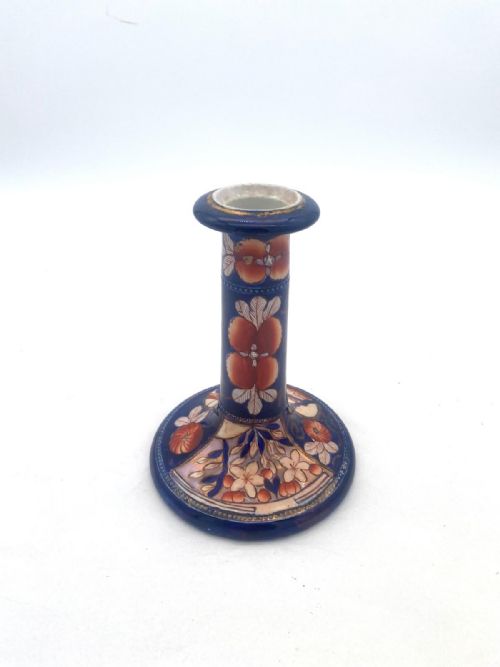
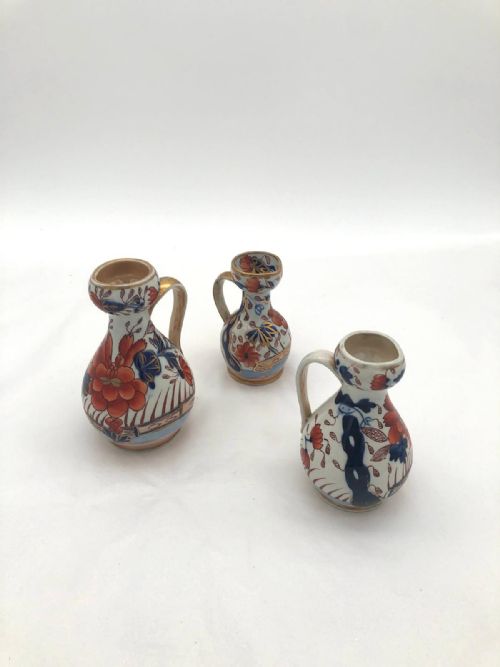
Vintage imari style china encompasses decorative plates, bowls, jugs, candlesticks and complete services produced across the nineteenth and early twentieth centuries. These items draw heavily on traditional Japanese aesthetic principles while reflecting the distinct manufacturing techniques of English potteries.
Buyers will most frequently encounter nineteenth century ironstone pieces alongside Edwardian porcelain teacups and serving dishes. The selection reflects both formal dining wares and individual display items featuring characteristic cobalt, iron red and gilt palettes.
What varies in quality
The crispness and precision of the hand-painted detailing dictate the distinction between standard production wares and exceptional pieces. Superior examples display sharply defined cobalt linework and meticulously applied gold leaf that remains vibrant across the glazed surface.
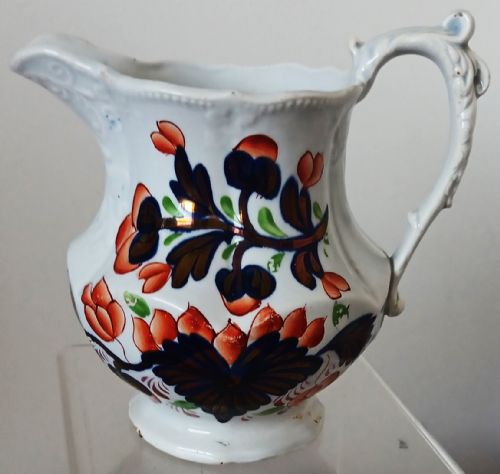
Form and moulding depth also separate ordinary domestic vessels from finer display items, particularly in moulded ironstone jugs and pierced serving trays. The balance of the palette and the harmonious distribution of enamel colours determine the visual weight of each object.
Vintage Imari Style China Retail Price Guide 2026
Typical asking prices for vintage imari style china among the pieces listed under this phrase on Sellingantiques today, from the lower quarter to the upper quarter. They describe what is for sale here now, not the wider market.
Listings feature periods from the 1850s through the Edwardian era, incorporating materials such as ironstone, bone china and gold leaf.
Royal Crown Derby·Masons Ironstone·Davenport
The Vintage Imari Style China Glossary
- Ironstone
- A dense, heavy ceramic body patented in the nineteenth century to provide a durable alternative to porcelain. It accepts heavy enamel decoration and gilt very successfully.
- Imari style
- A decorative scheme inspired by Japanese export porcelain, characterised by a restricted palette of cobalt blue, iron red and abundant gold leaf. English potteries reinterpreted these patterns extensively.
- Enamel
- Opaque coloured glass fused to the ceramic surface during a secondary firing to provide rich red, green and blue decorative details. It sits slightly raised above the clear glaze.
- Ashet
- A large flat platter or serving dish used for presenting joints of meat at the dining table. They frequently form part of larger nineteenth century dinner services.
Vintage Imari Style China: Frequently Asked Questions
Are these pieces safe for daily use?
While nineteenth-century ironstone and porcelain remain robust, historic glazes and enamels can contain trace metals. Many collectors prefer to reserve these items for display or gentle occasional service.
Use caution with pieces showing surface wear or fine crazing in the glaze. Modern acidic foods and hot liquids may discolour historic ceramic bodies over time.
How do I identify imari style patterns?
Look for the characteristic triad of deep cobalt blue, iron red and contrasting gilt highlights. Traditional motifs often incorporate floral arrangements, stylized fences and geometric borders.
English interpretations frequently blend Japanese compositional layouts with European shapes such as octagonal jugs, sauce tureens and handled dessert comports.
What periods do these ceramics span?
The pieces available range from the early nineteenth century through the Victorian and Edwardian eras. Earlier examples typically utilise heavy ironstone, whilst later items feature refined bone china.
Stylistic shifts reflect changing Victorian tastes and the enduring popularity of Japanese design influences following the opening of trade routes in the nineteenth century.