


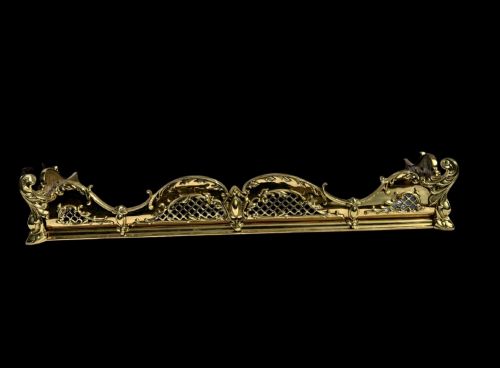
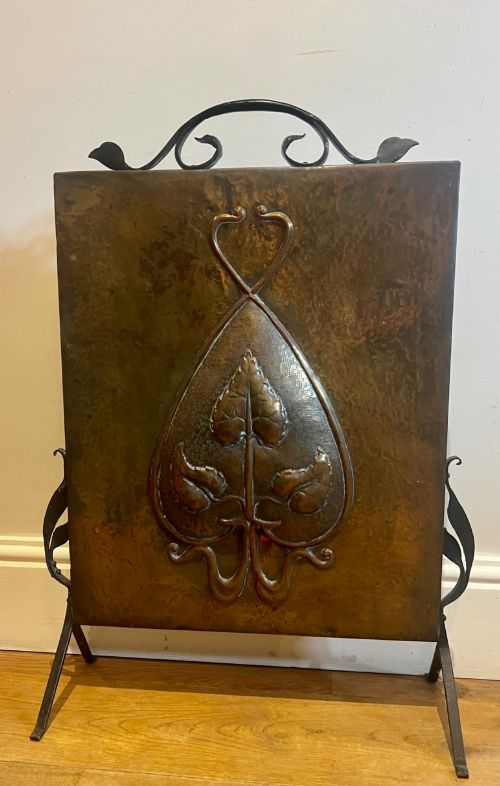
Vintage Hearth Fireguard
These vintage hearth fireguard designs combine functional mesh and metal frames with ornamental brass and copper work to protect rooms from stray sparks.
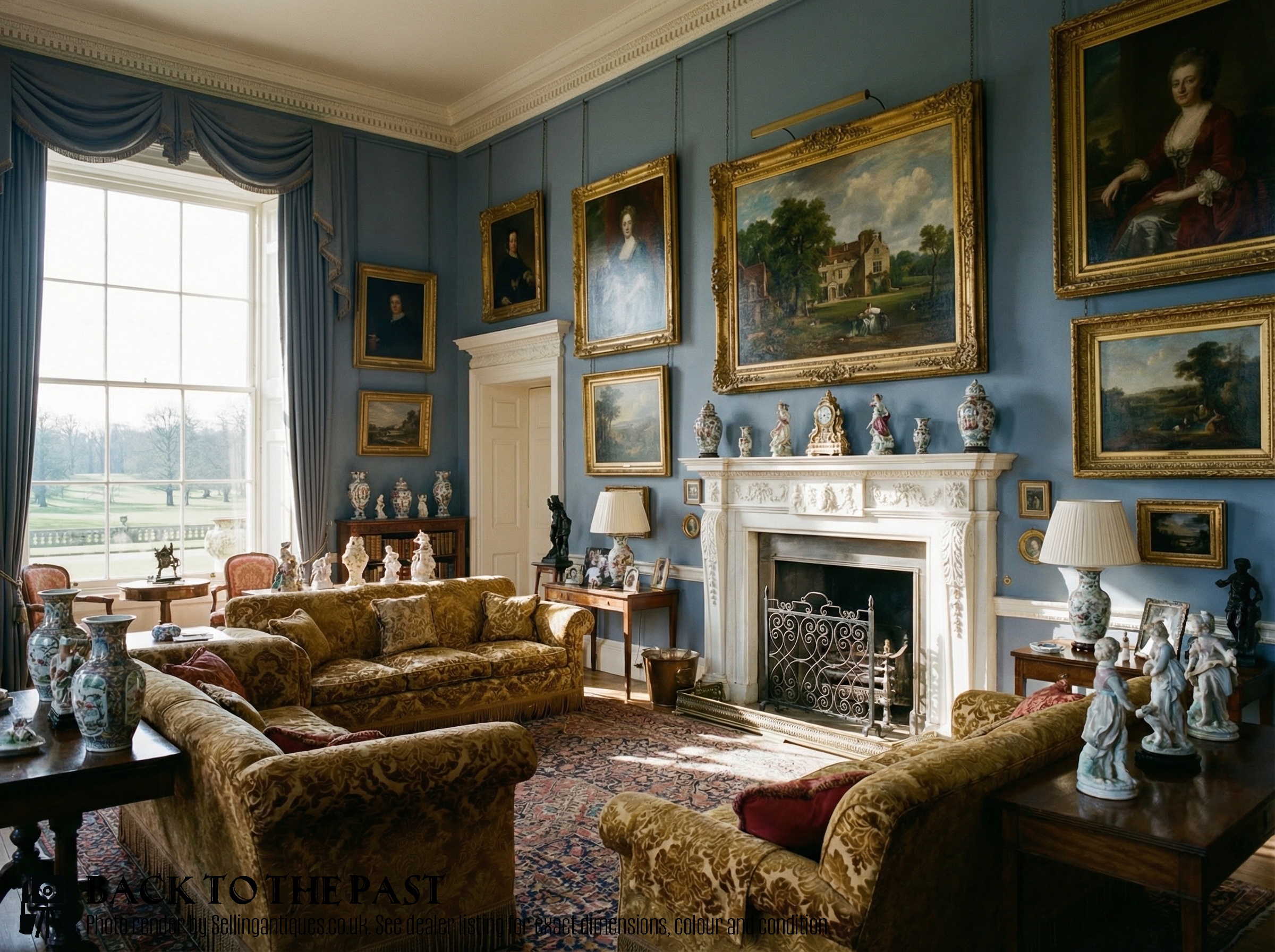
Vintage Hearth Fireguard
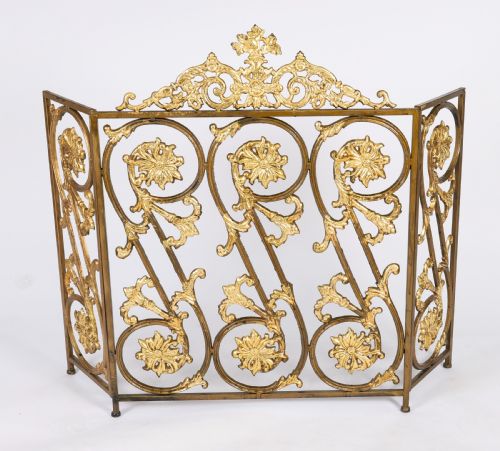
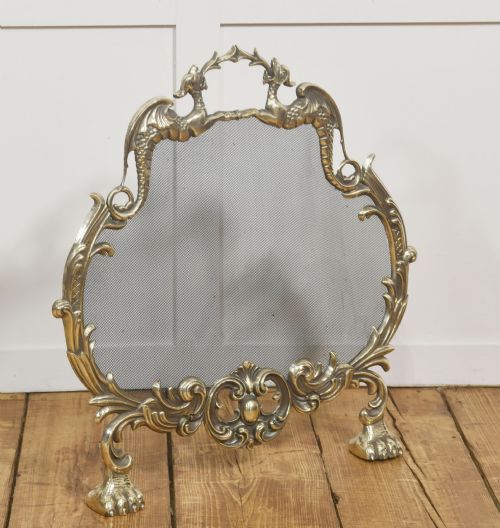
A vintage hearth fireguard encompasses protective screens, folding spark guards, and sturdy nursery fenders designed to contain open flames. These pieces span multiple periods, ranging from Georgian and Victorian examples to later Arts and Crafts and Art Nouveau interpretations.
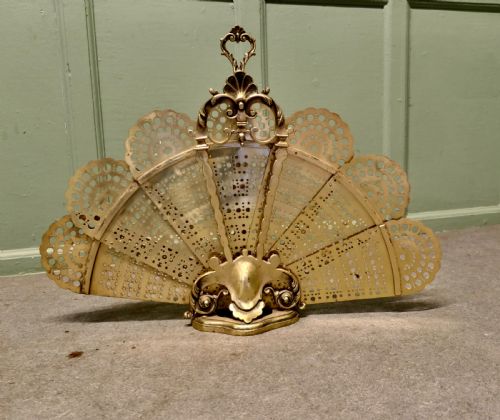
The selection on this page relies heavily on nineteenth-century and early twentieth-century designs. You will encounter folding brass peacock screens, wrought iron frames, and heavy nursery fenders equipped with rails.
Materials and construction methods
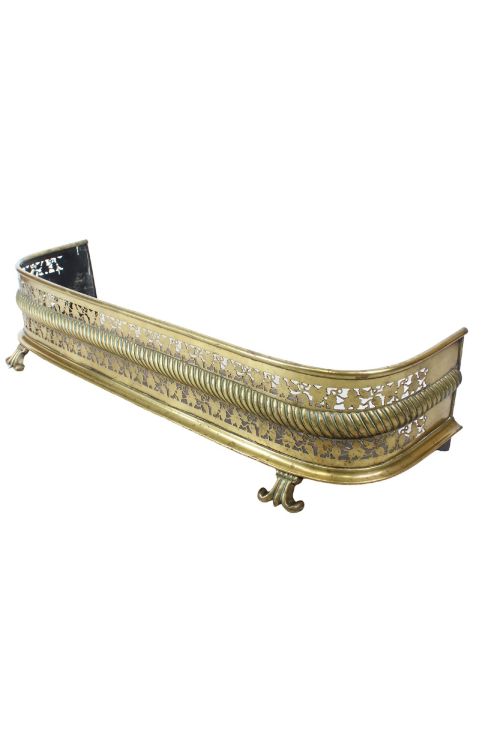
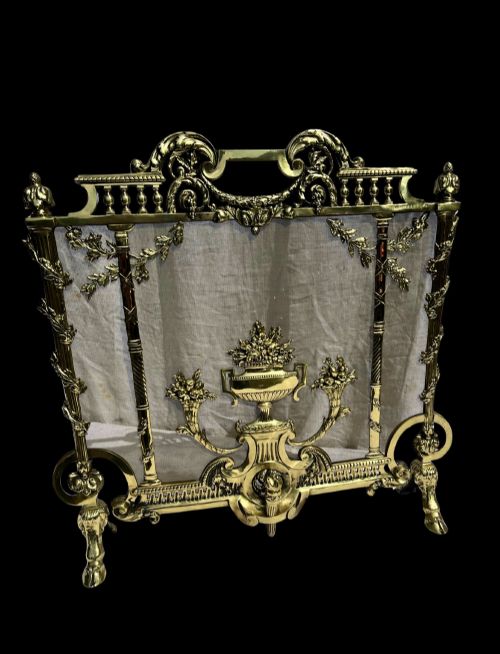
Makers utilised durable metals such as brass, copper, iron, and steel to construct the primary frames and protective mesh panels. Many pieces combine wire mesh with heavy cast or pierced brass ornamentation, incorporating decorative elements like flower patera and chased coats of arms.
A Dutch oak screen proudly displays a family Hubrecht coat of arms, proving that even a spark guard can possess noble ancestry.
Distinguishing quality in metalwork and screens
Quality rests upon the weight of the metal, the crispness of pierced or chased brass, and the structural integrity of folding hinges. Heavier gauges of iron and brass provide greater stability around an active hearth.
Refinement in decorative details separates standard production from finer pieces. Hand-worked copper panels, detailed floral or musical trophy castings, and well-executed needlework tapestries indicate superior craftsmanship.
The Vintage Hearth Fireguard Glossary
- Fire guard
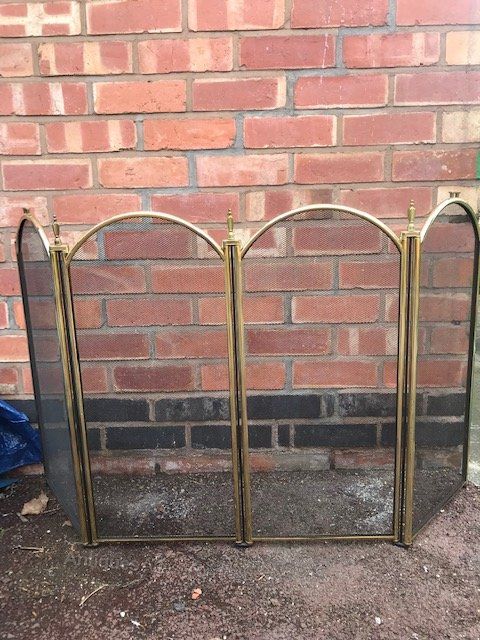
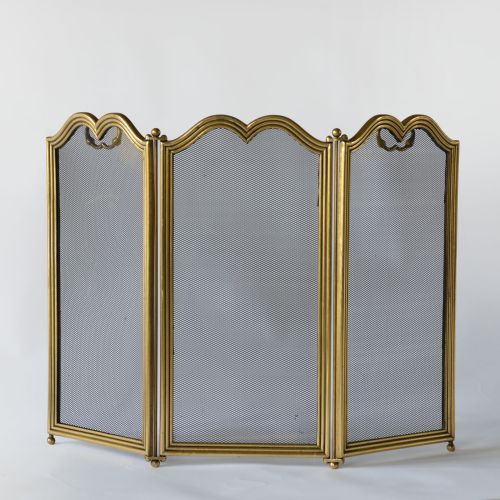
- A protective barrier placed in front of an open fireplace to catch stray sparks. These often feature folding wire mesh sections.
- Nursery fender
- A tall enclosure designed specifically to keep children and pets at a safe distance from burning coal or wood. Some examples include an integrated clothes rail.
- Fire screen
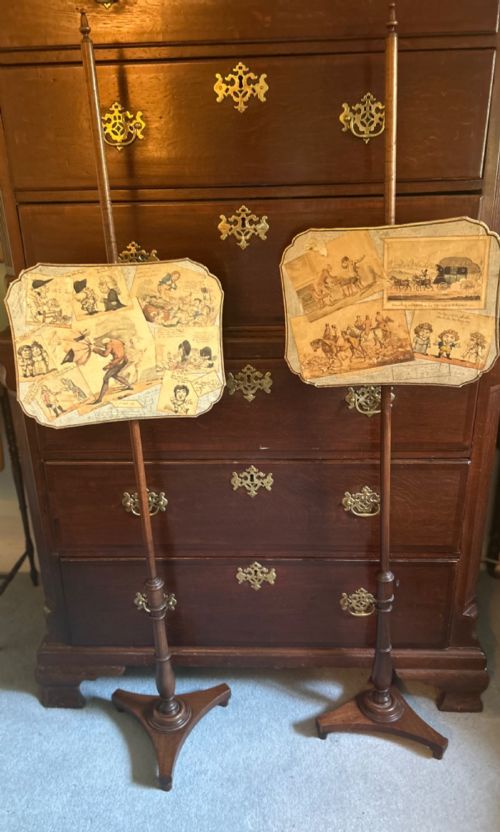
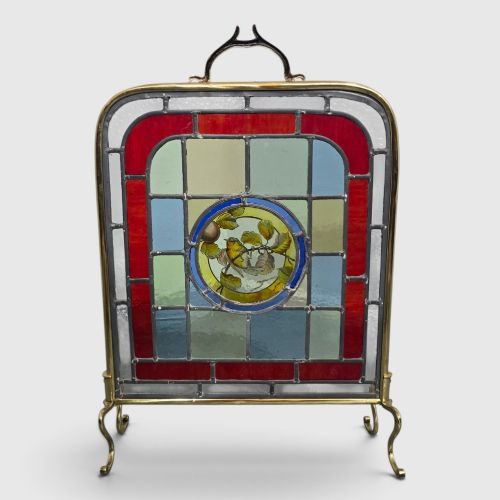
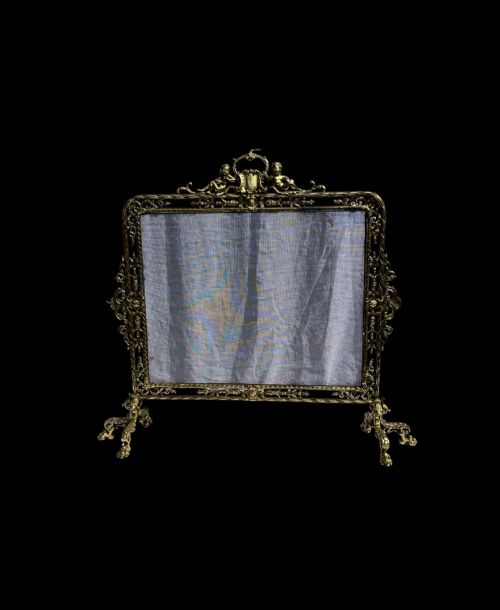
- A decorative panel placed before the hearth during warmer months when the fire is unlit. They often incorporate glass, tapestry, or painted panels.
- Curb fender
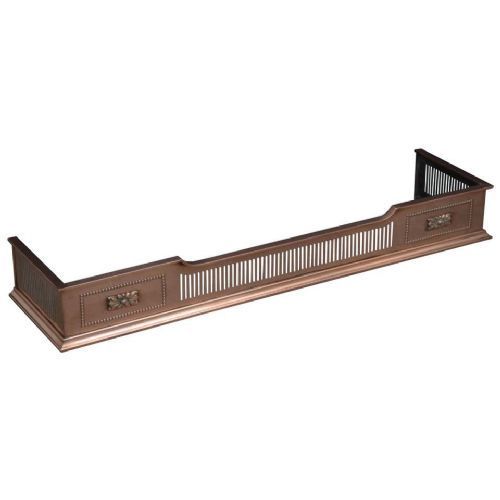
- A low metal barrier that fits tightly against the hearth floor to contain rolling embers. They are typically fashioned from brass, steel, or copper.
- Patera
- A circular ornamental bas-relief resembling a classical libation dish, frequently stamped onto Victorian brass and copper fenders.
Vintage Hearth Fireguard: Frequently Asked Questions
What is a nursery fender?
A nursery fender is a tall, protective metal enclosure designed to surround an active fireplace completely. It prevents young children and pets from getting too close to the flames or hot metal.
These pieces usually feature fine wire mesh and sturdy iron or brass frames. Some variations also include a built-in top rail for airing clothes.
How do I use a folding fire guard?
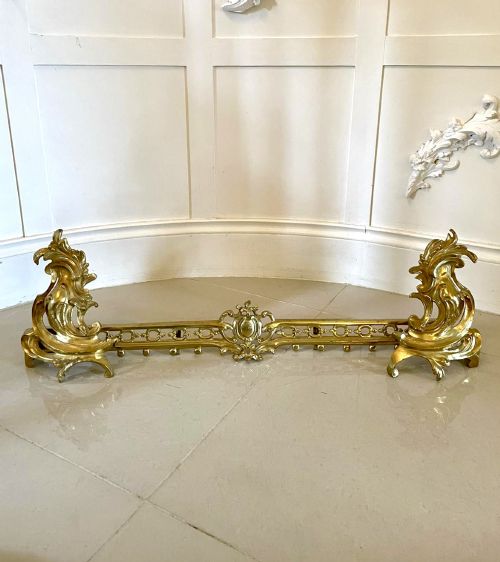
Folding fire guards utilise hinged sections of brass wire mesh or solid metal panels to adjust across hearth openings of various widths. You simply expand the wings outward to form a stable barrier against sparks.
When not in use, the panels fold flat for compact storage beside the fireplace.
How do I date a brass fire screen?
Dating relies on stylistic clues and manufacturing techniques visible in the metal and frame. Victorian pieces often display heavy pierced brass work and Rococo revival motifs, while later examples incorporate Art Nouveau curves or Art Deco sunbursts.
Examining the construction of hinges and the composition of the mesh also helps determine the era.
Can I use an antique screen with a modern fire?
Antique screens function effectively with modern hearths provided the dimensions match your fireplace opening. Mesh spark guards offer practical protection against popping embers from open fires.
Fragile decorative screens containing glass or tapestry are best reserved for unlit fireplaces during summer months.