





Cast Iron Fire Surround Curb
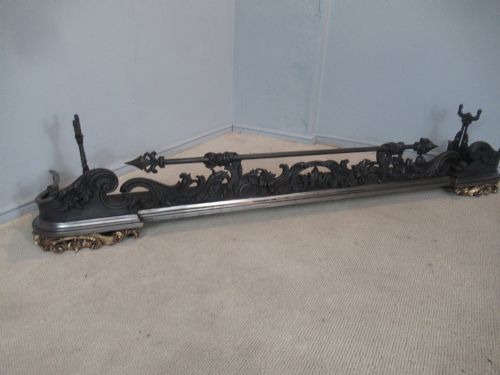
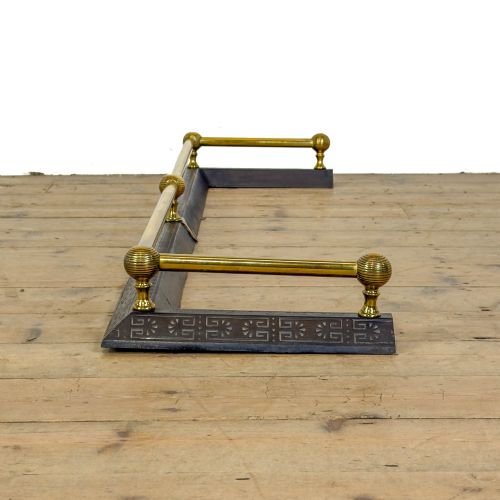
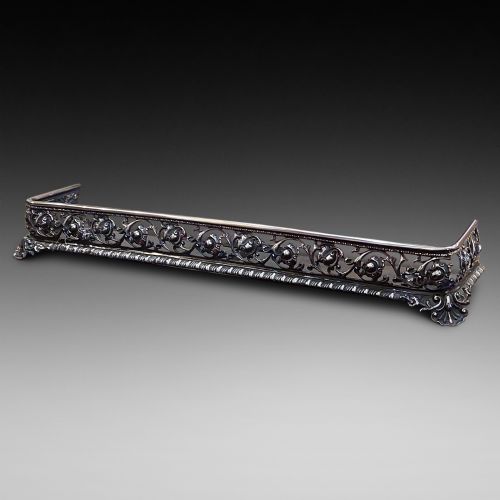
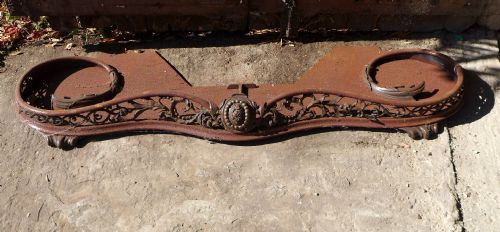
A cast iron fire surround curb anchors the hearth with heavy metal structure and decorative brass or steel work.
Cast Iron Fire Surround Curb
A cast iron fire surround curb protects the floor from stray embers while defining the hearth area. When searching for a cast iron fire surround curb, buyers encounter functional fireplace fenders designed to contain coal and ash.
The selections on this page span the 19th Century, Victorian, 1880, and Georgian periods, showcasing traditional hearth furniture. Most examples combine cast iron with contrasting metals to frame open fireplaces.
Forms include standard fireplace fenders and adjustable designs built to fit specific hearth dimensions. These accessories reflect the domestic architecture and heating habits of their respective eras.
How they were made
Manufacture relies on heavy metalworking techniques, utilising cast iron for structural bodies and foundations. Makers integrated wrought iron, steel, and bronze to add durability and varied textural weight to the pieces.
Decorative elements often incorporate brass, gilt-brass, and applied ornamentation fastened to the primary iron framework. These mixed-metal constructions required skilled foundry work and careful assembly of distinct components.
Cast Iron Fire Surround Curb Retail Price Guide 2026
Typical asking prices for cast iron fire surround curb among the pieces listed under this phrase on Sellingantiques today, from the lower quarter to the upper quarter. They describe what is for sale here now, not the wider market.
Many a Victorian hearth once echoed with the scrape of a heavy iron fender being dragged closer to the coals on a chilly evening.
What varies in quality
Quality depends on the precision of the metal casting and the crispness of any applied decorative detail. Finer examples display clean lines and well-fitted joints between the cast iron and contrasting brass or steel elements.
The choice of secondary materials influences the overall finish, with gilt-brass and bronze accents indicating higher-end production. Simpler iron and steel constructions prioritize utilitarian strength over elaborate ornamentation.
The Cast Iron Fire Surround Curb Glossary
- Fender
- A low metal guard placed in front of an open fireplace to contain falling coals and sparks. It sits directly on the hearth floor.
- Cast iron
- An iron-carbon alloy poured into moulds to create solid, heavy forms with decorative relief work. It provides the primary structure for many hearth accessories.
- Gilt-brass
- Brass treated with a gold-coloured finish or plating to enhance its visual brilliance. This material appears on decorative 19th-century mounts.
- Wrought iron
- Iron beaten and worked by hand while hot into durable shapes. It offers toughness and flexibility compared to brittle cast metal.
Cast Iron Fire Surround Curb: Frequently Asked Questions
What is a fire curb?
A fire curb is a low metal barrier placed around the hearth to keep burning fuel safely inside the fireplace.
These pieces also serve as a physical boundary between the fire and the room's flooring.
How do I measure for a fender?
Measure the width and depth of your hearth opening to ensure the curb fits the available floor space.
Some period examples feature adjustable frames to accommodate varying hearth dimensions.
How do I clean cast iron?
Dust the surface regularly with a soft brush and avoid using harsh chemical cleaners that strip the metal.
Applying a light coat of specialist wax helps protect iron and steel from moisture.
Are these fenders adjustable?
Certain period examples include sliding mechanisms that allow the width of the fender to be altered.
Fixed designs are built to single dimensions and cannot be resized.