


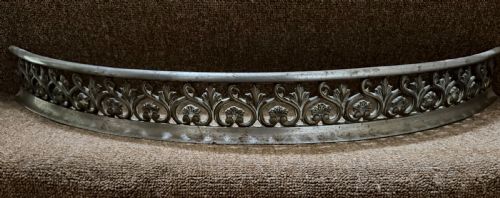


19th Century Hearth Curb
A 19th century hearth curb anchors the fireplace, framing the grate while protecting the floor from stray embers and ash.
19th Century Hearth Curb
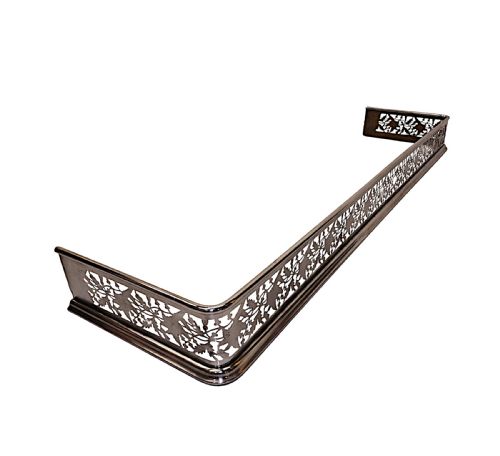
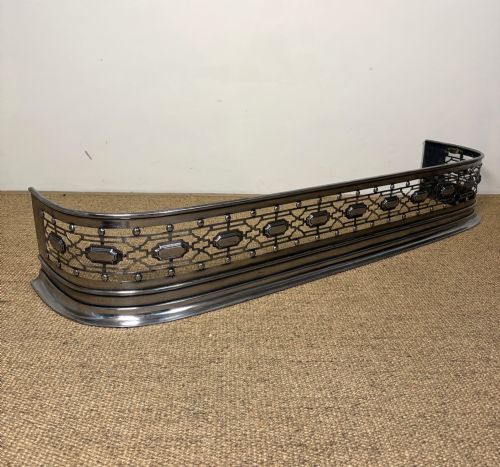
A 19th century hearth curb, frequently referred to as a fire fender, sits directly on the floor around the opening of a fireplace. These practical barriers corral coal and ash while completing the visual arrangement of the chimney breast. The pieces span several distinct periods, taking the form of low metal frames designed to fit hearths of varying dimensions.
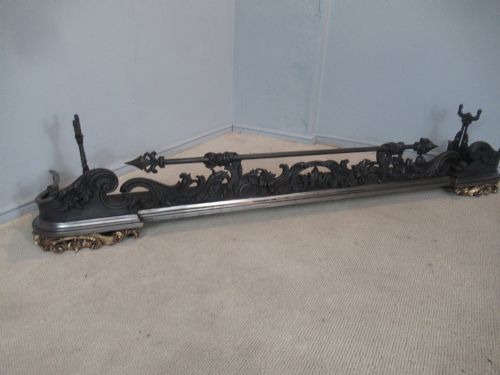
Most examples encountered here originate from the Victorian era or the Regency period, with designs ranging from plain utility to elaborate neoclassical ornamentation. Makers utilised various metals to suit the interior tastes of the 19th century, producing adjustable models, curved profiles and straight guards. Buyers select these items to restore period accuracy to a working fireplace or to introduce metallic texture to a room.
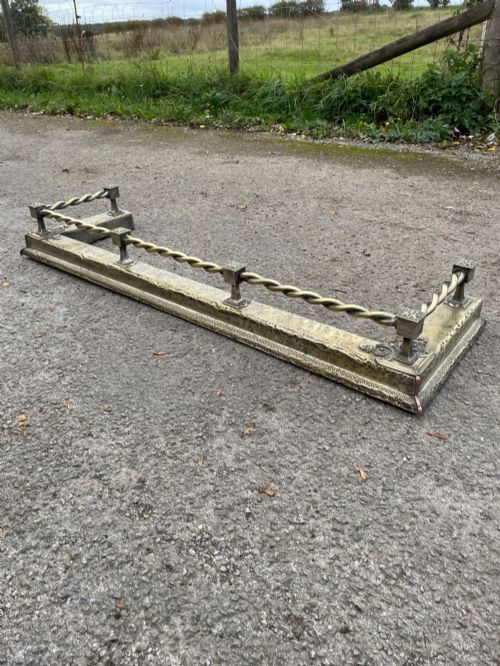
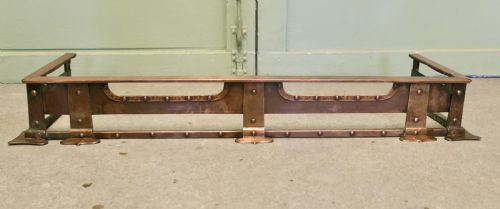
Object types on this page include both simple fireplace accessories and substantial surrounds in iron, brass and steel. Styles encompass Arts and Crafts, French Rococo and Neoclassical derivations, showing how domestic hearth furniture evolved across the century. The selection prioritises metalwork from the 1800s, reflecting the industrial capabilities and stylistic shifts of the epoch.
How they were made
Blacksmiths and metalworkers forged these pieces using heavy iron and steel, often combining materials to contrast dark frames with bright metallic trim. Cast iron provided sturdy structural integrity, while polished steel and burnished finishes offered reflective surfaces that caught the light of the fire. Riveting joined separate sections together, particularly in utilitarian or robustly styled examples.
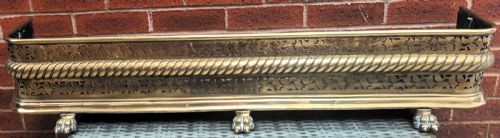
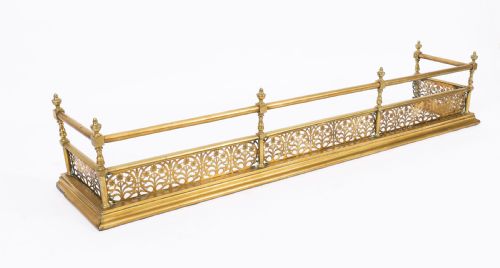
Brass and bronze elements appeared frequently, shaped through casting and piercing techniques to create intricate openwork patterns, floral motifs and classical garlands. Gilt-brass and copper added warmth to the composition, while heavy gauge construction ensured the metal withstood the daily movement of tending a fire. Skilled artisans finished the surfaces by hand, polishing the brass or burnishing the steel to a high lustre.
19th Century Hearth Curb Retail Price Guide 2026
Typical asking prices for 19th century hearth curb among the pieces listed under this phrase on Sellingantiques today, from the lower quarter to the upper quarter. They describe what is for sale here now, not the wider market.
A few curbs feature hidden dragons alongside conventional floral garlands, keeping watch over the hearth.
What varies in quality
The distinction between standard utility guards and superior pieces rests on the weight of the metal gauge and the crispness of the casting. Heavier brass and thicker iron plates indicate substantial manufacture, whereas lighter constructions bend or show wear more readily under daily use. Superior examples display precise joinery and substantial thickness throughout the frame.
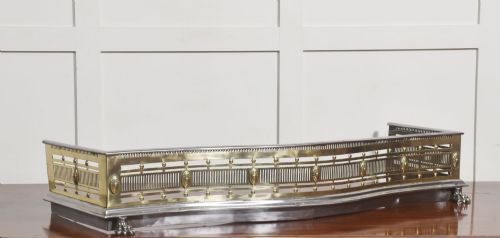
Finishing detail separates the ordinary from the exceptional, visible in the hand-chiselled depth of floral and dragon motifs or the refinement of pierced brass panels. Pieces bearing the influence of specific design traditions, such as Adams-style Neoclassicism, exhibit greater attention to proportion and decorative harmony. The integrity of original surfaces, whether burnished steel or polished brass, dictates the aesthetic standing of the object.
The 19th Century Hearth Curb Glossary
- Fender
- A low metal guard placed in front of a fireplace to contain embers and protect the hearth rug. These items form the primary category of metal hearth furniture found on this page.
- Burnished steel
- Steel that has been polished by friction to achieve a smooth, highly reflective finish. This surface treatment was popular for catching and reflecting light from the hearth flames.
- Pierced brass
- Sheet brass that has been cut through with decorative apertures, forming patterns such as lattices or scrolling foliage. It lightened the visual weight of the metal while adding ornamentation.
- Neoclassical
- A style drawing inspiration from classical antiquity, characterised by symmetrical geometry, urns and classical foliage. Adams-style designs fall under this broader aesthetic category.
- Extending fender
- A metal guard constructed in telescoping sections to fit variable hearth widths. This adjustable design allowed a single guard to adapt to different fireplace openings.
19th Century Hearth Curb: Frequently Asked Questions
What is a hearth curb?
A hearth curb is a metal barrier placed on the floor around a fireplace opening. It acts as a physical boundary between the fire and the room.
These pieces stop burning fuel and ash from rolling onto wooden floorboards or carpets. They also provide a finished look to the fireplace surround.
How do I measure for a fender?
Measure the width and depth of the hearth space where the fireplace meets the room floor. Ensure you account for the projection of the surround or mantel.
Fenders sit directly on the floor around the hearth stone. Some models offer adjustable or extending frames to fit specific dimensions.
Were these used with coal or wood?
19th century hearth curbs accommodated both coal and wood fires, depending on the grate installed within the fireplace. Coal grates were particularly common in Victorian parlours.
The metal construction withstood the intense heat produced by burning coal and logs. The low barrier prevented stray embers from escaping onto the room's floor coverings.
How do I clean nineteenth century brass?
Clean nineteenth century brass gently with a soft cloth to remove surface dust and accumulated soot. Avoid abrasive compounds that strip away historical patination.
Many collectors prefer leaving a settled, darker patina on older metalwork. If polishing is necessary, use a mild formulation suited to antique metals.