

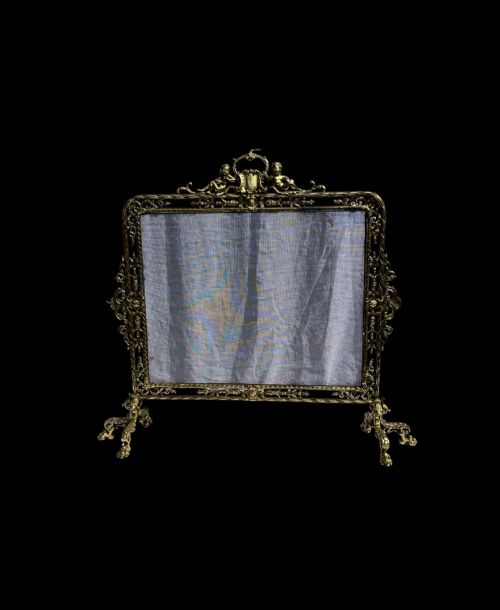
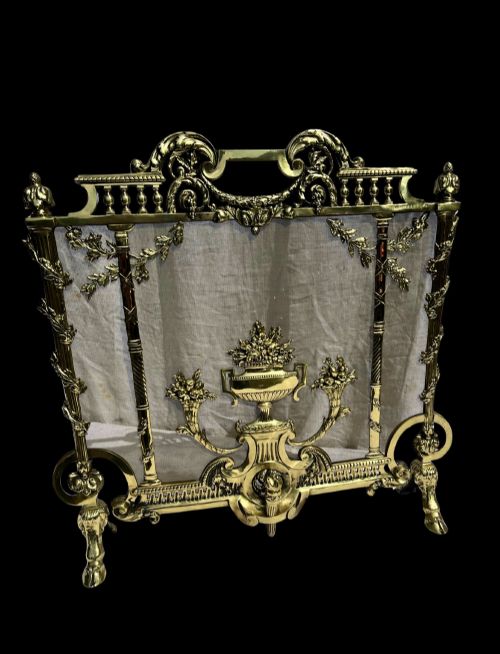
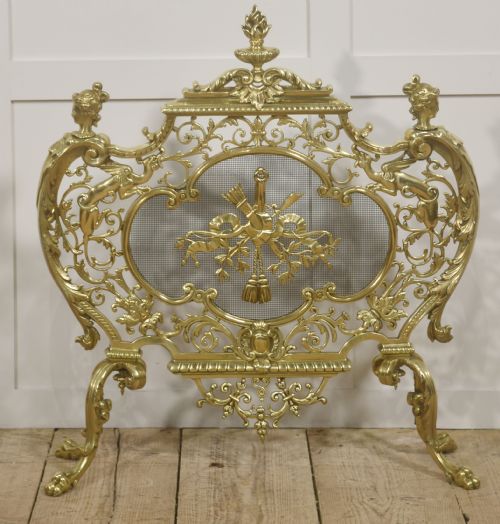


Victorian Metal Fireguard
These Victorian metal fireguards protect rooms from wandering sparks while bringing period brass, copper and ironwork right to the hearth.
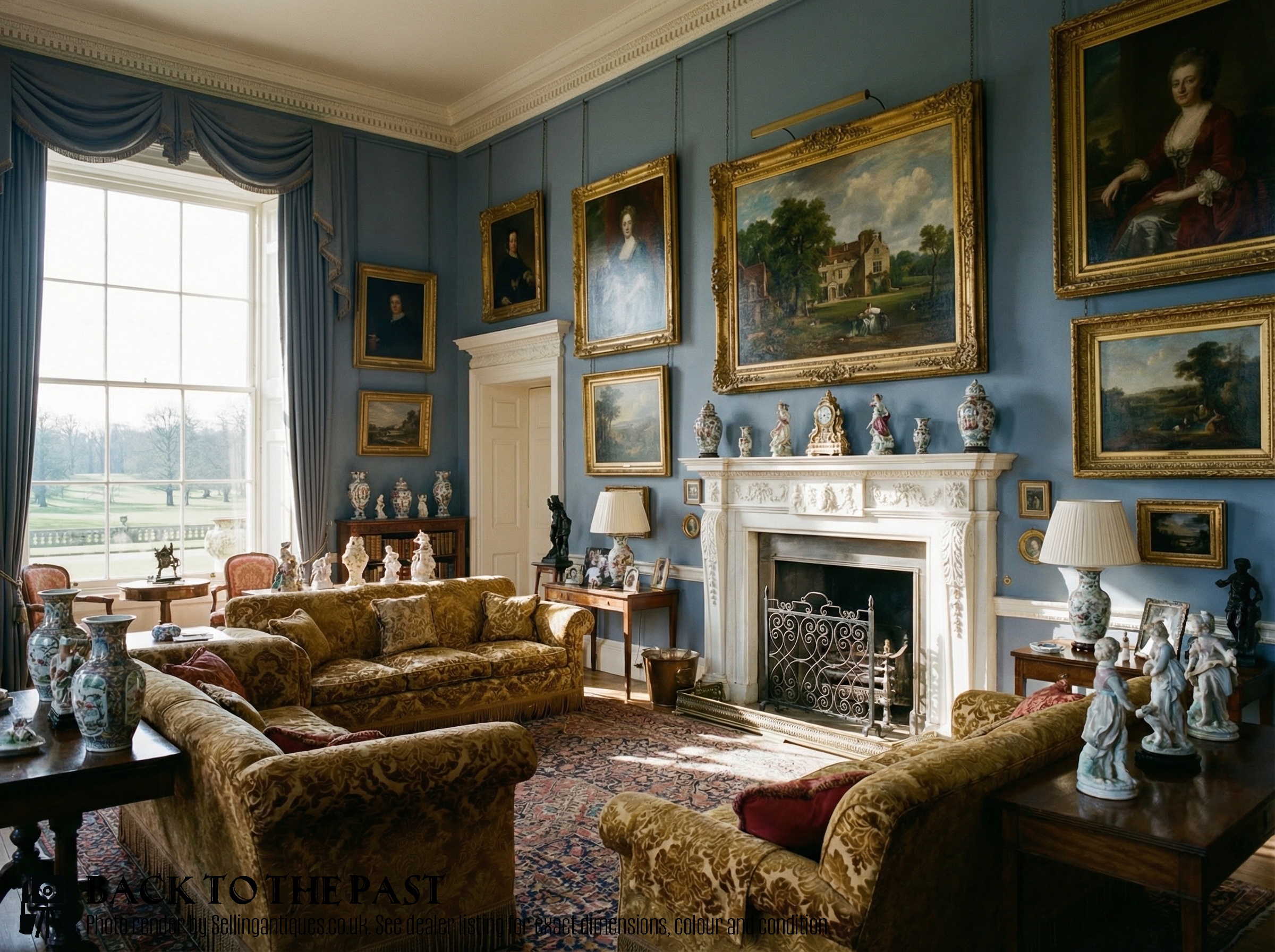
Victorian Metal Fireguard
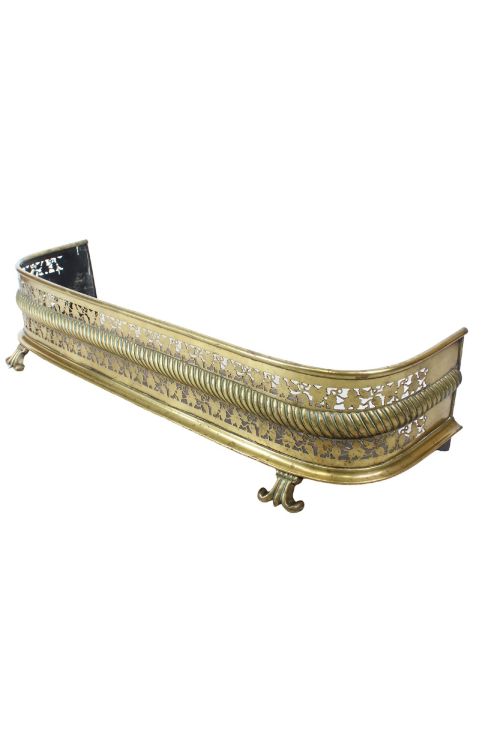
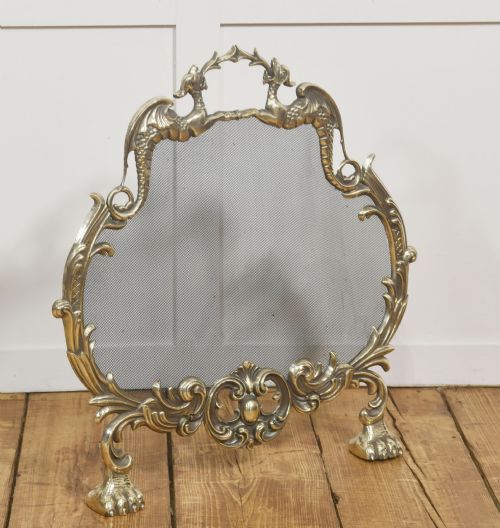
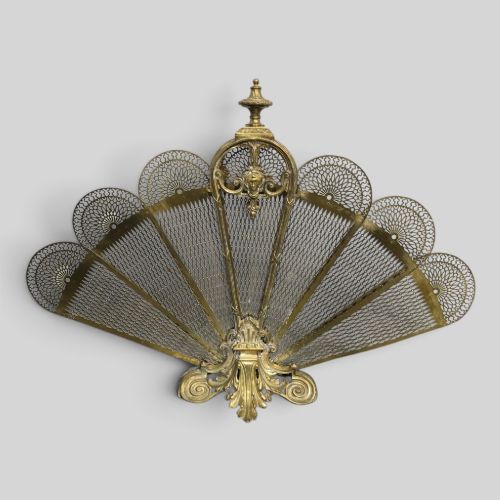
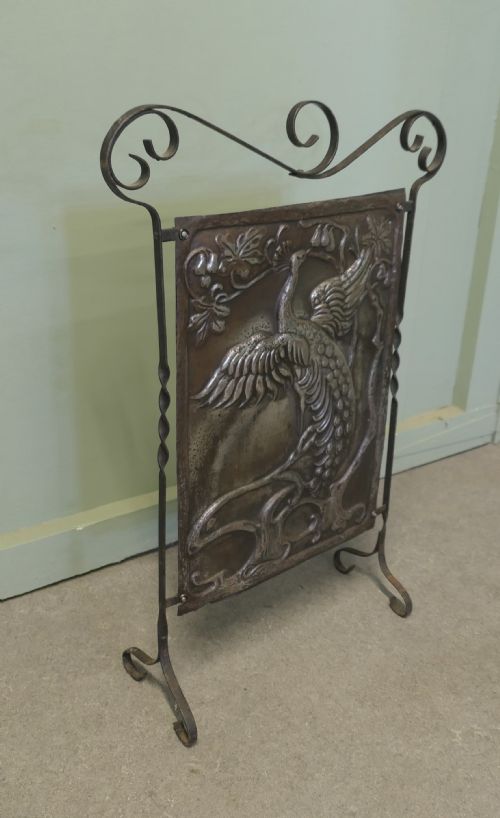
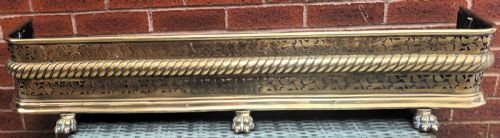
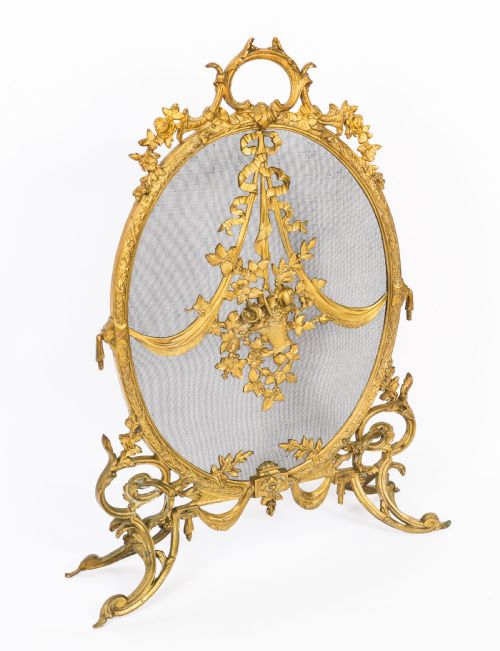
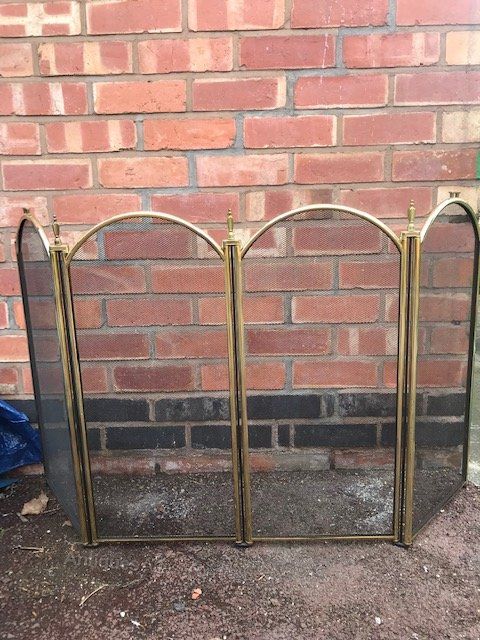
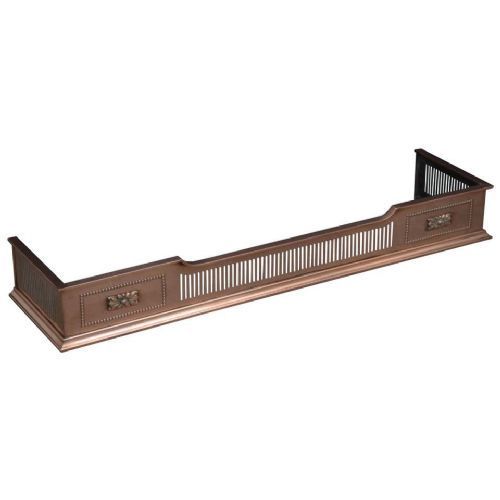
A victorian metal fireguard encompasses folding screens, heavy mesh nursery guards and pierced fenders designed to sit before an active hearth. The listings show forms ranging from simple wire mesh frames to elaborate peacock screens and embossed panels.
Brass and copper predominate alongside wrought iron and steel, spanning the nineteenth century into the early twentieth century. Buyers encounter folding four-section guards, gate-fronted designs and screens integrated with companion sets.
Styles stretch from French Rococo Revival and Gothic Revival to Arts and Crafts, reflecting both ornate Victorian tastes and later functional movements. Many pieces incorporate decorative brass top rails, flower patera and chased coats of arms.
How they were made
Metalworking techniques combine pierced sheet brass, hammered copper panels and heavy forged wrought iron. Smiths and metalworkers utilised wire mesh for nursery guards and riveted frames for folding sections.
Decoration relies on embossing, chasing and polishing, with applied brass details and black finishes providing contrast. Oak mounts and brass rails appear on specific panels and fenders.
Certain heavy iron fireguards doubled as laundry drying stations via attached clothes rails.
What varies in quality
The distinction rests on the weight of the metal, the depth of the piercing and the hand-chased detail on copper and brass panels. Lighter wire mesh guards prioritize functional safety, whereas heavy wrought iron and ornate cast or pierced brass demonstrate greater artisan skill.
The integrity of folding hinges, the crispness of embossed motifs like flower patera, and the presence of integrated companion sets or clothes rails elevate certain examples above standard hearth accessories.
The Victorian Metal Fireguard Glossary
- Fire screen
- A movable panel placed in front of a fireplace to block radiant heat when the fire is low. These often feature brass frames and decorated copper inserts.
- Nursery fender
- A tall protective metal barrier designed to keep children and clothing safely away from open flames. They frequently utilise wire mesh or sturdy iron bars.
- Patera
- A circular ornamental bas-relief resembling a classical libation dish. Victorian makers often applied these flower motifs to copper and brass fenders.
- Chased work
- Metal ornamentation beaten and pushed from the front using punches to create raised surface designs. This method appears on embossed brass and copper panels.
Victorian Metal Fireguard: Frequently Asked Questions
What is a nursery fender?
A nursery fender is a taller metal safety guard designed to encircle the hearth and keep children away from open fires. They often incorporate wire mesh or iron bars.
Many examples also include built-in clothes rails for drying garments by the hearth.
How do I clean an antique brass fire screen?
Antique brass screens benefit from gentle dusting and occasional cleaning with appropriate metal care products to maintain the surface. Avoid abrasive pads that scratch the original finish.
Preserving the aged patina is often preferable to achieving a bright, modern shine.
Can I use these screens with a real fire?
Most metal fire screens and mesh guards were built precisely to contain sparks and protect rooms from an open hearth. Heavy iron and wire mesh versions handle active fires safely.
Fitted folding sections allow you to adjust coverage around the fireplace opening as needed.
What is the difference between a fender and a screen?
A fender sits directly on the floor around the hearth perimeter to contain logs and ash within the fireplace zone. They frequently include brass top rails or pierced metal plates.
A screen stands upright to block radiant heat and flying sparks from entering the room, often featuring decorative copper or brass panels.