



Black Wrought Iron Guard
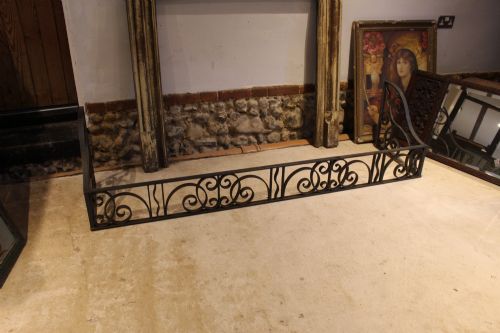
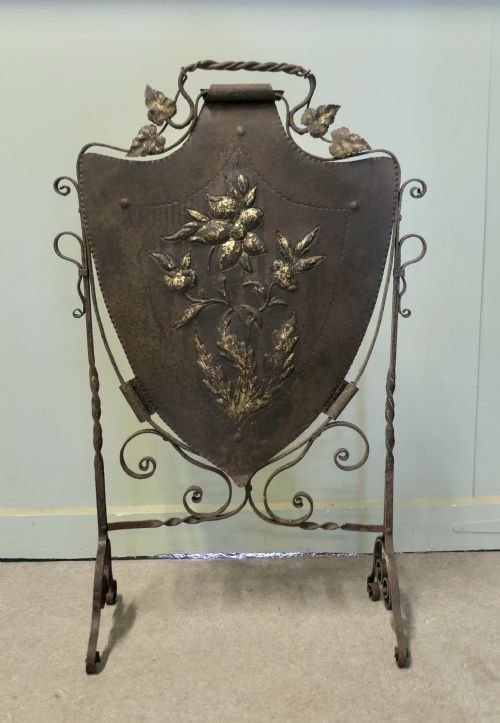
A black wrought iron guard brings heavy metalwork and practical hearth safety together in the home, keeping wandering sparks away from the room.
Black Wrought Iron Guard
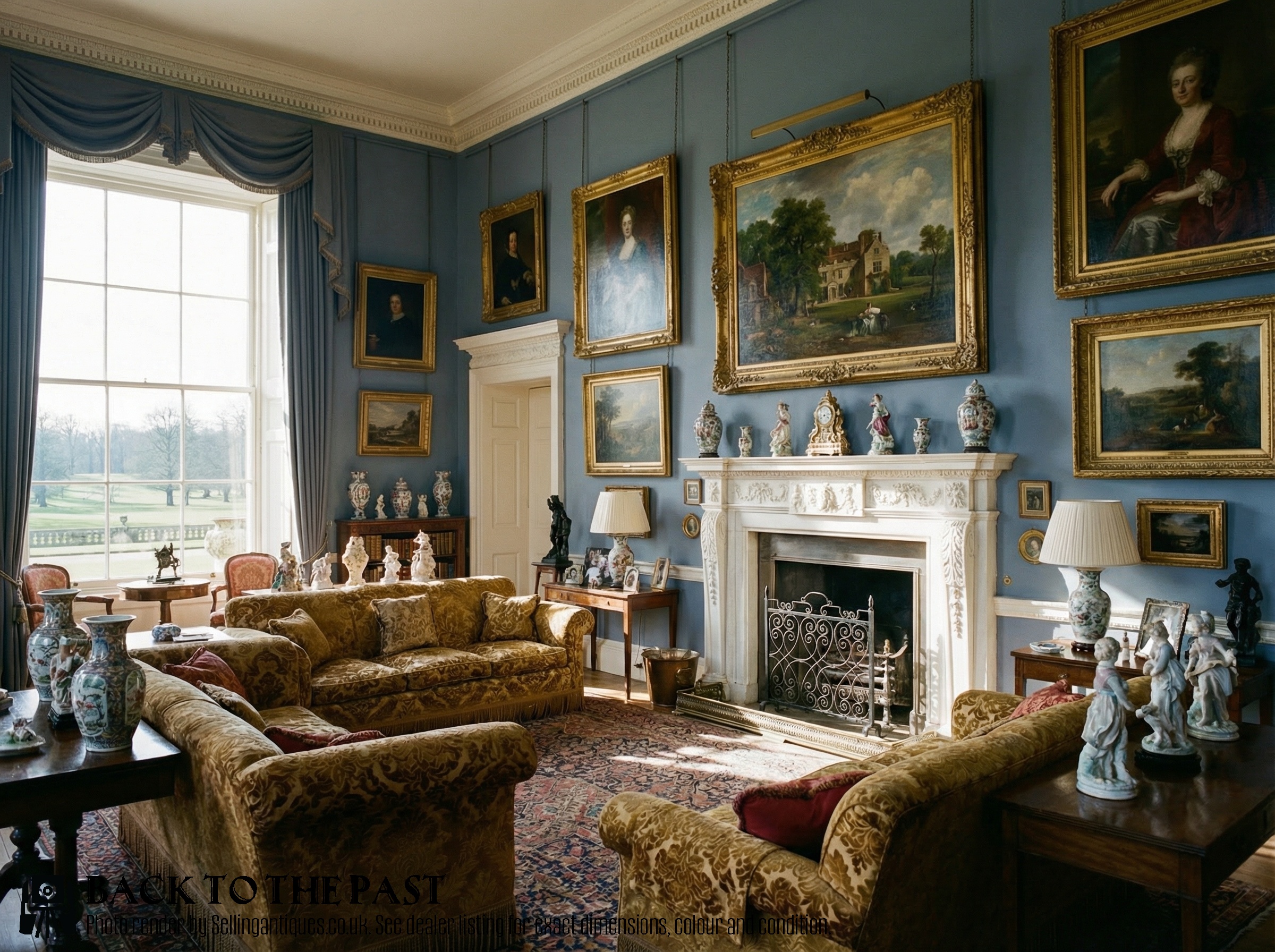
A black wrought iron guard serves as a protective barrier around domestic fireplaces, stopping stray embers from reaching the floorboards. Buyers searching for a black wrought iron guard encounter various forms such as tall folding fireguards, nursery fenders, and solid screens.
The pieces on this page span several distinct eras, stretching from the Regency period and the Victorian age through to the Edwardian years and the nineteen-twenties. These functional hearth accessories appear in styles ranging from severe Gothic Revival to simple Arts and Crafts designs.
Makers fashioned these guards to suit different domestic needs, from low nursery fenders designed to keep children safe to large country house screens meant for cavernous hearths. Iron, steel mesh, and wirework dominate the selection, often paired with brass or oak details.
Construction and materials
Black wrought iron forms the structural backbone of these guards, shaped through traditional blacksmithing techniques to create sturdy frames and decorative scrollwork. Makers incorporated wire mesh, iron mesh, and steel mesh panels to catch sparks while maintaining visibility of the flames.
Certain examples integrate supplementary materials like brass, gilt, and oak to soften the industrial appearance of the bare metal. These components are joined using period methods such as riveting and framing to ensure structural integrity under daily heat.
Black Wrought Iron Guard Retail Price Guide 2026
Typical asking prices for black wrought iron guard among the pieces listed under this phrase on Sellingantiques today, from the lower quarter to the upper quarter. They describe what is for sale here now, not the wider market.
Listings feature items spanning the nineteenth century through the nineteen-thirties, incorporating iron, wire mesh, brass, and oak.
Assessing quality and build
The distinction between standard utility guards and finer examples lies in the weight of the metal and the precision of the blacksmith's handiwork. Heavier frames with tight, even wirework demonstrate superior construction compared to lighter, purely utilitarian pieces.
Design complexity also marks out the better specimens, where Gothic Revival tracery or careful Arts and Crafts folding mechanisms show thoughtful execution. The integration of secondary materials like brass or oak further elevates the character of the hearth furniture.
The Black Wrought Iron Guard Glossary
- Fire guard
- A protective barrier placed in front of an open fireplace to contain sparks and ash. These items range from simple wire mesh screens to heavy iron frames.
- Nursery fender
- A low metal barrier that encircles the hearth specifically to prevent young children from getting too close to the fire. Many include integrated rails.
- Wrought iron
- Iron that has been heated and shaped with hand tools by a blacksmith. This material possesses a fibrous texture and high resistance to fatigue.
- Gothic Revival
- An architectural and decorative style drawing on medieval forms, featuring pointed arches and heavy geometric tracery. This aesthetic appears frequently on nineteenth-century hearth screens.
- Club fender
- A large hearth fender featuring upholstered seats on either side. These items combine seating with traditional fireplace protection.
Black Wrought Iron Guard: Frequently Asked Questions
What is a nursery fender?
A nursery fender is a low perimeter guard designed to keep children at a safe distance from an active fireplace. They often feature an elevated rail and fine mesh.
Unlike standard flat fire screens, these guards enclose a larger footprint around the hearth area. This provides all-round protection in busy domestic spaces.
How do I date an iron fire screen?
Dating relies upon stylistic clues such as Gothic Revival motifs, Arts and Crafts simplicity, or Edwardian proportions. Material combinations also offer chronological hints.
Heavier hand-forged elements typically point towards the nineteenth century. Lighter mesh construction and specific decorative flourishes align with later decades.
Are these guards suitable for modern fireplaces?
These historical pieces fit contemporary hearths provided the dimensions match the opening. They offer practical spark protection alongside traditional decorative value.
Buyers should measure both the width of the fireplace surround and the surrounding floor space. Folding guards offer flexibility for different room layouts.
What maintenance does wrought iron require?
Wrought iron needs minimal upkeep beyond occasional dusting with a dry cloth. Avoiding damp environments prevents surface oxidation from forming.
Applying a light protective wax can help preserve the dark finish of the metal. Keep abrasive cleaners away from the treated surfaces.