



Vintage Harbour Canvas
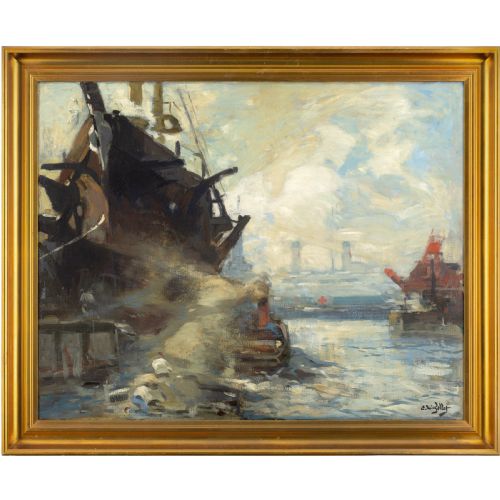
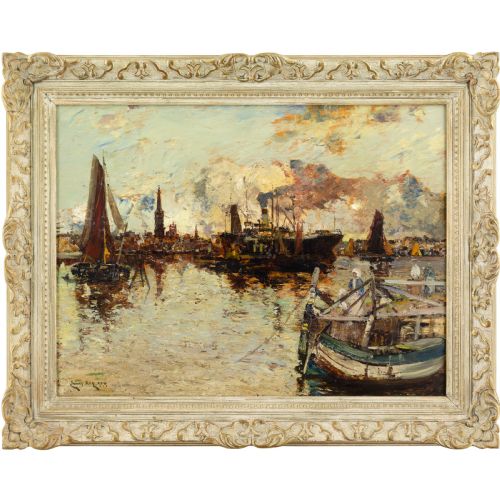
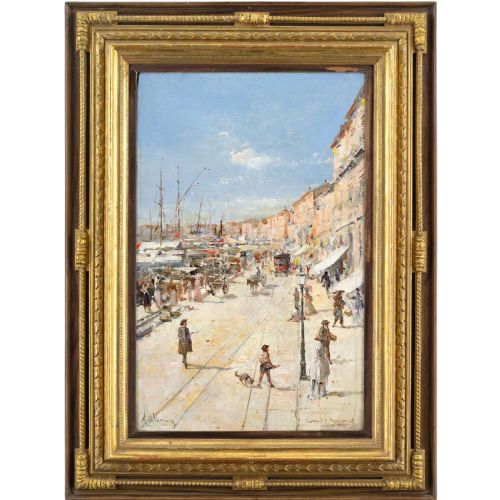
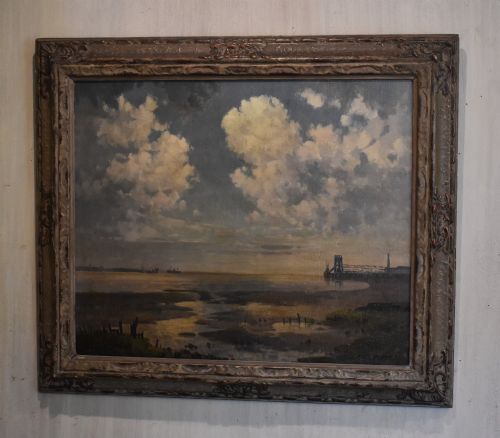
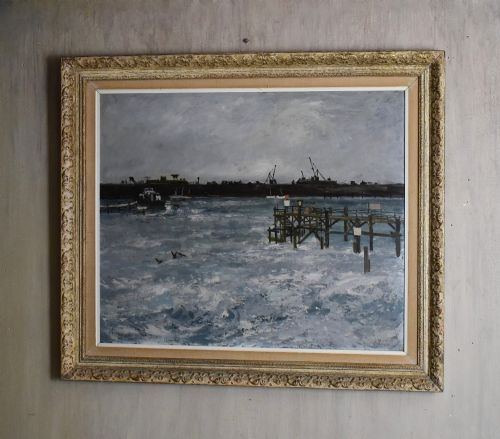
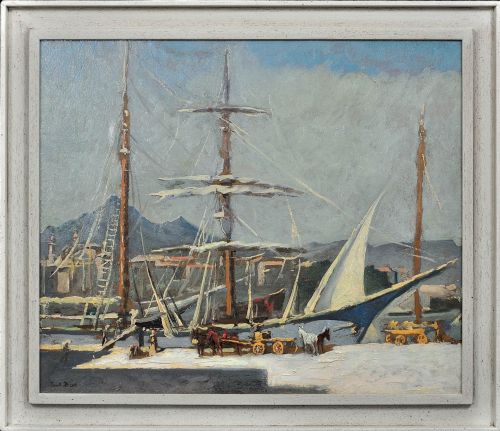
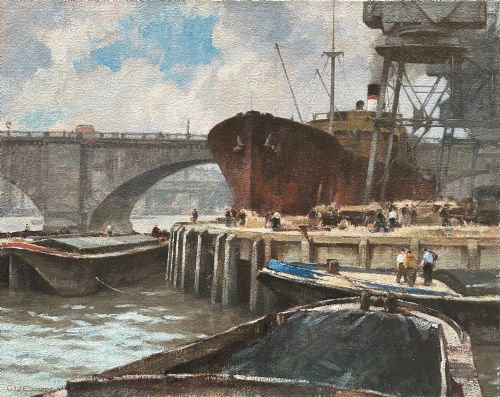
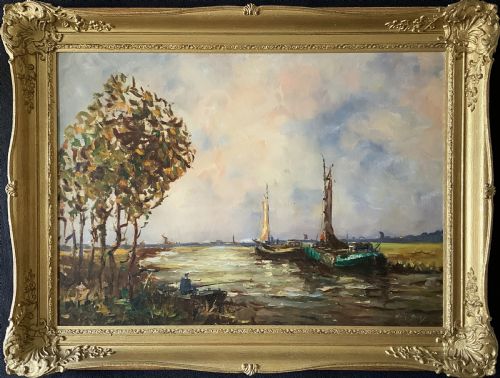
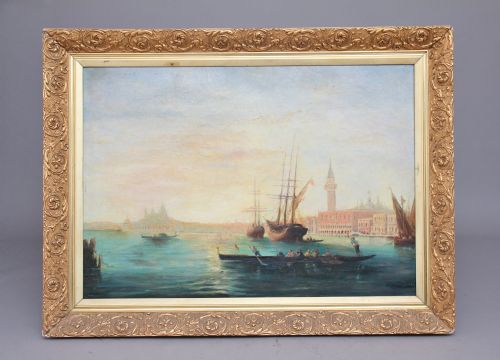
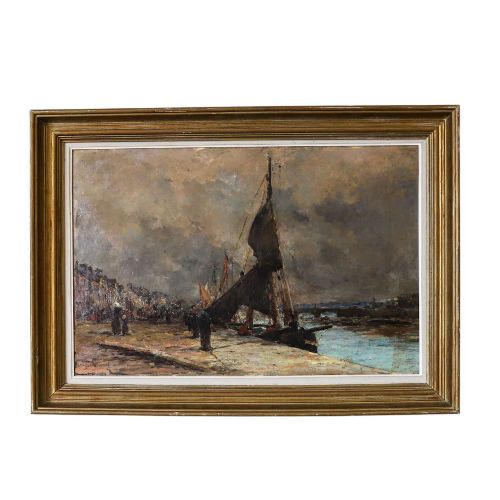
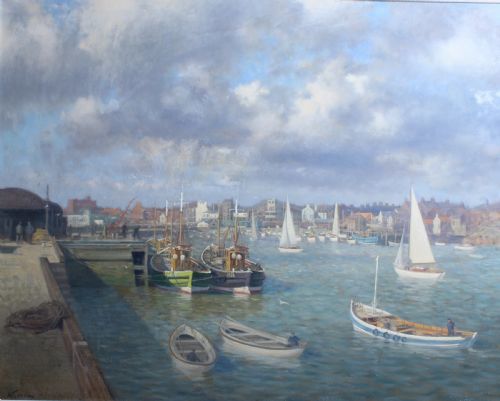
When buying a vintage harbour canvas, you are acquiring an oil painting depicting maritime life, coastal scenes and bustling ports spanning the nineteenth and twentieth centuries.
How They Were Made
Artists painted these works using oil paint applied to woven canvas supports, sometimes utilising wooden boards as alternative grounds. The medium allowed for rich application of pigment, building texture in the depiction of foaming water, sailcloth, and weathered masonry. Painters manipulated oil binders to achieve both transparent glazes and thick impasto brushstrokes.
Frames form an integral part of these pieces, often constructed from wood and embellished with gold leaf or gilt finishes. These surrounds protect the perimeters of the canvas while framing the pictorial space of the coastal view. Period framing methods complement the aesthetic of the painted maritime scenes.
What Varies in Quality
The strength of the composition and the confidence of the brushwork distinguish superior paintings from more commonplace output. Masterful handling of light and atmospheric perspective creates convincing depth within maritime scenes, whereas weaker examples rely on rigid perspective and flat application of colour. The artist's ability to render water, sky, and vessel rigging with economy and precision dictates the aesthetic success of the canvas.
The integrity of the canvas support and the preservation of the original paint layer influence the long-term character of the piece. Superior works retain their original surface tension, vibrant pigment relationships, and period frames without intrusive intervention. The reputation of the named artist or school also shapes the standing of the work within the broader market.
Listings feature works executed in oil on canvas and oil on board, spanning maritime realists to post-impressionists.
Kenneth Cozens·Eugène-Louis Gillot·James Kay·Augusto Alberici·Clive Browne·Peter Brannan·Paul Bret·Cyril Walduck Edwards·Willem Bos·Walter Goodin·Paul-Jean Anderbouhr·William Edward Webb·Edward Matthew Elliott·Gyrth Russell·Jean-Baptiste Olive·Raymond Picque·Fred Pailhes·George Turland Goosey·Adrian Van Porten·Donald McIntyre·T.S. Wallis·Pauwels·Alfred Henry Vickers·Sir Edwin Landseer·William Lambert Bell
The Vintage Harbour Canvas Glossary
- Oil paint
- A slow-drying paint made by mixing pigments with oils, commonly linseed oil. This medium allows artists to blend colours smoothly and build textured impasto surfaces.
- Canvas
- A closely woven heavy fabric utilised as a support surface for oil paintings. It is typically stretched across a wooden frame before application of the ground and pigment.
- Impasto
- The process of laying paint thickly on a canvas so that brush or palette-knife marks stand out visibly. This technique adds tactile dimension to representations of water and light.
- Gilt
- A thin layer of gold leaf or gold paint applied to wooden frames. This decorative finish enhances the presentation of the surrounding maritime artwork.
- Post-Impressionism
- An art movement developing from the late nineteenth century that extended impressionism while rejecting its limitations. Artists prioritised symbolic content and expressive use of colour.
Vintage Harbour Canvas: Frequently Asked Questions
What periods do vintage harbour canvases cover?
The works span from the nineteenth century through to the mid-twentieth century, encompassing Victorian maritime art and mid-century impressionism. Artists recorded changing coastal industries and evolving modernist painting techniques across these decades.
Most surviving pieces originate from the early to mid-twentieth century, reflecting increased artistic interest in regional ports and coastal light.
Where were these harbour scenes typically painted?
Painters set up their easels around British fishing ports in Cornwall, Scotland, and Yorkshire, as well as along the French Riviera and Mediterranean coasts. These locations offered active commercial shipping alongside picturesque vernacular architecture.
Artists frequently travelled to working harbours to capture the daily routines of sailors, fishermen, and local townspeople against tidal backdrops.
How do I care for an oil painting on canvas?
Display the canvas away from direct sunlight, excessive heat sources, and damp environments to protect both the wooden support and the oil pigments. Environmental stability prevents warping of the stretcher frames and cracking of the paint layer.
Dust the surface gently with a soft, dry brush when necessary, avoiding water or chemical cleaning solutions that could damage the paint.
How can I tell different painting styles apart?
Victorian maritime works generally emphasise detailed rigging, accurate vessel types, and realistic atmospheric conditions. Impressionist and post-impressionist canvases focus instead on loose brushwork, changing light effects, and overall colour harmony rather than topographical precision.
Mid-century modern pieces often simplify forms further, employing abstracted shapes to convey the essence of harbour structures and boats.