





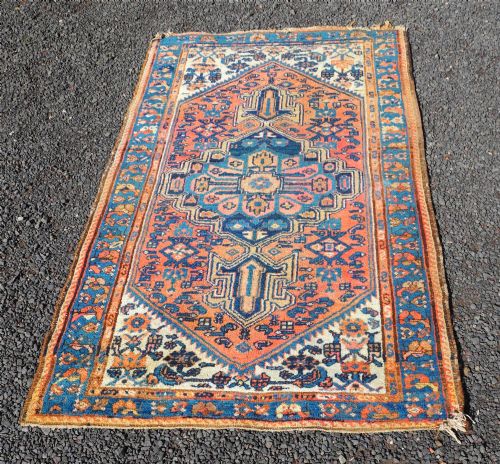
Vintage Hand Knotted Rug
These vintage hand knotted rug pieces bring enduring character to floors through centuries of regional weaving traditions.
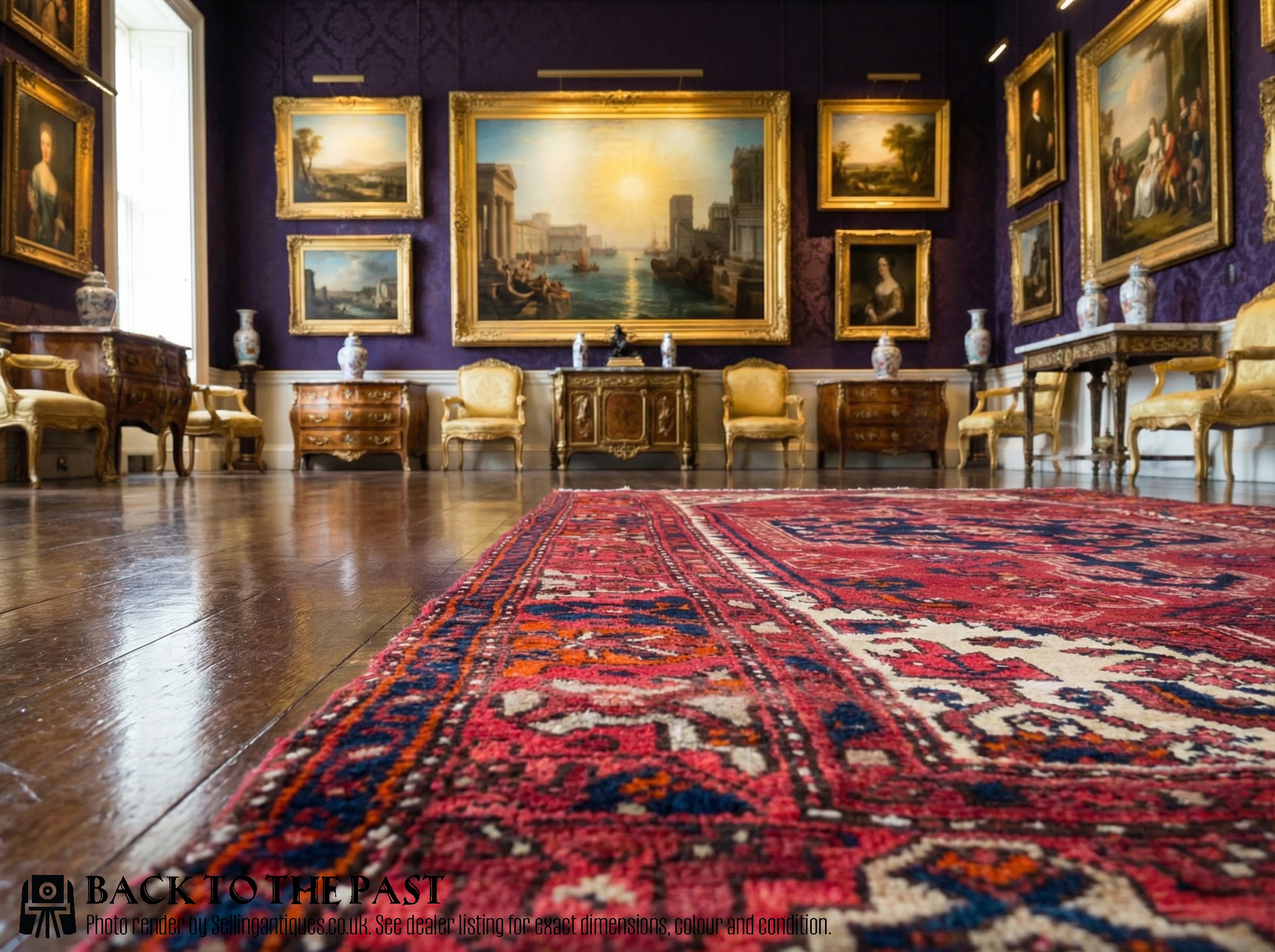
Vintage Hand Knotted Rug
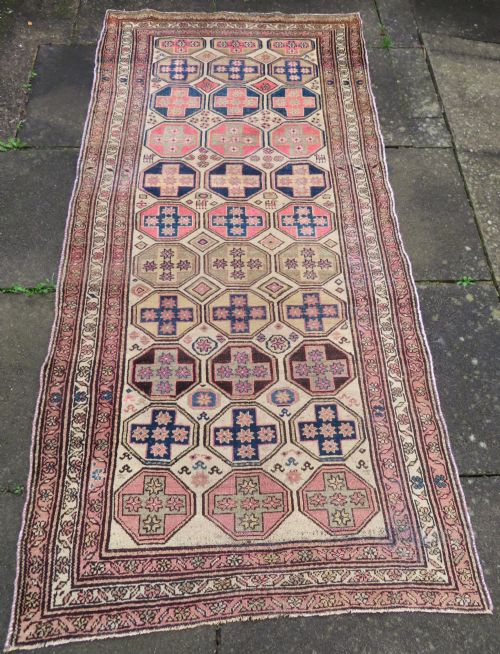
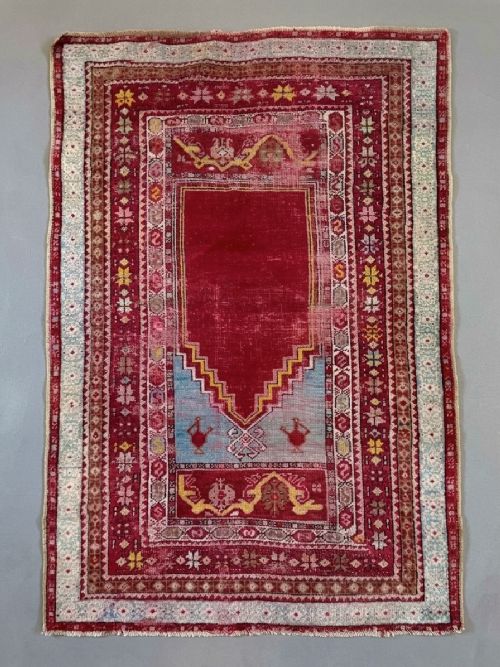
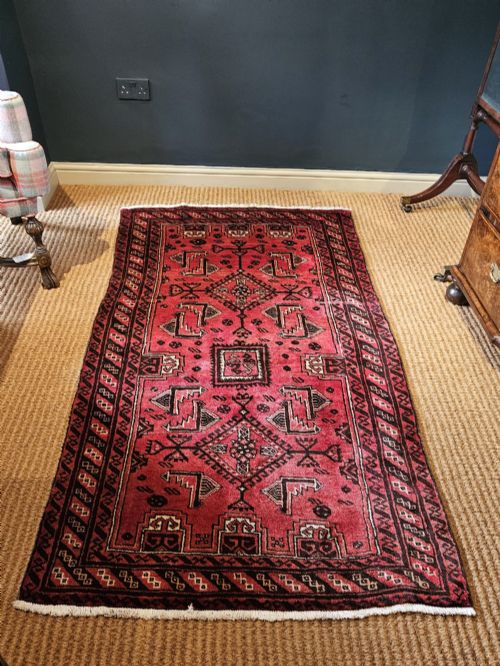
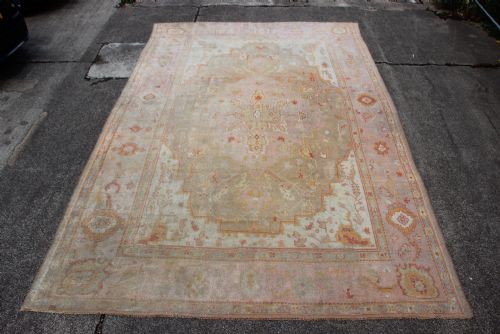
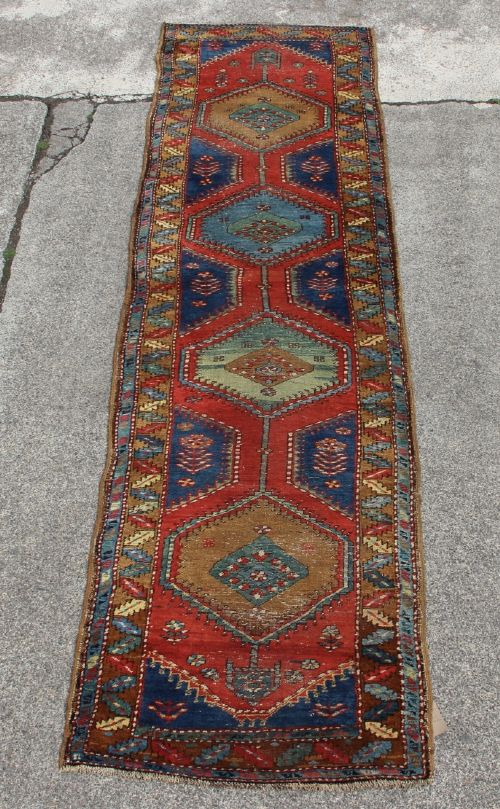
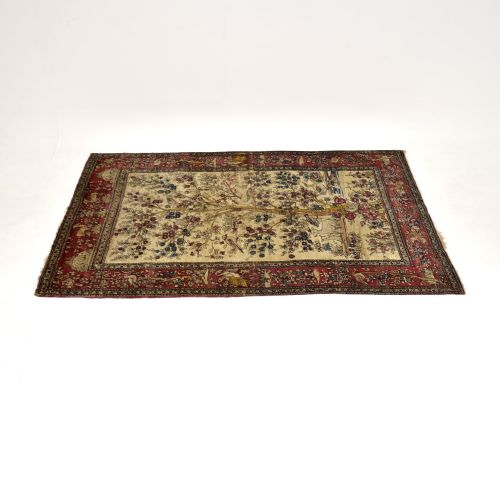
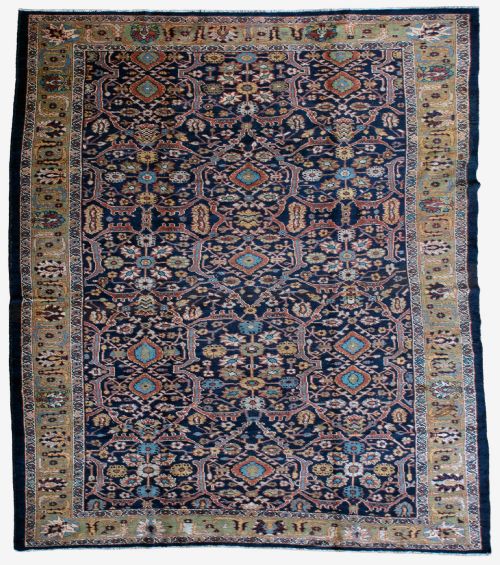
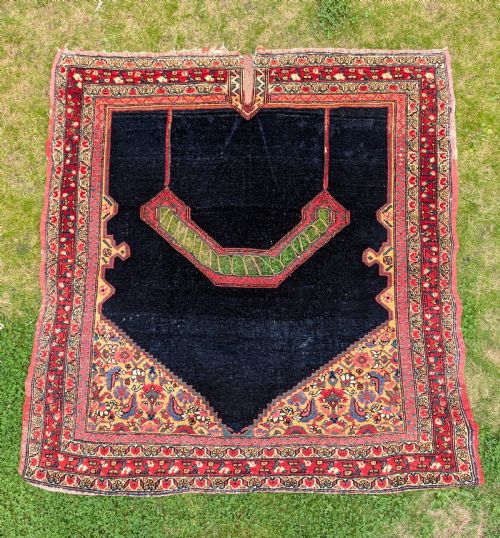
A vintage hand knotted rug encompasses woven floor coverings originating from diverse regions including Persia, Turkey, the Caucasus, Turkmenistan, and Tibet. When searching for a vintage hand knotted rug, buyers frequently encounter traditional Persian and tribal runners, village carpets, and prayer rugs dating from the nineteenth century into the twentieth century. These textiles serve both functional purposes in hallways and living spaces and decorative roles as focal points within an interior.
Materials and construction
Makers constructed these textiles predominantly using wool, cotton, and occasionally silk, incorporating natural dyes and hand-spun wool for foundations and piles. Artisans tied individual knots by hand onto warp and weft threads, creating dense, durable surfaces designed to withstand generations of daily foot traffic. Hand-spun wool provides a tactile resilience and depth of colour that changes subtly across the surface of the textile.
Foundation threads generally utilise cotton or wool, supporting the intricate geometric, floral, and medallion motifs knotted into the pile. Silk highlights appear in specific pieces to accentuate particular details within the design field, while natural dyestuffs yield warm reds, rich blues, and mellow tones that age with considerable character.
Vintage Hand Knotted Rug Retail Price Guide 2026
Typical asking prices for vintage hand knotted rug among the pieces listed under this phrase on Sellingantiques today, from the lower quarter to the upper quarter. They describe what is for sale here now, not the wider market.
The listings span multiple decades from the 1870s to the 1930s, featuring wool, cotton, silk, and natural dyes across Persian, Turkish, Caucasian, and Turkmen traditions.
Factors of distinction
Knot density and structural integrity form primary indicators of refinement, dictating the crispness of the geometric or floral patterns rendered across the field. Finer execution allows complex medallion and prayer rug designs to maintain clarity, whereas simpler tribal weaves rely on bold, robust visual rhythms.
The choice of materials, particularly the use of hand-spun wool and stable natural dyes, elevates the longevity and visual depth of the textile. Consistency in the spin of the wool and the uniform tension of the knots across the rug separate standard village pieces from exceptional tribal and workshop productions.
The Vintage Hand Knotted Rug Glossary
- Warp
- The vertical threads stretched lengthwise on a loom that form the structural foundation of the rug.
- Weft
- The horizontal threads passed through the warp threads to secure the knots in place.
- Pile
- The upright yarn surface of the rug formed by the cut ends of knots.
- Medallion
- A large central ornamental design motif placed in the middle of the rug field.
- Prayer rug
- A small rug featuring a mihrab or arch design indicating the direction of prayer.
Vintage Hand Knotted Rug: Frequently Asked Questions
How do I clean a vintage hand knotted rug?
Regular gentle vacuuming without a rotating brush helps remove embedded dirt from the wool pile. Professional specialist cleaning remains essential for addressing deeper soiling and protecting natural dyes.
Water exposure should be managed carefully to prevent dye migration or weakening of the cotton and wool foundations. Specialist care ensures the textile retains its structural integrity over decades of domestic use.
Where should I place a long runner?
Long narrow runners suit hallways, corridors, and high-traffic transitional spaces where floor protection and warmth are desired. Their dimensions bridge connecting rooms while adding distinct regional patterns to otherwise plain floors.
Placing an appropriate underlay beneath the runner prevents slipping and cushions the wool pile against hard subfloors. This positioning protects the foundation threads from excessive localized friction.
What is a prayer rug used for?
Traditional prayer rugs feature a distinctive arch motif known as a mihrab, which historically directed the placement of the textile. Beyond their original devotional function, these smaller formats serve effectively as wall hangings or focused accent pieces in smaller rooms.
Their compact dimensions allow them to be displayed in entryways or studies where larger room-sized carpets would overwhelm the floor space.
How do tribal rugs differ from town carpets?
Tribal rugs display geometric motifs, memory-driven designs, and robust palettes reflecting nomadic or village production. Town carpets generally exhibit refined floral layouts, complex central medallions, and precise curves woven in established urban workshops.
Understanding these distinctions helps identify whether a piece originated from a sedentary workshop or a pastoral tribal weaving group.