
Vintage Hallway Seating
Vintage hallway seating brings practical character to an entrance, offering sturdy benches, settles, and hall stands crafted from pine, oak, and mahogany.
Vintage Hallway Seating
Vintage hallway seating encompasses benches, settles, hall seats, and hall stands designed for entryways and passages. These pieces originate from periods spanning the Victorian and Edwardian eras through the early twentieth century, reflecting practical domestic and ecclesiastical needs.
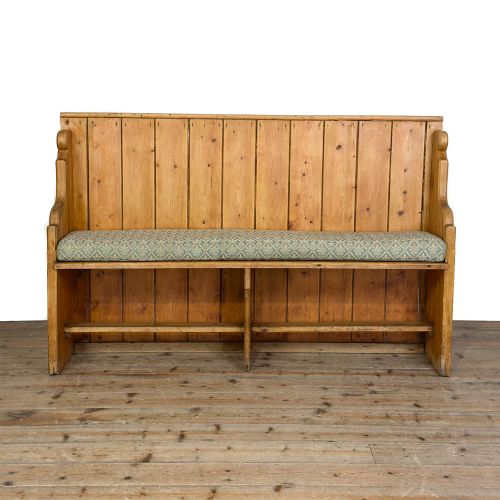
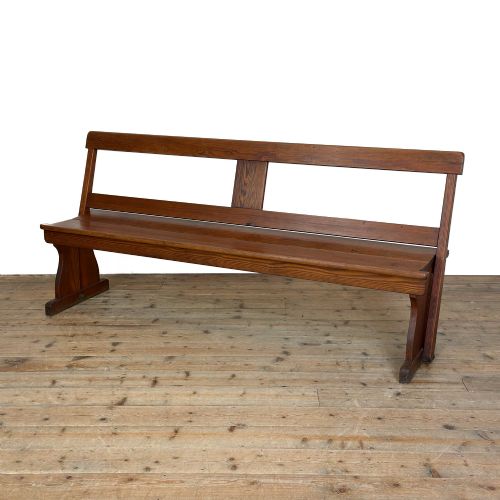
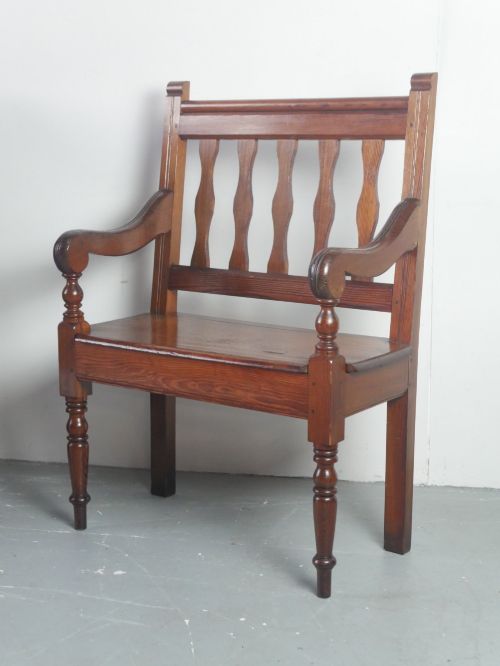
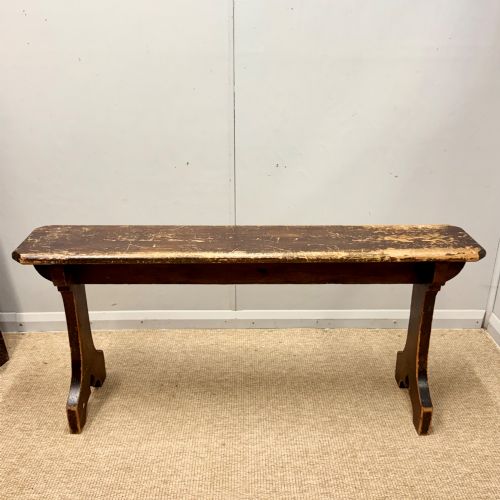
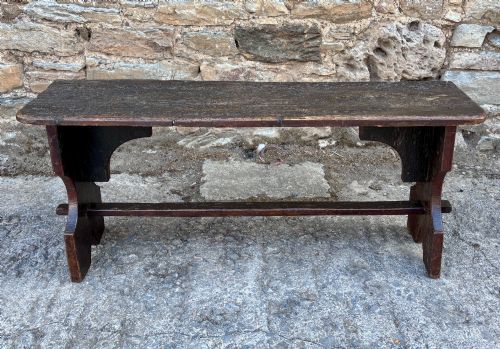
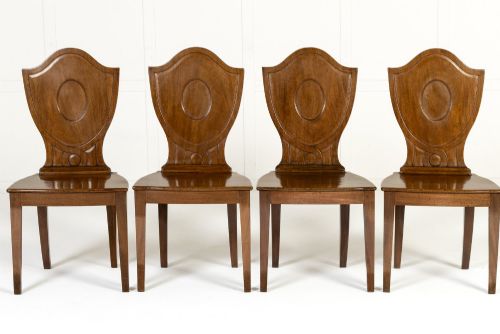
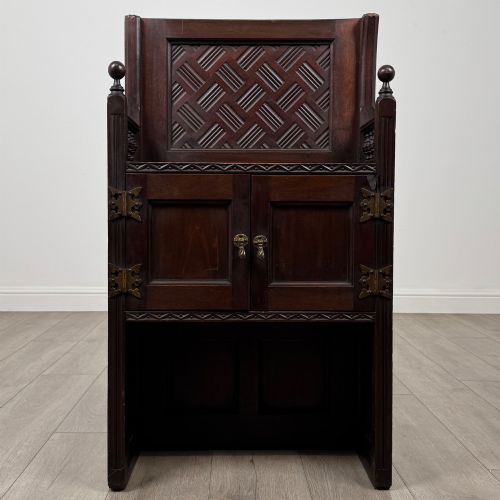
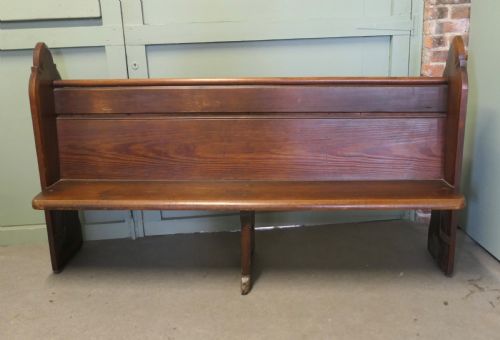
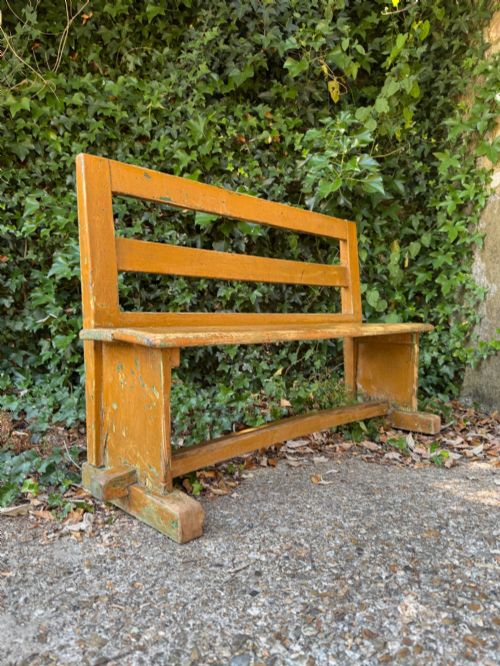
The selections on this page lean heavily towards country pine church pews, oak hall benches with lift-up storage, and painted Hungarian benches. Alongside these, buyers find functional variations like monks benches, side chairs, and combined coat and stick stands.
Originating in diverse settings from English country houses to French workshops and rural churches, these furnishings display styles ranging from rustic farmhouse and Arts and Crafts to Gothic Revival. Each form serves the dual purpose of providing a seat and managing entryway clutter.
Materials and Construction
Solid timbers form the backbone of these pieces, with pine, oak, walnut, and mahogany dominating the construction. Carpenters utilised traditional joinery techniques such as panelled construction, pegged mortise and tenon joints, and sturdy framing to ensure long-term stability in high-traffic corridors.
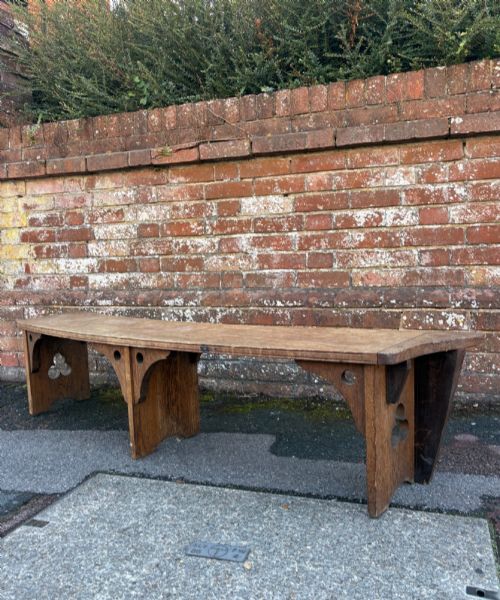
Surface treatments vary from waxed or polished honey brown patinas on pine and oak to applied coats of grey, blue, and black paint. Additional elements include iron hardware, fabric upholstery, and carved details like trefoil supports and Gothic motifs.
Several pews escaped Sunday services to spend their retirement holding muddy boots and stray umbrellas in drafty hallways.
Distinguishing Quality
The standard of vintage hallway seating rests upon the integrity of the timber and the depth of the original patina. Pieces retaining their honest surface wear, deep wax finishes, and untouched structural joinery stand apart from heavily restored or altered examples.
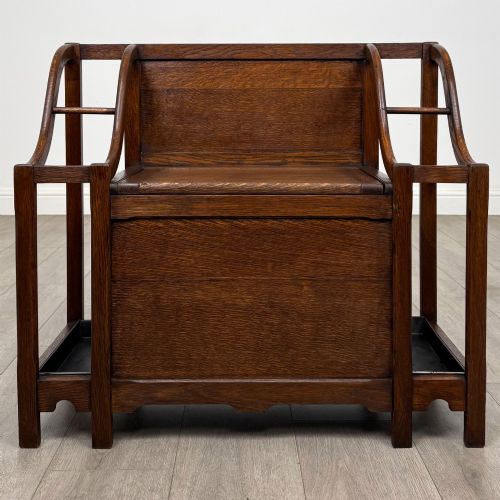
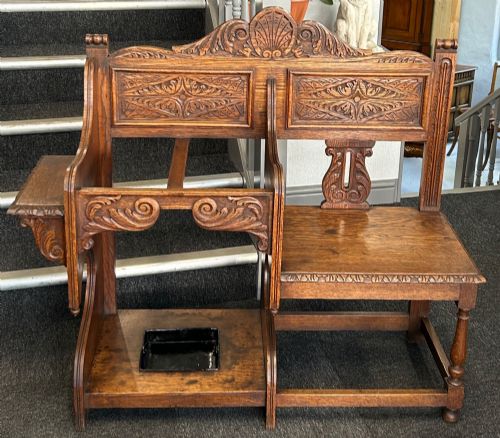
Design ambition also marks the upper tier, where thoughtful details like integrated stick stands, flip-over table tops, and carved Gothic or Arts and Crafts motifs elevate a utilitarian object into a work of craftsmanship.
Thonet·Shapland and Petter·Liberty
The Vintage Hallway Seating Glossary
- Settle
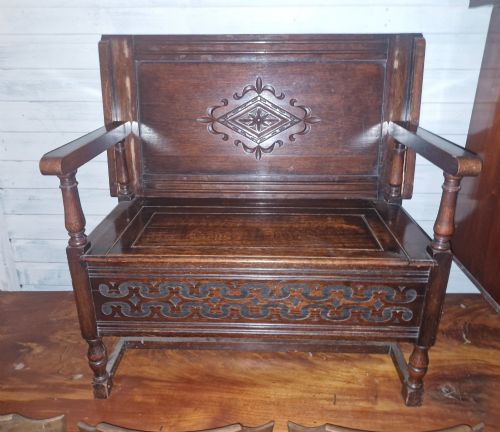
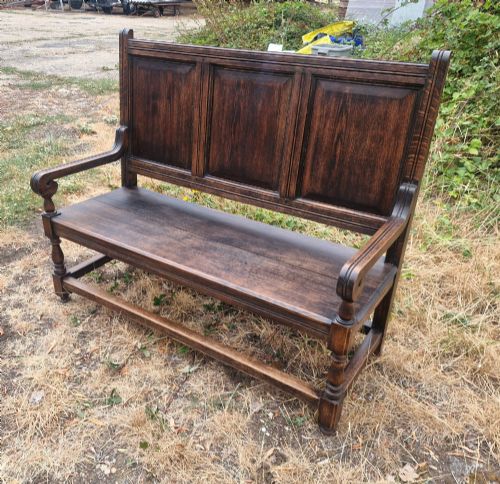
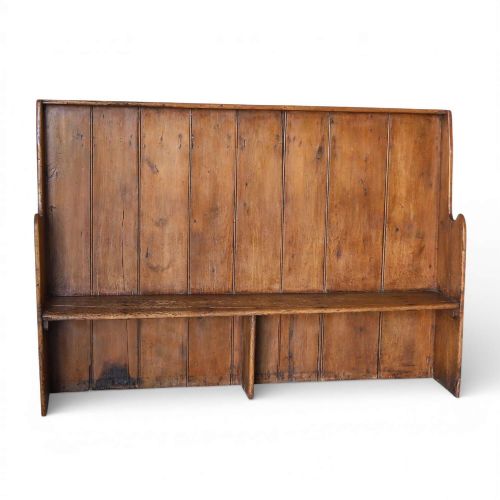
- A wooden bench with high back and solid arms designed to block draughts in hallways. Many incorporate a hinged seat revealing a storage box beneath.
- Monks Bench
- A versatile convertible piece featuring a back that folds down to form a table top above a seat box. This multifunctional design suited compact domestic spaces.
- Hall Stand
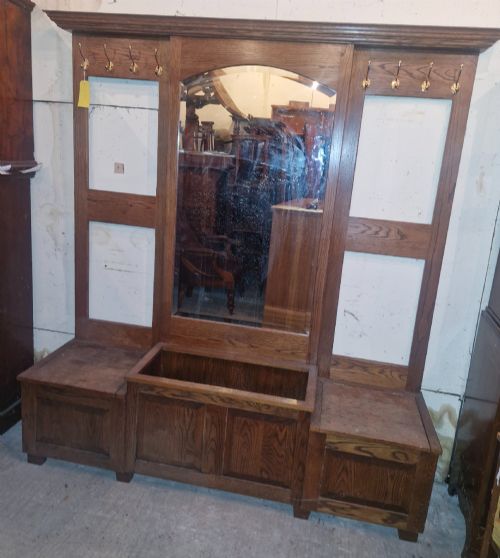
- A tall hallway furnishing combining a mirror, coat hooks, glove box, and umbrella or stick stands at the base. They organise entryway accessories within a single footprint.
- Church Pew
- A long bench traditionally found in ecclesiastical settings, frequently constructed from pine or oak with straightforward, sturdy panel ends.
- Patina
- The surface sheen and colour acquired by wood through age, handling, and repeated waxing. A desirable patination shows authentic depth and warmth.
Vintage Hallway Seating: Frequently Asked Questions
What is a monks bench used for?
A monks bench serves as both a seating bench and a small table through a hinged top that rotates or folds flat. This dual purpose made them popular in smaller hallways where space remained at a premium.
Historical examples utilise sturdy oak construction to withstand the repeated transformation between table and seat configurations.
Are church pews practical for hallways?
Church pews provide exceptionally long, narrow seating that fits neatly against corridor walls without obstructing movement. Their solid pine or oak build handles daily use with ease.
Many variants include open space underneath or built-in seat storage for boots, shoes, and household paraphernalia.
What distinguishes Victorian pine from older pine?
Victorian pine furniture generally exhibits a warmer, waxed honey brown patina acquired through decades of domestic use. The timber often shows softer edges and distinctive grain patterns developed over time.
Carpentry methods from the Victorian era combined machine-sawn components with traditional hand assembly, creating sturdy everyday items.