
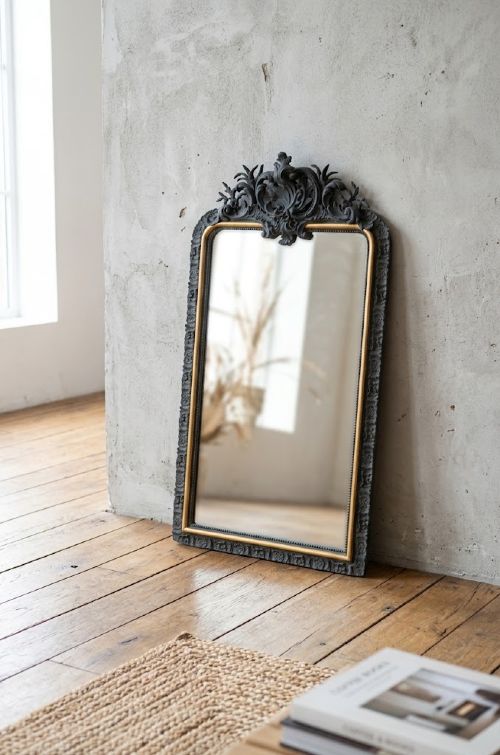

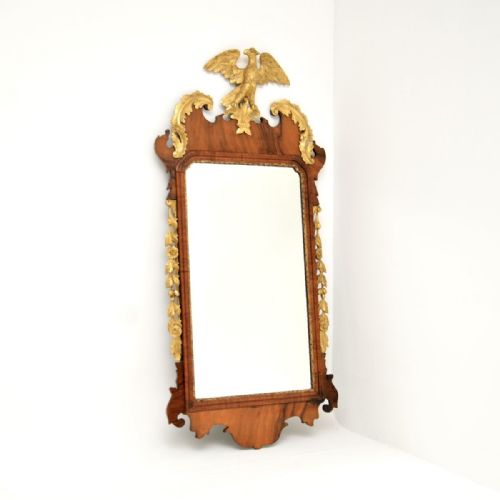
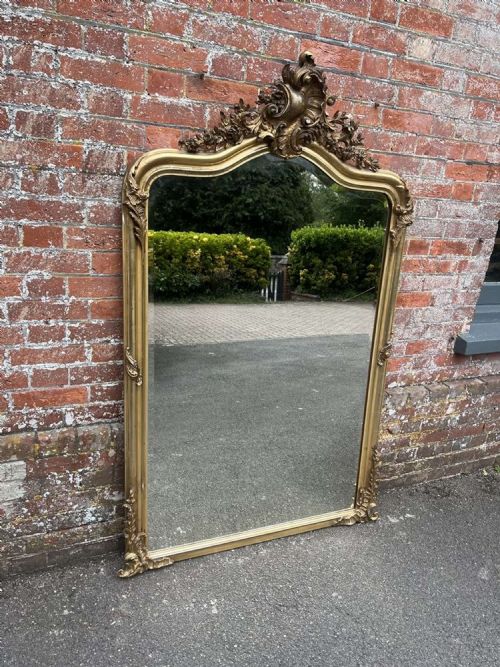
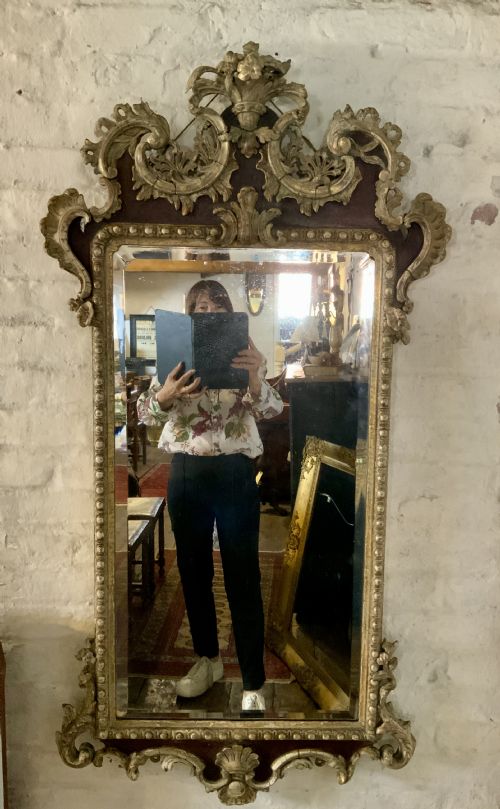


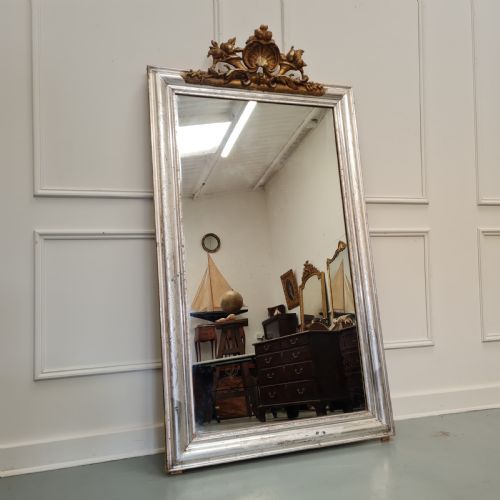
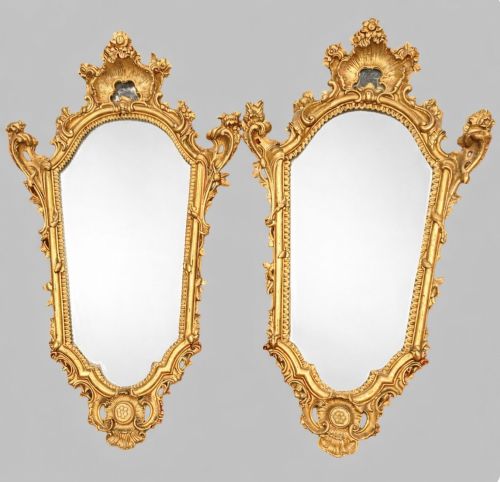


Vintage Gold Pier Glass
A vintage gold pier glass brings height and reflected light to a tall wall, typically positioned between windows or above a console.
Vintage Gold Pier Glass
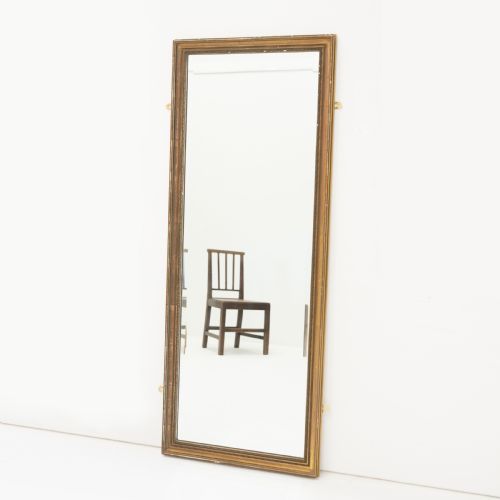
A vintage gold pier glass is a tall, narrow mirror designed specifically to hang on the narrow wall space between windows, known as the pier. These pieces originate across the eighteenth, nineteenth, and early twentieth centuries, drawing on styles such as Regency, Georgian, and various European revivals.
Most examples met on this page are French or Italian in origin, often pairing gilded frames with painted wood elements or console tables. They range from restrained walnut and parcel gilt constructions to ornate carved wood and gesso compositions.
The vertical proportions define the form, frequently incorporating shaped tops or cresting to draw the eye upward. Overmantel mirrors and trumeau panels also appear alongside traditional pier glasses, sharing similar decorative vocabularies and guild techniques.
How they were made
Carpenters constructed the underlying carcass from timbers such as mahogany, walnut, or painted wood, building stable frames to support heavy glass plates. Craftsmen then applied layers of gesso over carved wooden details to create smooth, resilient surfaces for gilding.
Finishing involved laying gold leaf, silver leaf, or powder onto the prepared gesso and burnishing it to achieve a metallic lustre. Parcel gilt highlights were frequently combined with painted sections, ebonised elements, or japanning to add depth to the frame.
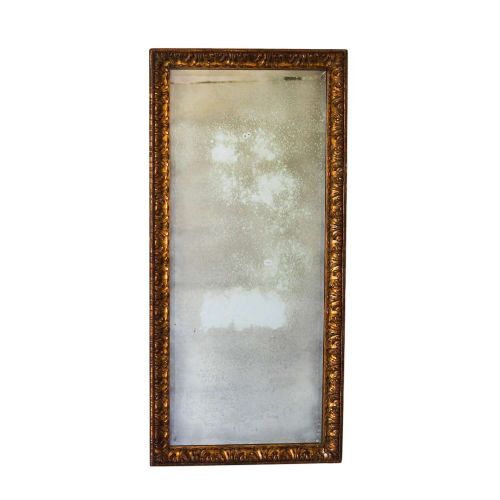
Early bistro mirrors bring narrow proportions and distressed plates straight from continental cafes into modern hallway settings.
What varies in quality
The depth and crispness of the wood carving dictate the visual impact of the piece, separating mass-produced decorative items from master craftsmanship. Hand-carved gesso ornament displays sharp relief and delicate undercutting rather than soft, moulded edges.
The integrity of the original mercury or silvered mirror plate contributes heavily to character and authenticity. Original glass with natural oxidation and foxing holds greater historic interest than modern replacement plates.
The Vintage Gold Pier Glass Glossary
- Pier glass
- A tall mirror designed to hang on the wall space between two windows. It often stands above a matching console table.
- Gesso
- A plaster-like mixture applied to wood frames to provide a smooth base for gilding. It allows for intricate, moulded relief decoration.
- Parcel-gilt
- A finish where only specific carved portions of a wooden object are gilded, leaving the underlying wood or paint visible elsewhere.
- Trumeau
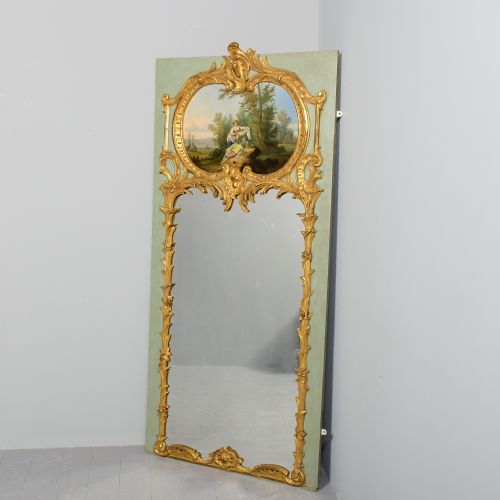
- A decorative wall mirror incorporating a painted panel or oil painting above the glass plate. These French panels fit flush against drawing room walls.
- Margin mirror
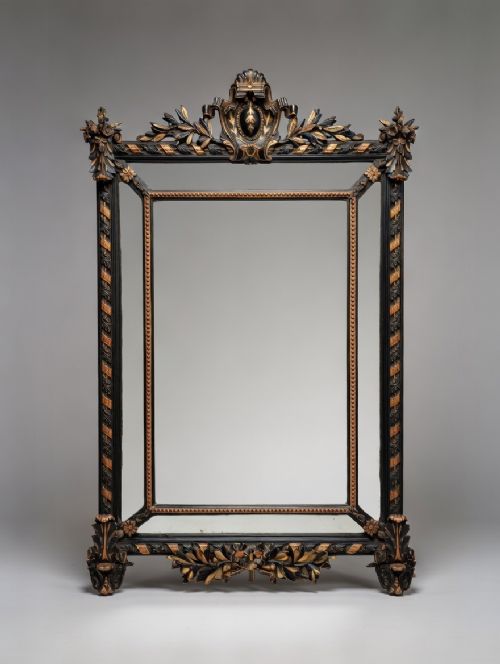
- A mirror plate surrounded by smaller, bevelled border mirror segments held by strapwork. This creates a faceted reflection.
Vintage Gold Pier Glass: Frequently Asked Questions
Where should I hang a pier glass?
These mirrors suit narrow wall spaces between windows, dark hallways, or above low console tables. Their vertical proportions draw the eye upward and bounce daylight across the room.
Ensure the wall fixings match the weight of the timber and gesso frame. Professional mirror hangers recommend securing the piece at multiple points to distribute the load safely.
How do I date an antique mirror?
Dating relies on examining the construction timber, the composition of the gesso, and the manufacturing method of the glass plate. Older plates often display slight distortions and handmade inconsistencies.
Backboards, fixings, and screw types offer further clues. Hand-cut joinery points toward eighteenth and early nineteenth-century origins.
What is the difference between a trumeau and a pier glass?
A pier glass is strictly a tall, narrow mirror made to hang on the wall between windows. It focuses entirely on the reflective glass plate and decorative frame.
A trumeau includes an integrated decorative panel, frequently featuring an oil painting or decorative painted wood above the mirror plate. Both forms share French decorative origins.
How do I clean an antique gilt frame?
Dust the carved gesso and gold leaf gently with a soft, dry brush or feather duster. Avoid commercial sprays and damp cloths, which can lift delicate water gilding.
Professional conservators advise against rubbing the metallic surface. Regular light dusting prevents grime buildup without risking the antique finish.