

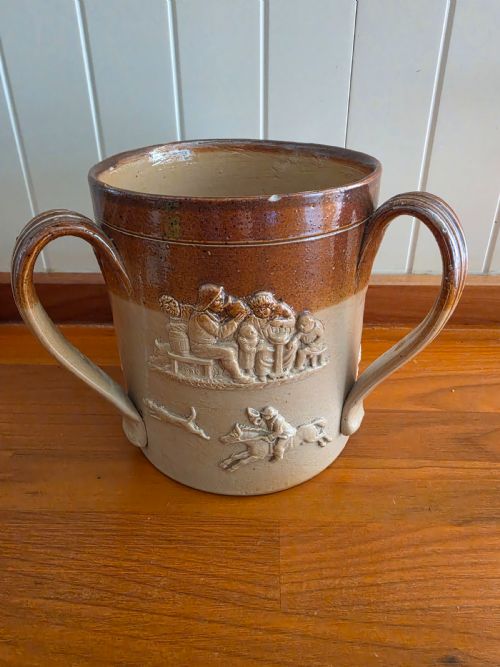


Vintage Glazed Pottery Pitcher
A vintage glazed pottery pitcher brings tactile warmth to a room, offering practical utility alongside centuries of varied ceramic artistry.
Vintage Glazed Pottery Pitcher
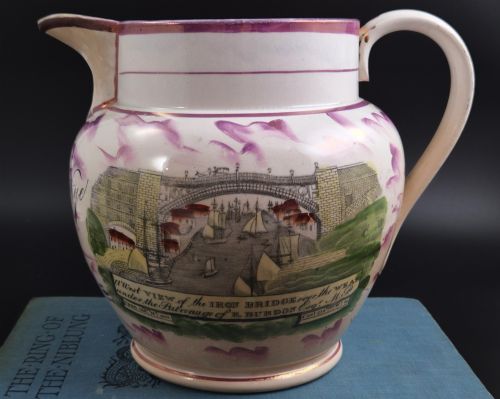
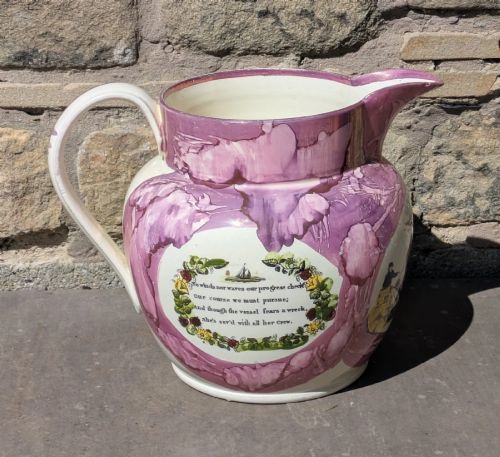
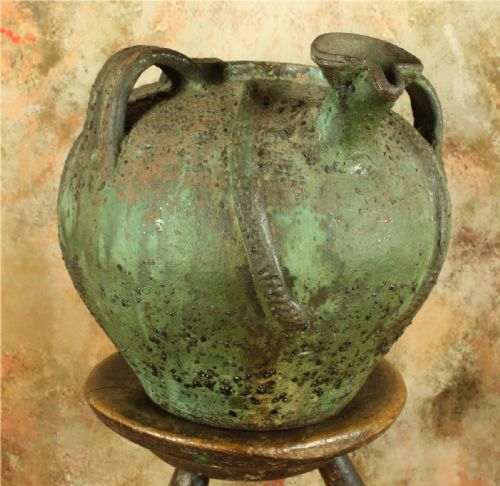
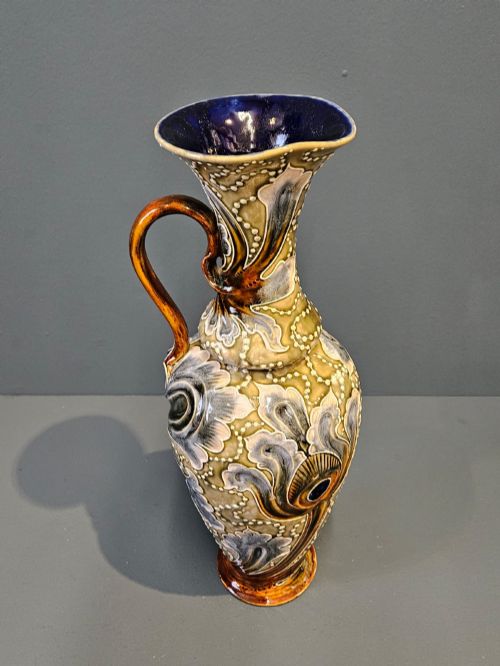
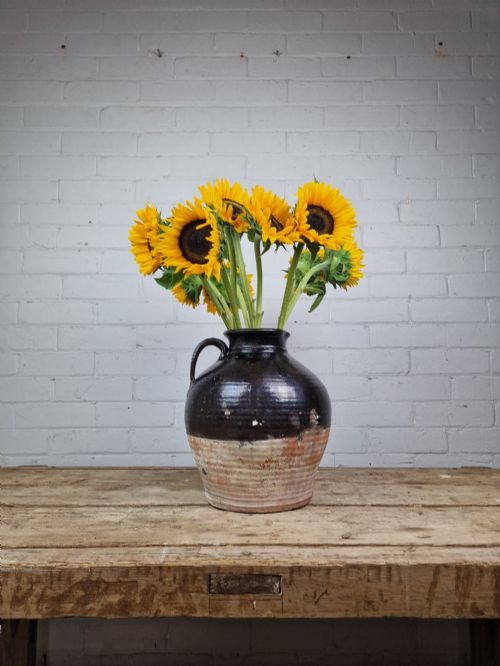
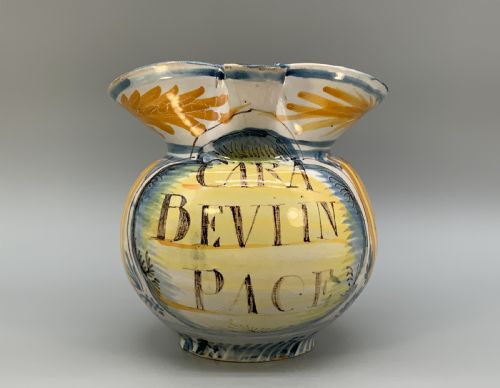
The selections available here range from robust stoneware jugs and tin-glazed earthenware to intricate lustreware and slipware. Common forms include multi-handled tygs, large maritime-themed vessels, and matching washstand sets originating from periods such as the Georgian, Victorian, and Edwardian eras.
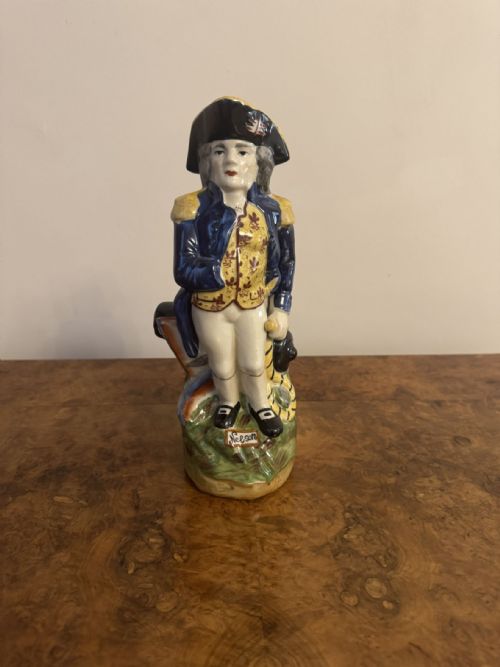
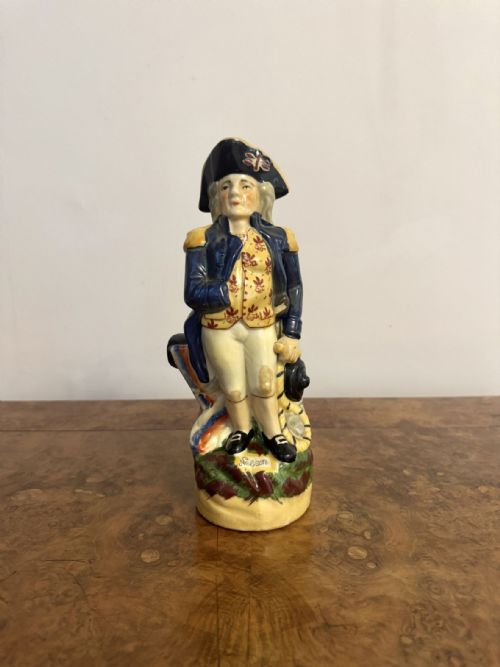
Buyers frequently find regional English pottery alongside continental examples, demonstrating distinct stylistic shifts from rustic country charm to formal Art Nouveau designs. Each vessel reflects the specific domestic or commercial purpose of its time, whether serving ale, storing oil, or commemorating historical figures.
How they were made
Potters shaped these vessels using earthenware, stoneware, or clay bodies, often throwing them on a wheel or moulding them into specific character shapes. Stoneware pieces underwent high-temperature firing to achieve natural vitrification, resulting in dense and durable containers suitable for heavy daily use.
Surface decoration relied heavily on specialised applications, including salt glazing, tin glaze, polychrome pigments, and shimmering pink lustre treatments. Artisans applied sprigged reliefs, transfer prints, or hand-painted motifs directly onto the clay before applying liquid ceramic glazes for the final kiln firing.
The listings span multiple centuries, incorporating earthenware, stoneware, and tin-glazed ceramics from the eighteenth to the twentieth century.
What varies in quality
The distinction between ordinary and exceptional pieces rests upon the crispness of the moulded details, the depth and evenness of the glaze, and the sophistication of the hand-painted or transfer-printed decoration. Master potters achieved precise control over kiln temperatures, producing vibrant colours and unblemished surfaces that elevate standard utilitarian items into fine decorative art.
Historical significance and artistic provenance also dictate standing, with named subjects, dated commemoratives, and works associated with notable potteries commanding greater attention. The structural integrity of handles, spouts, and applied ornaments remains essential, as does the survival of original lids and matching components in larger sets.
Doulton Lambeth·Wedgwood·Staffordshire Pottery·Sir Edmund Elton
The Vintage Glazed Pottery Pitcher Glossary
- Earthenware
- Porous pottery fired at lower temperatures, requiring a vitreous glaze to hold liquids.
- Stoneware
- Dense, impermeable pottery fired at high temperatures until the clay body vitrifies naturally.
- Lustre glaze
- A metallic film applied to pottery to create an iridescent, reflective surface sheen.
- Toby jug
- A pottery jug modelled in the shape of a seated, stout person, typically wearing eighteenth-century attire.
- Slipware
- Pottery decorated with liquid clay applied before firing to create contrasting surface patterns.
- Tyg
- A large drinking vessel featuring multiple handles designed for communal passing around a table.
Vintage Glazed Pottery Pitcher: Frequently Asked Questions
How do I clean an antique pitcher?
Wash ceramic pitchers gently by hand using warm water and a mild soap, avoiding harsh scrubbing or soaking that might damage aged glazes.
Dry thoroughly with a soft cloth to protect delicate surfaces and historic finishes from moisture retention.
Can I use these pitchers for serving water?
Many historic stoneware and glazed earthenware vessels remain structurally sound and watertight for modern table use.
Porosity or internal hairline fractures in older pieces mean some are best reserved strictly for display.
How do I date a nineteenth-century jug?
Examine the bottom for impressed factory marks, registration diamonds, or stylistic clues tied to periods like the Victorian or Edwardian eras.
Manufacturing techniques and glaze compositions also provide reliable indicators of the general decade of production.