




Antique Decorative Water Ewer
These antique decorative water ewer examples combine traditional forms with varied materials from porcelain to copper.
Antique Decorative Water Ewer
An antique decorative water ewer serves primarily as an ornamental vessel rather than a functional washstand accessory, drawing on historic pitcher and jug forms. The pieces available span several centuries, including Georgian, Victorian, and early twentieth-century examples.
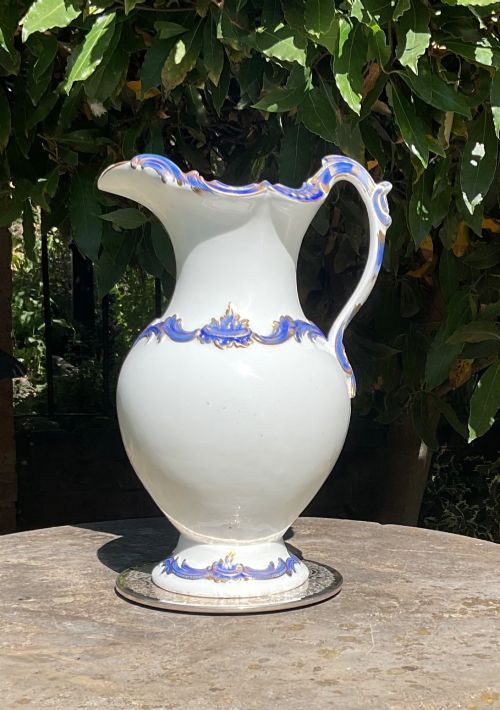
Makers utilised diverse regional styles, ranging from Victorian Rococo Revival and Arts and Crafts to Indo-Persian and Japanese Imari aesthetics. Most examples function as standalone decorative objects or cabinet pieces rather than functional utility items.
Materials and construction methods
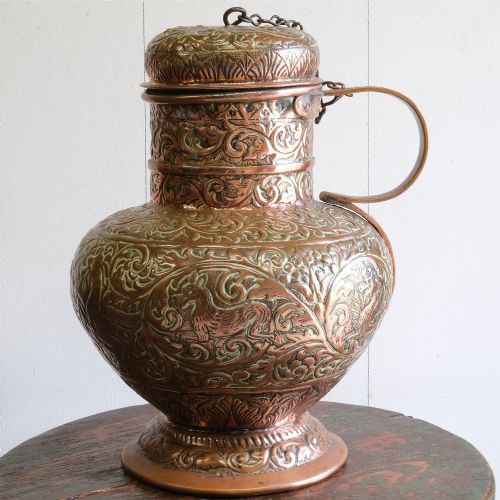
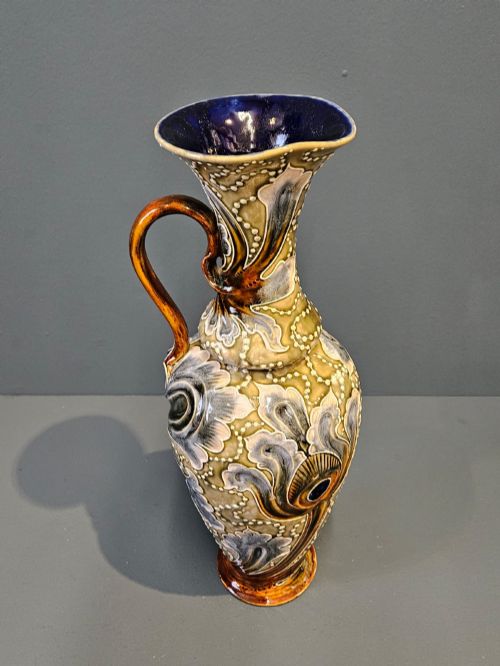
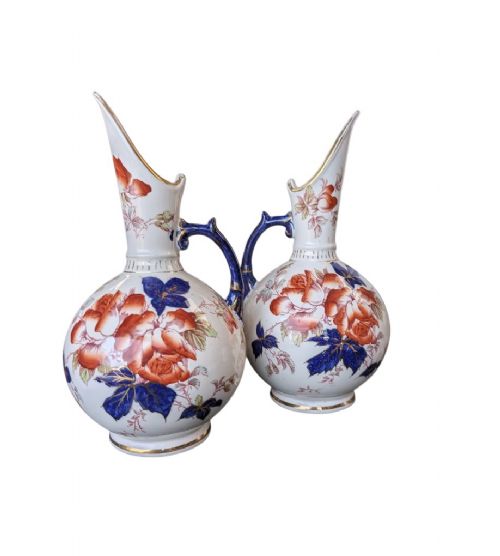
The material palette encompasses ceramic, porcelain, stoneware, copper, bronze, and brass, often enhanced with glaze, enamel, gold leaf, or gilt. Metal vessels frequently display hand-hammered surfaces or patinated finishes, whilst ceramic pieces show painted and printed decoration under glaze.
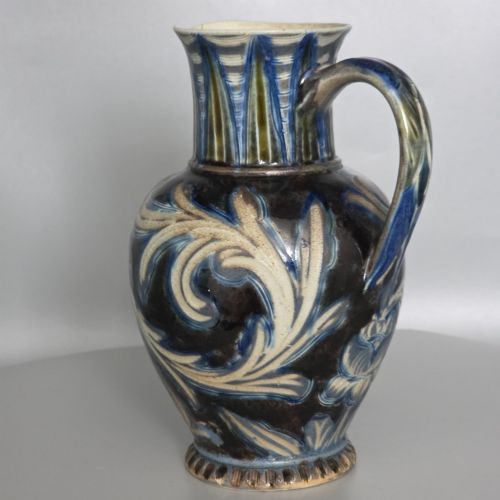
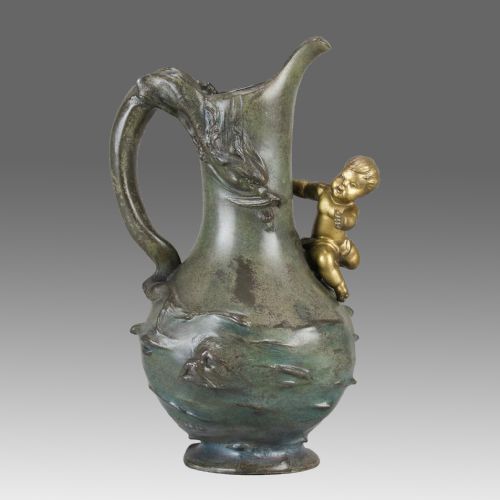
Manufacturers employed specialised forming techniques suited to the medium, such as throwing clay on a wheel for stoneware jugs or casting and chasing bronze and copper for sculptural ewers. Surface ornamentation ranges from raised floral motifs to figurative handles depicting classical figures.
Materials represented include glazed porcelain, stoneware, copper, bronze, and brass, alongside decorative applications of gold leaf.
Assessing quality in decorative ewers
Quality reveals itself in the crispness of the casting or the fineness of the ceramic body and glaze application. Superior examples demonstrate balanced proportions, clean definition in relief decoration, and careful finishing of handles and rims.
Factory marks from established potteries or identifiable signatures on bronze and metalwork elevate a piece's standing. The complexity of the decorative scheme, whether hand-painted porcelain or intricately patinated metal, distinguishes standard production from exceptional work.
Georges Van De Voorde·H F Fearncombe & Co
The Antique Decorative Water Ewer Glossary
- Ewer
- A large jug or pitcher with a wide spout and handled shape, traditionally used for holding water but frequently produced purely for display. Many Victorian examples adopt revivalist ornamentation.
- Glaze
- A vitreous coating fused to ceramic pottery through firing, providing a waterproof surface and decorative colour. It protects the underlying clay body and can exhibit crackle or high-shine finishes.
- Patina
- The surface sheen or colour change developed on metal or wood over time through age, handling, and oxidation. A heavy patina on bronze or copper indicates long-term exposure to the environment.
- Imari
- A style of Japanese porcelain featuring a distinctive palette of underglaze blue, iron red, and gilt. British manufacturers often drew inspiration from these decorative patterns during the nineteenth century.
Antique Decorative Water Ewer: Frequently Asked Questions
What is an antique water ewer?
An antique water ewer is a pitcher or jug designed with a decorative handle and spout, originating from periods when such vessels formed part of washstand sets or display collections.
Over time, many of these pieces transitioned from functional use into purely ornamental objects intended for mantelpieces and display cabinets.
How do I date an old ewer?
Dating relies on identifying ceramic factory marks, metal foundry stamps, and stylistic cues such as Victorian revival motifs or Art Nouveau asymmetry.
The choice of materials, from early copper and stoneware to later porcelain and bronze, also provides clear chronological indicators.
Were these ewers actually used for water?
Many examples began as functional items for washing or serving, particularly the larger ceramic jugs and metal water pitchers found in domestic settings.
However, heavily decorated pieces with delicate porcelain bodies or complex bronze handles were made primarily for visual display rather than daily utility.
How should I clean a metal ewer?
Cleaning depends entirely on the surface finish and whether the metal possesses an intentional historic patina or applied protective coating.
Polished copper and brass require gentle cleaning to avoid removing patination, whilst bronze surfaces generally need only soft dusting to preserve their finish.