


Cobalt Blue Glazed Pitcher
A cobalt blue glazed pitcher brings deep richness to a room, offering both historical utility and striking decorative presence through centuries of ceramic tradition.
Cobalt Blue Glazed Pitcher
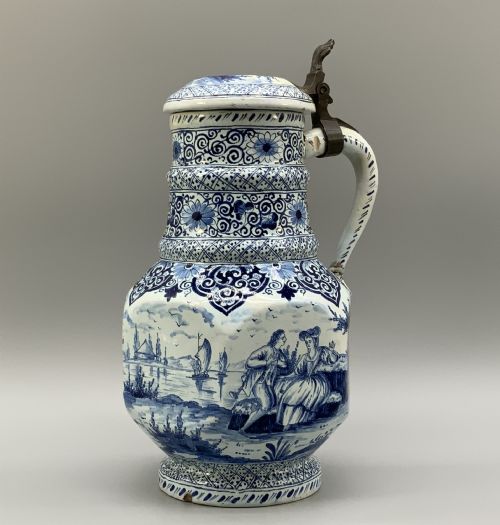
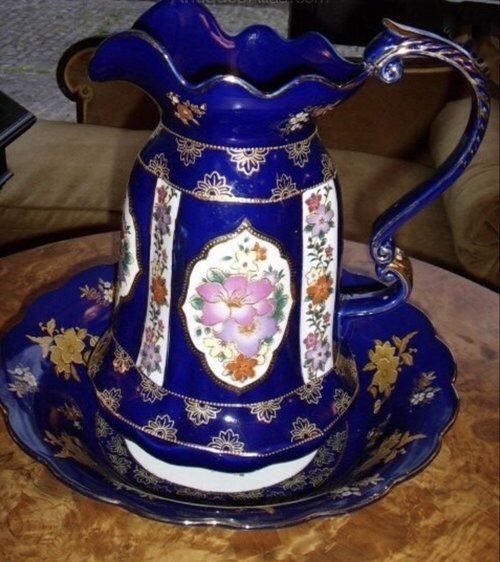
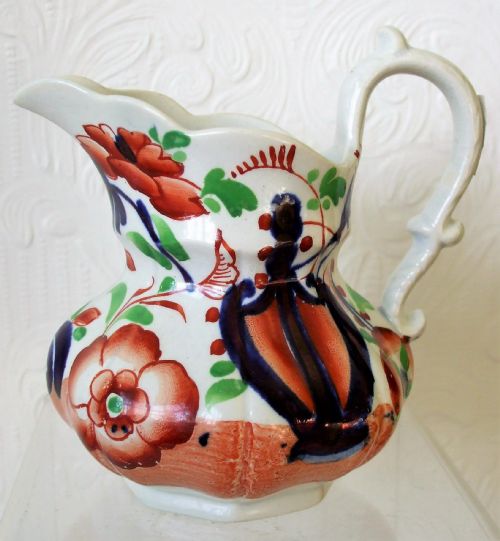
When searching for a cobalt blue glazed pitcher, collectors encounter a diverse array of earthenware, stoneware, and ceramic vessels spanning from the seventeenth century through the Victorian era and into the nineteen-thirties. The pieces on this page range from utilitarian washstand sets and large ewers to Dutch delftware and German salt-glazed stoneware.
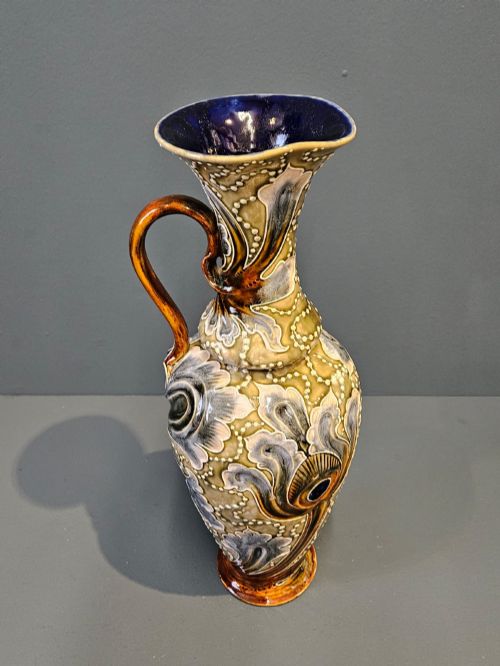
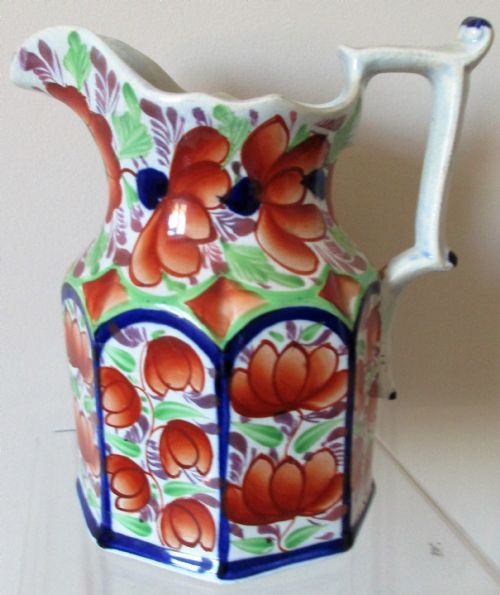
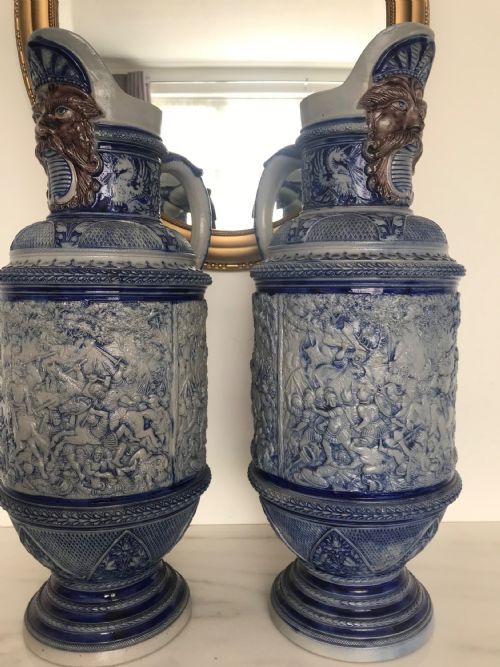
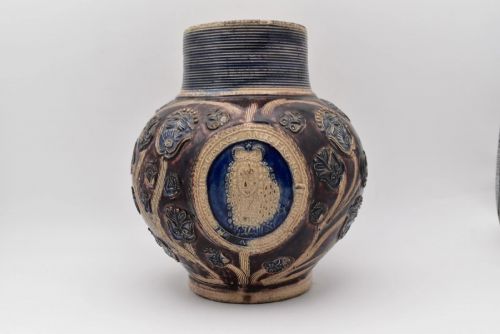
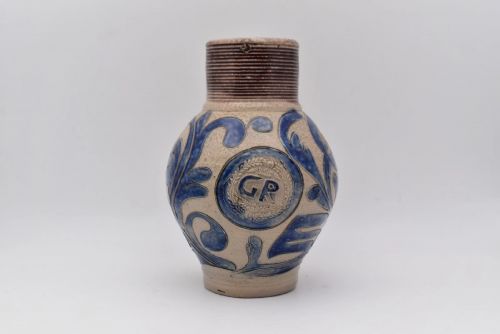
The nineteenth century provides many notable examples, including Victorian decorative jugs and Doulton Lambeth productions alongside gaudy Welsh pottery patterns. Earlier centuries are represented by Dutch and English delftware, alongside German Westerwald salt-glazed jugs bearing royal ciphers and battle scenes.
Evaluating quality and craftsmanship
Superior examples display precise control over the cobalt blue pigment, yielding crisp details in painted scenes, floral motifs, or royal ciphers rather than blurred or running lines. The definition in moulded reliefs, such as those found on Westerwald stoneware or Doulton Lambeth ewers, indicates the sharpness of the original tooling.
The integrity of the glaze, the balance of the vessel form, and the retention of original components like pewter lids distinguish finer production pieces from standard utility wares. Artisans who achieved depth and luminosity in the blue glaze elevated simple ceramic jugs into decorative works of art.
Materials represented across the inventory include earthenware, ceramic, stoneware, tin-glazed earthenware, pewter, and gold leaf.
Simon Peter Gerz·Royal Doulton·Doulton Lambeth
The Cobalt Blue Glazed Pitcher Glossary
- Cobalt Glaze
- A metallic oxide pigment fired onto pottery to produce a vibrant blue colour. It remains stable at high kiln temperatures.
- Salt Glaze
- A pottery finish created by throwing common salt into the kiln during high-temperature firing. This produces a textured, pebble-dash surface on stoneware.
- Tin-Glazed Earthenware
- Pottery coated with an opaque white glaze containing tin oxide, which serves as a smooth background for painted cobalt decoration.
- Westerwald Stoneware
- Hard, grey German ceramics decorated with cobalt blue incisions and salt glazing. Production centred in the Westerwald region from the sixteenth century onward.
- Ewer
- A large pitcher with a flared spout and curved handle, traditionally used for pouring water rather than serving drinks.
Cobalt Blue Glazed Pitcher: Frequently Asked Questions
What were these pitchers used for?
Historically, these vessels served practical functions such as holding water, storing liquids, or forming part of larger washstand sets in domestic settings.
Over time, many larger or more decorative examples transitioned into purely ornamental display pieces due to their striking blue glazes and detailed ornamentation.
How do I date a salt-glazed pitcher?
Dating typically relies on stylistic indicators, such as specific royal ciphers, moulded battle scenes, or regional pottery traditions associated with particular centuries.
Examining the manufacturing technique, clay body, and presence of original pewter mounts also helps place a vessel within periods like the seventeenth or nineteenth century.
What is Westerwald stoneware?
Westerwald stoneware is a durable, salt-glazed ceramic originating from Germany, well known for its grey body decorated with deep cobalt blue incisions.
These pieces frequently feature historical ciphers, coats of arms, or complex figural scenes produced by master potters.
How should I display my pitcher?
These pitchers benefit from placement in well-lit cabinets or on sturdy surfaces where the rich cobalt blue glaze catches natural light.
Because many historical examples are earthenware or stoneware, keeping them away from damp areas ensures the ceramic body remains protected.