


Brown Glaze Art Pottery
Brown glaze art pottery brings together heavy Victorian stoneware and fluid Arts and Crafts forms that ground a room with rich, earthy tones.
Brown Glaze Art Pottery
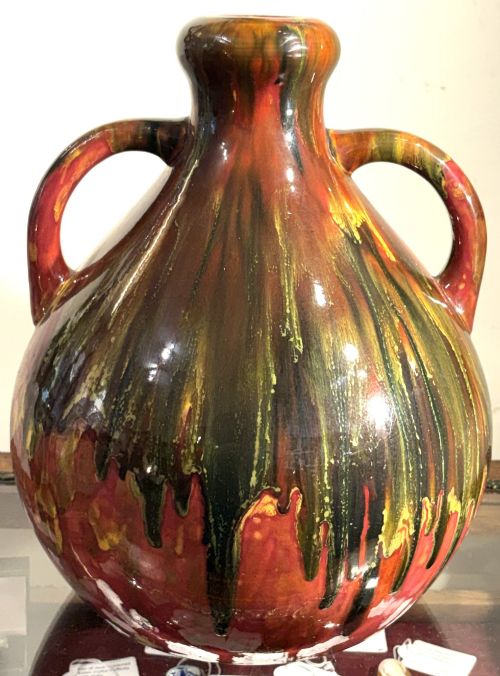
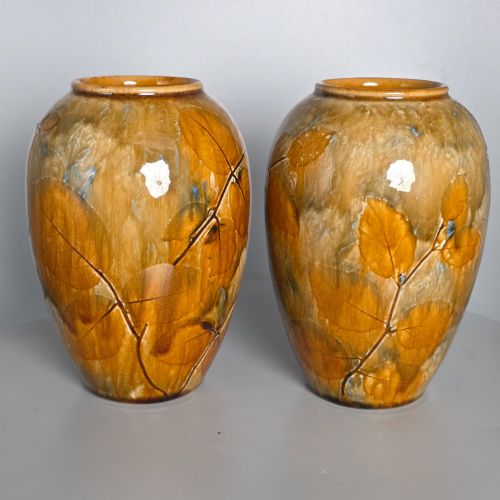
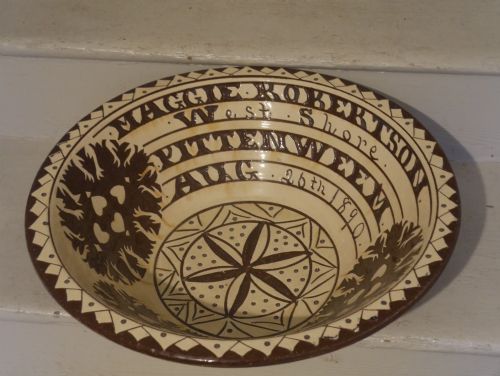
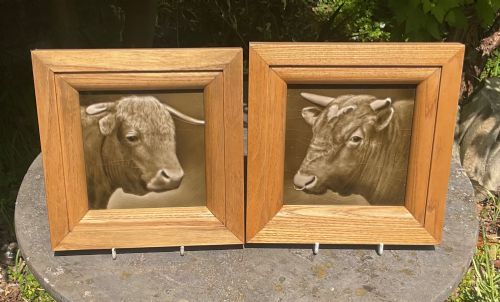
When you search for brown glaze art pottery, you encounter heavy stoneware and earthenware vessels produced mainly during the late nineteenth and early twentieth centuries. These items range from utilitarian dairy bowls and teapots to elaborate architectural tiles and decorative ewers.
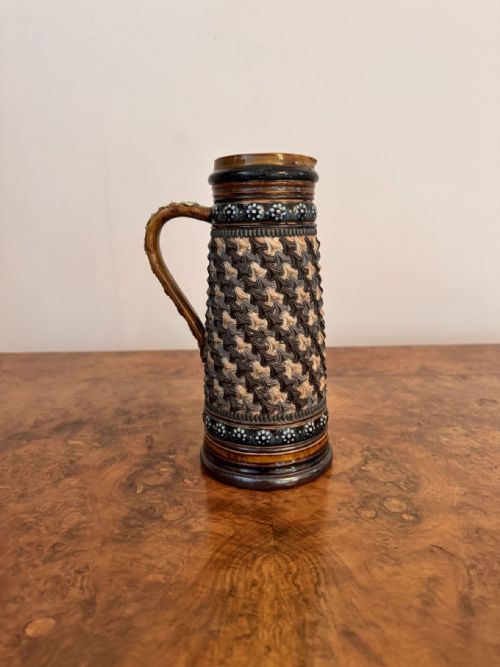
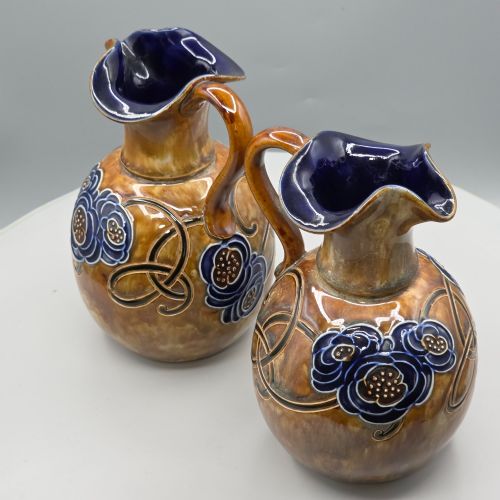
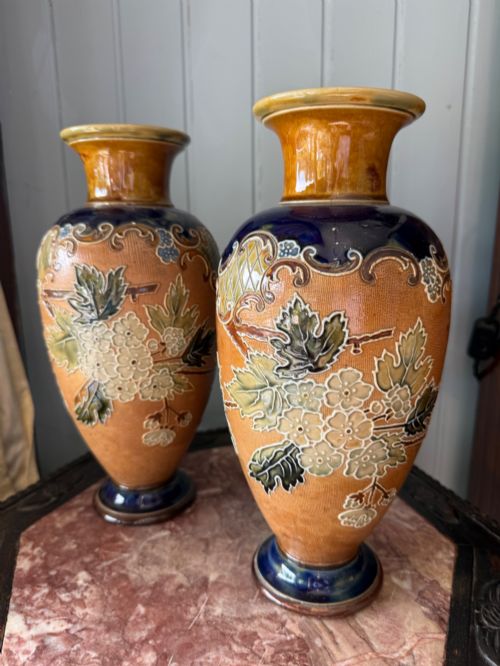
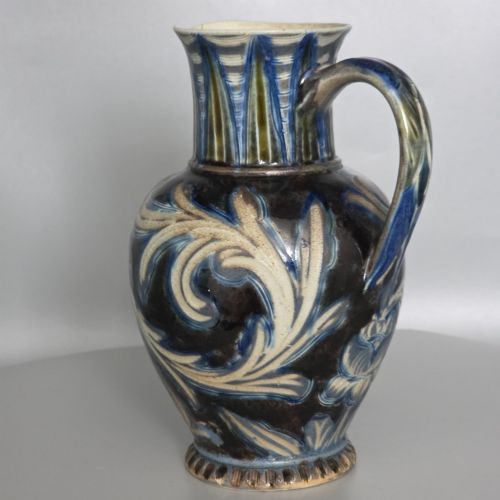
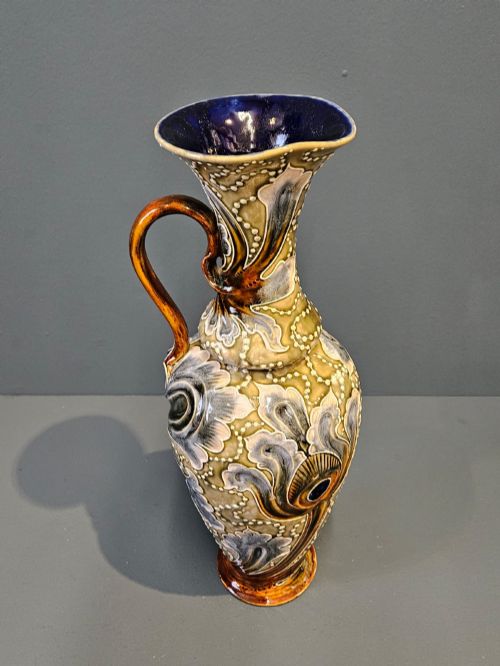
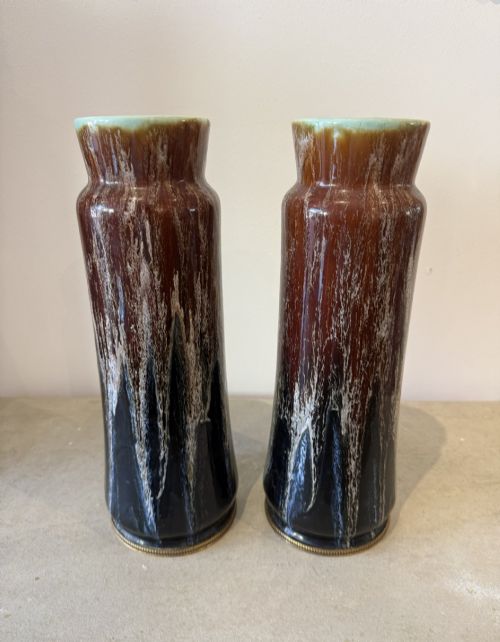
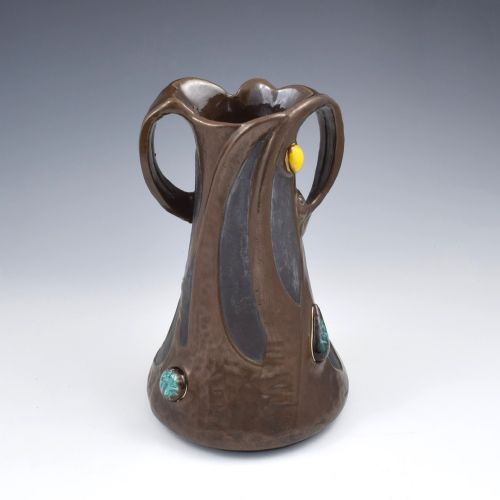
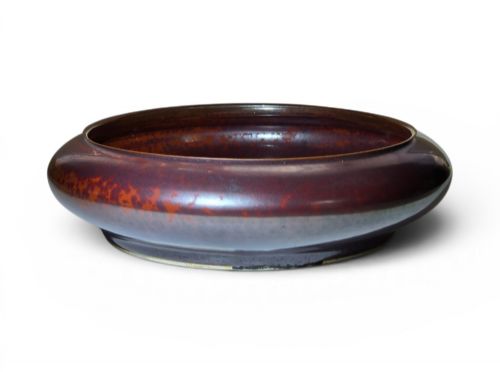
The pieces on this page lean heavily towards the robust output of British potteries working in Victorian and Arts and Crafts idioms. You will frequently find tall jugs, vases, and jardinières bearing rich, dark surface treatments.
Makers from this era harnessed natural mineral oxides to create deep autumnal hues that define the aesthetic. Collectors seek out these utilitarian and decorative forms for their tactile surfaces and historic weight.
How they were made
Potters utilised robust clays such as stoneware and earthenware, throwing them on a wheel or pressing them into moulds before applying mineral-heavy liquid slips and glazes. Firing these pieces at high temperatures fused the vitreous coatings directly into the body.
Specialised techniques like salt glazing introduced sodium chloride into the kiln during firing, creating an orange-peel texture across the surface. Other makers relied on lead glazes or copper effects to achieve deep metallic sheens and glossy finishes.
Art Nouveau and Arts and Crafts styles dominate the decorative output recorded across these nineteenth and early twentieth-century pieces.
What varies in quality
Quality separates mass-produced utility wares from pieces that display deliberate artistic ambition in their execution. The crispness of incised decoration and the depth of the glaze reveal the hand of a skilled decorator.
The involvement of named artists and specific studio workshops elevates an object beyond standard factory output. Heavier potting and balanced proportions signal superior control in the kiln.
Royal Doulton·Doulton Lambeth·Burmantofts Faience·Sherwin And Cotton·Boch Freres
The Brown Glaze Art Pottery Glossary
- Stoneware
- A dense, impermeable ceramic fired at high temperatures until the clay body vitrifies. It resists moisture entirely without requiring a secondary glaze.
- Salt glaze
- A glassy, textured finish achieved by throwing common salt into the kiln during high-heat firing. This reaction creates a distinctive pitted surface resembling an orange peel.
- Jardiniere
- An ornamental ceramic pot designed to hold a large live plant or floral arrangement. These vessels frequently feature heavy relief decoration or rich coloured slips.
- Slipware
- Pottery decorated with a thin mixture of clay and water applied before firing. It allows for flowing linear patterns beneath a clear or tinted glaze.
- Faience
- Tin-glazed earthenware produced across Europe, known for its opaque surface and painted or moulded ornament. The term often describes decorative architectural ceramics from the late nineteenth century.
Brown Glaze Art Pottery: Frequently Asked Questions
What is brown glaze art pottery?
These items comprise utilitarian and decorative ceramic vessels created during the Victorian and Edwardian eras using dense clays and rich mineral glazes.
Potters utilised salt glazing, slip, and metallic oxides to produce deep autumnal tones across vases, jugs, and architectural tiles.
How were these ceramic vessels used?
Many pieces served practical domestic purposes in the dairy or kitchen, such as heavy bowls, teapots, and pitchers.
Other examples functioned purely as decorative items, including large jardinières, mantel vases, and framed decorative tiles designed to display rich surface textures.
How do I date a piece?
Stylistic clues such as Art Nouveau floral motifs, Arts and Crafts restraint, and Victorian architectural decoration help narrow down the period of manufacture.
Base stamps, incised artist initials, and factory marks provide more precise confirmation of the workshop and production era.
How do I live with these antiques?
Their heavy stoneware bodies and earthy tones make them durable additions to rustic, traditional, or contemporary interior schemes.
They pair well with natural wood and textiles, functioning effectively as standalone decorative objects or containers for dried botanicals.