
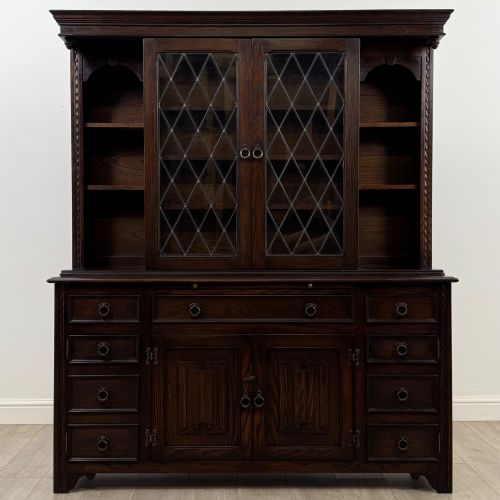

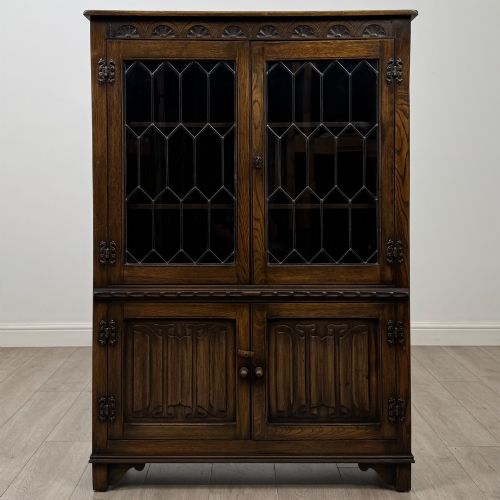
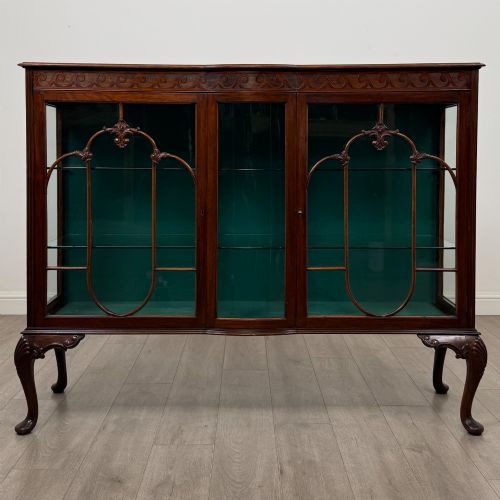
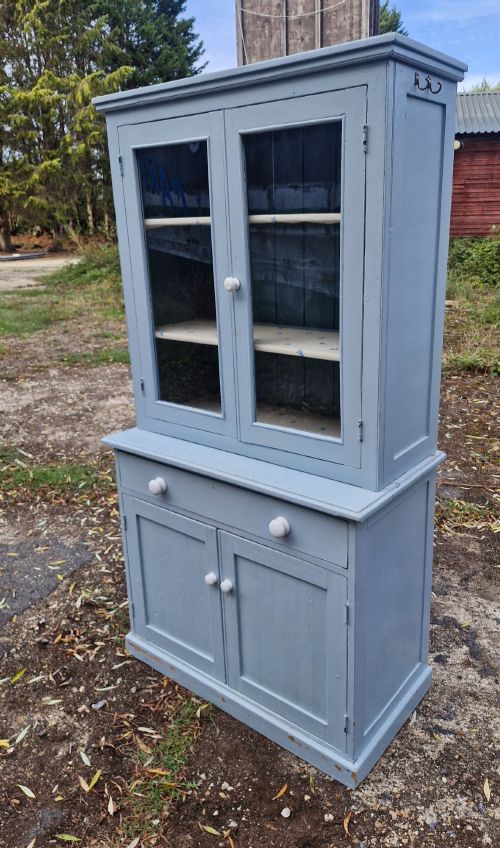
Vintage Glazed Display Unit
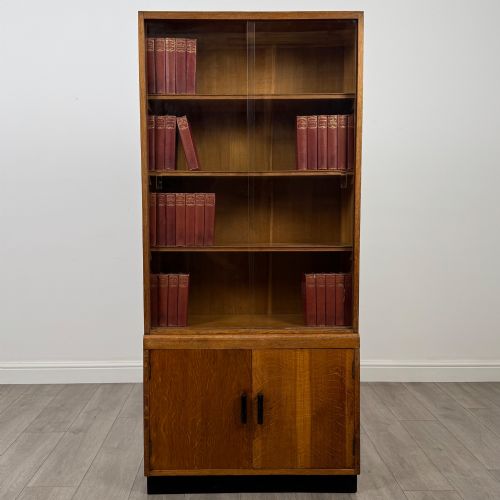
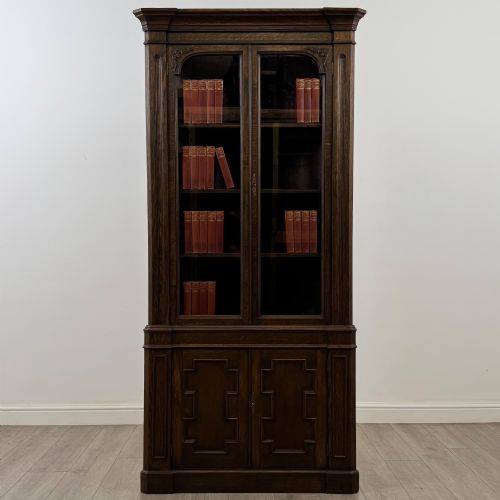
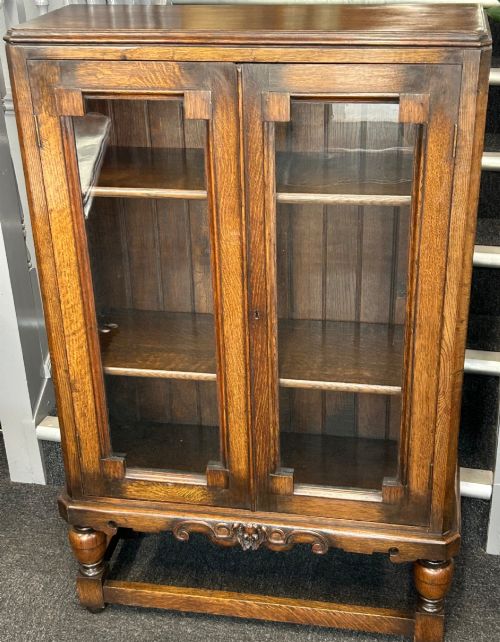
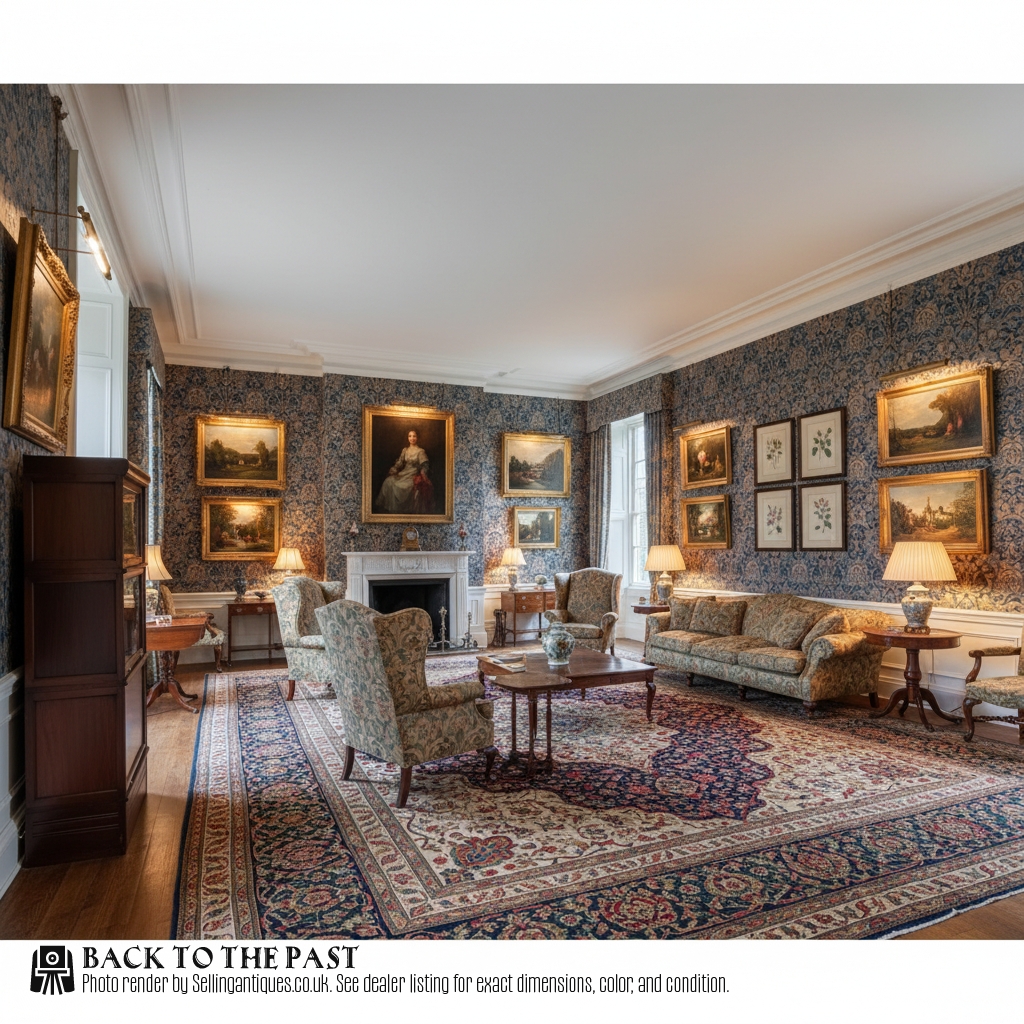
A vintage glazed display unit brings proportion and light to a room, holding collections behind glass panels.
Vintage Glazed Display Unit
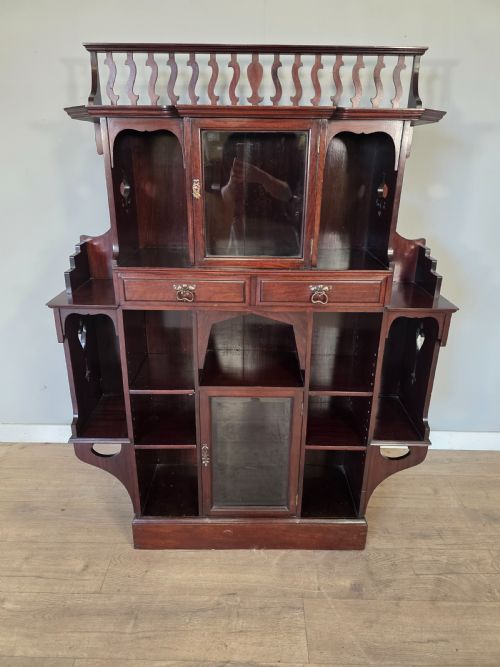
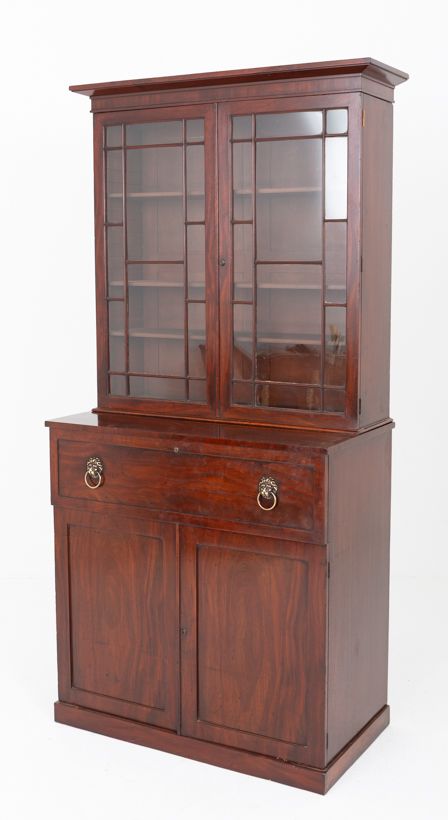
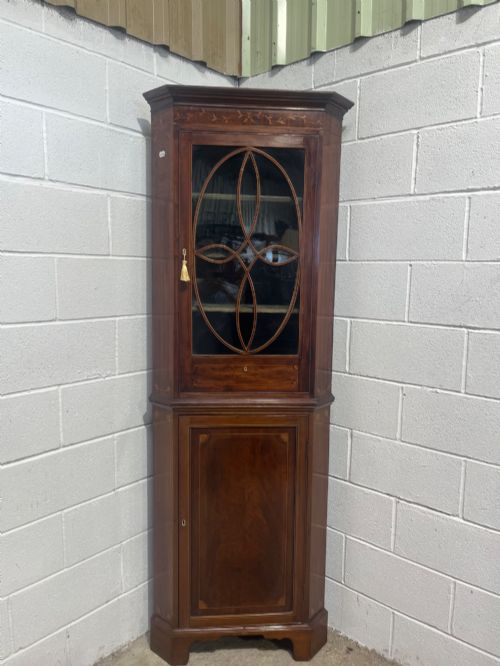
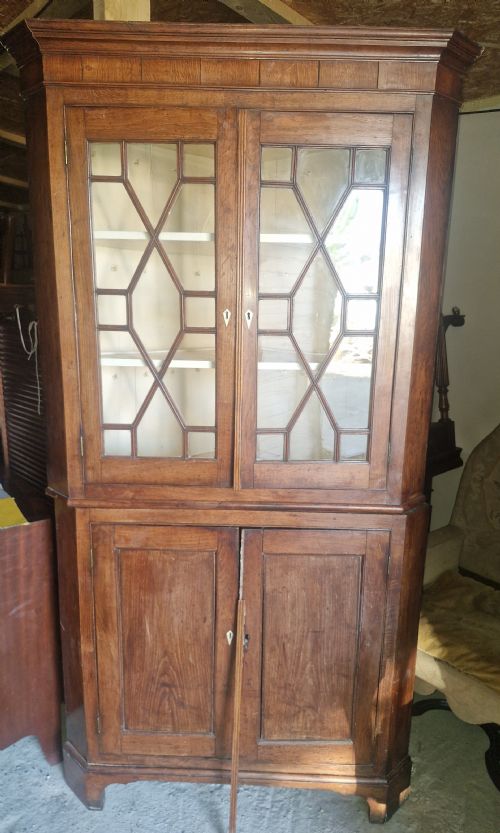
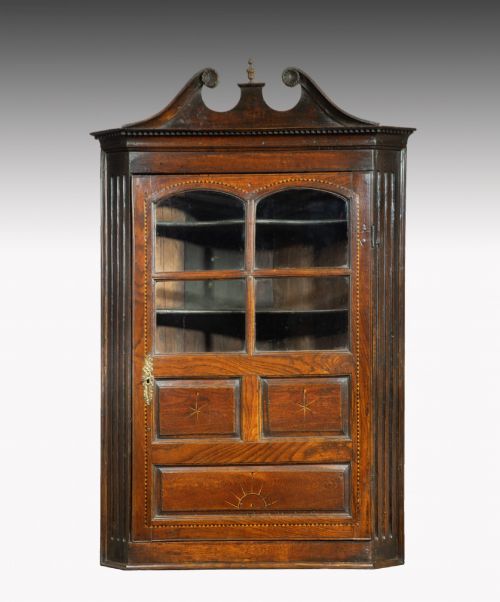
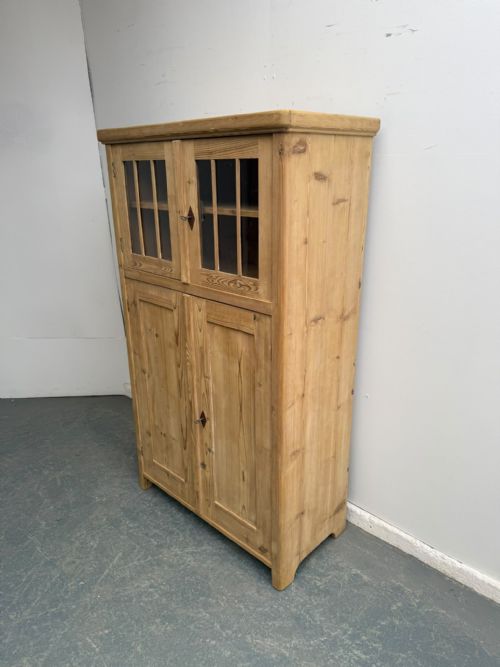
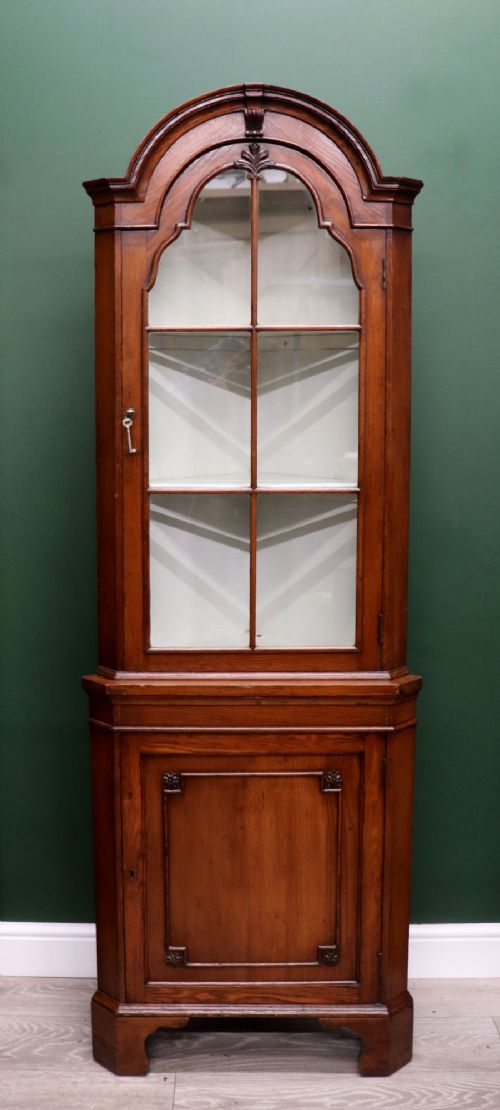
A vintage glazed display unit serves to exhibit and protect ceramics, books, and small objects within domestic spaces. Buyers searching for a vintage glazed display unit encounter forms ranging from tall floor-standing corner cupboards to two-part dressers and wall-hanging cabinets.
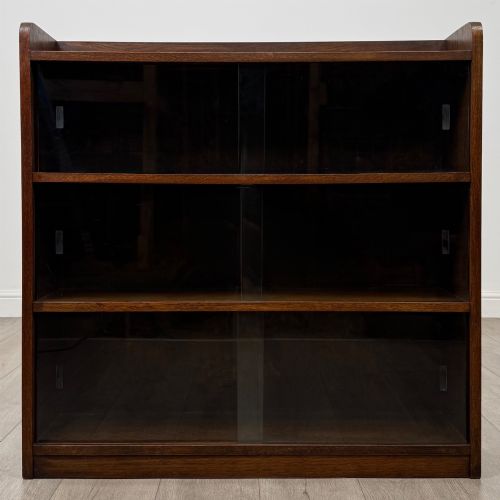
The selections span distinct periods including the Edwardian era, the nineteenth century, and the nineteen-thirties. Forms vary from straightforward oak shelving units to elaborate glazed mahogany cabinets and Art Deco haberdashery storage pieces.
Originating styles frequently reflect revivals such as Chippendale and Sheraton, alongside functional pieces like medical cabinets and stacking bookcases. These units adapt easily to modern interiors while retaining their original storage function.
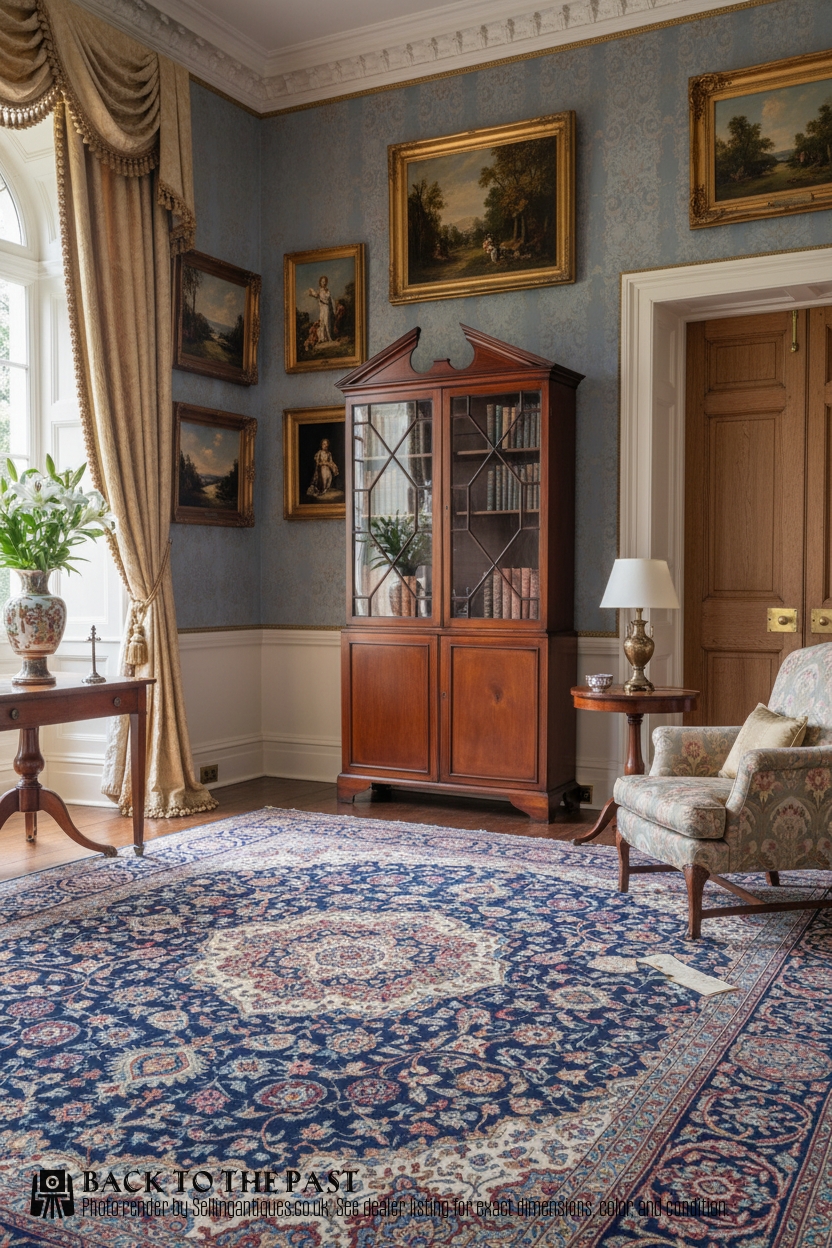
Materials and Construction
Cabinet makers utilised dense hardwoods including mahogany, oak, walnut, and satinwood inlay, often pairing them with structural pine or fabric linings. Lead is occasionally used to hold individual glass panes together within doors.
Joinery techniques focus on stability and display, employing glazed doors alongside brass fittings and intricate marquetry. Surfaces are finished to highlight natural grain patterns or painted where pine forms the primary structure.
Vintage Glazed Display Unit Retail Price Guide 2026
Typical asking prices for vintage glazed display unit among the pieces listed under this phrase on Sellingantiques today, from the lower quarter to the upper quarter. They describe what is for sale here now, not the wider market.
Medical cabinets scrub up nicely for bathroom storage.
Assessing Quality and Craftsmanship
Quality rests in the precision of the timber selection and the refinement of inlay work, such as delicate satinwood stringing on mahogany surfaces. Superior pieces display harmonious proportions and careful attention to the grain alignment on doors and cornices.
The execution of the glazing bars and the condition of the original glass panes separate standard storage items from finer display furniture. Robust internal construction, sound hinges, and uncompromised structural integrity define the upper tier of these cabinets.
Epstein·Heals
The Vintage Glazed Display Unit Glossary
- Glazing bar
- A wooden strip that holds individual panes of glass within a cabinet door. These dividers form geometric patterns characteristic of specific design periods.
- Marquetry
- Decorative veneer work arranged in pictorial or ornamental patterns using various coloured woods. Craftsmen apply this technique to enrich flat cabinet surfaces.
- Corner cupboard
- A specialised cabinet designed to fit neatly into the corner of a room. These units make efficient use of otherwise neglected domestic space.
- Haberdashery cabinet
- A shop display unit featuring multiple glass-fronted drawers or compartments originally used for selling textiles. Collectors prize these for their structured visibility.
- Secretaire
- A cabinet incorporating a pull-down writing flap concealing a desk interior. It combines enclosed storage with a functional writing surface.
Vintage Glazed Display Unit: Frequently Asked Questions
What is a vintage glazed display unit used for?
These cabinets serve primarily to exhibit decorative objects, china, and books while keeping dust away behind glass doors.
They function as practical storage furniture that adds architectural interest to living rooms, dining spaces, or hallways.
How do I distinguish Edwardian display units?
Edwardian pieces often feature light mahogany timbers adorned with subtle satinwood inlay, marquetry, and Sheraton revival motifs.
They tend to present brighter finishes and refined proportions compared to heavier Victorian counterparts.
Are corner cabinets practical for small rooms?
Corner cupboards utilise empty wall junctions efficiently, offering deep storage without protruding far into the main floor space.
Floor-standing and wall-hanging variants both help maximise usable room dimensions.
What is a haberdashery display cabinet?
Originally designed for retail shops to display textiles and haberdashery goods, these pieces feature extensive glass viewing areas.
In domestic settings, they provide organised, visible storage for collections and clothing items.