
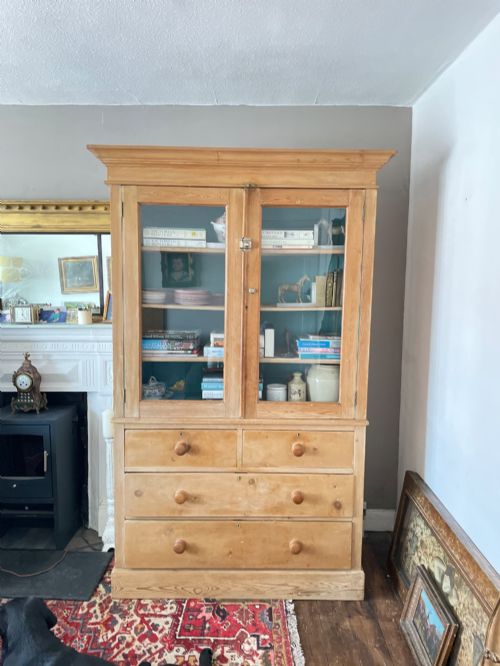
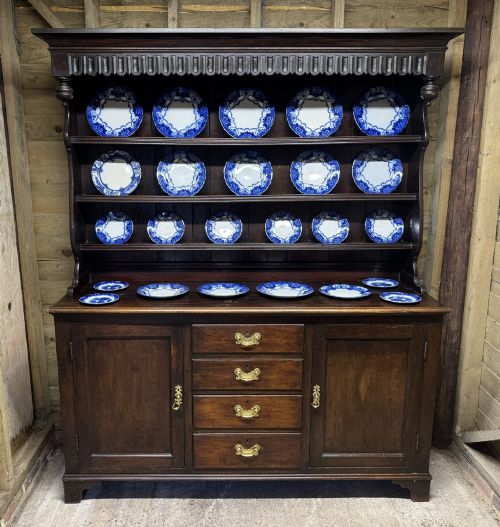
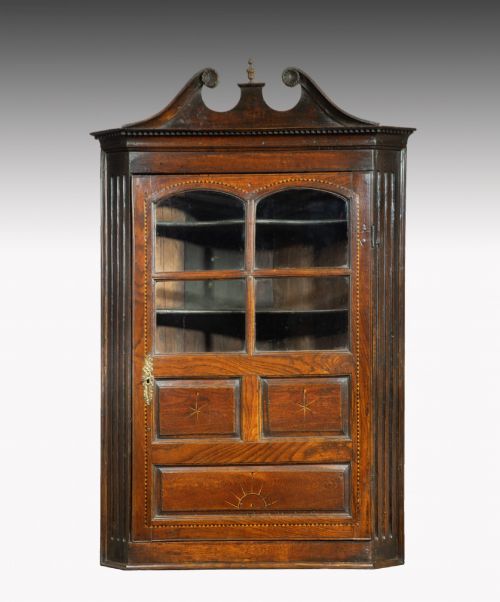

Traditional China Cabinet
A traditional china cabinet holds family porcelain behind glass, bringing rich timber and timeless craft into a room.
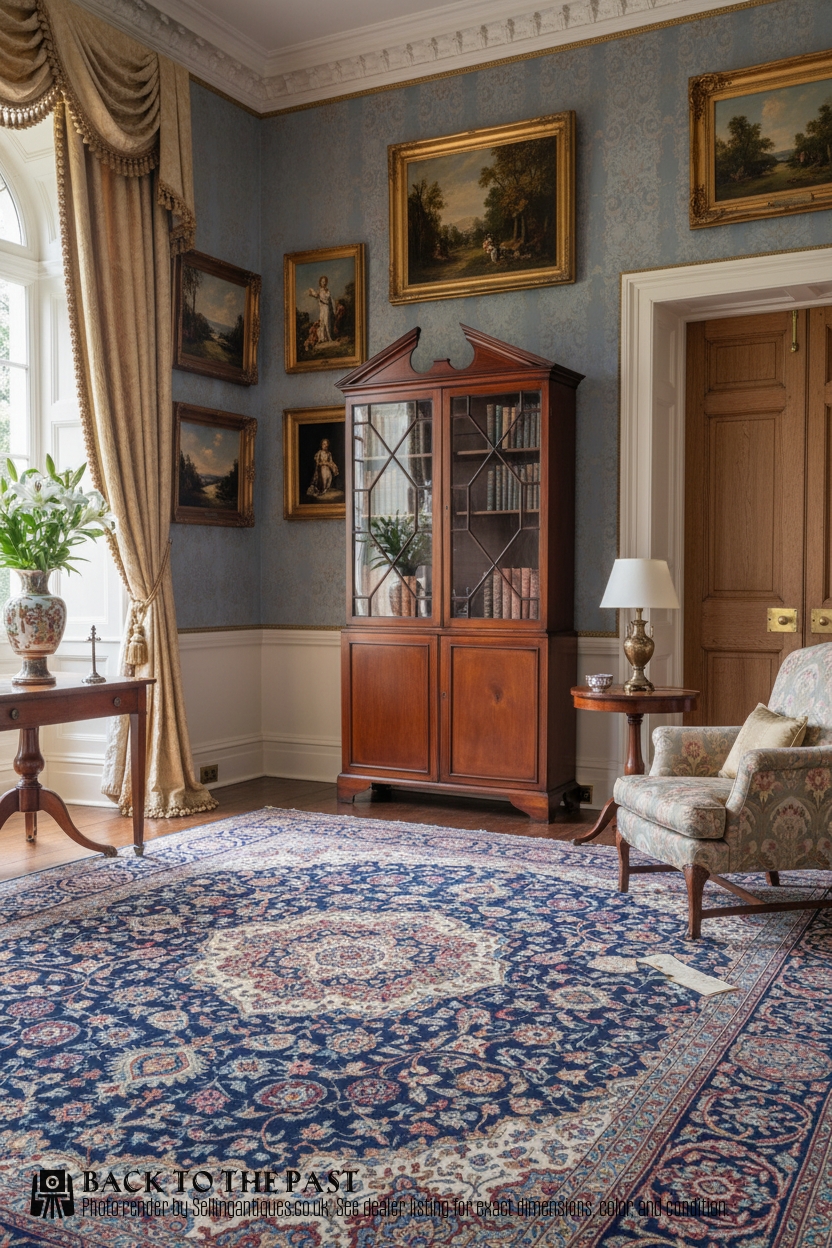
Traditional China Cabinet
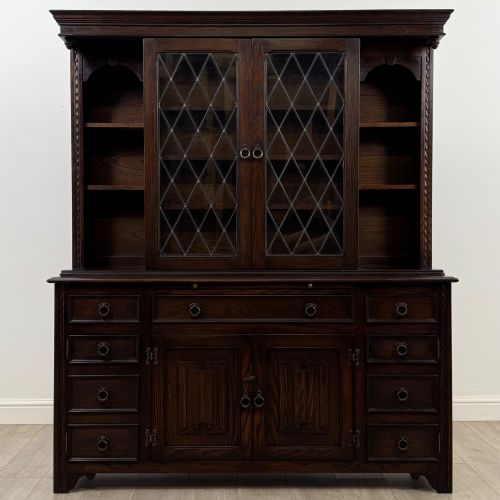
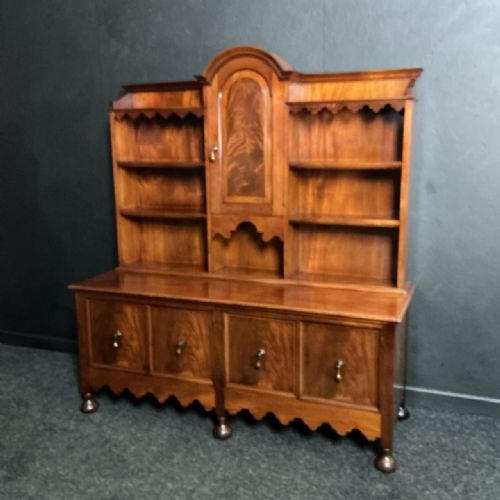
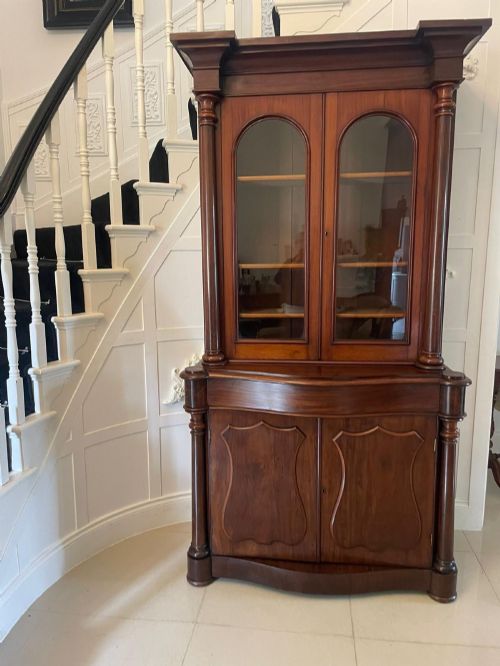
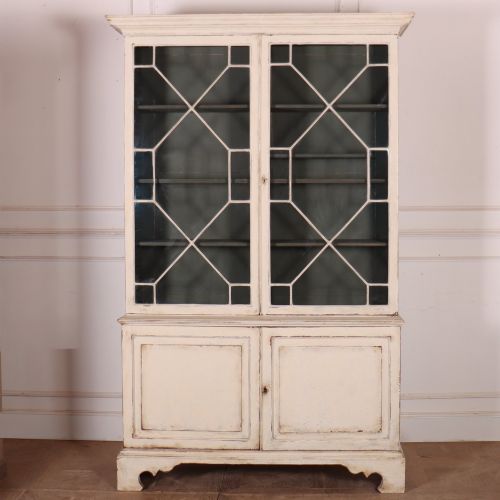
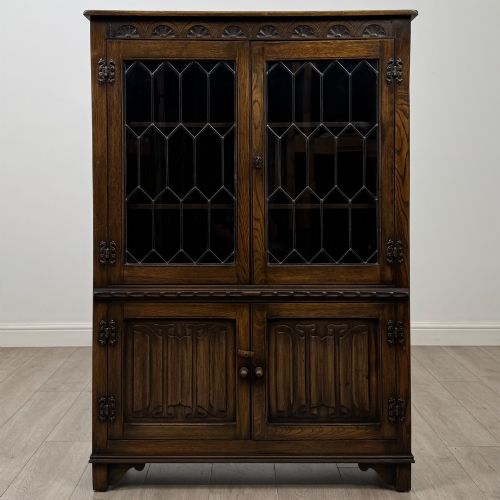
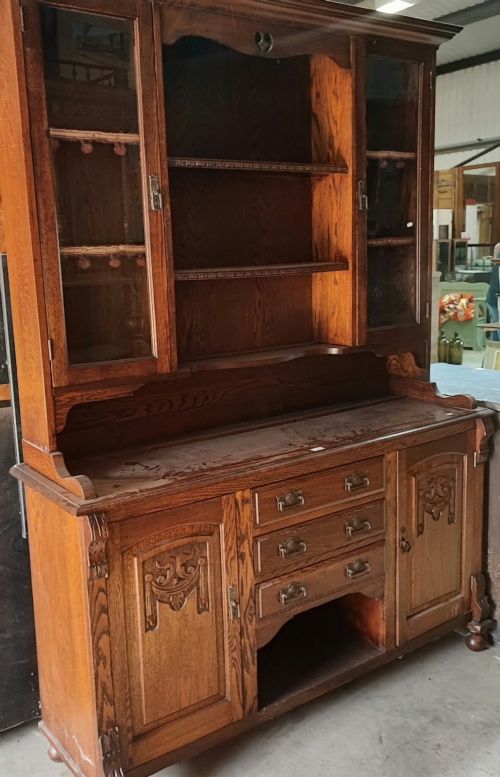
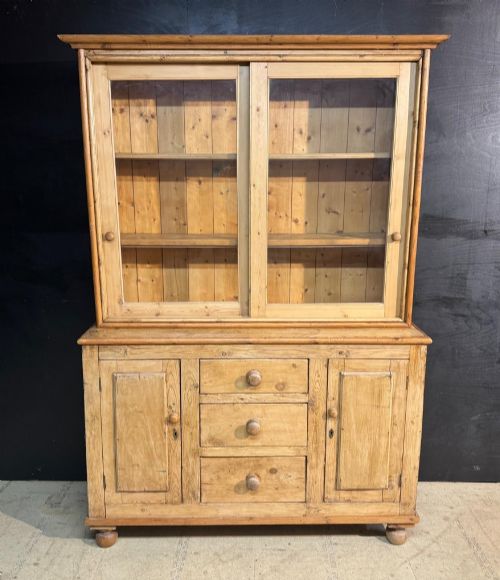
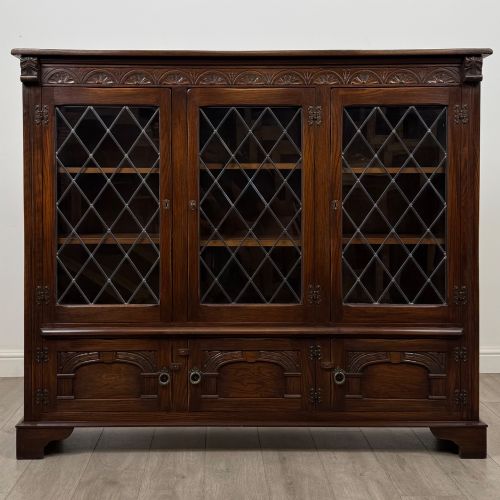
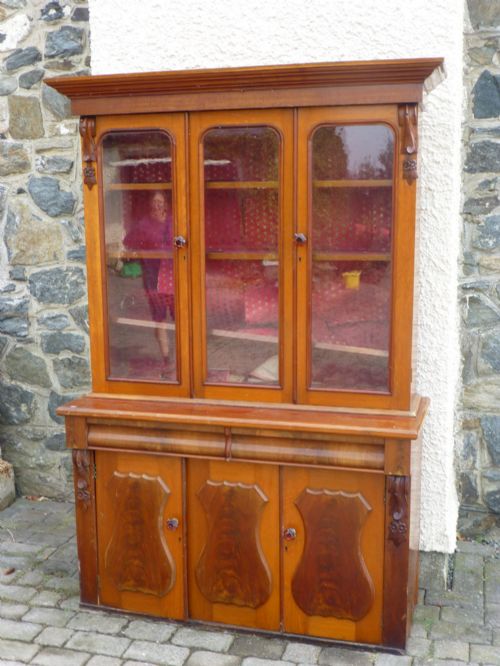
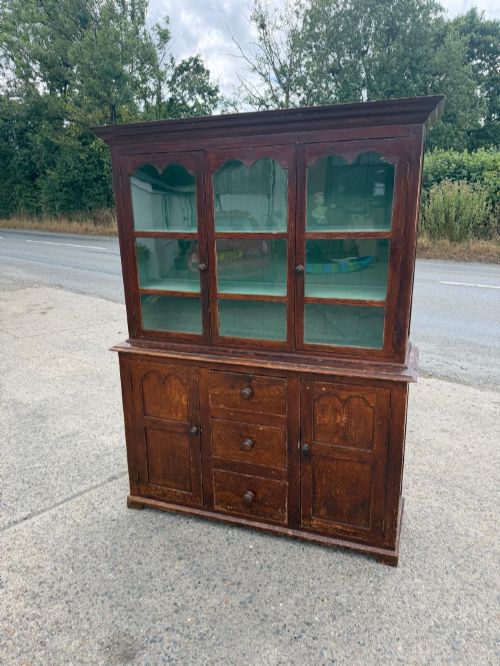
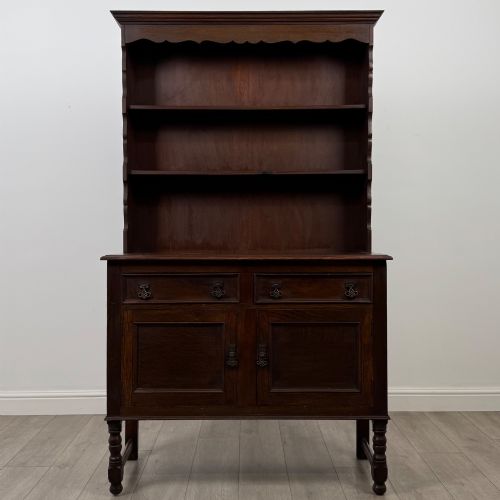
When searching for a traditional china cabinet, you encounter a range of timber display furniture designed to hold plates, books, and glassware. The selection includes corner cupboards, breakfront bookcases, and glazed dressers originating from periods such as the eighteenth century, the Victorian era, and the Edwardian period.
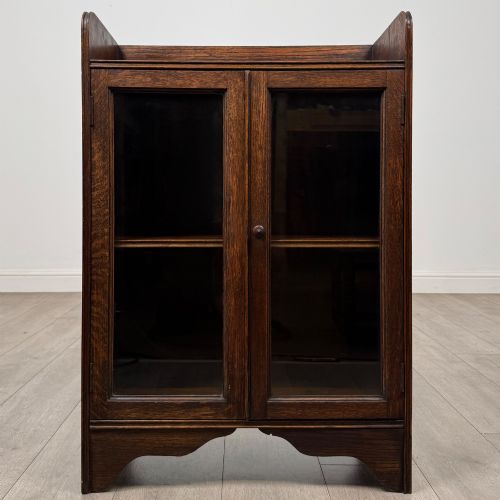
The version you are most likely to meet on this page is an oak or mahogany display cabinet featuring glazed doors and timber shelving. These pieces vary from compact corner units to large breakfront bookcases and kitchen dressers built in English and Dutch workshops.
Makers and cabinetmakers built these storage forms to protect delicate ceramics from dust while displaying collections clearly in dining rooms and parlours. The integration of glass panels with timber chassis remains the defining characteristic across all listed examples.
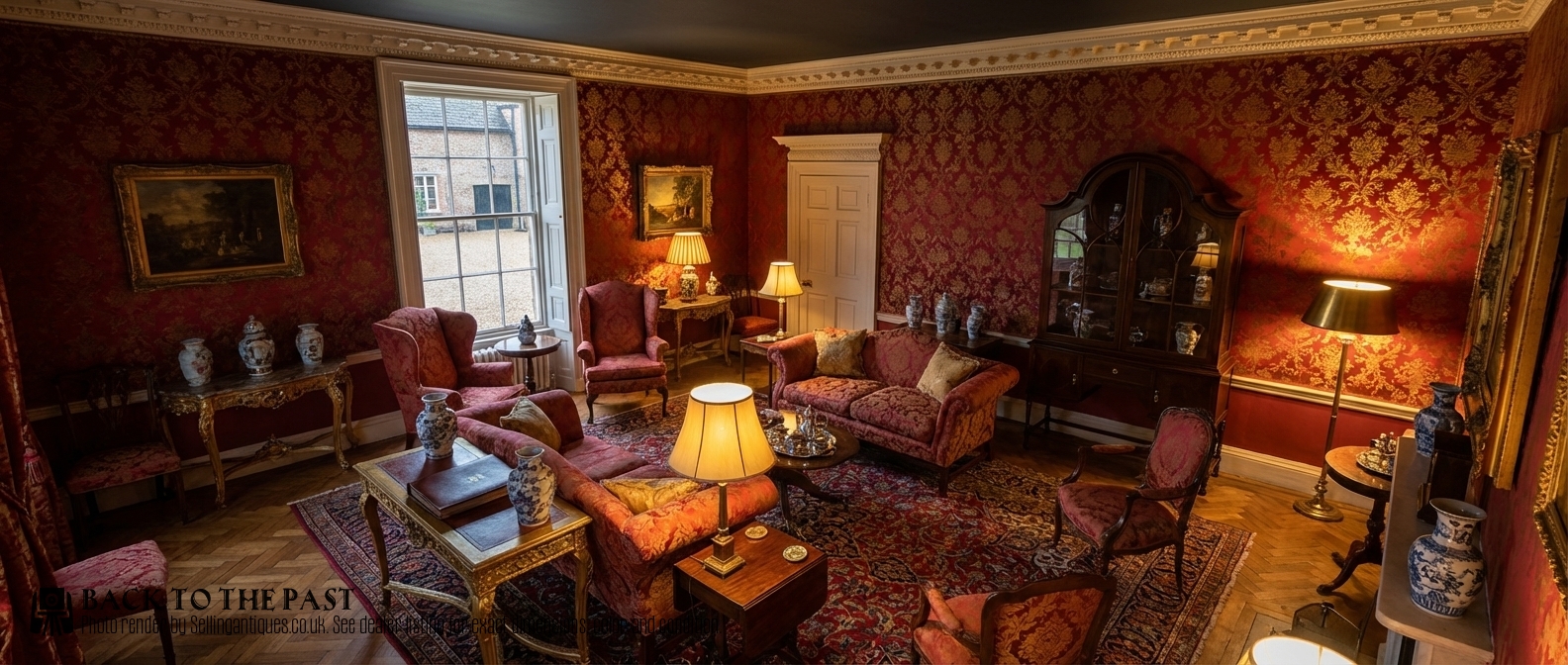
How they were made
Cabinetmakers constructed these pieces primarily using solid hardwoods and softwoods including oak, mahogany, walnut, and pine. Structural integrity depended on traditional joinery methods, while brass hardware secured doors and fitted drawers.
Glazing techniques utilised lead and timber bars to hold individual glass panes within cabinet doors. Painted finishes, wax treatments, and detailed carvings in oak or burr walnut completed the decorative exterior surfaces.
Listings feature oak, mahogany, walnut, and pine across eighteenth-century, Victorian, and Edwardian periods.
What varies in quality
The standard of timber selection and cabinet construction separates standard utility pieces from finer examples. Superior cabinets display carefully matched wood veneers like burr walnut alongside crisp hand-carved details and well-balanced proportions.
Interior execution, such as polished timber shelving, painted linings, and refined brass fittings, indicates the original maker's investment of time and skill. The clarity of the glass and the tightness of the door joints further define the grade of the cabinet.
The Traditional China Cabinet Glossary
- Breakfront
- A cabinet design where the central section projects forward from the flanking wings. This architectural arrangement creates depth and visual interest in large bookcases.
- Vitrine
- A glass-fronted display cabinet specifically designed for showing porcelain and small decorative objects. These glazed cases often feature mirrored or painted interiors.
- Astral glazing
- Door framing where slender timber bars divide the glass into smaller geometric panes. This technique lightens the visual weight of large cabinet doors.
- Welsh dresser
- A traditional storage unit combining base cupboards or drawers with open upper plate racks. They originated in rural kitchens for domestic utility.
- Marquetry
- Decorative inlay work using various coloured wood veneers to create pictorial patterns. Dutch cabinets frequently employ this technique on their primary surfaces.
Traditional China Cabinet: Frequently Asked Questions
What is a traditional china cabinet used for?
These cabinets serve to store and exhibit ceramic plates, glassware, and treasured collections behind protective glass doors. They keep delicate items free from dust while allowing them to remain visible in living spaces.
Historically, households used them in dining rooms and parlours to showcase best tableware for guests. Today, they function similarly for displaying vintage ceramics and books.
How do I clean a wooden display cabinet?
Dust the exterior timber regularly with a soft, dry cloth to prevent dirt accumulation. Avoid harsh chemical sprays that can strip traditional wax and polish finishes.
For the glass panels, apply a mild glass cleaner to a cloth rather than spraying directly onto the door. This protects the surrounding wood and lead or timber glazing bars from moisture damage.
How can I tell an Edwardian cabinet from a Victorian one?
Edwardian pieces, often made around nineteen hundred, tend to feature lighter oak construction and sometimes incorporate satinwood or marquetry details. Their designs frequently look back to earlier Georgian styles with cleaner lines.
Victorian cabinets generally utilise heavier timbers like dark mahogany or tiger oak with deeper mouldings and more ornate carving. Examining the interior construction and timber type helps clarify the manufacturing era.
Can I adjust the shelves in an antique cabinet?
Most antique cabinets feature fixed wooden shelves supported by structural partitions or fixed battens rather than modern metal peg systems. Altering shelf heights generally requires professional joinery work.
When planning what to display, measure the fixed vertical clearance between shelves to ensure your tall plates or books will fit comfortably.
Where should I place a glazed cabinet in my home?
Position the cabinet against an interior wall away from direct sunlight to protect timber finishes and stored textiles or paper from fading. Ensure the floor is level so the glazed doors hang true and close evenly.
Allow sufficient clearance in front of the cabinet for doors to swing open fully without striking other furniture.