

Georgian Mahogany Glazed Bookcase
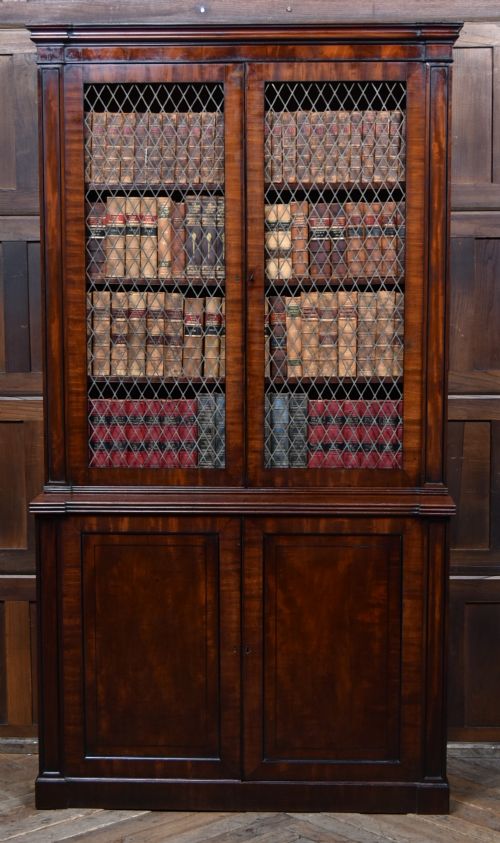
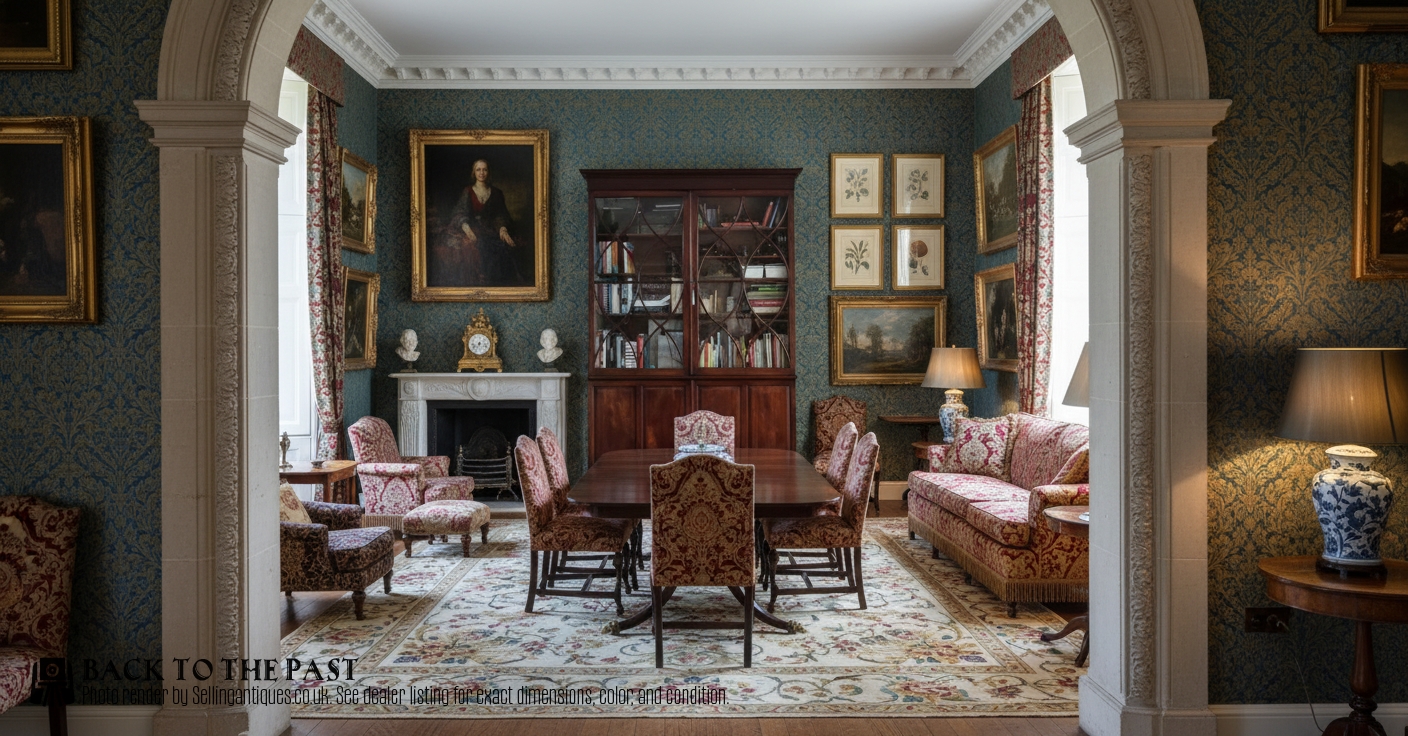
A georgian mahogany glazed bookcase holds a room together, offering display behind glass and storage below.
Georgian Mahogany Glazed Bookcase
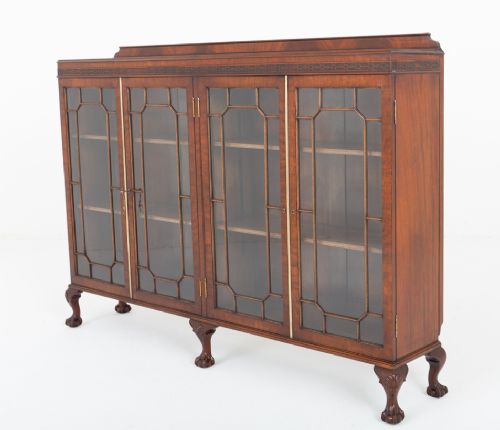
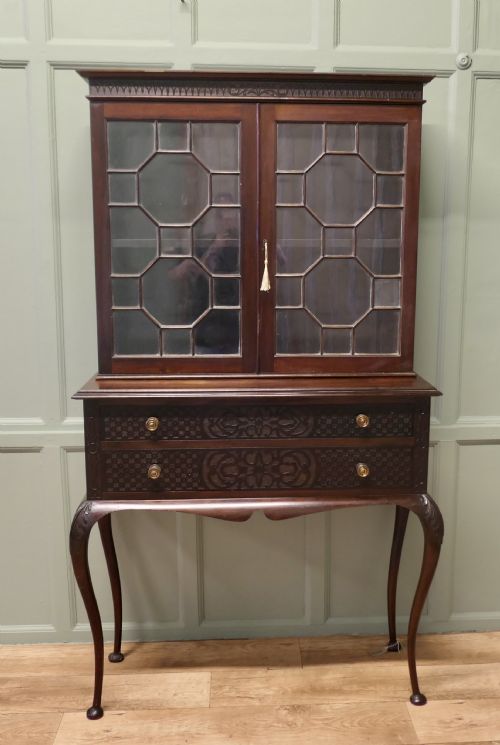
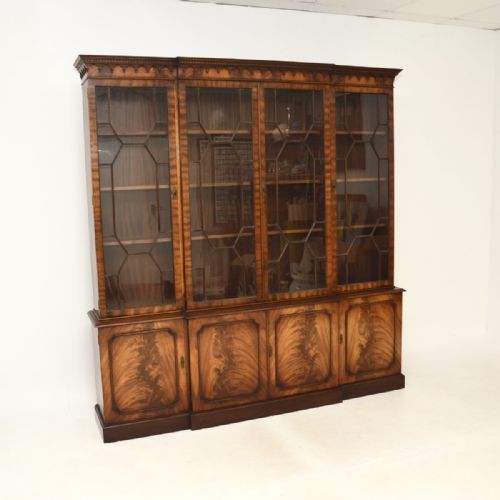
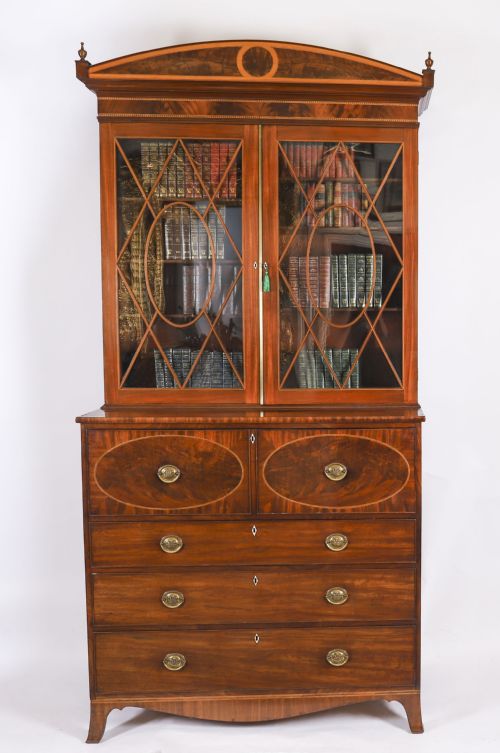
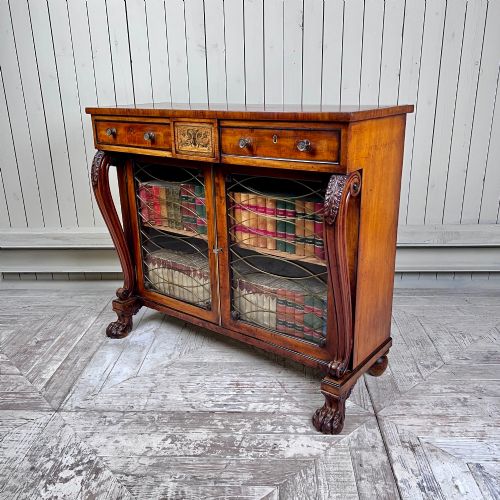
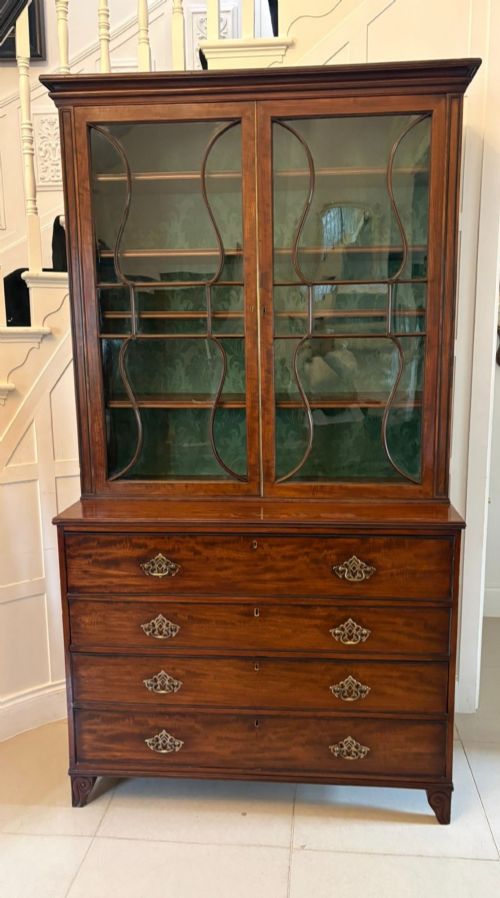
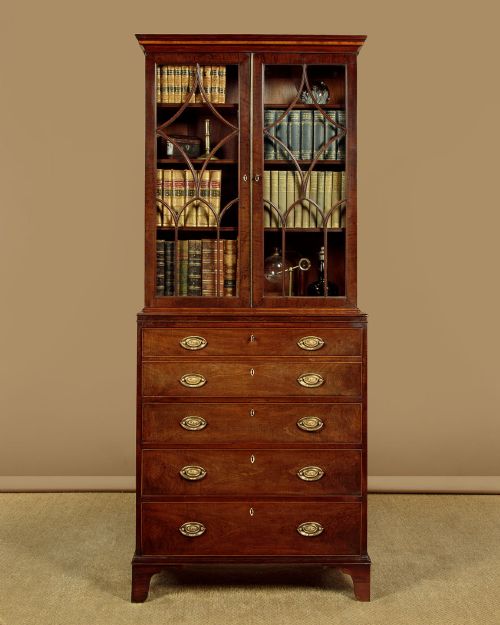
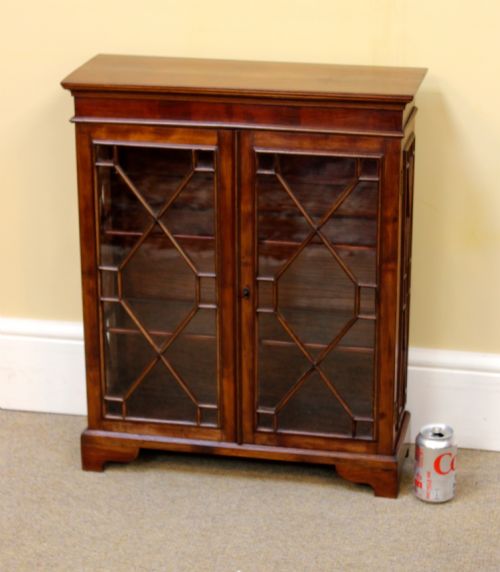
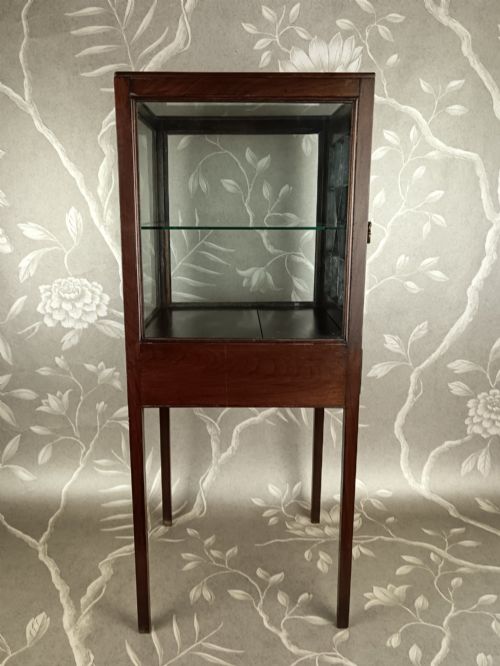
When you search for a georgian mahogany glazed bookcase, you encounter tall upright furniture designed to house libraries and display collections behind transparent panels. These pieces span the eighteenth and nineteenth centuries, including later revivals from the Edwardian era.
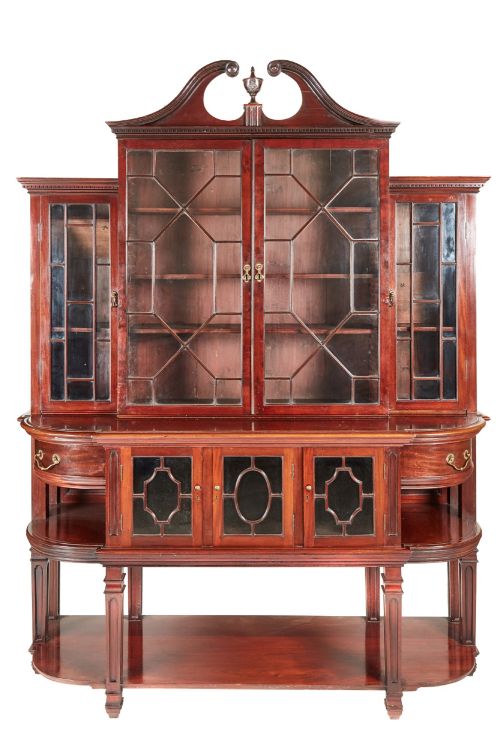
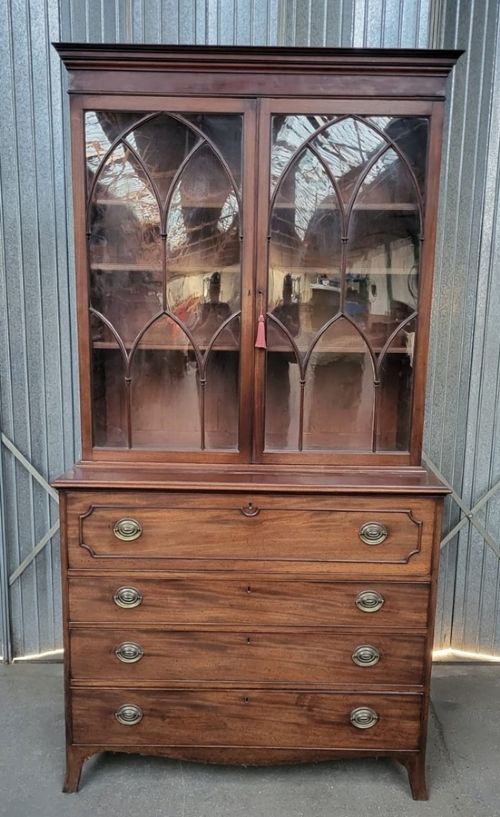
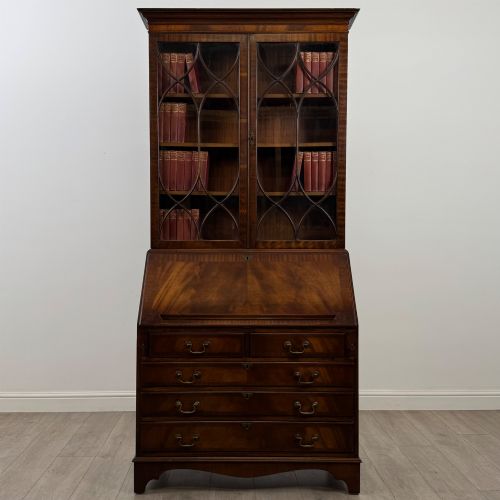
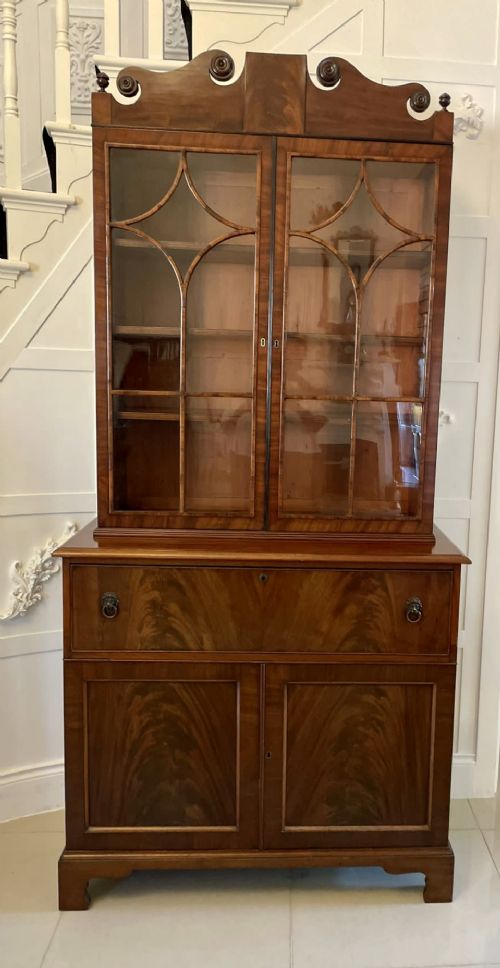
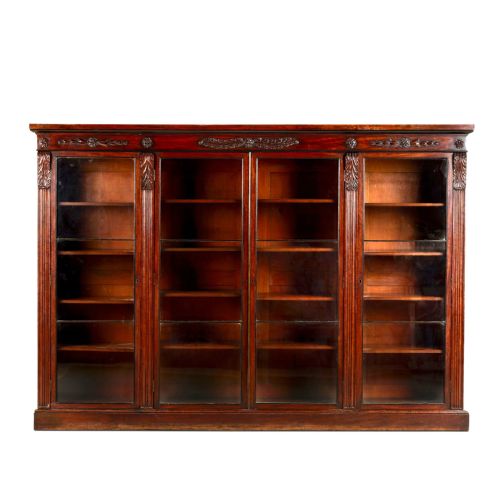
The most common formats on this page include breakfront library editions, bureau bookcases with drop-down writing desks, and two-door display cabinets. Many incorporate a lower cupboard section enclosed by solid timber doors beneath the upper glazed compartment.
Origins range from authentic George III workshop pieces through Regency interpretations to twentieth-century reproductions built in the Georgian style. The scale varies from small bureau variations suitable for tight corners to massive multi-door library installations.
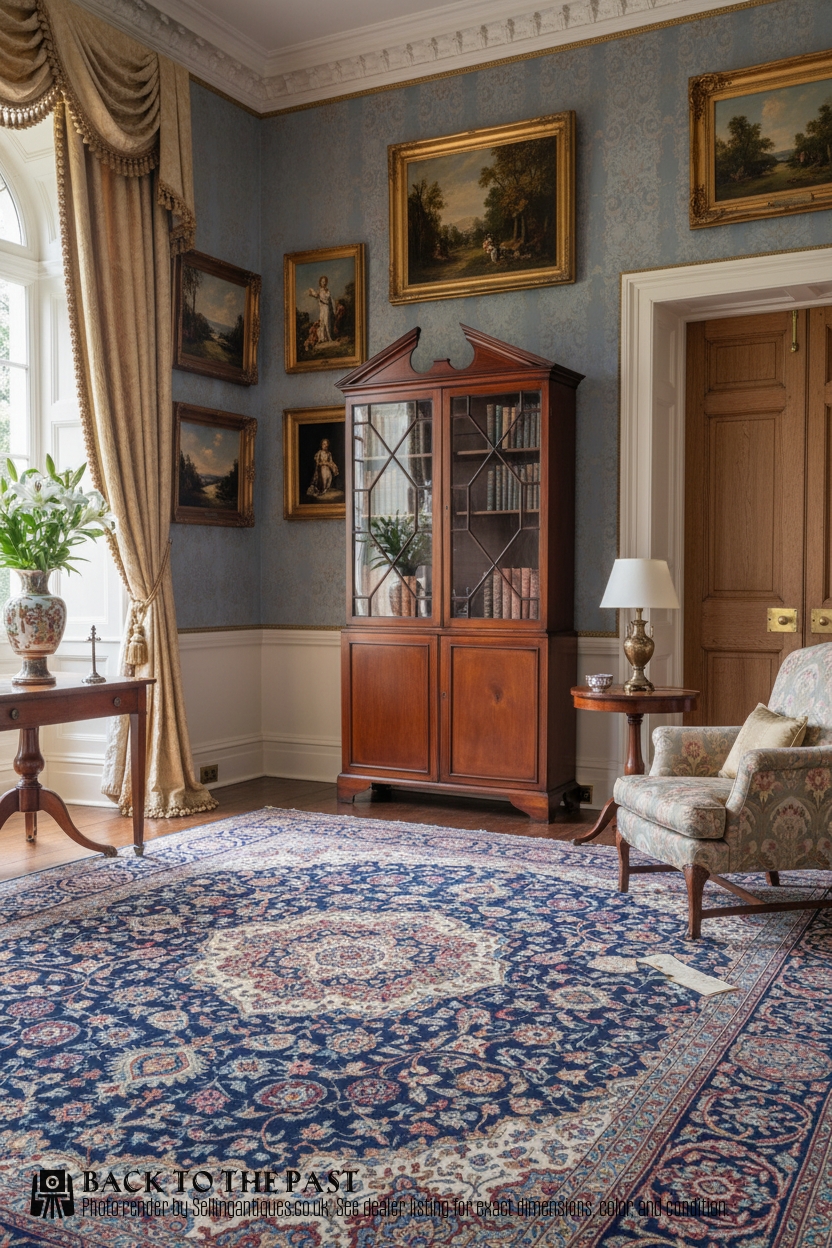
Materials and Joinery
Makers relied principally on solid mahogany and figured mahogany veneers, frequently selecting flame mahogany to create dynamic grain patterns across drawer fronts and cupboard doors. Secondary timbers such as oak and pine appear in internal carcases and drawer linings.
Glazing relies on individual glass panes held within wooden bars, often shaped into astragal or astral configurations forming geometric or gothic arches. Brass hardware, ebony stringing details, and occasional wire mesh panels complete the structural palette.
Some secretaire drawers still retain faint traces of old ink stains hidden deep inside the secret pigeonholes.
Assessing the Craft
Quality rests on the selection of timber figures, where matched flame mahogany veneer and subtle inlay work elevate a piece far above plain stock. The crispness of the astragal bars holding the glass demonstrates the joiner's precision.
Proportion and architectural balance define the upper tier of these items, particularly in breakfront library configurations where cornice mouldings and plinth bases align correctly. Fitted interiors inside secretaire drawers further distinguish superior workshop production.
Thomas Chippendale·Tudor and Burrey·S and H Jewell
The Georgian Mahogany Glazed Bookcase Glossary
- Astragal glazing
- Wooden bars dividing glass panes into smaller geometric sections. These delicate mouldings frame the contents of the upper cabinet.
- Secretaire drawer
- A pull-out drawer featuring a drop-front that conceals small pigeonholes and writing surfaces. It transforms a standard bookcase into a compact desk.
- Breakfront
- A cabinet design where the central section projects forward from the flanking wings. This architectural arrangement creates depth and shadow across the façade.
- Flame mahogany
- Timber cut from the fork of the tree where branches join the trunk, producing a distinctive flickering flame pattern. Cabinet makers reserved this veneer for primary focal points.
- Cornice
- The decorative moulded projection running along the top of the bookcase. It finishes the architectural profile against the ceiling.
Georgian Mahogany Glazed Bookcase: Frequently Asked Questions
What is a secretaire bookcase?
A secretaire bookcase combines a top section of glass-fronted shelves with a middle drawer that drops open to reveal a fitted writing desk. Below this desk compartment, standard cupboard doors or chest drawers provide enclosed storage.
Craftsmen designed these hybrid items for domestic studies where floor space was limited. They allow an owner to write letters and read library volumes within a single piece of furniture.
How do I identify a George III bookcase?
George III bookcases typically date from the second half of the eighteenth century through to about eighteen hundred, exhibiting restrained classical proportions and solid mahogany construction. Look for hand-cut dovetails, original brass hardware, and fine astragal glazing bars.
Later revival pieces from the Edwardian period or twentieth century often imitate these eighteenth-century proportions. Examining the timber shrinkage and internal secondary woods helps clarify the actual age of construction.
Are the shelves adjustable?
Many period bookcases feature adjustable shelving systems utilising wooden ratchets, brass tracks, or peg holes punched inside the cabinet walls. This flexibility accommodated varying folio sizes within historic libraries.
Fixed shelves do appear in smaller provincial cupboards and specific older formats. Checking the interior uprights reveals whether the original maker intended for movable shelf placement.
How do I care for mahogany furniture?
Maintain mahogany bookcases by keeping them away from direct sunlight and strong heat sources that cause timber to dry and split. Regular dusting with a soft, dry cloth preserves the polished surface without building up heavy wax residues.
Leather writing surfaces inside secretaire drawers benefit from occasional neutral leather cream conditioning. Ensure interior glass panels are cleaned with standard glass cleaner applied to a cloth rather than sprayed directly near the wood.