
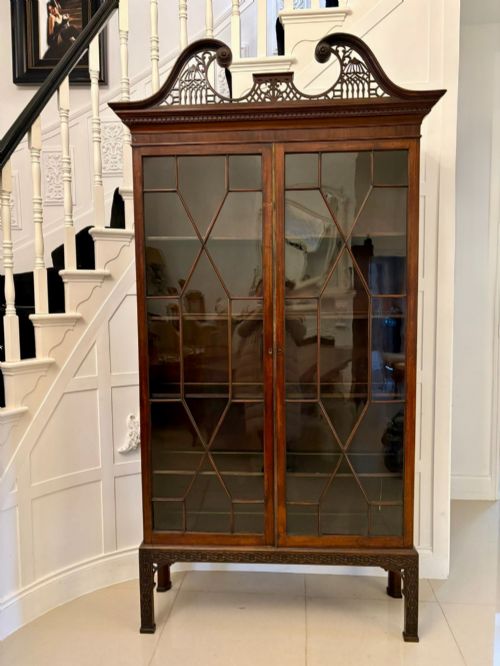
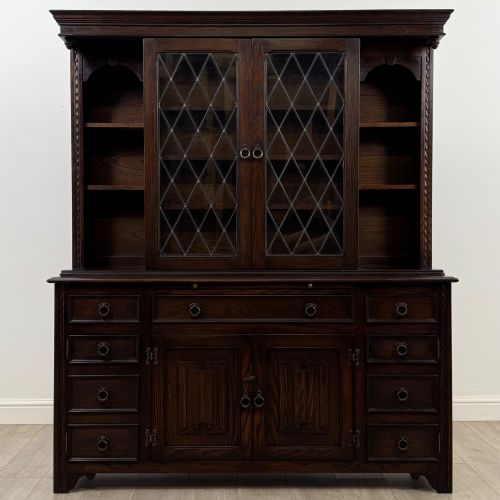
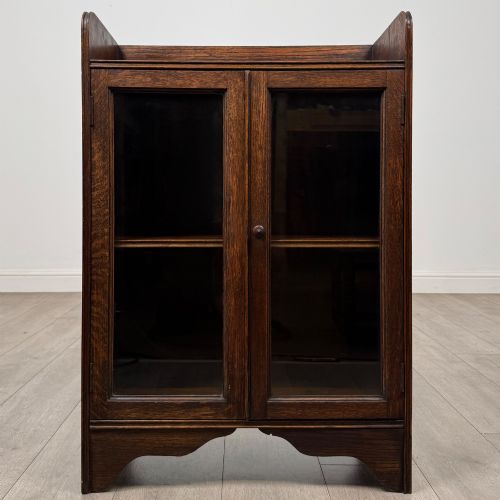
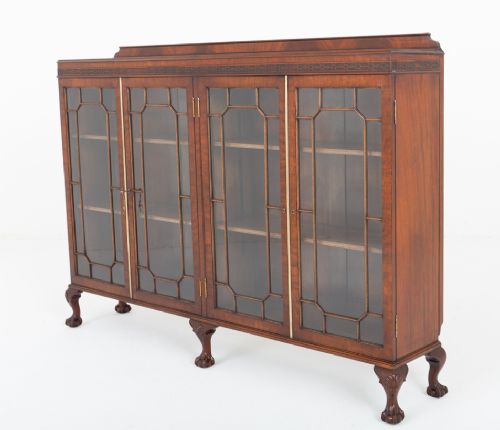
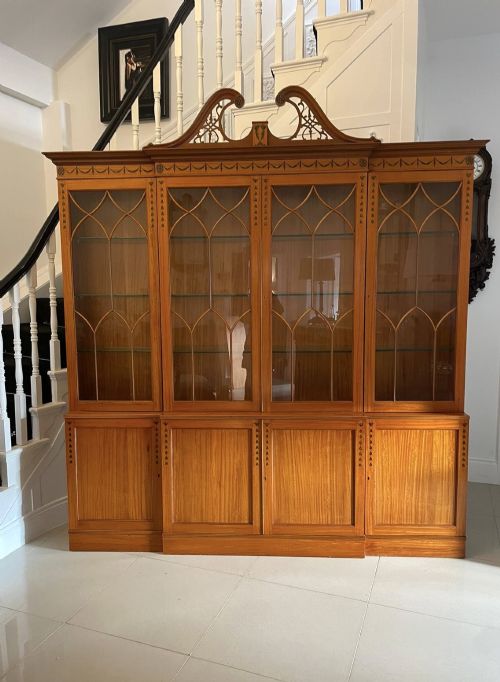
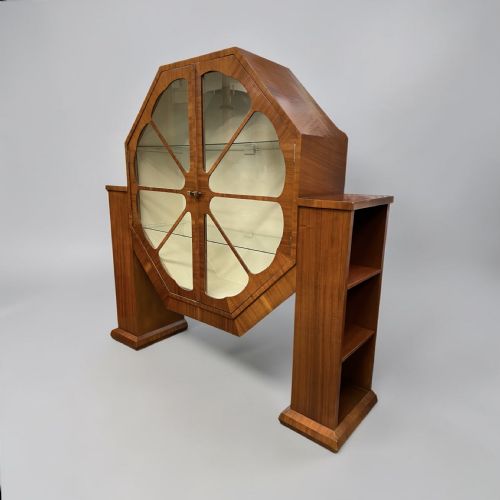
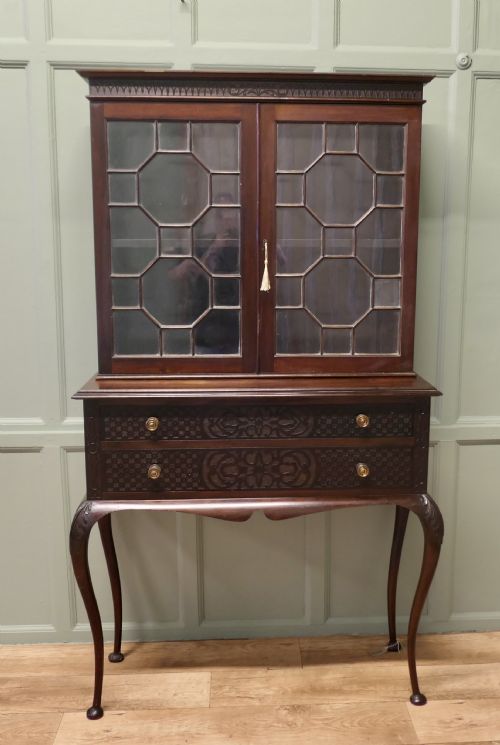
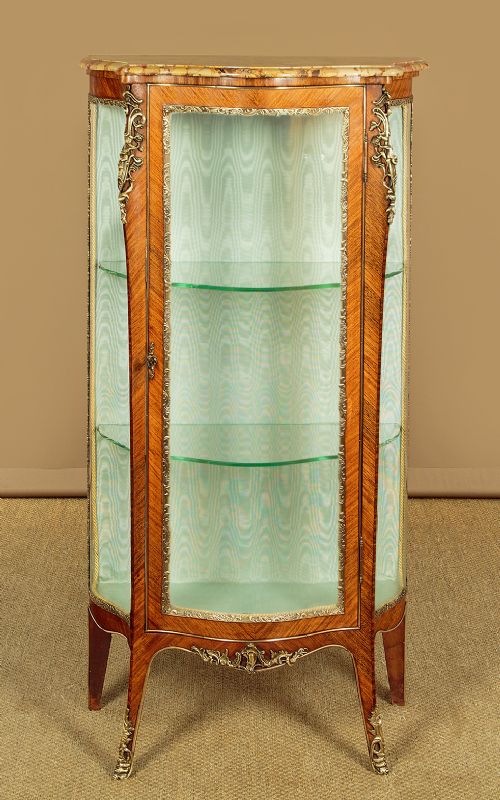
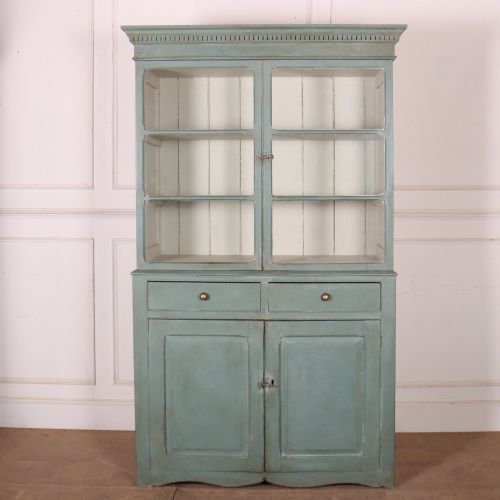
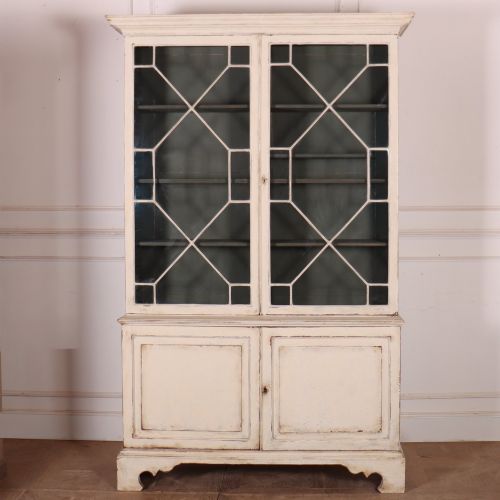
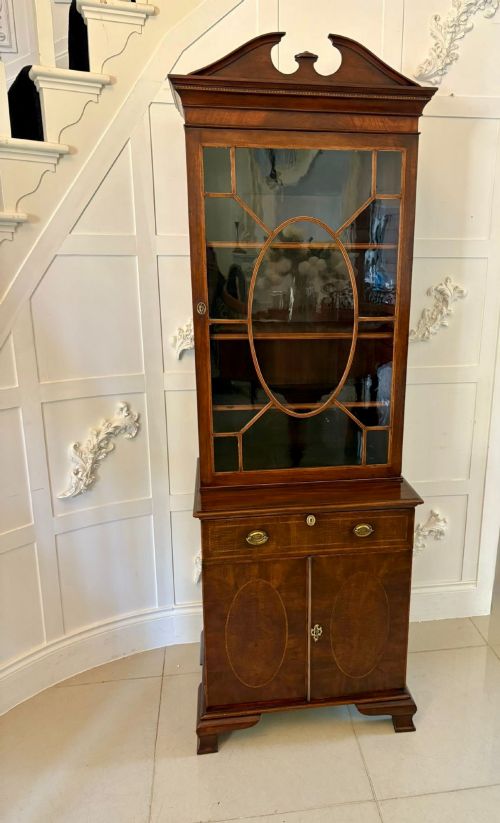
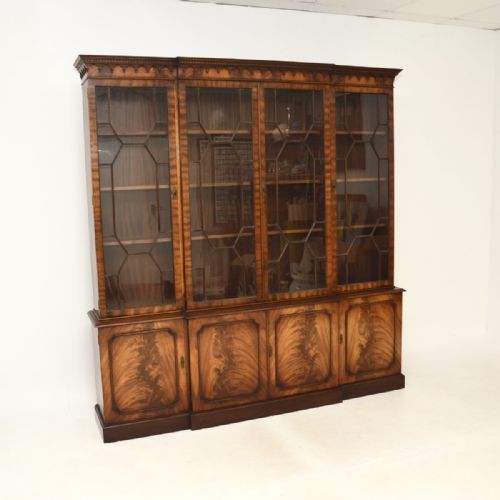
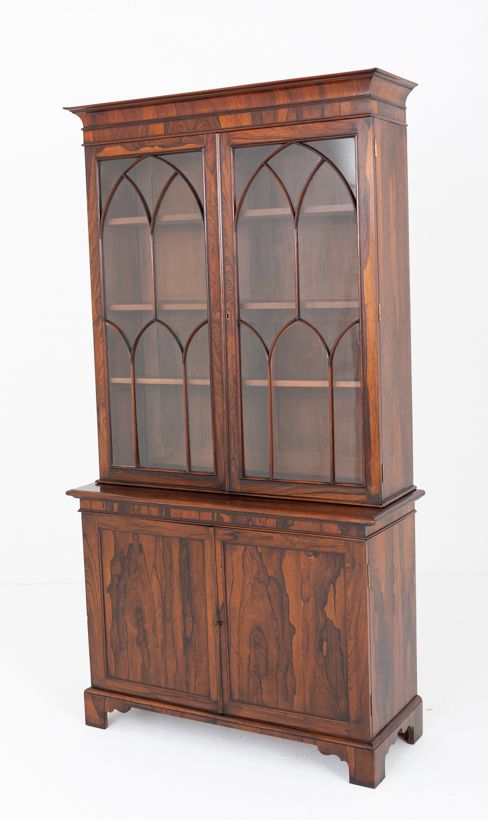
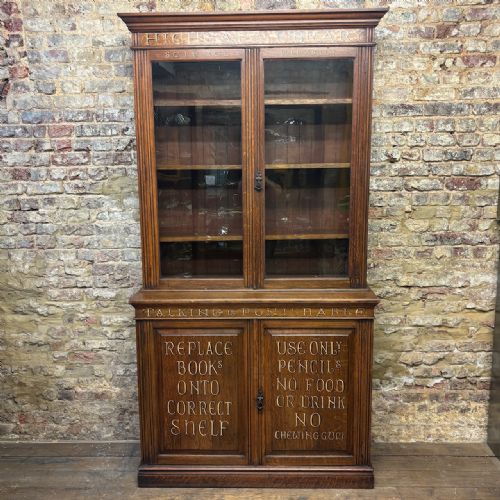
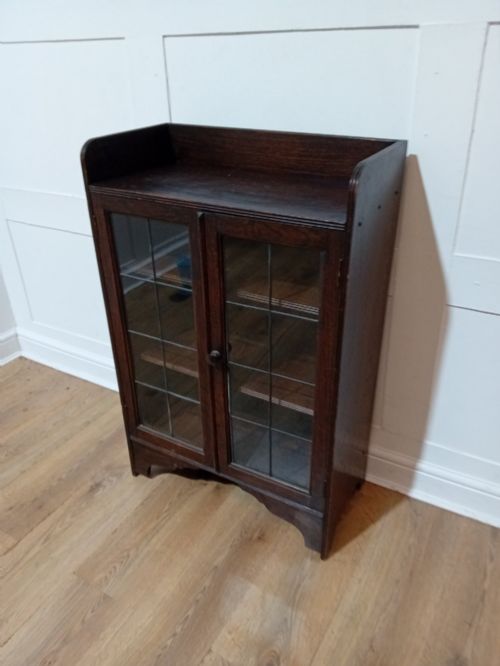

Vintage Glazed Display Bookcase
A vintage glazed display bookcase holds your volumes and keepsakes behind clear glass panels, bringing traditional craft and everyday utility to the room.
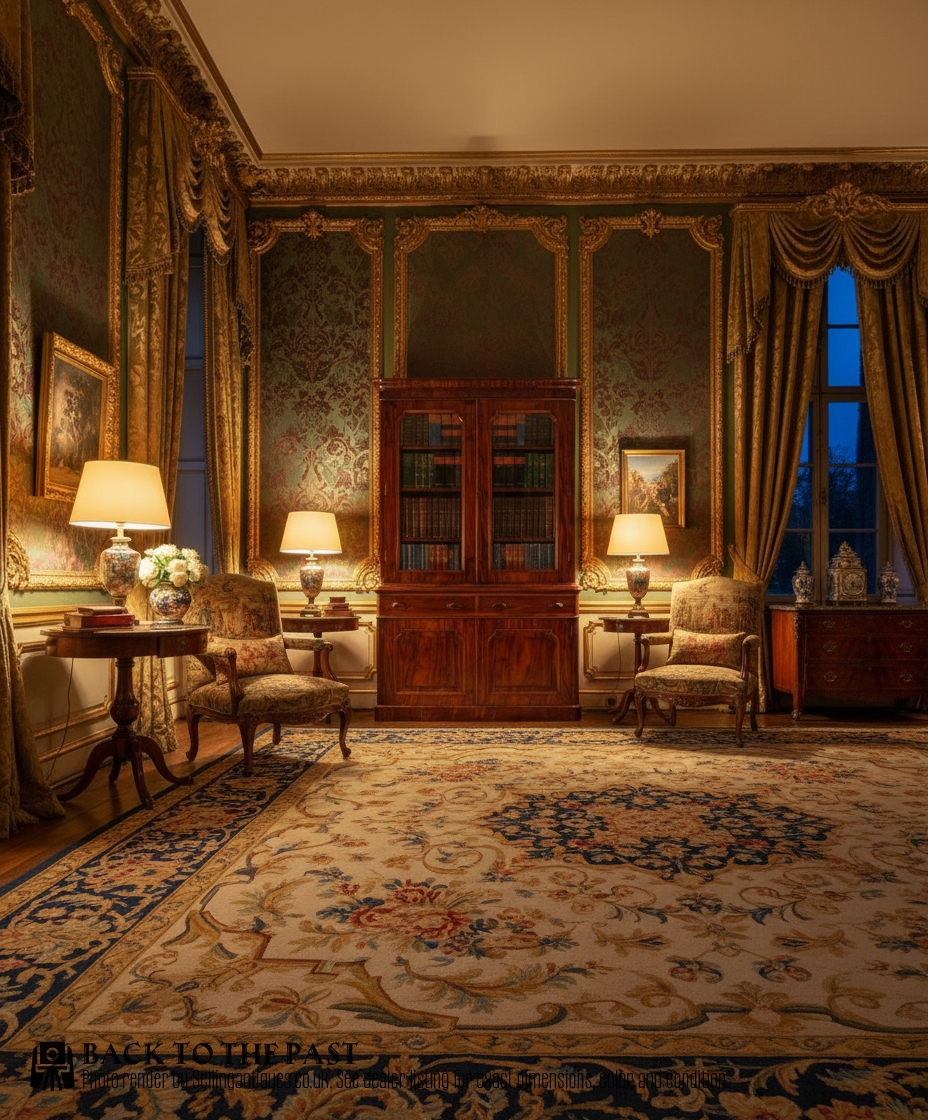
Vintage Glazed Display Bookcase
A vintage glazed display bookcase combines shelving for books with glazed doors for objects, appearing across periods from the eighteenth century through the nineteen-thirties. You meet formats ranging from tall mahogany breakfronts and bureau bookcases to oak barrister cabinets and corner cupboards.
Edwardian satinwood and oak examples dominate the selection, alongside Victorian mahogany and pieces reflecting Georgian or Regency design. Makers utilised local timbers like pine, walnut, and yew alongside imported mahogany to construct these dual-purpose storage units.
Materials and construction methods
Carpenters built these cabinets primarily in solid hardwoods such as oak and mahogany, often applying decorative veneers of satinwood or walnut to prominent surfaces. Brass hardware, lead framing for glass panes, and inlaid stringing provide structural and visual detail.
Glass panels are set into timber frames or held by lead cames, protecting the interior while offering visibility for books and display items. Regional workshops and larger factories employed traditional joinery, dovetailing drawer boxes and fitting panelled backs.
Listings feature oak, mahogany, satinwood, and walnut cabinetry spanning from the eighteenth century to nineteen-thirty.
Distinctions in construction and finish
Superior pieces display carefully selected timber grain, precise inlay work, and original glass panes without distortion. Cabinetmakers achieved finer results through tight joinery, hand-finished polish, and well-fitted doors that hang square without sagging.
Simpler pieces intended for utilitarian spaces, such as school libraries or kitchens, rely on robust construction over decorative refinement. The presence of original painted decoration, fitted writing interiors, or uncompromised brass furniture elevates the standing of any cabinet.
Globe Wernicke
The Vintage Glazed Display Bookcase Glossary
- Astral glazed
- A door framing glass with thin timber bars that divide the pane into geometric patterns. These bars often feature intricate moulding profiles.
- Breakfront
- A cabinet design where the central section projects forward from the flanking wings. This architectural layout creates depth and shadow across the front elevation.
- Vitrine
- A glass-fronted cabinet designed specifically for displaying porcelain, curiosities, or fine objects rather than books. They frequently feature glass sides to maximise light.
- Secretaire
- A desk form incorporating a pull-down writing flap that conceals small drawers and pigeonholes. This writing compartment integrates smoothly into the upper bookcase structure.
- Linenfold
- A carved wooden panel moulding that imitates folded fabric linen. This decorative motif appears frequently on early twentieth-century oak furniture.
Vintage Glazed Display Bookcase: Frequently Asked Questions
How do I clean the glass?
Use a soft cloth and a mild glass cleaning solution applied to the cloth rather than directly onto the wood or lead cames. This prevents moisture from seeping into aged timber frames or staining antique brass.
Take care around leaded glazing or painted decorations to avoid lifting historical finishes. Gentle wiping preserves the original integrity of the glass panels.
Are these shelves adjustable?
Many older bookcases feature fixed wooden shelves set into housings within the cabinet carcass. Some later sectional or barrister designs utilise modular stacking units with individual lifting glass doors.
When shelves are fixed, plan your book heights accordingly before arranging volumes inside. Removable shelves usually rest on simple wooden bearer strips.
Can I store heavy books safely?
Solid oak and mahogany shelves bear substantial weight, but long spans of timber can bow over decades of holding dense volumes. Distribute heavy folios evenly and avoid overloading single shelves in older cabinetry.
Check the support battens inside the cabinet to ensure they remain secure. Most standard volumes fit comfortably without straining the vintage joinery.
How do I date a cabinet?
Examine the timber species, construction joints, and glass characteristics to determine the era of manufacture. Eighteenth-century pieces display hand-cut dovetails and subtle irregularities in the glass, while nineteen-twenties examples often feature standardised mechanical fixings.
Stylistic cues such as Edwardian string inlay or Art Deco geometric lines offer further chronological markers. Compare the overall proportions and hardware against documented period designs.