


Antique Style China Cabinet
An antique style china cabinet brings glass, mahogany, and careful joinery together to hold porcelain behind glazed doors.
Antique Style China Cabinet
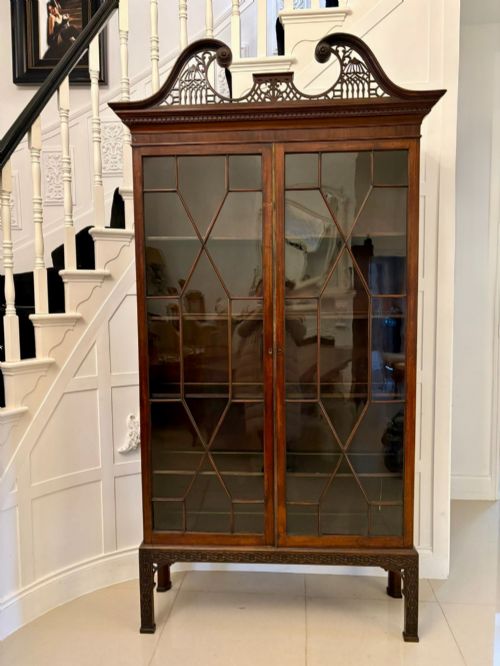
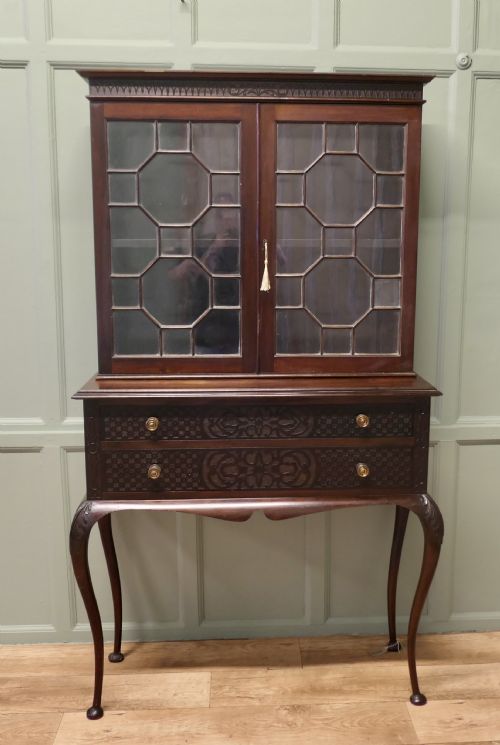
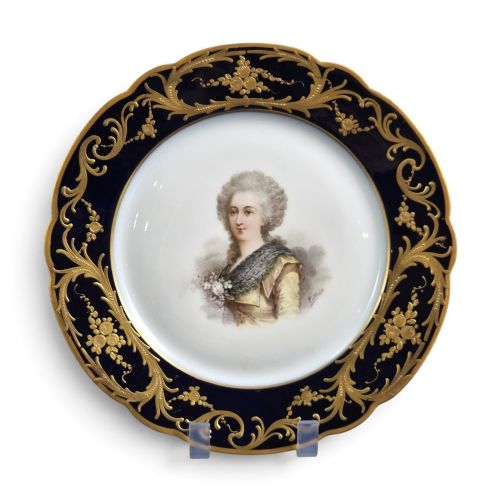
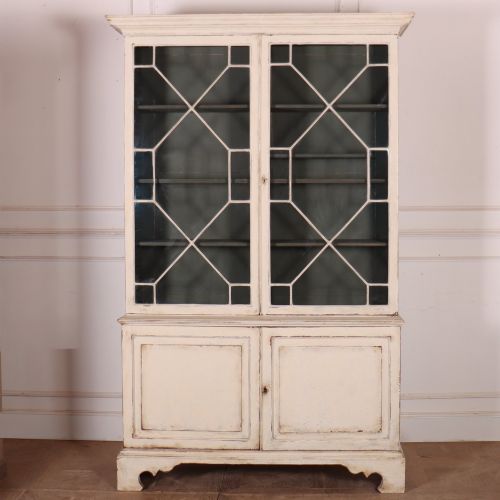
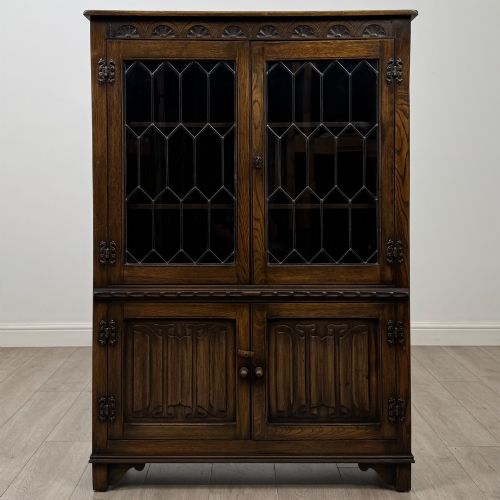
An antique style china cabinet is a storage piece designed to display porcelain plates and decorative objects behind glass panels. These items appear in forms such as breakfront bookcases, corner cabinets, and freestanding vitrines.
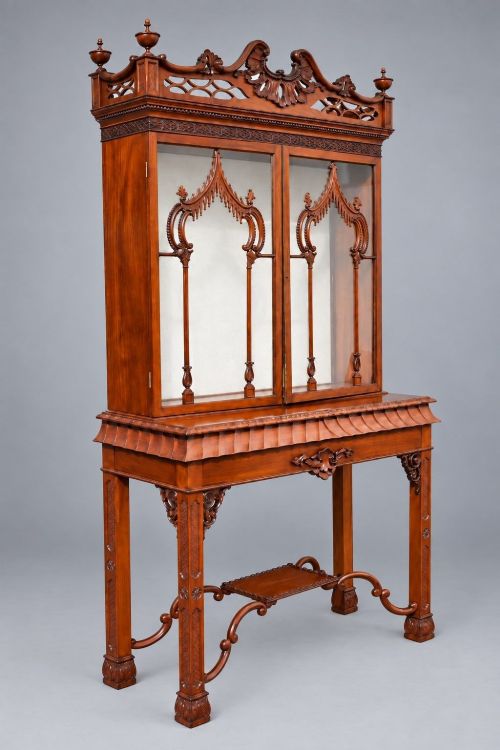
The pieces on this page emerge from periods including the Victorian and Edwardian eras, alongside revivals spanning Sheraton, Chippendale, and Queen Anne styles. Mahogany, walnut, and satinwood dominate the timber framework of these cabinets.
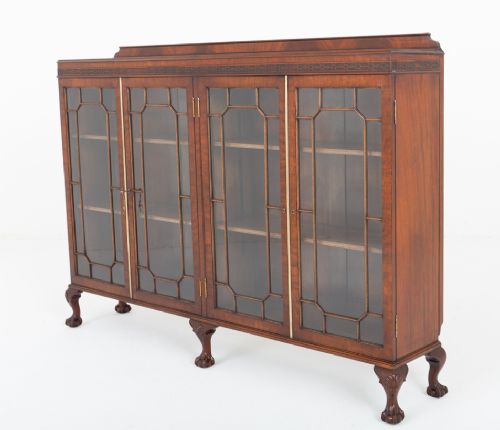
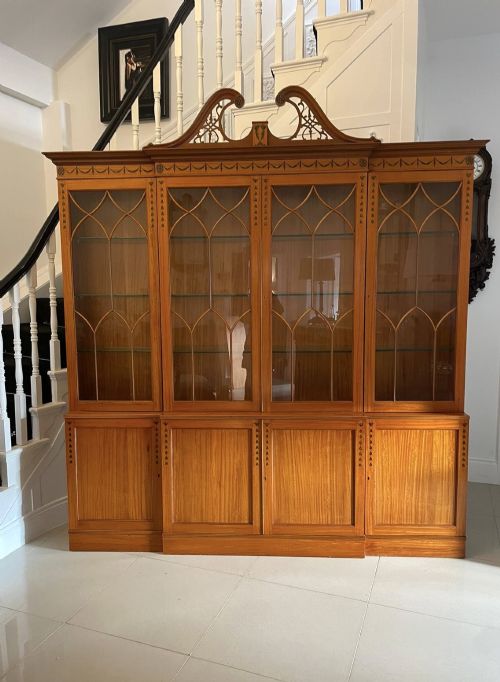
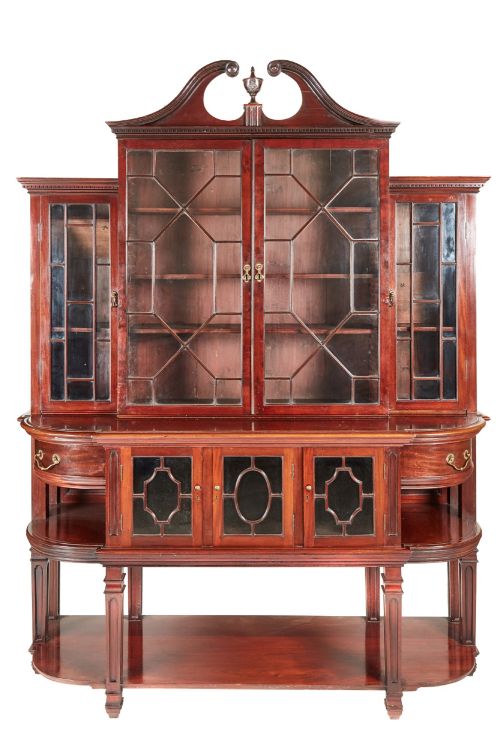
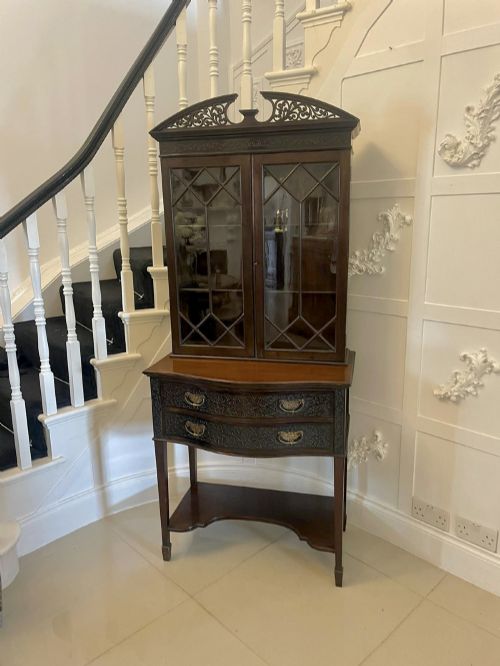
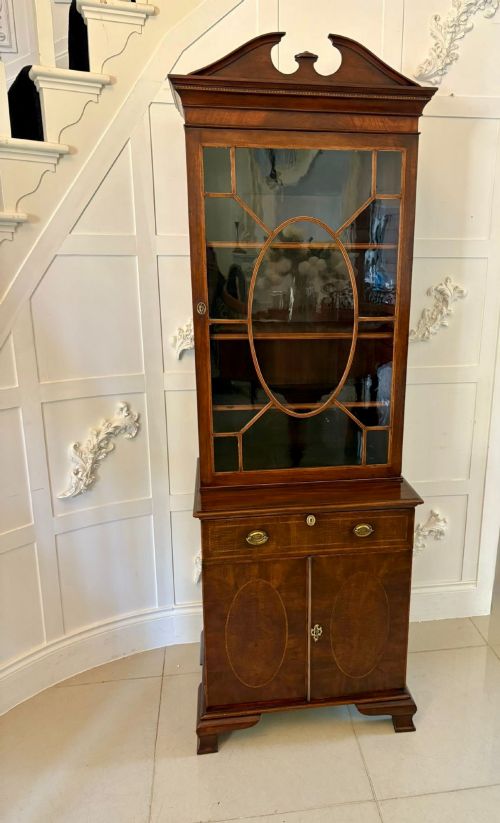
Makers and designers from the nineteenth and twentieth centuries constructed these display units to showcase precious tableware in domestic reception rooms. Buyers encounter both tall breakfront iterations and smaller bow-front variations fitted with astragal glazing.
How these cabinets were constructed
Cabinet makers built the primary carcass using dense timbers like mahogany, walnut, and satinwood, frequently applying decorative marquetry and inlay work to the exterior surfaces. Glazing bars, often arranged in astragal patterns, divide the glass panes within the doors.
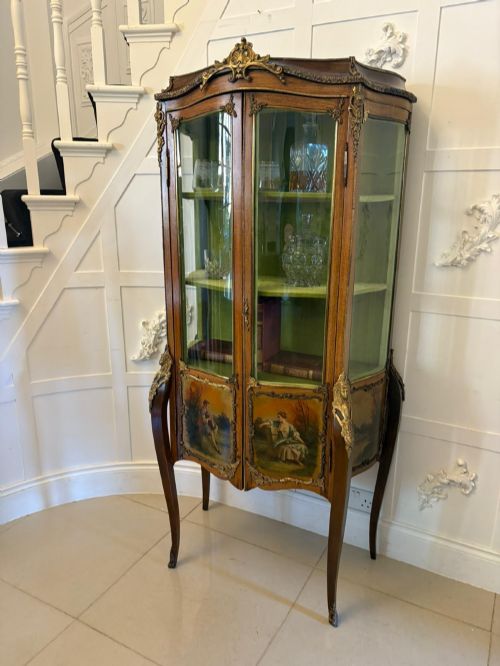
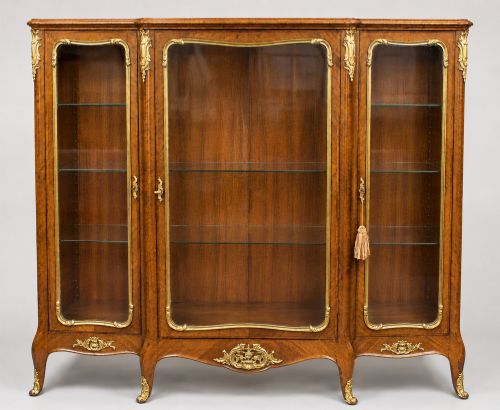
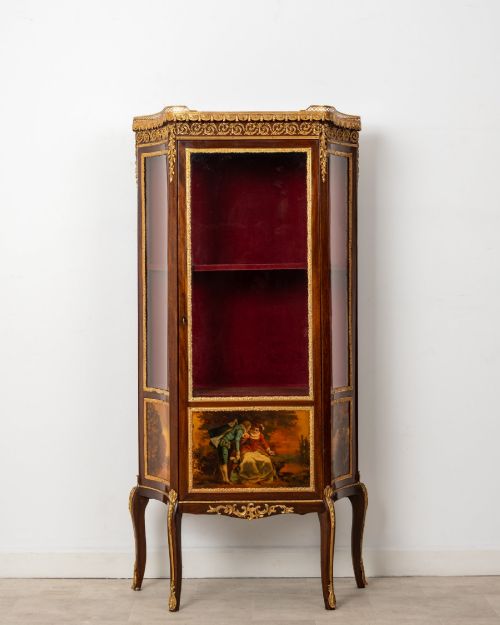
Mounts in ormolu and gilt-bronze adorn French-inspired vitrines, while brass hardware secures doors and drawers. Hand-painted decoration and lacquer feature on specific Edwardian and Japanese-influenced examples alongside standard polished timber finishes.
Listings span the Edwardian era, Victorian period, and early twentieth century, utilising mahogany, satinwood, walnut, and oak.
What separates the grades
Quality rests upon the selection of timber figures, the crispness of carved wooden details, and the precision of inlaid marquetry. Finer cabinets employ figured mahogany or satinwood with intricate hand-painted motifs rather than plain veneers.
The complexity of the glazing bar arrangement and the weight of the bronze or ormolu mounts dictate the upper tier of manufacture. Superior workshop attribution, such as pieces produced by established firms, distinguishes the finest examples from standard commercial output.
H. J. Hatfield & Sons·Maple & Co.·John Davenport of Longport·Minton
The Antique Style China Cabinet Glossary
- Astragal
- Glazing bars holding individual panes of glass within a cabinet door. These narrow strips of wood often form geometric or Gothic arch patterns.
- Vitrine
- A glass-fronted display cabinet intended for the exhibition of small objects and porcelain. This French term typically applies to freestanding display pieces.
- Marquetry
- Decorative patterns formed by inserting pieces of contrasting veneer into a wood foundation. Craftsmen utilise various coloured woods to create floral or geometric designs.
- Breakfront
- A piece of furniture where the central section projects forward from the flanking wings. This architectural layout adds depth and visual weight to large display cabinets.
- Vernis Martin
- A simulated Japanese lacquer technique developed in France, using multiple translucent varnish layers. It frequently decorates the panels of fine vitrines.
Antique Style China Cabinet: Frequently Asked Questions
How do I identify a Sheraton Revival piece?
Sheraton Revival cabinets typically display satinwood veneers, painted floral decoration, and symmetrical neoclassical shapes.
Craftsmen produced these revival items during the late Victorian and Edwardian periods, drawing inspiration from eighteenth-century design books.
Where should I place a vitrine?
A vitrine suits drawing rooms or dining spaces where natural light enhances the glazed display area.
Interior lighting can be positioned nearby to illuminate porcelain collections housed behind the glass panels.
What is the difference between a bookcase and a vitrine?
A bookcase generally incorporates solid wooden shelves for book storage behind its doors.
A vitrine prioritises glass on multiple sides to maximise visibility for decorative porcelain plates and ornaments.