

Vintage Glass Pitcher
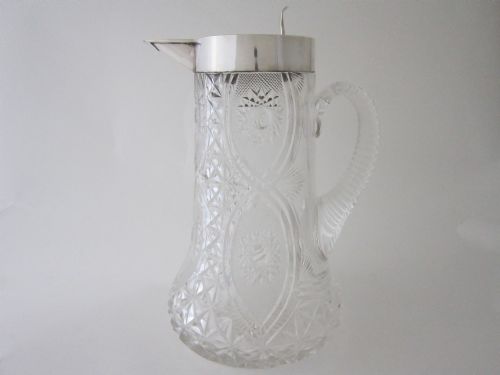
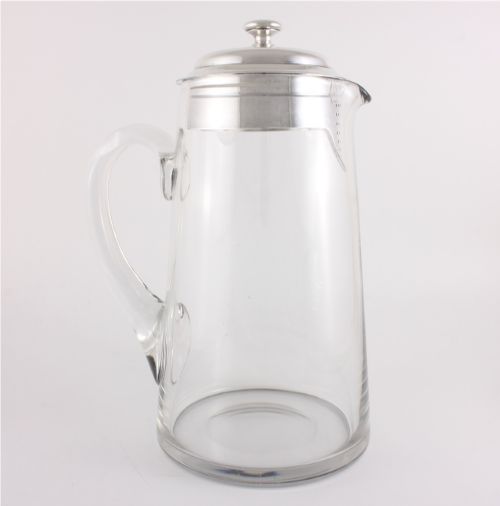
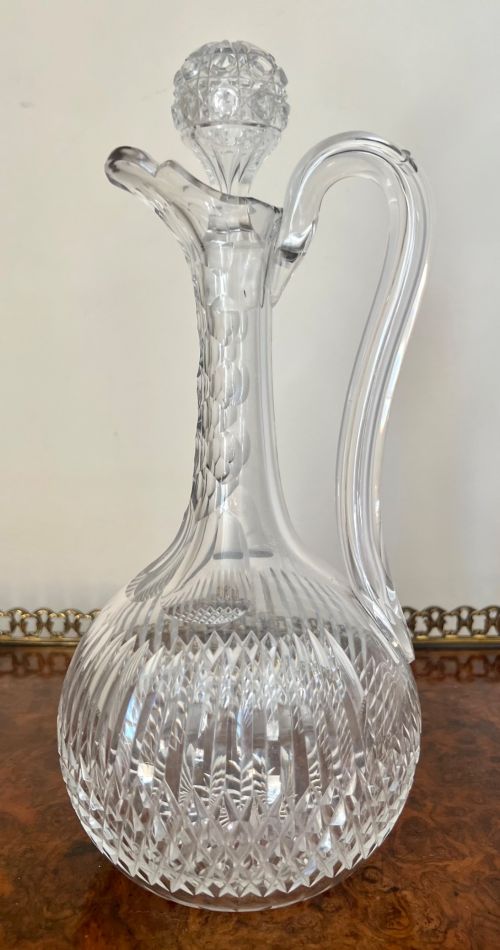
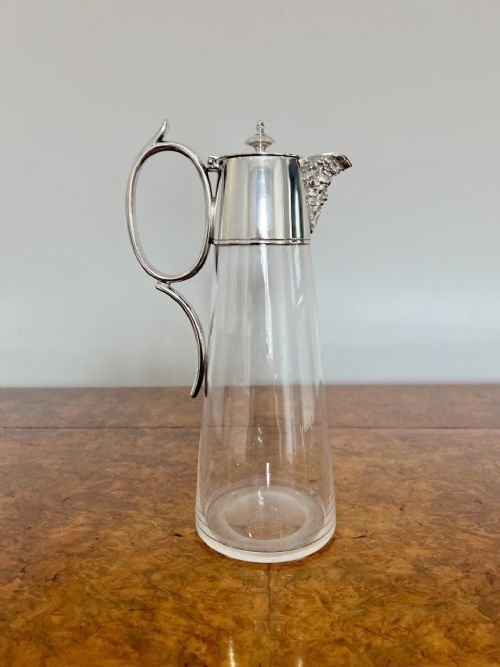
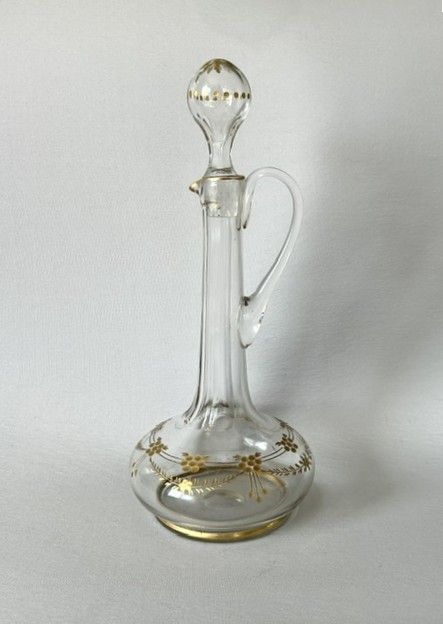
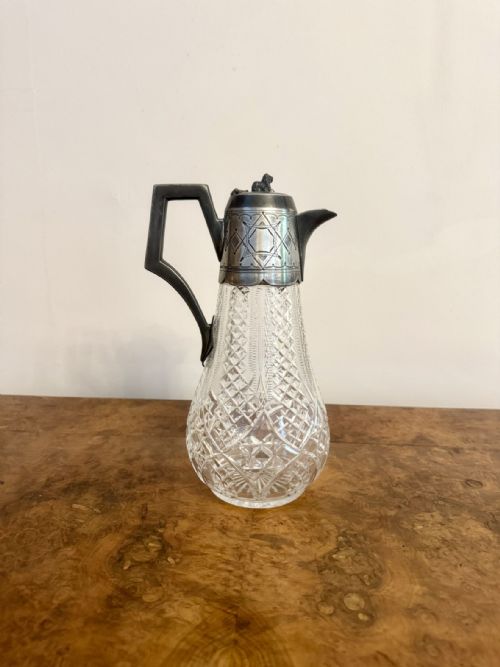
These vintage glass pitcher examples bring heavy cut crystal and silver-plated mounts to the table for serving wine and water.
Vintage Glass Pitcher
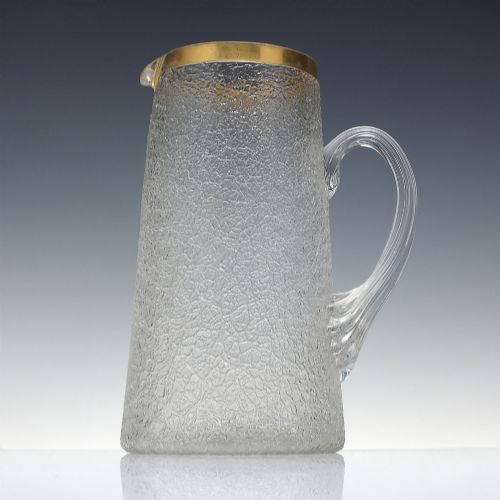
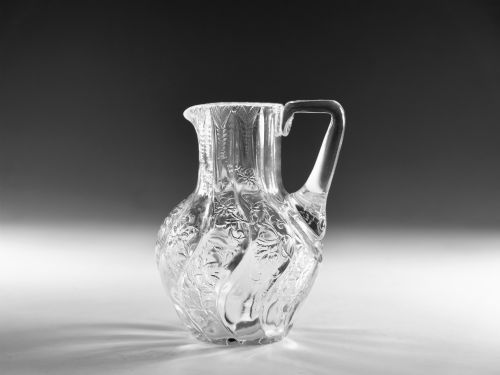
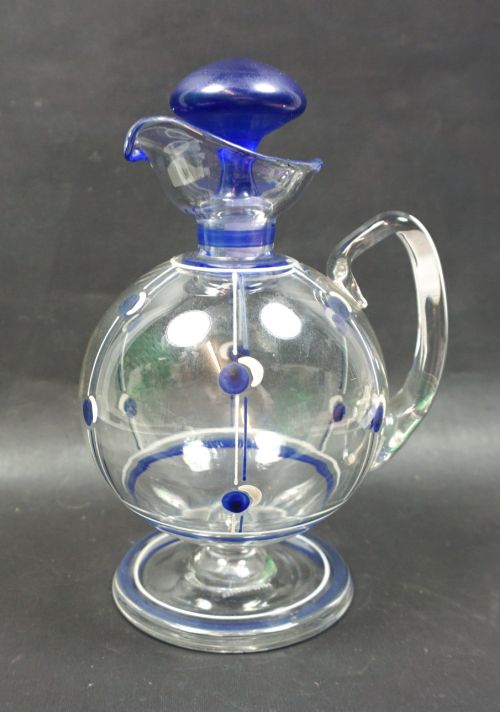
When you search for a vintage glass pitcher, you encounter functional serving vessels designed for water, wine, lemonade, and claret across multiple centuries. The selection spans robust Victorian and Edwardian iterations alongside sleek Art Deco shapes.
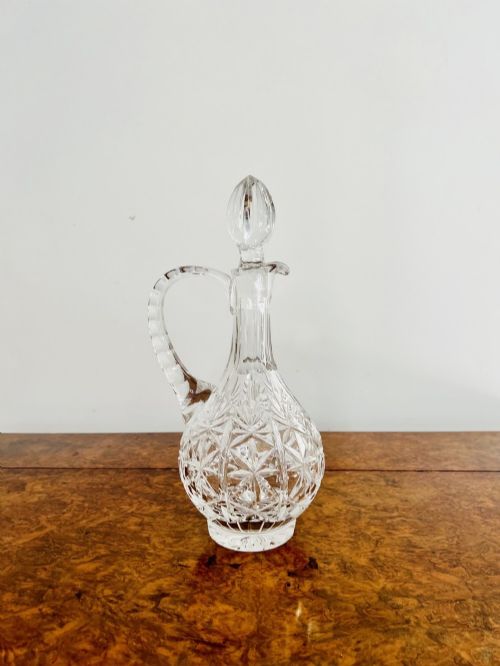
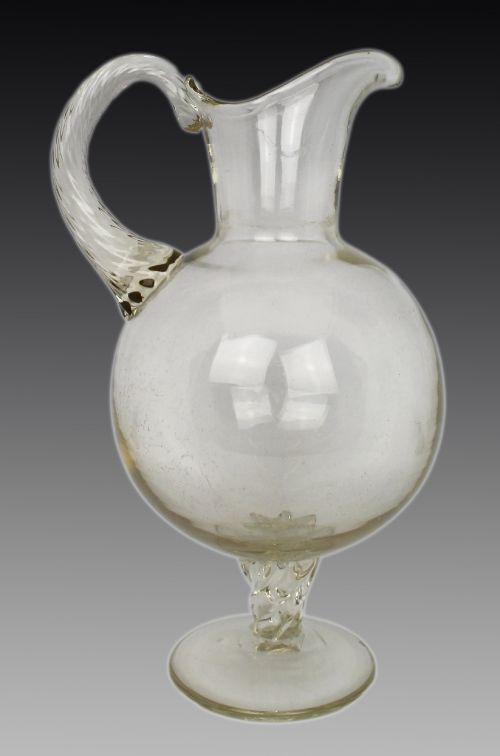
The objects take forms such as ewers, claret jugs, and decanters. Pieces frequently combine blown or cut glass bodies with fitted metal mounts.
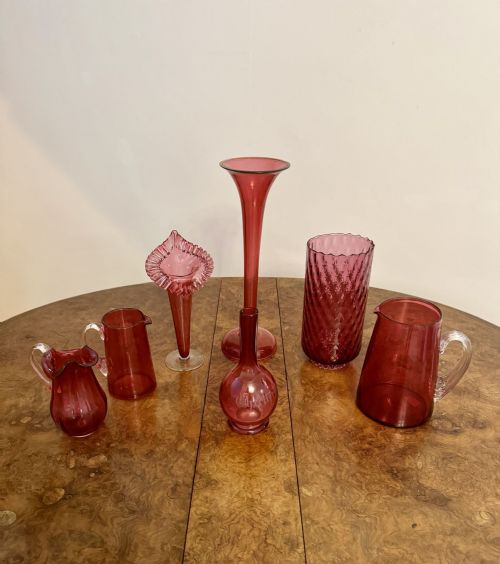
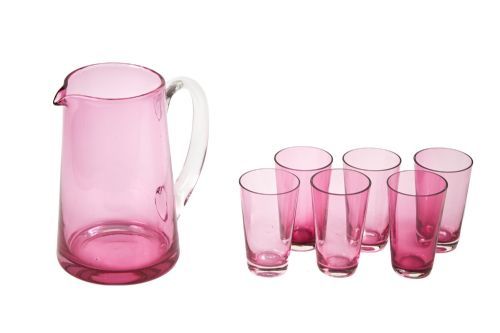
Victorian and Edwardian examples dominate the offerings, often featuring deep hand-cut patterns or coloured glass bodies like cranberry and green. Later twentieth-century versions introduce continental influences and distinct geometric lines.
How they were made
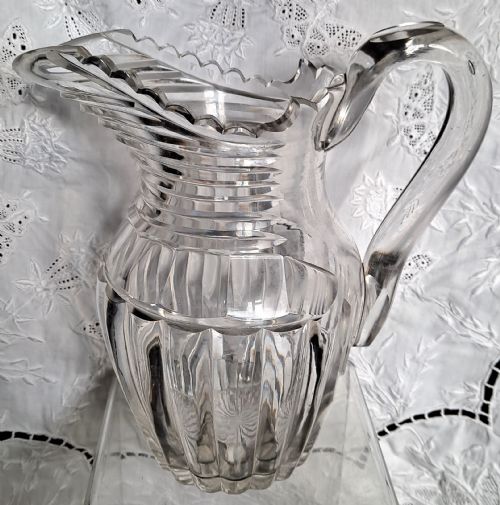
Makers utilised free-blown, mould-blown, and hand-blown glass techniques to form the vessels, sometimes applying colour directly to the molten material or casing layers together. Artisans then utilised heavy cutting wheels to carve deep geometric patterns, pillars, and prisms into the clear crystal.
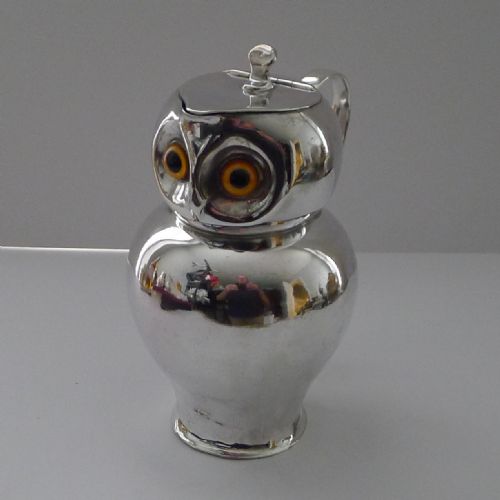
Silver plate and sterling silver mounts, collars, and hinged lids were cast and fitted securely to the glass necks. Additional decoration involved surface enamelling, gilding, and intaglio engraving.
Materials span clear glass, lead crystal, cut glass, sterling silver, silver plate, and coloured glass including cranberry, amber, and green.
What varies in quality
The depth and crispness of the glass cutting separate standard items from superior works. Precision in the facet work determines how the piece captures and refracts light.
The weight of the lead crystal and the structural integrity of the metal mounts dictate the overall standard. Integrated elements like internal ice tubes or maker-marked silver mounts elevate the pedigree of the piece.
Stevens & Williams·Christofle·Mappin & Webb·Webb Corbett·Richardsons
The Vintage Glass Pitcher Glossary
- Claret jug
- A pouring vessel specifically designed for serving red wine at the table. These typically feature a glass body with a silver-plated or sterling silver mount and hinged lid.
- Ewer
- A large jug with a wide spout and a looped handle, often standing on a footed base. This form traces its lineage back to classical pottery vessels.
- Lead crystal
- Glass containing a high percentage of lead oxide, which increases the weight, brilliance, and clarity of the material. This composition permits deeper and sharper wheel cutting.
- Intaglio
- A technique where the design is carved into the surface of the glass rather than raised above it. The resulting sunken motifs produce a subtle frosted appearance against polished crystal.
- Over-shot glass
- Glassware featuring fine trailing threads applied across the surface of the blown body. This technique adds tactile texture and visual contrast to the vessel.
- Whisky noggin
- A small pouring jug used for serving individual portions of whisky. These vessels frequently include a matching silver label and a sturdy handle.
Vintage Glass Pitcher: Frequently Asked Questions
What is a claret jug?
A claret jug is a specialised vessel created to hold and pour red wine during formal dining. They combine blown glass bodies with hinged metal tops.
The metal mounts often incorporate elaborate handle designs and spouts intended to catch sediment while pouring.
How do I use a glass pitcher?
These vessels serve water, wine, and mixed drinks at the dining table or sideboard. Many include ice tubes to keep liquids chilled without dilution.
Careful hand washing preserves the delicate enamel work, gilding, and fitted metal mounts found on older examples.
How do I date a glass pitcher?
Dating relies on combining the stylistic markers of the glass cutting with the hallmarks stamped onto the silver or silver-plated mounts. Victorian pieces often display heavy facet cutting and elaborate floral engraving.
Later Edwardian and Art Deco iterations shift toward cleaner geometric lines, minimalist forms, and distinct continental coloration.