



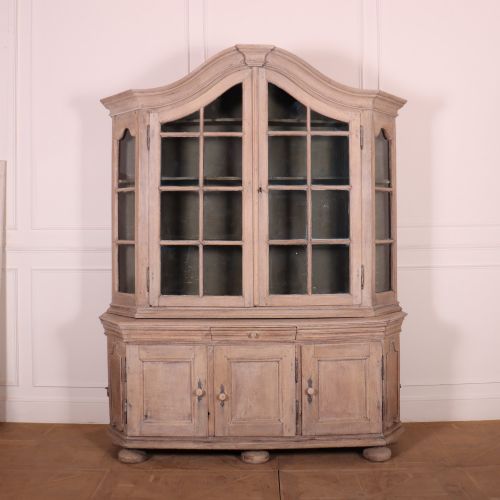
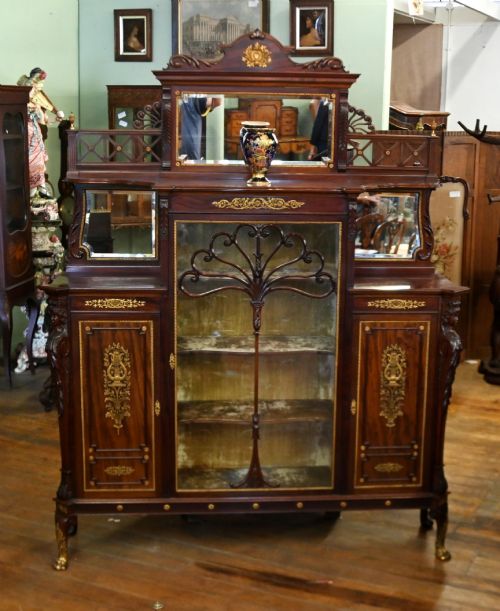
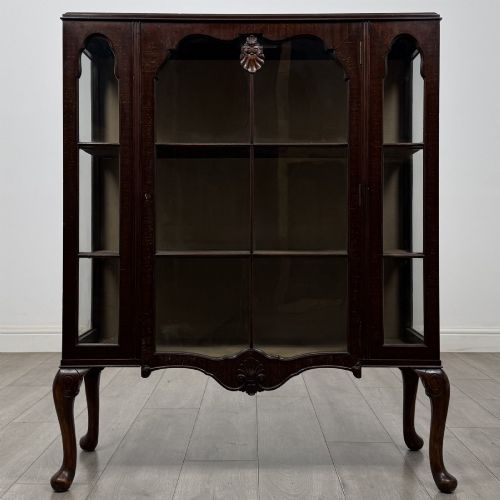
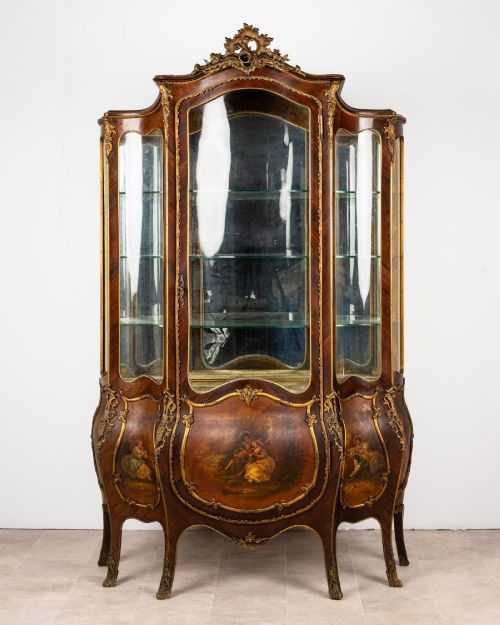


Vintage Glass Display
When you search for vintage glass display, you are looking at glazed cabinets, vitrines and display tables designed to protect and exhibit objects.
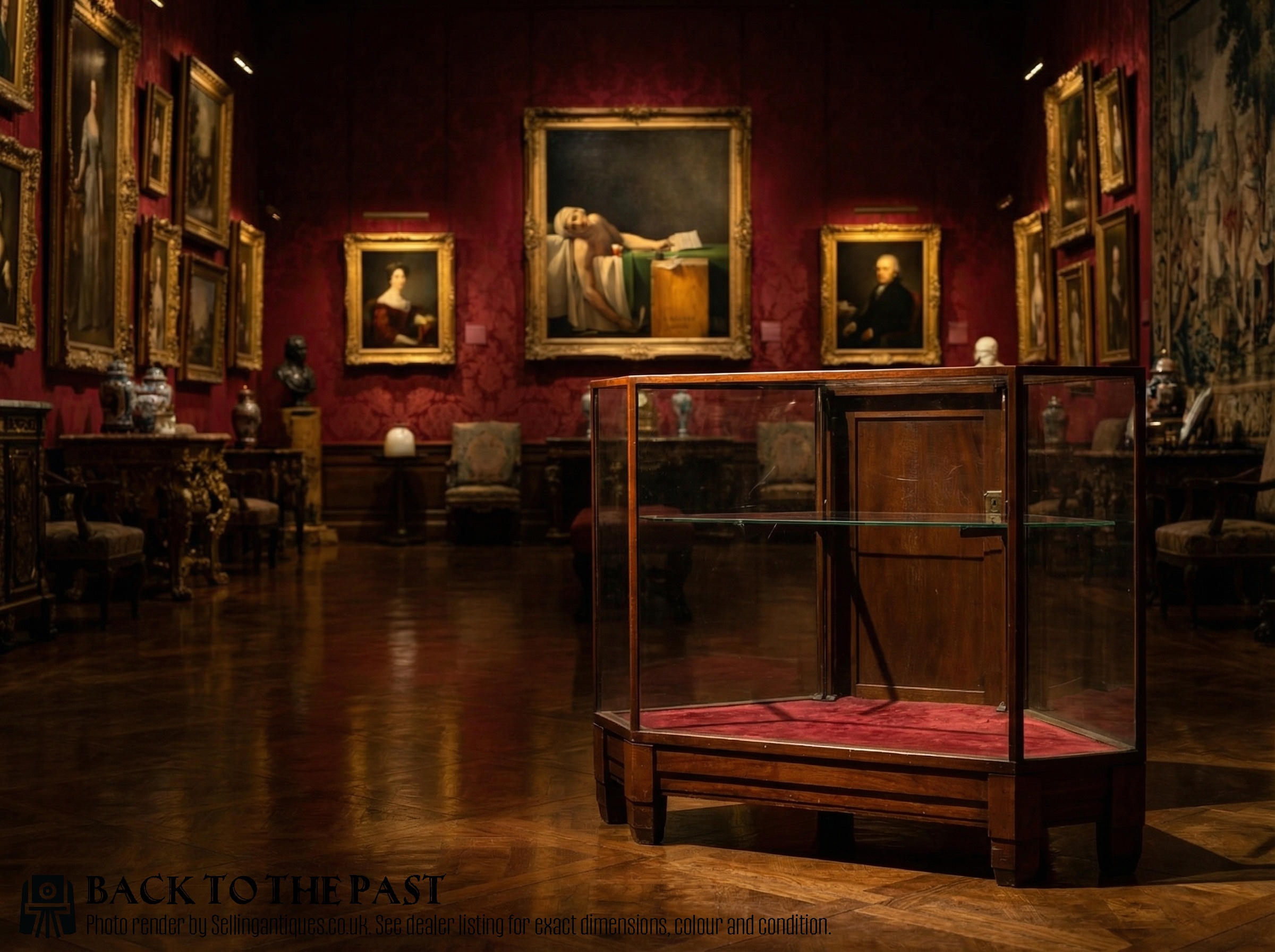
Vintage Glass Display
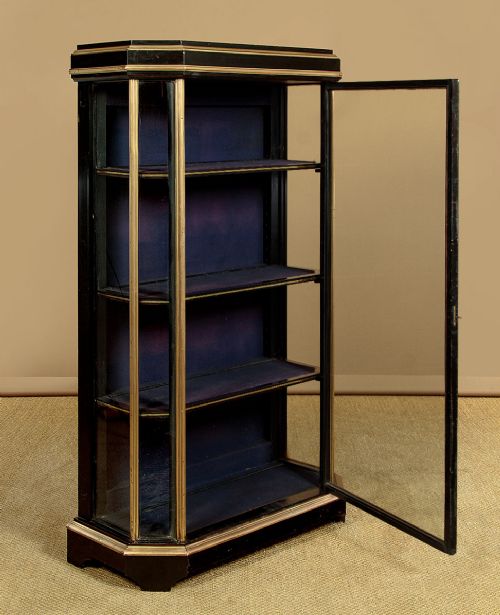
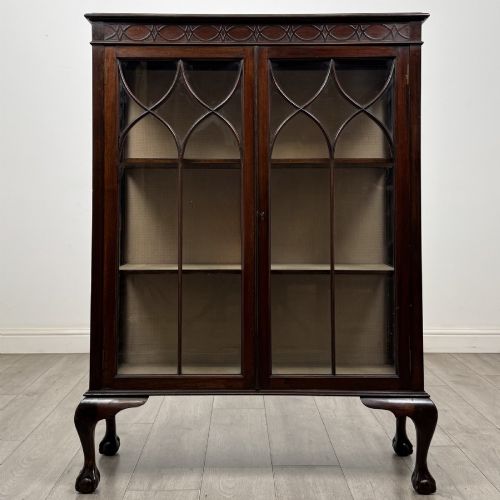
When you search for vintage glass display, you encounter cabinets, bookcases, dressers and tables spanning periods from the Georgian era through the Victorian and Edwardian years into the Art Deco period.
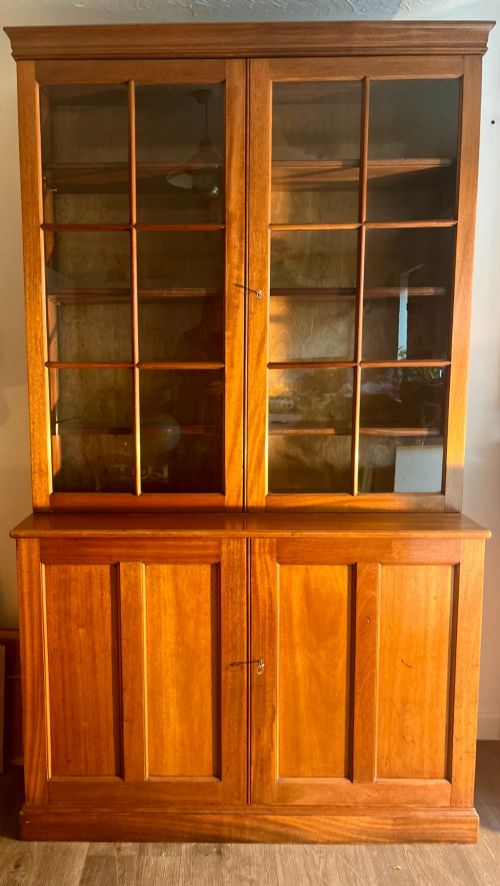
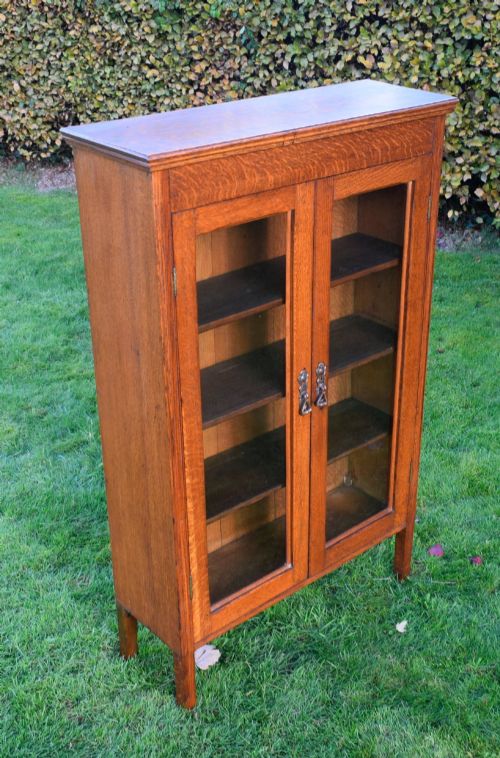
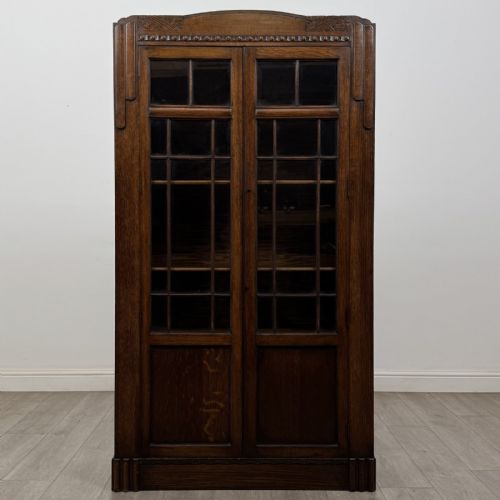
The most common forms on this page are Edwardian and Victorian display cabinets, alongside oak and mahogany bookcases from the early twentieth century.
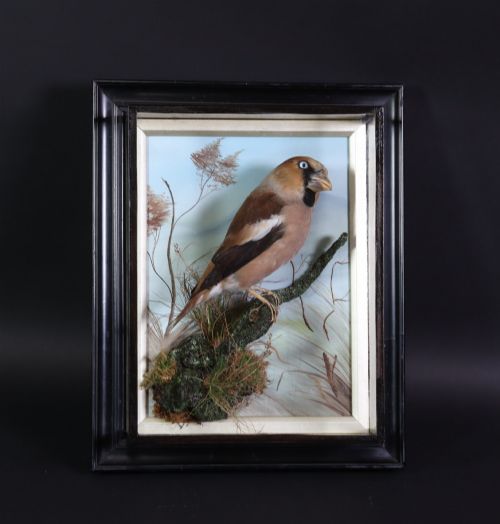
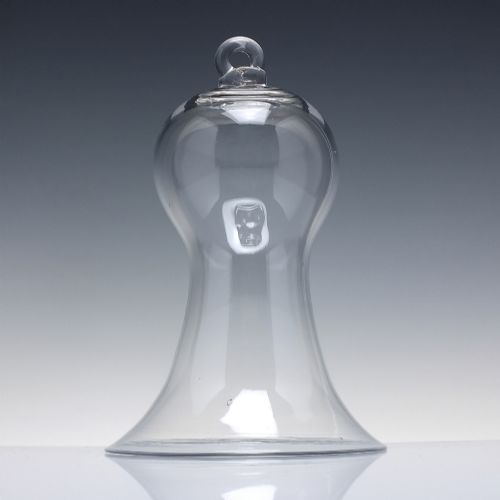
These items range from small countertop display units and taxidermy cases to large breakfront cabinets and shop counters.
How they were made
Makers constructed these pieces using timber frames in oak, mahogany, walnut, satinwood and fruitwood, fitted with lead and glass panels.
Details such as brass hardware, painted decoration, fabric linings and carved woodwork distinguish the various styles from Sheraton Revival to Art Deco.
Vintage Glass Display Retail Price Guide 2026
Typical asking prices for vintage glass display among the pieces listed under this phrase on Sellingantiques today, from the lower quarter to the upper quarter. They describe what is for sale here now, not the wider market.
Listings include items spanning the Georgian, Victorian, Edwardian, and Art Deco periods, constructed in oak, mahogany, walnut, and satinwood.
What varies in quality
The standard of timber selection and cabinetmaking creates the primary division between pieces, seen in figured grain and solid construction versus simpler secondary woods.
Refinements such as astral glazing, original painted decoration, and branded maker labels elevate specific examples above standard utility items.
F. Sage & Co·Little & Co·François Linke·Globe Wernicke
The Vintage Glass Display Glossary
- Vitrine
- A glass-fronted cabinet designed specifically for displaying fine porcelain, curiosities or objects of art. These pieces often feature glazed sides as well as doors to maximise visibility.
- Astral glazed
- A term describing cabinet doors where the glass is divided into small panes by slender wooden glazing bars, often forming geometric or Gothic patterns.
- Breakfront
- A large cabinet design where the central section projects forward from the flanking wings, creating depth and architectural presence in a room.
- Bijouterie table
- A glass-topped table with a shallow glazed compartment beneath, originally used for displaying small precious items, jewellery or medals.
- Linenfold
- A style of carved wooden panelling that resembles folded fabric, frequently seen on oak cabinets from the medieval revival and Edwardian periods.
Vintage Glass Display: Frequently Asked Questions
What is a vitrine?
A vitrine is a glass-sided cabinet designed for displaying porcelain, silver and small decorative objects.
Unlike standard bookcases, vitrines prioritise visibility from multiple angles to showcase valuable collections.
How do I identify an Edwardian display cabinet?
Edwardian display cabinets typically feature lighter timbers such as satinwood, mahogany or inlaid oak, often in Sheraton Revival or neoclassical styles.
They frequently incorporate delicate stringing, painted motifs and glazed doors rather than heavy Victorian mouldings.
What is a barrister bookcase?
A barrister bookcase is a modular piece of furniture consisting of stacked shelving units with upward-lifting glass doors.
Originating in the late nineteenth century, these cabinets allowed lawyers to protect and transport their libraries easily.
Where were countertop display cases used?
Countertop display cases were utilised in retail shops, pharmacies and apothecaries to exhibit small goods to customers while protecting them from dust.
Today, collectors use them in domestic settings to display personal curiosities and ephemera.