


Vintage Glass Cloche
These vintage glass cloche vessels protect and showcase delicate specimens, clocks, and ornaments with clear, period charm.

Vintage Glass Cloche
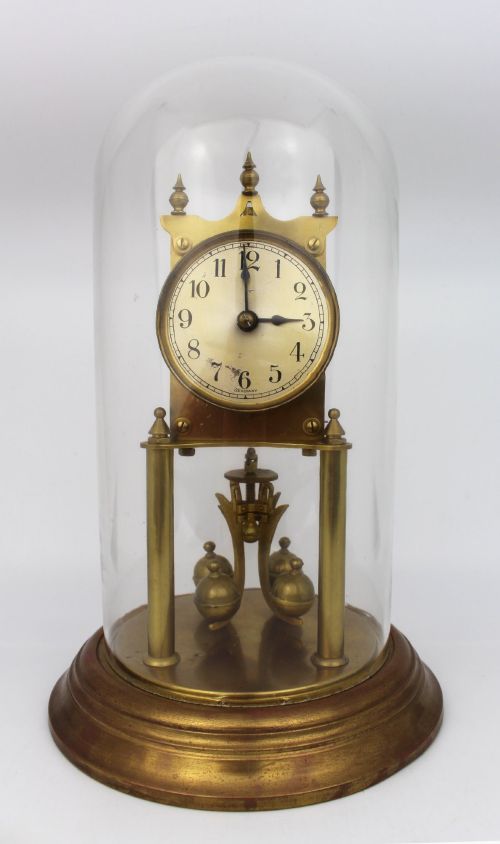
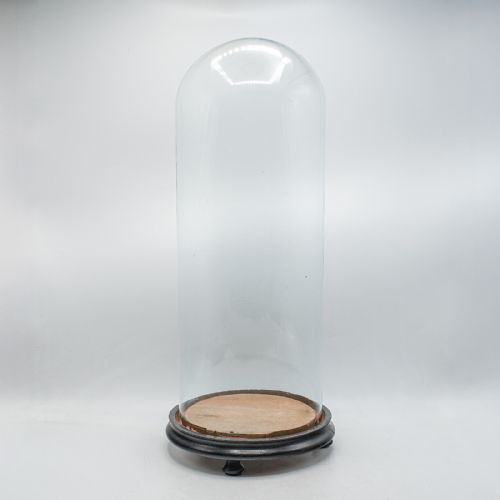
A vintage glass cloche or display dome serves to cover and preserve fragile objects, mantel clocks, and taxidermy specimens. Buyers seeking a vintage glass cloche most frequently encounter clear glass covers resting upon wooden bases made from oak, beech, pine, or ebonised timber.
The selections span the Victorian, Edwardian, and later periods up to the nineteen-thirties, encompassing tall showcase domes and flat garden cloche covers. English and Continental makers produced these protective vessels in various sizes, ranging from small collector cases to large taxidermy housings.
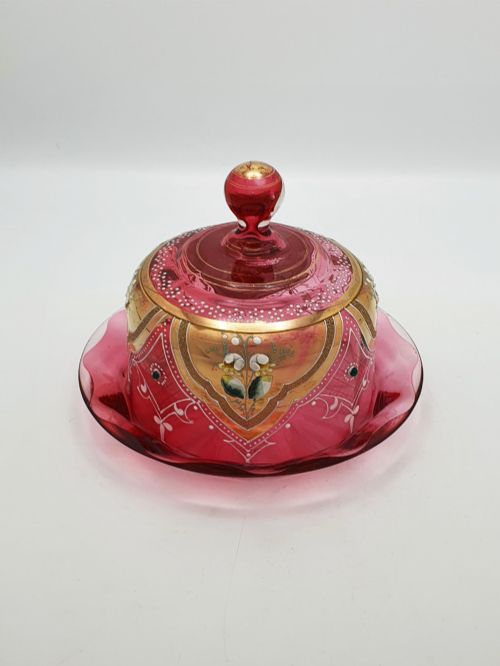
Beyond standard display uses, some examples function as cheese dishes or clock cases for skeleton and carriage timepieces. The forms include oval, round, and tall cylindrical glass covers designed to fit snugly into rebated wooden channels.
How they were made
Makers formed the transparent covers using blown or cast glass, creating smooth bell shapes, cylindrical tubes, and oval profiles to shield delicate contents from dust. Bases incorporate timber such as oak, beech, pine, and ebonised wood, frequently fitted with shallow grooves to hold the heavy glass securely.
Some garden and utility versions combine thick plate glass with copper frames or cast iron structures for outdoor use. Interior linings often utilise velvet, felt, or fabric to cushion mounted specimens and display objects safely.
Listings feature items from the Victorian, Edwardian, and Art Deco periods, utilising glass, wood, brass, and fabric.
What varies in quality
Quality depends upon the clarity and weight of the glass, with older hand-blown examples displaying subtle ripples and bubbles absent in later machine-rolled panes. The construction of the wooden base dictates much of the overall standard, distinguishing simple turned softwood plinths from substantial moulded hardwood mounting boards.
Proportion and scale separate standard utilitarian covers from finely finished collector pieces made to house carriage clocks and botanical specimens. Original matching bases and intact internal fixtures preserve the integrity of the piece more effectively than later replacement elements.
James Gardner·BULLE
The Vintage Glass Cloche Glossary
- Display dome
- A transparent glass cover used to protect and exhibit decorative objects, models, and natural history specimens.
- Taxidermy dome
- A specialised glass cover paired with a fitted base to house stuffed birds, animals, or insects securely.
- Collector dome
- A vessel specifically proportioned to shield delicate botanical samples, minerals, or small horological instruments.
- Ebonised wood
- Timber treated with a dark finish to resemble ebony, frequently utilised for Victorian display bases.
- Skeleton clock
- A timepiece featuring an exposed movement, often displayed beneath a protective glass dome to prevent dust accumulation.
Vintage Glass Cloche: Frequently Asked Questions
What fits under a vintage glass cloche?
These glass covers accommodate a wide array of delicate objects including mantel clocks, carriage clocks, taxidermy specimens, and botanical collections. They also serve to protect small decorative ornaments and still life arrangements from dust and handling.
Larger versions provide ample height for standing birds and tall floral displays, while smaller variants suit pocket watches and minerals.
How do I date a glass dome?
Dating relies upon observing the manufacturing traits of the glass, the wood used for the base, and the style of any associated feet or handles. Victorian examples often feature thicker, hand-blown glass with slight imperfections, paired with ebonised or mahogany-stained timber bases.
Edwardian and later twentieth-century pieces display cleaner glass production methods and different wood selections like oak or beech. Original contents or labels can also offer clues to the exact period of manufacture.
Can I use them in the garden?
Certain robust versions featuring thick glass plates and metal frames, such as copper or cast iron, were originally designed as garden cloches for plant protection. These heavy-duty utility items differ significantly from fragile indoor display domes intended for parlor ornaments and clocks.
Checking the material specifications helps determine whether a particular piece suits outdoor plant cultivation or indoor decorative display.