


Edwardian Glass Display Dome
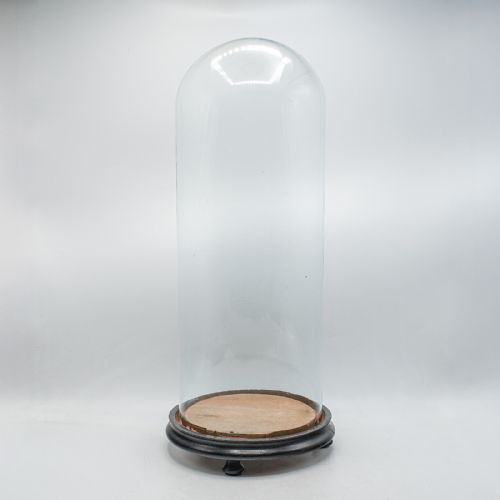
These edwardian glass display dome examples protect fragile specimens under clear glass covers mounted to timber bases.

Edwardian Glass Display Dome
An edwardian glass display dome protects fragile specimens under clear glass covers mounted to timber bases. Collectors utilise an edwardian glass display dome primarily for taxidermy and delicate curiosities.
The evidence shows examples dating from the Edwardian era alongside pieces from the Victorian and Georgian periods. These items appear as bell bottom display domes, tall glass covers, and wide specimen showcases.
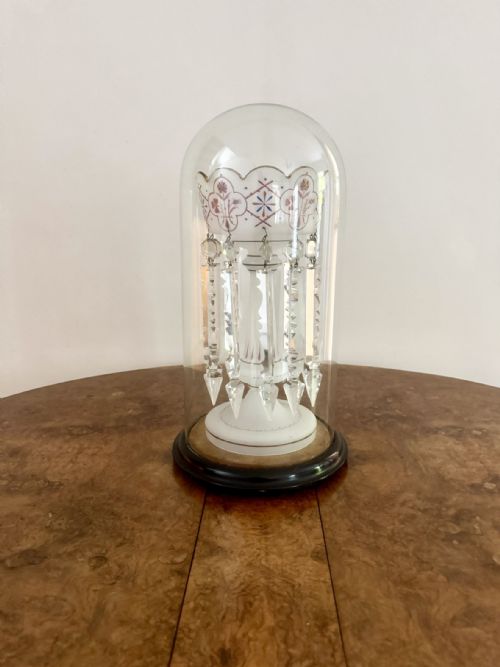
English origins dominate the inventory, accompanied by wood types such as mahogany, oak, beech, and ebonised timber. Alongside these round domes, the records include display cabinets and mantel lustres.
Materials and construction
Makers formed the transparent covers from blown glass, producing bell shapes and tall enclosures designed to sit flush against wooden plinths. These bases utilise timbers including mahogany, oak, beech, and ebonised wood.
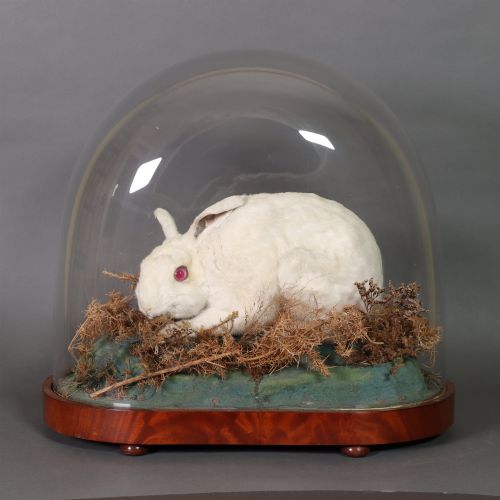
Some interiors incorporate natural vegetation and fur as part of taxidermy displays beneath the glass. Brass components occasionally appear in associated fittings and mounting hardware.
Materials in these records span glass, mahogany, oak, beech, brass, and ebonised wood.
Judging quality in glass domes
The relationship between the height of the glass and the proportion of the base dictates visual balance. Finer examples display smooth glass free from heavy distortion, paired with cleanly turned or polished timber.
James Gardner of London
The Edwardian Glass Display Dome Glossary
- Dome
- A convex glass cover designed to protect interior objects from dust and damage. These items sit upon a flat base.
- Taxidermy
- The art of preparing, stuffing, and mounting the skins of animals for display. Specimens often reside beneath glass domes.
- Vitrine
- A glass display cabinet or case used for showing collectibles. The records include mahogany shop examples.
- Lustre
- A ornamental glass vase adorned with hanging prisms. These decorative objects appear alongside dome listings.
- Ebonised
- Timber treated to resemble ebony wood through staining or painting. This dark finish frequently forms the base of a display dome.
Edwardian Glass Display Dome: Frequently Asked Questions
What fits beneath a glass dome?
These glass covers traditionally house taxidermy specimens, delicate natural vegetation, and small collectibles. The interior space protects fragile items from environmental dust and handling.
Collectors select specific sizes, from small table specimens to tall floor and mantel pieces, depending on the scale of the intended display.
Are these domes English origin?
The available records show a strong presence of English manufacture across the listed items. Makers utilised domestic timbers such as oak and mahogany for the plinths.
Regional workshops produced various forms ranging from standard bell bottom glass to wide specimen showcases designed for collectors.
How do periods differ?
Pieces span the Georgian, Victorian, and Edwardian periods, reflecting changing interior display preferences. Victorian examples often accompany elaborate taxidermy mounts like albino rabbits.
Edwardian iterations tend to feature clean lines in mahogany or beech wood bases. The glass blowing techniques also shift subtly across these decades.