
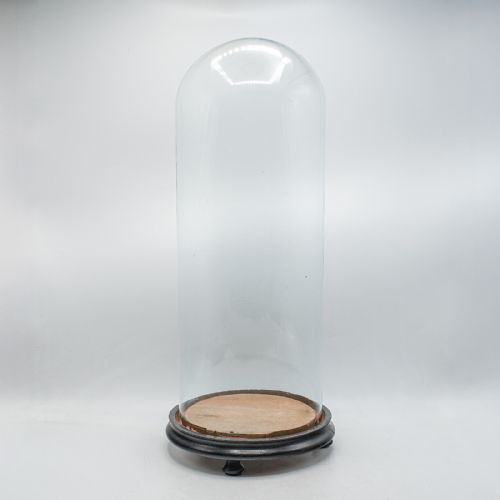
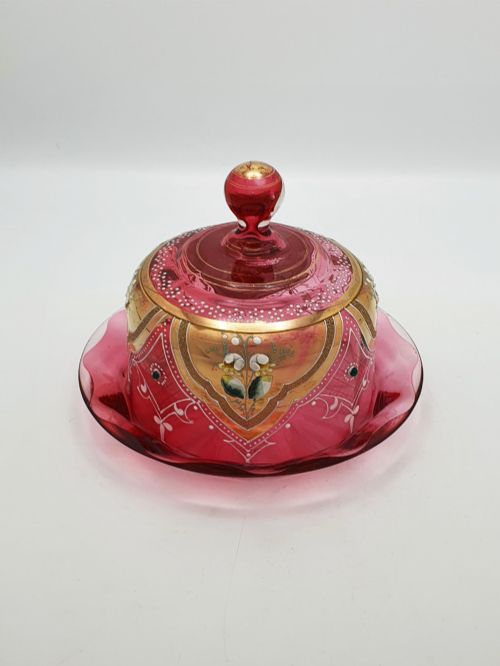


Vintage Glass Bell Cloche
These vintage glass bell cloche pieces are protective covers and display domes that keep delicate objects or garden plants safely housed beneath clear glass.
Vintage Glass Bell Cloche
When you search for a vintage glass bell cloche, you are looking at nineteenth and early twentieth-century glass covers designed to protect taxidermy, botanical specimens, clocks, and garden plants. The pieces listed on this page span the Victorian and Edwardian periods, stretching from eighteen eighty up to nineteen ten.
Materials and construction methods
The glass elements on these pieces were blown or moulded to create clear protective covers of varying heights and widths, paired with wooden bases of oak, beech, pine, and ebonised wood. Some garden iterations incorporate robust structural frames made of cast iron or copper to withstand outdoor use.
Internal elements and bases frequently incorporate velvet, felt, or fabric linings to cushion delicate specimens, taxidermy, and clock mechanisms. The craftsmanship relies upon traditional joinery for the wooden stands and precise glass forming for the domes and covers.
Distinguishing quality across the range
Quality reveals itself in the clarity and thickness of the glass, where finer specimens show fewer bubbles and distortions. The weight and finish of the wooden base, whether oak, beech, or ebonised timber, also indicate the care taken during manufacture.
Proportion and scale distinguish the superior examples, particularly on tall display domes and carriage clock cases where the curve of the glass meets the base cleanly. Garden cloches and cheese dishes demonstrate quality through the sturdiness of their metal frames or the richness of the cranberry glass.
The Vintage Glass Bell Cloche Glossary
- Cloche
- A bell-shaped glass cover used traditionally to protect young garden plants from frost or to showcase food and ornaments indoors.
- Display Dome
- A glass cover designed to fit over a wooden base, protecting objects such as taxidermy, clocks, and botanical specimens from dust.
- Ebonised Wood
- Timber treated with a dark finish to imitate expensive ebony, frequently used for the circular bases of Victorian domes.
- Cranberry Glass
- A rich pinkish-red glass produced by adding gold chloride to the molten mixture, often seen in nineteenth-century tableware.
- Taxidermy Showcase
- A glass dome and base assembly specifically intended to house preserved birds, animals, or insects for exhibition.
Vintage Glass Bell Cloche: Frequently Asked Questions
What were glass cloches originally used for?
Gardeners originally placed glass cloches over emerging seedlings to trap heat and protect plants from frost and pests during colder months.
Indoors, similar glass bell domes were utilised to cover and preserve delicate ornaments, clocks, and taxidermy specimens from dust.
How do I style a glass dome at home?
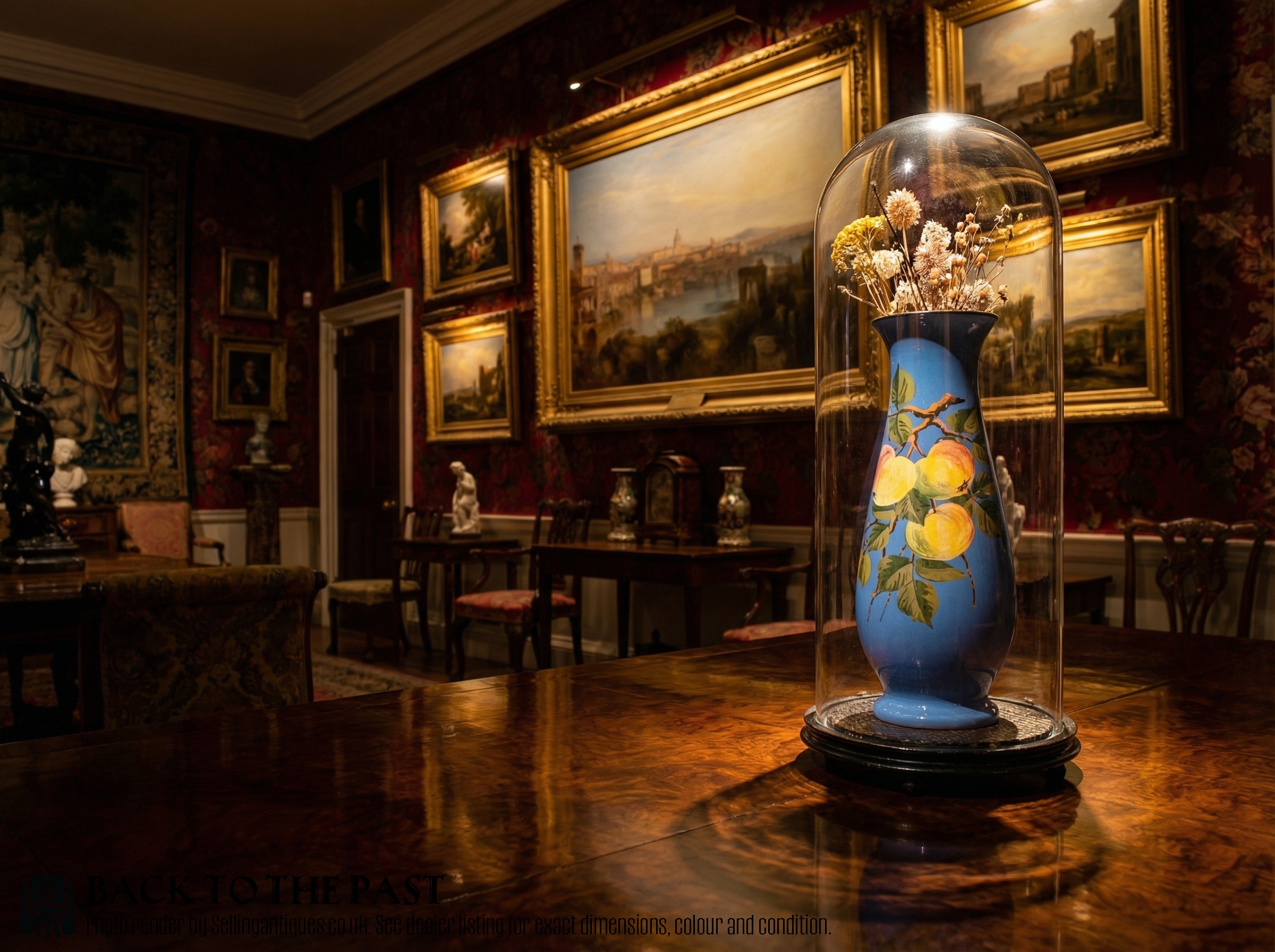
You can place a glass dome over dried botanicals, interesting minerals, or small sculptures to create a focal point on a mantelpiece or bookshelf.
Ensure the wooden base sits flat on a stable surface and pair the glass with contrasting textures like raw wood or woven fabrics.
How can I tell a Victorian dome from an Edwardian one?
Victorian domes often date from eighteen eighty onwards, displaying heavier ebonised or pine bases paired with thick, hand-blown glass covers.
Edwardian examples tend to feature lighter woods like oak and beech, reflecting shifts in interior tastes toward brighter, simpler furnishings around nineteen ten.
Can these antique cloches be used in the garden?
Certain pieces listed are specifically designed as garden cloches featuring robust copper or cast iron frames suitable for outdoor conditions.
Display domes with wooden bases are strictly intended for indoor use, as moisture and soil will damage the timber and internal fabric linings.