



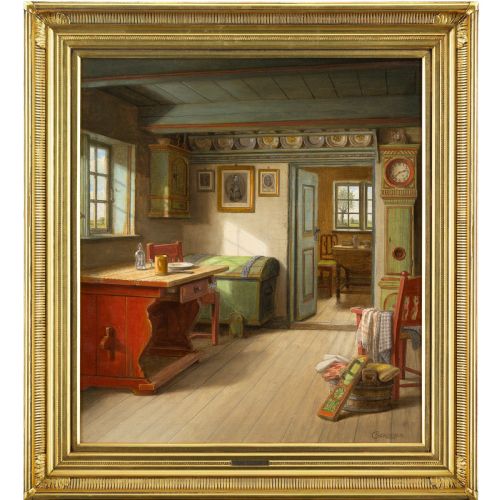
Vintage Gilded Wall Art
Vintage gilded wall art brings warmth and reflective light to a room through centuries-old frames and painted surfaces.
Vintage Gilded Wall Art
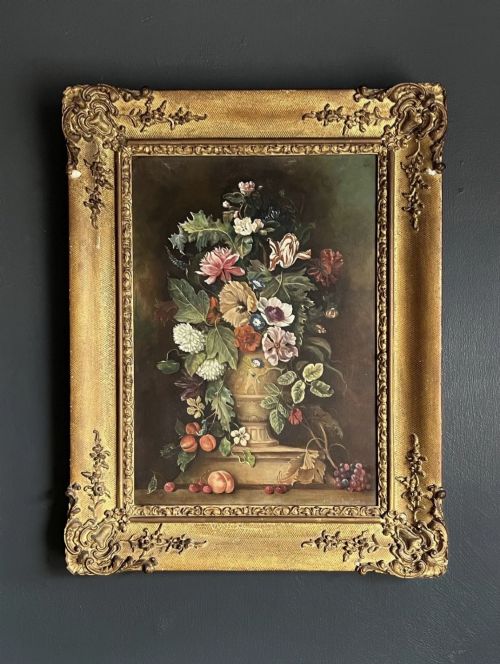
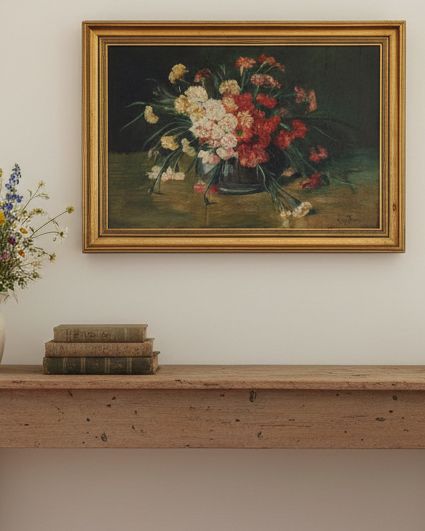
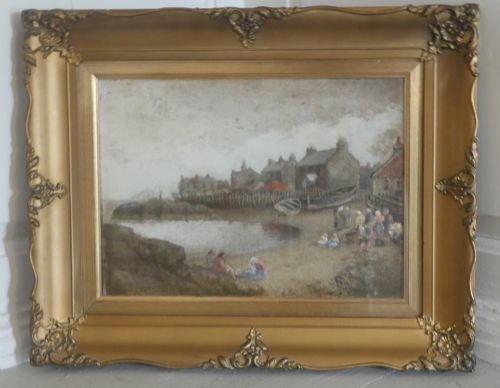
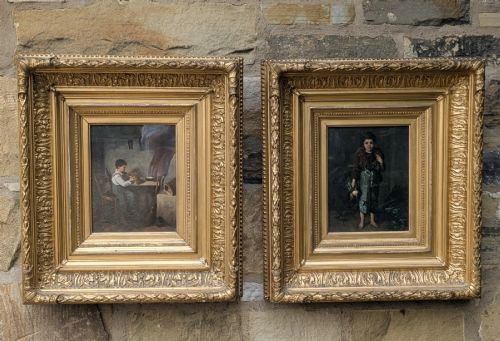
Vintage gilded wall art encompasses framed paintings, portraits, mirrors, and decorative wooden objects created across the nineteenth and twentieth centuries. These pieces combine hand-painted canvases or boards with elaborate metallic finishes that catch the daylight.
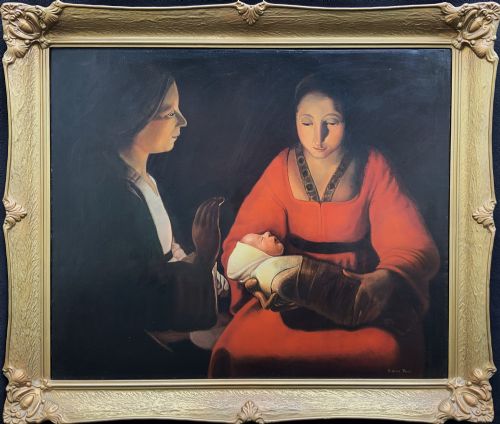
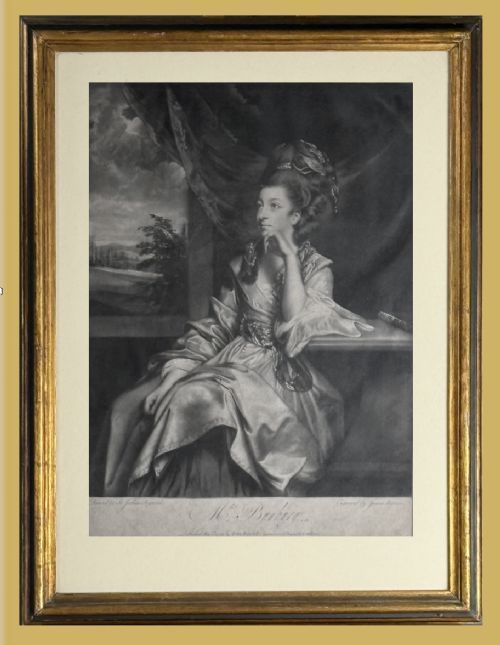
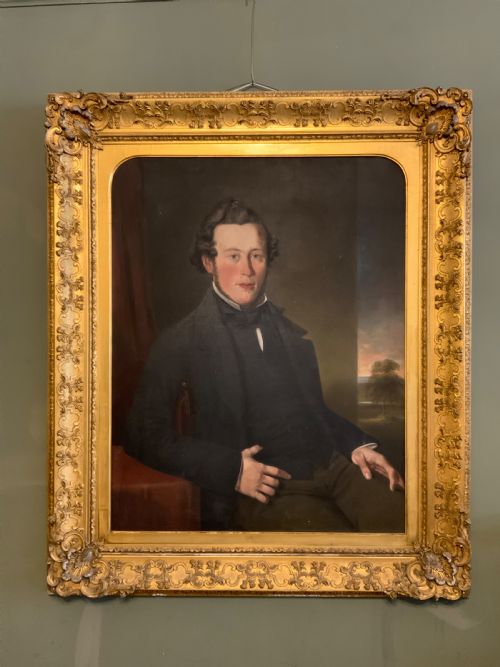
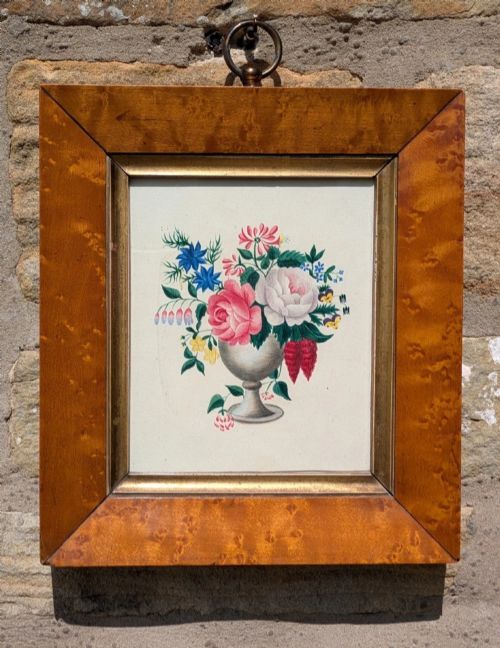
The selection ranges from Regency botanical watercolours and Victorian oil portraits to mid-century floral still lifes and Dutch Golden Age style compositions. Each piece reflects the aesthetic priorities of its specific period.
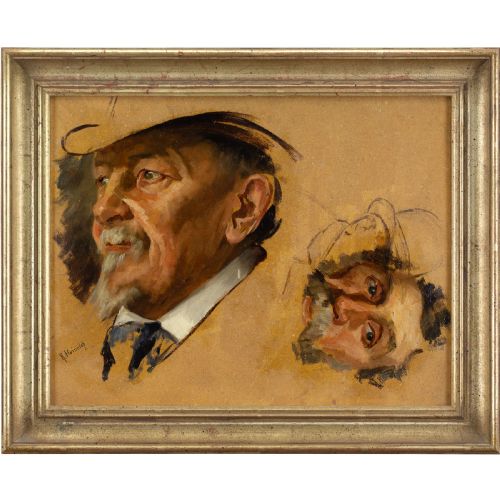
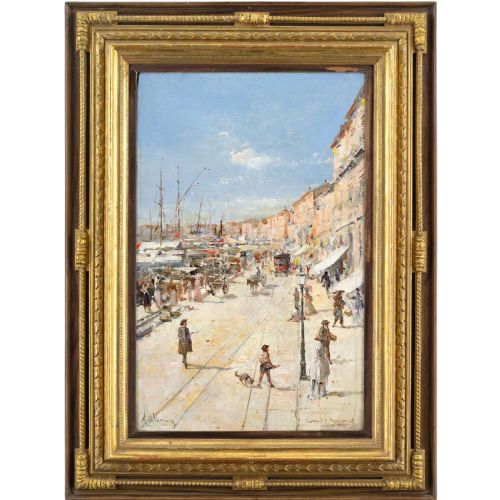
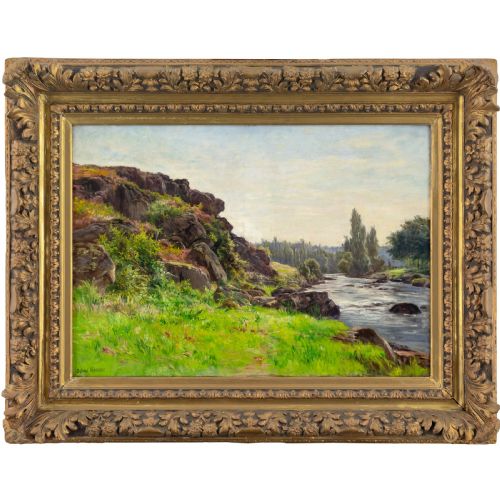
Framed works dominate the selection, utilising gilded gesso and carved wood to frame oil paint, pastel, and print mediums. Buyers encounter everything from intimate animal studies to large cityscapes.
Materials and construction
Makers built the foundational supports from seasoned wood, canvas, and cardboard, applying oil paint, pastel, or watercolours by hand. Wooden panels and stretched canvases provided stable surfaces for detailed brushwork.
Frames and decorative wooden elements relied on gesso applied over carved timber to create crisp relief details before the application of gold leaf. Gilding transformed plain wooden mouldings into reflective borders.
Glass protected delicate works like watercolours and silhouettes, while specialised varnishes sealed oil pigments to preserve colour depth over generations.
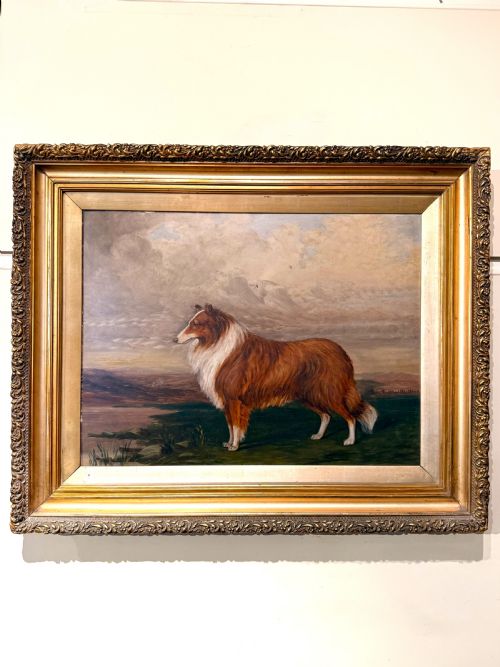
One persistent canine managed to secure a spot on the wall alongside nobility and floral still lifes.
Assessing quality and execution
Quality rests in the precision of the brushwork and the depth of the pigments used in the primary subject. Masterful handling of light and shadow distinguishes superior portraits and landscapes from simpler decorative output.
The integrity of the gilded frame matters just as much as the artwork itself. Hand-carved gesso with intact, burnished gold leaf holds greater artistic weight than later, flattened metallic paint restorations.
Georges de La Tour·Emily Eyres·James Watson·Sir Joshua Reynolds·Augusto Alberici·Gabriel Mathieu·Alfred Lyndon Grace·Jonny Gaston·Albert Clark·George Augustus Holmes·Henry Windsor Fry·William Henry Ward·George Wright·Edwin Steele
The Vintage Gilded Wall Art Glossary
- Gesso
- A plaster-like mixture applied to wood or canvas to prepare a smooth surface for gilding and painting. It allows craftsmen to carve intricate relief details before applying gold leaf.
- Gold leaf
- Extremely thin sheets of beaten gold applied to frames and artworks to create a brilliant, metallic finish. This material resists tarnishing and retains its warm lustre over centuries.
- Gilt wood
- Timber that has been coated with gold leaf or metallic powder to simulate solid gold. It provides structural strength alongside a reflective decorative surface.
- Mezzotint
- A printmaking process of the intaglio family where the artist works from dark to light to achieve subtle tonal gradations. This technique suited the reproduction of detailed portraits.
- Oleograph
- A type of chromolithographic print textured to imitate an oil painting on canvas. These appeared widely in the nineteenth and twentieth centuries as an accessible form of wall decor.
Vintage Gilded Wall Art: Frequently Asked Questions
How do I clean a gilded frame?
Dust the surface gently with a soft, dry brush to remove particles without disturbing the delicate metallic leaf. Avoid liquid cleaners and damp cloths, which can strip away historic gesso and gold.
Inspect the edges carefully before touching the frame to ensure no loose flakes of gold leaf remain. Professional conservators should handle any stubborn grime on antique gilding.
Are these oil paintings original?
The selections feature original hand-painted works alongside period prints and oleographs. Check the specific medium listed for each item to distinguish unique brushwork from printed reproductions.
Signatures and artist attributions often appear on the canvas or board, providing clues to the piece's origin. Close inspection under magnification reveals the raised texture of applied oil pigment.
Where should I hang heavy wall art?
Secure heavy wooden frames directly into wall studs using appropriate hardware rated for the weight of timber and glass. Plaster walls require heavy-duty anchors to support substantial oil paintings safely.
Position pieces away from direct sunlight and moisture sources to protect organic materials like canvas, wood, and paper. Balanced indoor humidity prevents the wooden frames and panels from warping over time.
How can I tell the period of a frame?
Frame styles shifted from ornate Regency motifs and Victorian gesso work to clean Art Deco geometric lines. Examining the corner joints and the composition of the underlying gesso helps date the craftsmanship.
Original frames often show signs of age such as fine craquelure and subtle wear on the high points of the gilding. Replacing a frame can alter the historical context of an antique painting.