


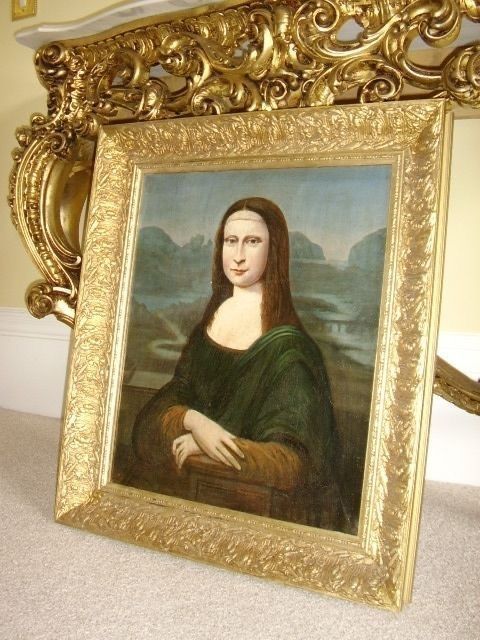

Gold Frame Canvas Artwork
These gold frame canvas artwork pieces deliver centuries of portraiture and landscape rendered in oil paint.
Gold Frame Canvas Artwork
A gold frame canvas artwork brings together oil painting on canvas and traditional wooden framing finished in gilt or gold leaf. Buyers find oil on canvas stretched over wooden frames, enclosed in ornate borders spanning the 17th century through to the mid-20th century.
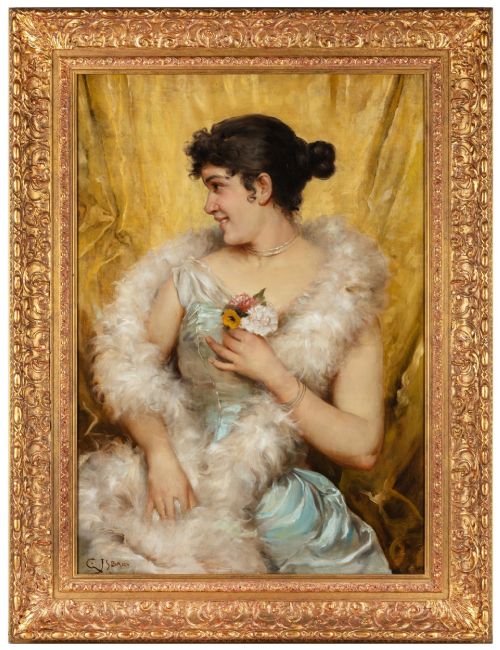
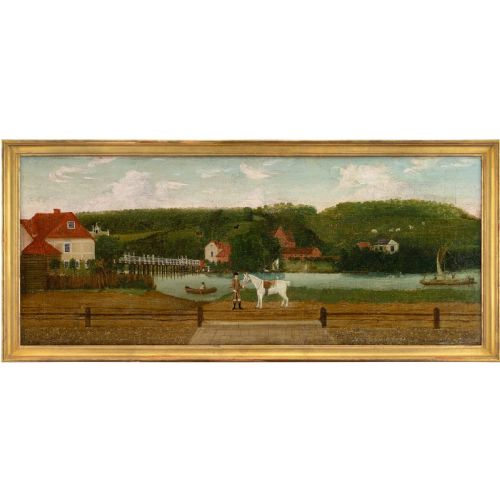
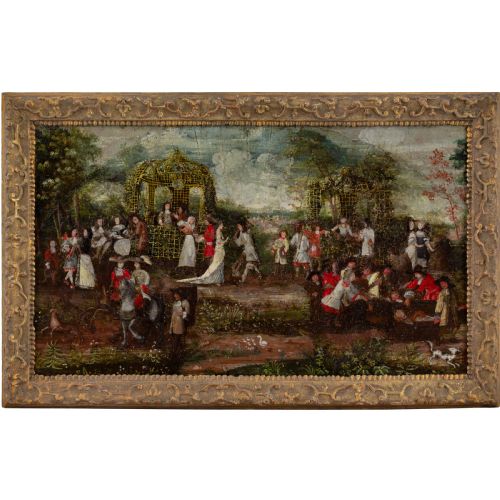
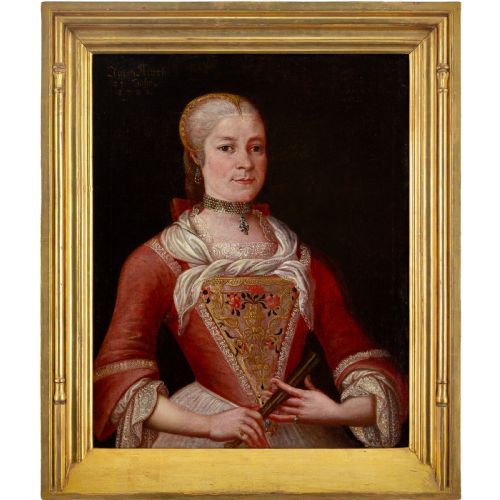
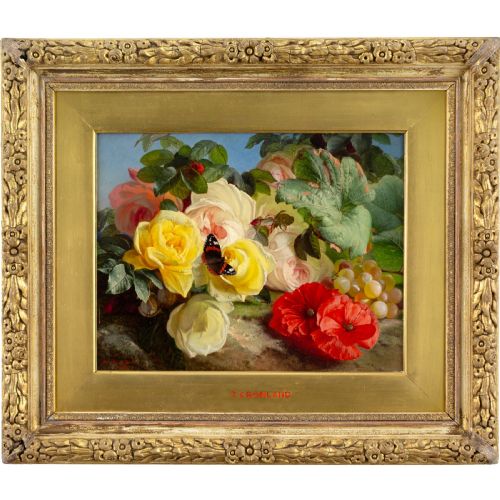
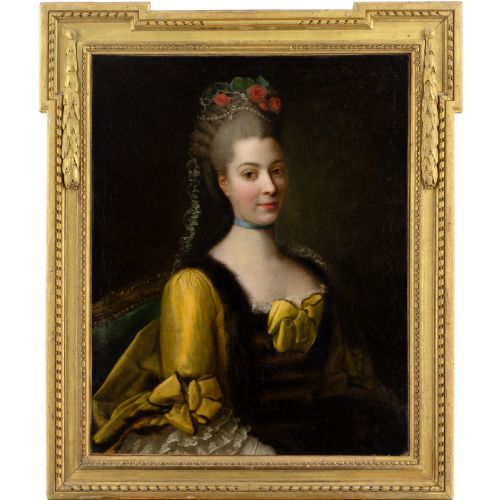
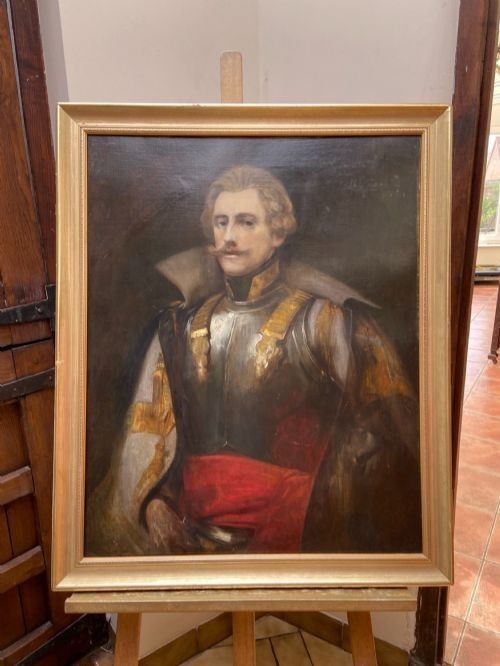
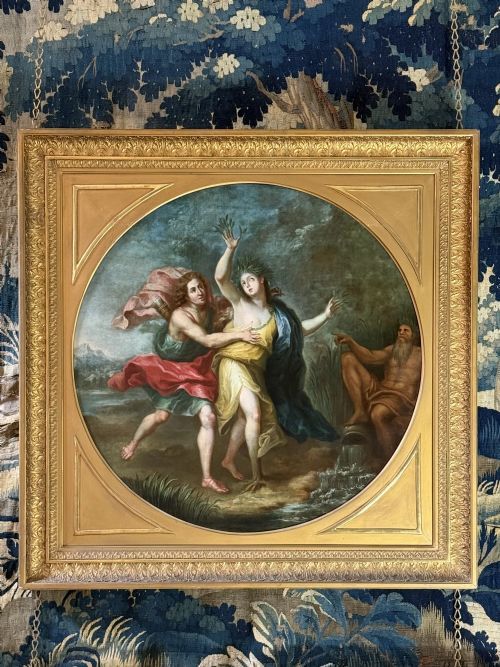
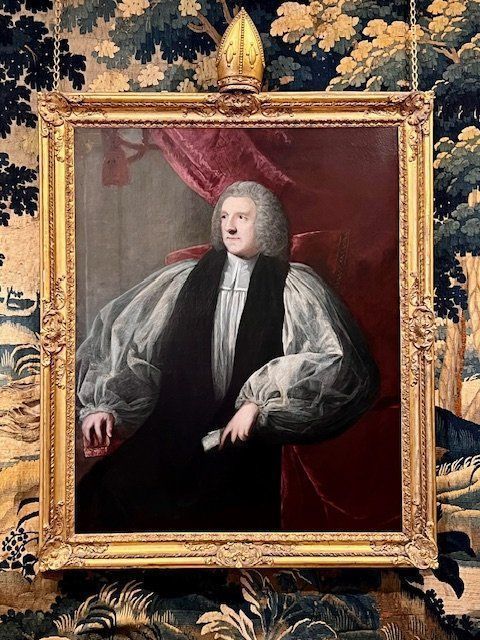
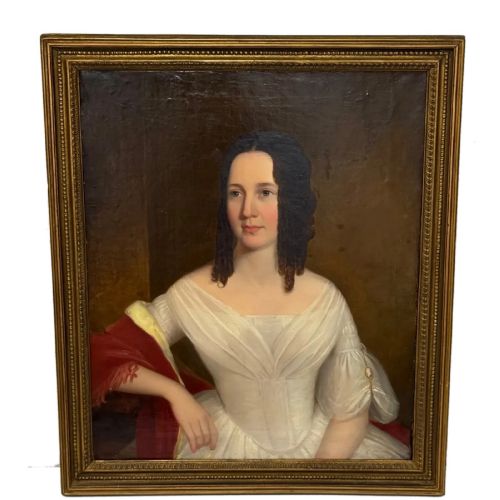
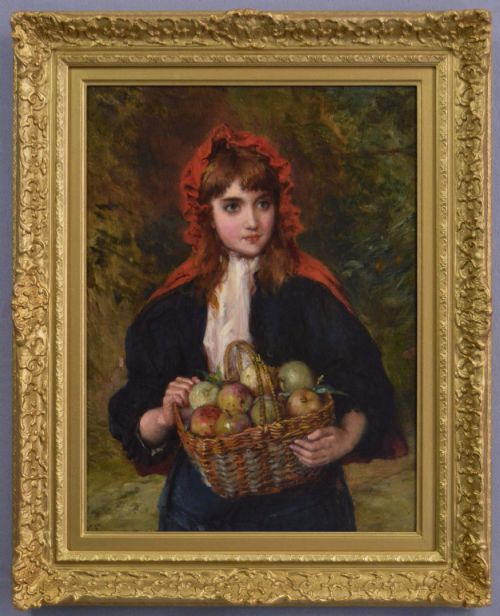
Portraits dominate the selection, ranging from 17th-century aristocratic figures to 19th-century military officers and country girls. Landscapes, marine scenes and still life compositions also appear alongside historical genre pieces.
The most common version met on this page is the 19th-century oil portrait housed in a carved wooden gilt frame. These pieces reflect Victorian, Georgian and Regency aesthetics, frequently depicting notable individuals or pastoral settings.
How they were made
Artists applied oil paint to woven canvas supports, building layers of pigment to create depth in portraiture and landscape scenes. The canvases were stretched across wooden frames to maintain tension and stability.
Makers constructed the accompanying frames from wood such as oak or pine, applying layers of gesso before finishing the surface with gold leaf or gilt. Carved ornamentation and moulding defined styles from French Rococo to Baroque and Victorian periods.
Listings feature oil on canvas works spanning the 17th, 18th, and 19th centuries, housed in wooden gilt frames.
What varies in quality
The sophistication of the brushwork and the anatomical precision of the subject set exceptional paintings apart from standard workshop output. Hand-carved wooden frames showing depth in the gilt work indicate higher craftsmanship than pressed plaster ornamentation.
The historical provenance and the skill demonstrated in capturing light and texture on canvas elevate certain pieces. Well-preserved pigment integrity and original stretchers contribute to the enduring value of these artworks.
G. J. S. Bary·Theude Grönland·Charles-Antoine Coypel·Sir Joshua Reynolds·William Oliver·Eugène Verboeckhoven·Jean-Baptiste Van Loo·William Beattie-Brown·Jozsef Molnar·Sir Martin Archer Shee·Felix Stone Moscheles·Valentine T. Garland·Dumini Leopoldo·Sir Peter Lely·Arthur Wardle·Francois Boucher·Eugène-Louis Gillot·John Horace Hooper·William McAlpine·Reginald Arthur Borstel·Sir Godfrey Kneller·Pieter Borsseler
The Gold Frame Canvas Artwork Glossary
- Giltwood
- Wood that has been covered with a thin layer of gold leaf or gold powder. This finish provides the bright metallic border characteristic of antique frames.
- Oil on Canvas
- Pigment mixed with drying oil applied to a woven fabric support. This combination allows for rich blending and textured brushstrokes.
- Gesso
- A paint mixture consisting of a neutral binder mixed with chalk, gypsum, or pigment. Artisans used this to prepare wooden frames before applying gold leaf.
- Baroque
- An artistic style prevalent in the 17th and 18th centuries characterised by drama, deep colour and rich ornamentation. Paintings from this movement feature dynamic movement and intense light contrast.
Gold Frame Canvas Artwork: Frequently Asked Questions
How do I clean a gold frame canvas artwork?
Dust the canvas gently with a soft, dry brush to remove surface particles without disturbing the paint layer. Avoid using liquid cleaners or damp cloths on the oil surface.
Clean the wooden gilt frame with a dry microfibre cloth to protect the gold leaf finish. Keep the artwork away from direct sunlight and high moisture environments to preserve the materials.
Where should I hang these paintings?
Display these pieces on interior walls away from direct heat sources and fluctuating temperatures. Stable room conditions prevent the canvas and wooden frame from warping over time.
Ensure the wall fixings match the substantial weight of large wood and gilt frames. Adequate lighting from a picture light enhances the detail of the oil paint.
How can I tell the period of the frame?
Examine the construction methods and materials visible on the reverse of the wooden frame. Hand-cut joinery and layered gesso point to earlier centuries like the 17th and 18th centuries.
Stylistic cues such as heavy Victorian moulding or delicate French Rococo carving help identify the era. Original frames often show age-related craquelure in the gilt surface.
What subjects are typical in these works?
Portraiture forms a major part of the selection, depicting gentlemen, ladies, military officers and historical figures. These portraits capture the likeness and social standing of sitters from past centuries.
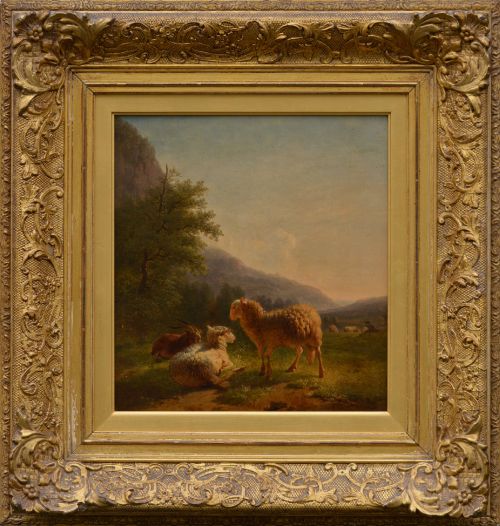
Landscapes and marine scenes also feature prominently, recording rural estates, pastoral sheep and coastal vessels. Still life paintings show arrangements of fruit and flowers with detailed realism.