







Antique Landscape Narrative Art
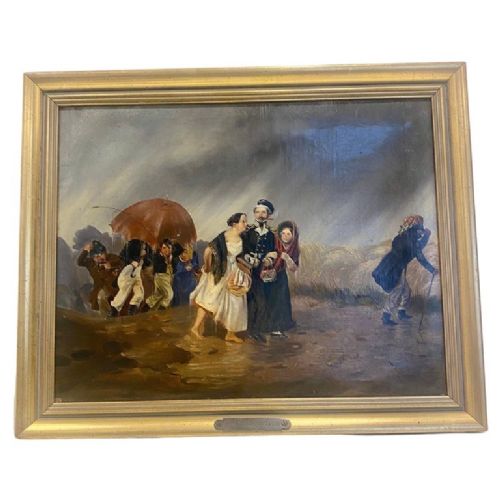
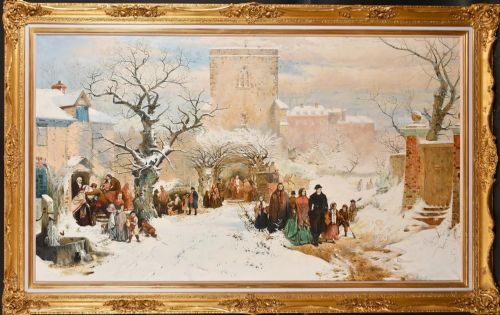
Antique landscape narrative art brings dramatic human stories into pastoral and coastal scenes, capturing figures at work, rest, and dramatic journeys.
Antique Landscape Narrative Art
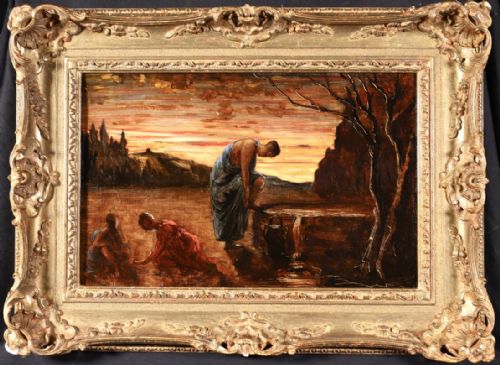
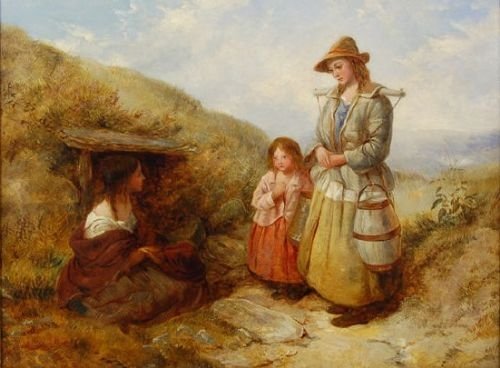
Antique landscape narrative art combines sweeping outdoor scenery with human figures engaged in storytelling moments, capturing domestic routines, historical pursuits, and romantic encounters against natural backdrops. Buyers seeking these works will find oil paintings spanning the Georgian, Victorian, and early twentieth-century periods, dominated by nineteenth-century British, French, and German schools.
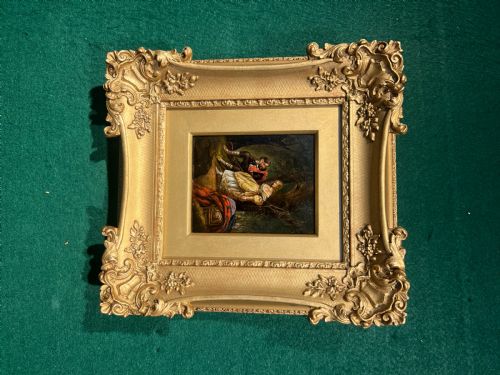
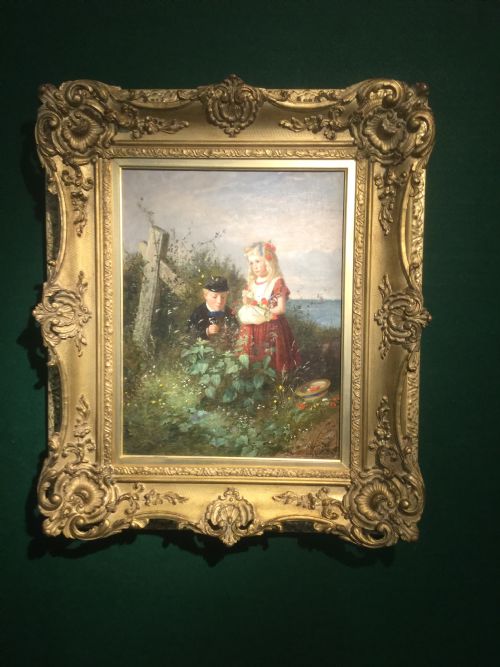
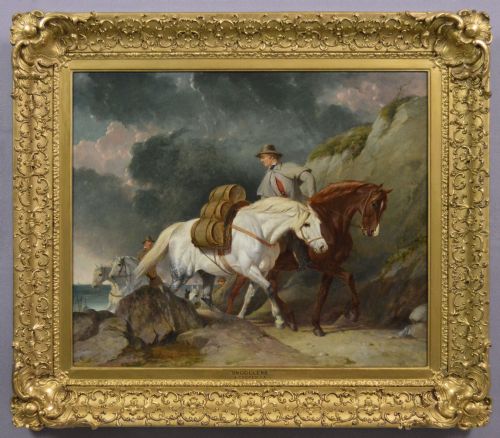
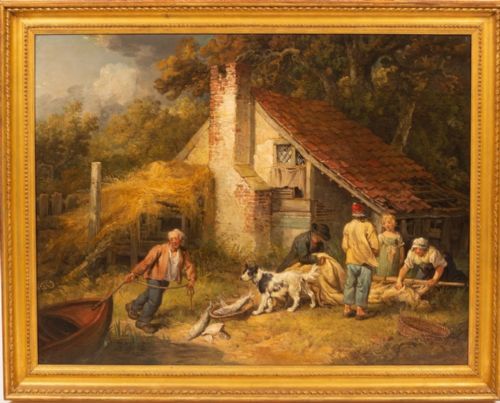
The most common formats on this page present framed canvas paintings where figures inhabit coastal paths, rural cottages, woodlands, and parklands. These compositions merge genre painting with landscape traditions, placing smugglers, fishermen, children, and courting couples into detailed outdoor settings.
Materials and construction
These works are executed in oil paint applied to canvas or wood panels, utilising the rich layering capabilities of traditional oils to build depth in both the figures and the surrounding landscape. The physical support relies on woven canvas or sturdy wood panels, which are occasionally paired with historic repairs on the reverse.
Framing is an integral component of the construction, employing gilt wood, gesso, and carved timber to house and protect the painted surface. Gilding techniques provide ornate borders that complement the romantic and realist aesthetics of the nineteenth-century schools.
Antique Landscape Narrative Art Retail Price Guide 2026
Typical asking prices for landscape narrative art among the pieces listed under this phrase on Sellingantiques today, from the lower quarter to the upper quarter. They describe what is for sale here now, not the wider market.
Materials documented across the inventory include oil paint, gilt wood, gesso, and woven canvas.
Judging quality in narrative paintings
Quality separates through the articulation of the human figures and the atmospheric integration between the characters and the landscape. Superior works demonstrate accomplished brushwork in facial expressions, textiles, and foliage, whereas lesser examples rely on formulaic backgrounds and stiff figures.
The sophistication of the provenance and the clarity of the signature also dictate the standing of a piece. Works carrying documented attributions to recognised nineteenth-century painters display superior handling of light and narrative tension compared to anonymous studio productions.
Abraham Cooper RA·Thomas Hicks·William Arthur Breakspeare·Arthur Longley Vernon·Hendricus Joseph Dillens·Frank Hyde·John Henry Dell·Frank Moss Bennett·Wilhelm Alexander Meyerheim·Albert-Ernest Brockbank·Alexandre Decamps·Charles Lewis·Edward John Cobbett
The Antique Landscape Narrative Art Glossary
- Genre painting
- A style of art depicting scenes from everyday life, typically involving ordinary people engaged in common activities. These works form the narrative core of many landscape compositions.
- Giltwood
- Wood that has been treated with gold leaf or a gold-coloured finish. This material frequently frames nineteenth-century oil paintings to enhance their visual weight.
- Gesso
- A plaster-like mixture used as a base for painting or applied to wood frames before gilding. It provides a smooth surface for ornamental carving.
- Oil on canvas
- A painting medium where pigments are bound with drying oils and applied to stretched fabric. It remains the primary medium for the narrative art listed here.
Antique Landscape Narrative Art: Frequently Asked Questions
What is antique landscape narrative art?
Antique landscape narrative art consists of oil paintings from past centuries that place human stories within natural environments. These works merge scenery with figures involved in specific actions, such as travelling, fishing, or gathering.
The pieces rely on nineteenth-century academic and realist traditions to tell visual stories without text. Each work uses the surrounding terrain to amplify the mood of the human encounter depicted.
How do I date these oil paintings?
Dating relies on stylistic markers, costume details of the figures, and framing materials characteristic of the Georgian and Victorian eras. Signatures, artist dates, and stretcher construction also offer chronological clues.
Many works carry specific nineteenth-century dates in their documentation, aligning with periods like the 1860s or 1880s. Comparing the clothing of the figures to historical fashion aids in confirming the era.
Where were these paintings displayed?
These oil paintings traditionally hung in country houses, domestic parlours, and private salons during the nineteenth and early twentieth centuries. They served as conversation pieces that reflected the refined tastes of Victorian collectors.
Today, they function as focal points in period interiors, bringing historical atmosphere to modern living spaces. Their narrative depth encourages close inspection in home settings.
How should I care for an oil painting on canvas?
Care involves keeping the painting away from direct sunlight, extreme temperature fluctuations, and high humidity. Gentle dusting with a soft, dry brush preserves the surface without disturbing the oil pigment.
Avoid using liquid cleaners on the canvas or the gilt wood frame. Professional conservators should handle any structural repairs or deep cleaning of the varnish layer.