
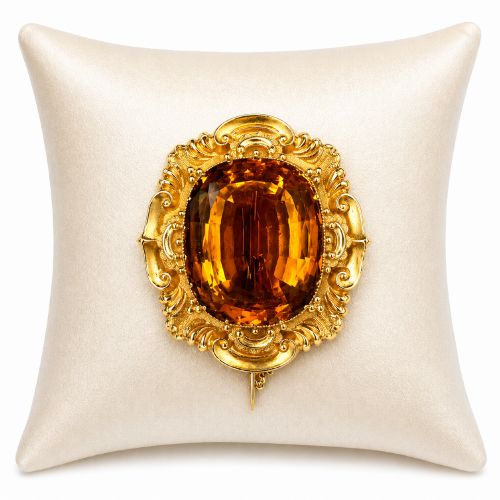
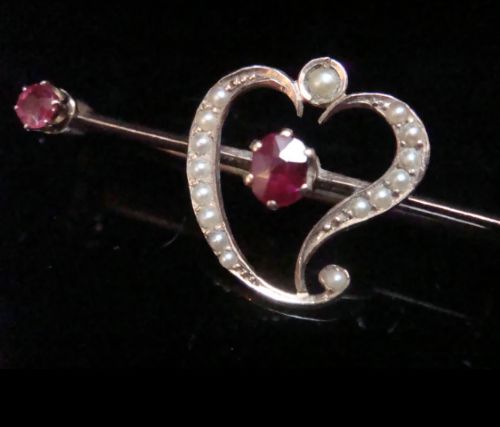


Vintage Gemstone Pin
A vintage gemstone pin delivers centuries of colour and craftsmanship, fastening securely while transforming lapels with precious and semi-precious stones set in gold or silver.
Vintage Gemstone Pin
A vintage gemstone pin encompasses a wide variety of brooches, stick pins, and pendant brooches designed to fasten garments or suspend from chains. These ornaments appear across multiple eras, including Georgian, Victorian, Edwardian, Art Deco, and mid-century periods.
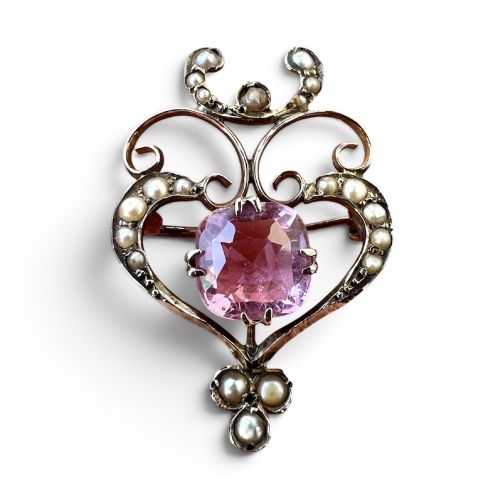
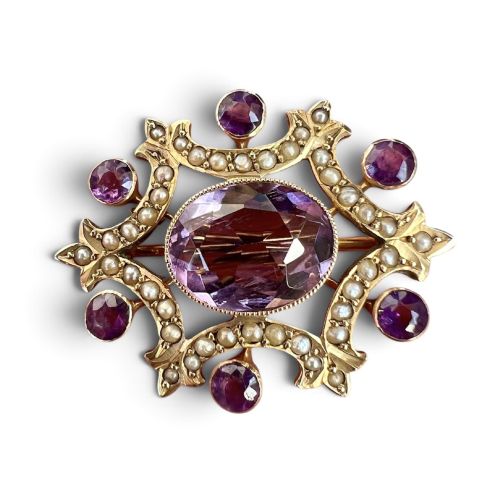
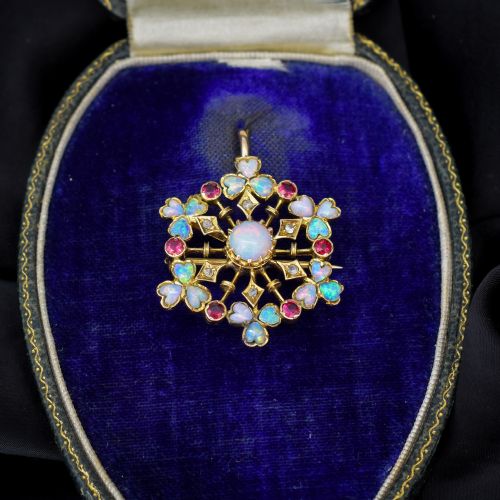
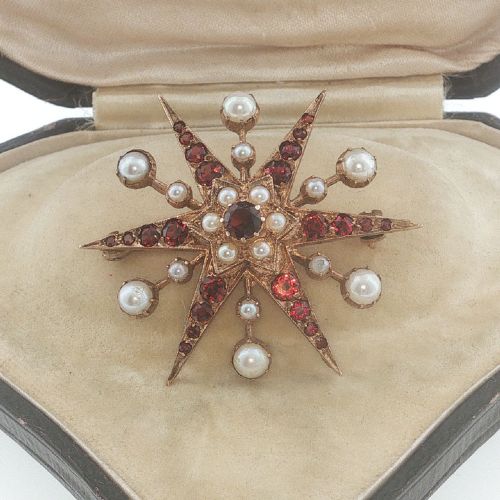
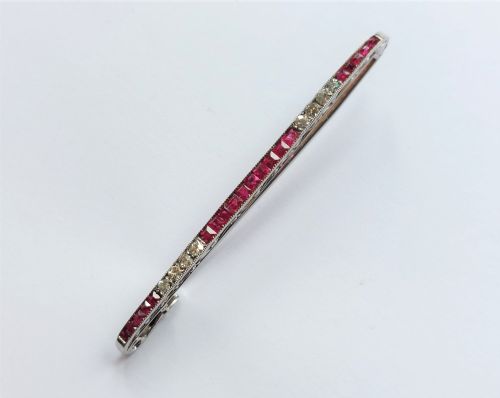
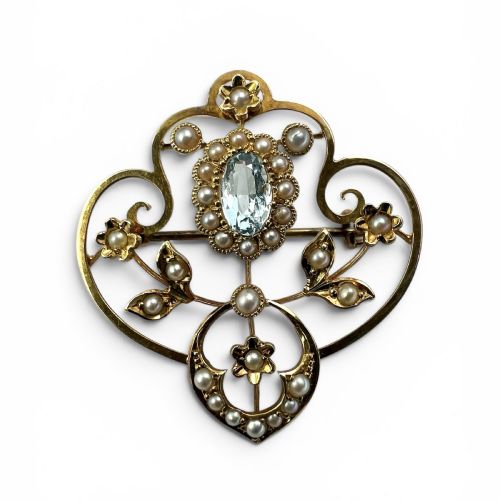
Buyers frequently encounter Edwardian bar brooches and cluster designs featuring amethysts, peridots, aquamarines, and seed pearls mounted on gold or silver. More substantial pieces incorporate diamonds, rubies, sapphires, and opals formed into floral, starburst, crescent, or insect motifs.
How they were made
Makers utilised precious metals such as 9ct, 14ct, 15ct, and 18ct yellow, white, and rose gold alongside silver, platinum, and silver gilt to construct the structural settings. Stones were secured using claw settings, bezel mounts, or flush mounting techniques tailored to the specific hardness of each gem.
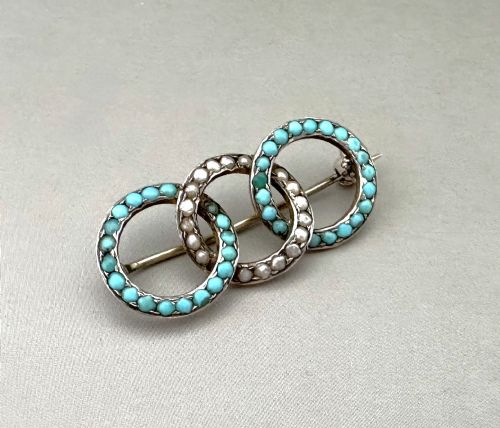
Detailed embellishments often included delicate seed pearls, natural pearls, and enamel work to accent the central gemstones. Goldsmiths and jewellers shaped these materials into intricate bar pins, coronets, spray brooches, and convertible pendant brooches.
Vintage Gemstone Pin Retail Price Guide 2026
Typical asking prices for vintage gemstone pin among the pieces listed under this phrase on Sellingantiques today, from the lower quarter to the upper quarter. They describe what is for sale here now, not the wider market.
Listings feature yellow gold, white gold, rose gold, silver, and platinum paired with diamonds, rubies, amethysts, opals, and pearls across Edwardian and Victorian eras.
What varies in quality
Quality rests upon the selection and proportion of the gemstones, from large step-cut amethysts and topaz to well-matched diamond accents and unheated sapphires. Superior examples display careful stone cutting and secure, harmonious arrangements within the metalwork.
The sophistication of the metal fabrication dictates the standard of each piece, distinguishing delicate hand-wrought wirework and detailed motifs from simpler production. Maker attention to the reverse side and the integration of secure pin stems and safety catches further separates standard items from finer works.
Beto
The Vintage Gemstone Pin Glossary
- Bar brooch
- A horizontal pin featuring gems or decorative motifs mounted along a slender metal bar. This form gained immense popularity during the Edwardian and Victorian eras.
- Seed pearl
- A very small, naturally formed or cultured pearl used in clusters or delicate borders. These tiny pearls define many Edwardian and Victorian floral and heart-shaped designs.
- Silver gilt
- Silver that has been coated with a thin layer of gold. This technique provided the appearance of solid gold while utilising silver as the base metal.
- Cabochon
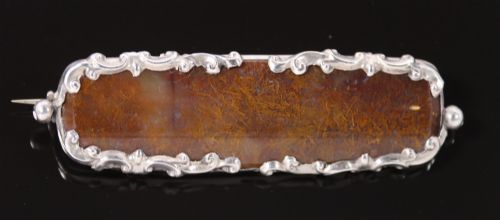
- A gemstone shaped and polished with a smooth, rounded surface rather than faceted. This cut is typical for stones such as opals, moonstones, and moss agate.
Vintage Gemstone Pin: Frequently Asked Questions
How do I wear a vintage gemstone pin?
These pieces fasten easily to coat lapels, heavy knit sweaters, scarves, and structured collars. Many designs also feature loops on the reverse, allowing them to suspend from a chain as a pendant.
Heavier items require sturdy fabrics to prevent sagging, while lighter bar pins suit delicate silks and wools. Position them securely using the integrated pin stem and safety clasp to ensure safe daily wear.
What periods do these pins come from?
The selection spans from Georgian and Victorian eras through Edwardian, Art Deco, and mid-century modern decades. Each period introduced distinct motifs, from Georgian moss agate to Edwardian seed pearl clusters and Art Deco geometric platinum settings.
Tracing the metal purity marks, stone cuts, and construction styles helps identify the specific era of manufacture. Many pieces reflect revival styles that reinterpret earlier aesthetic movements.
How do I care for antique and vintage pins?
Gentle cleaning with a soft cloth removes everyday dust and oils without harming vulnerable materials like pearls or opals. Avoid harsh chemical dips and ultrasonic cleaners, particularly for softer or treated gemstones.
Store each pin separately in a lined box or pouch to prevent scratching the metal and stones. Check the pin stem and clasp periodically to ensure the fastening mechanism remains secure.