


Vintage Ruby Lapel Pin
A vintage ruby lapel pin offers a splash of rich crimson set in precious metal, bringing character to a lapel.
Vintage Ruby Lapel Pin
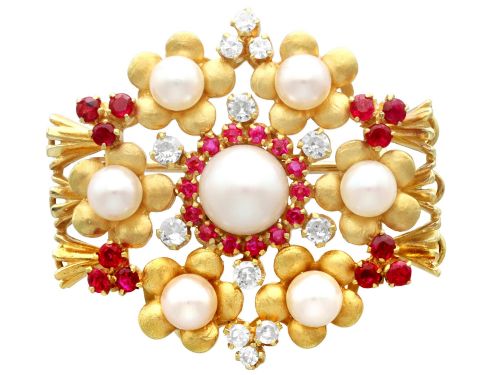
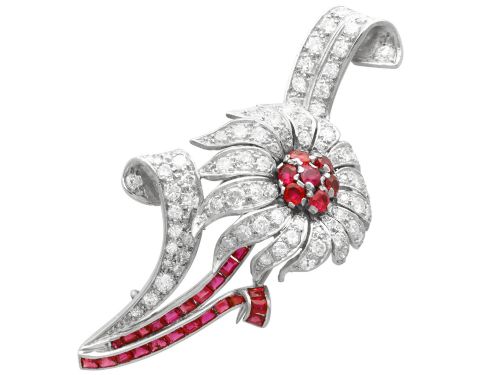
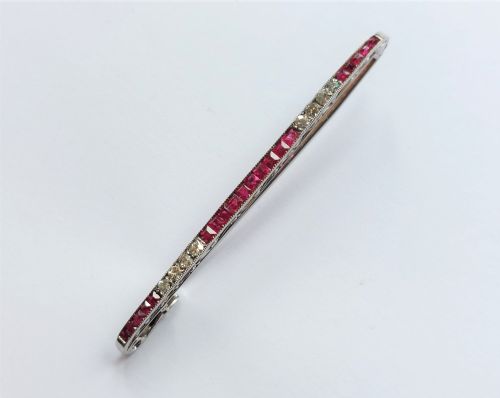
A vintage ruby lapel pin covers a varied selection of antique and mid-century brooches, ranging from bar brooches to figural designs. Buyers searching for a vintage ruby lapel pin will encounter pieces spanning the Georgian, Victorian, Edwardian, Art Deco, Retro, and 1960s periods.
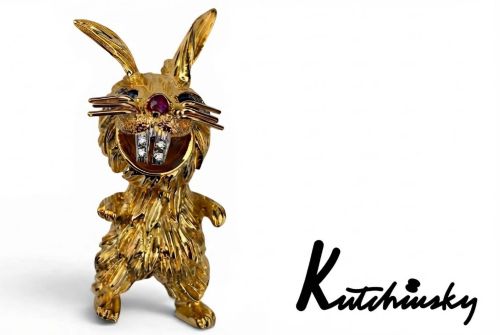
The most common forms on this page include bar brooches set with rubies and diamonds, alongside whimsical animal subjects such as rabbits, chicks, birds, owls, butterflies, and bicycles. These pieces function primarily as decorative dress fasteners worn on jackets and coats.
How They Were Made
Goldsmiths utilised traditional casting and fabrication methods, working in yellow gold, rose gold, white gold, platinum, and silver. Stones were set by hand, securing rubies alongside diamonds, sapphires, emerald paste glass, and pearls.
Earlier examples often combine silver-topped gold settings, whereas mid-century pieces lean towards solid 18ct yellow gold and platinum constructions. Surface finishes vary from high polish to textured hand-chased details on figural subjects.
Represented periods range from eighteenth-century Georgian work through Victorian, Edwardian, Art Deco, and Retro eras, up to mid-century nineteen-sixties pieces.
What Varies in Quality
The distinction between standard and superior pieces rests on the weight and purity of the precious metals, the clarity and carat weight of the diamonds, and the saturation of the rubies. Signed works by established makers command distinct attention due to documented provenance.
Design complexity also dictates the tier of the piece, moving from simple geometric bar brooches to intricate, multi-gem figural creations involving platinum work and substantial gemstone totals.
Kutchinsky·Ben Rosenfeld
The Vintage Ruby Lapel Pin Glossary
- Bar brooch
- A narrow horizontal pin format popular across the Victorian and Edwardian periods. These often feature central gemstone clusters or uniform line settings.
- Paste glass
- Vitreous glass cut and polished to imitate gemstones. Paste glass appears frequently in decorative costume and period paste brooches.
- Flat cut rubies
- Rubies shaped with a flat top surface rather than a traditional faceted dome or pavilion. This historic lapidary technique is typical of eighteenth-century work.
- Rose cut
- A diamond cut featuring a flat base and a domed crown covered in triangular facets. Rose cut stones yield a soft lustre rather than brilliant sparkle.
- Signed piece
- A piece bearing the stamped mark or signature of a specific maker or firm. Signed items offer clear attribution to workshops such as Kutchinsky or Ben Rosenfeld.
Vintage Ruby Lapel Pin: Frequently Asked Questions
How do I wear a lapel pin safely?
Pin the piece securely through the lapel fabric, ensuring the clasp mechanism locks properly. Heavier gold and platinum figural brooches require thicker fabrics like tweed or wool to support their weight.
Avoid wearing delicate bar brooches on thin silks or stretchy knits that might pull or tear under the tension of the pin stem.
Are these pins made of real gold?
The selection includes items fashioned from nine-carat, fourteen-carat, and eighteen-carat yellow, rose, and white gold, alongside platinum and silver. Hallmarks and metal tests indicate the specific alloy used in each individual brooch.
Some antique pieces utilise a silver-topped gold construction, where silver was chosen for its bright reflection around gemstones.
How can I tell an Edwardian pin from a Victorian one?
Victorian brooches often display heavier metalwork, sentimental motifs like birds or butterflies, and occasionally silver-topped gold settings. Edwardian pieces tend to introduce platinum and favour lighter, lacy openwork designs incorporating pearls and diamonds.
Examining the pin stem, hinge, and clasp style alongside any hallmarks provides further clues regarding the manufacturing era.
What is a figural brooch?
A figural brooch depicts a recognisable subject, such as an animal, insect, or object. Examples on this page include rabbits, chicks, owls, and bicycles rendered in precious metals and gemstones.
These pieces gained particular popularity during the mid-twentieth century, showcasing playful designs alongside traditional gemstone settings.