





Antique Style Gold Brooch
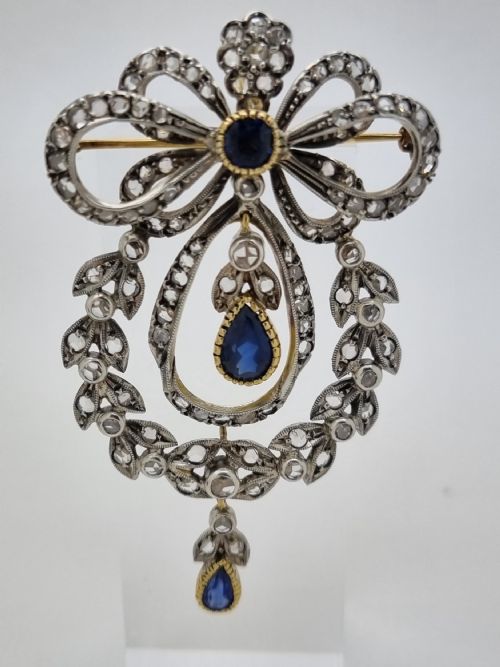
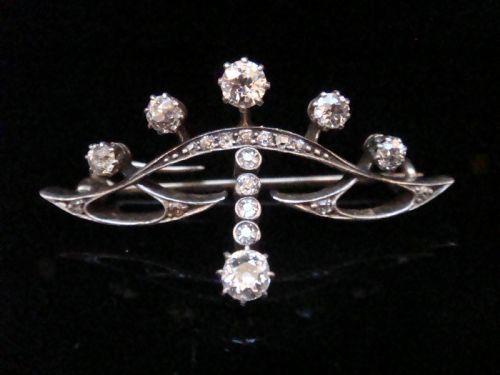
An antique style gold brooch brings together period craftsmanship and precious stones, offering a wearable piece of history.
Antique Style Gold Brooch
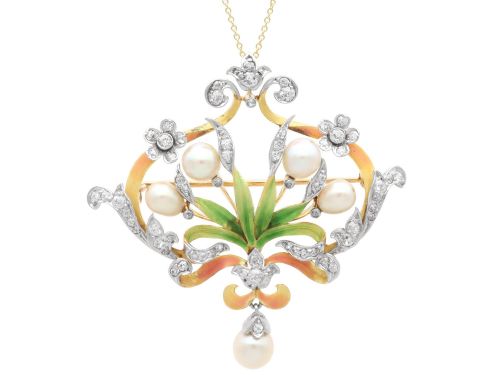
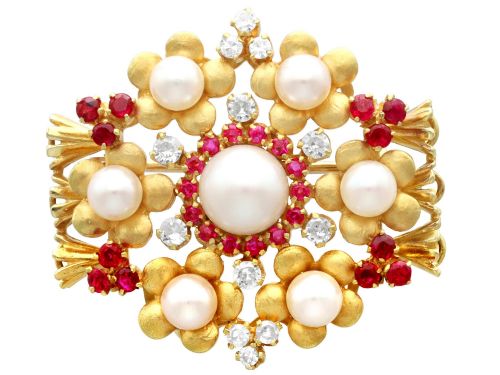
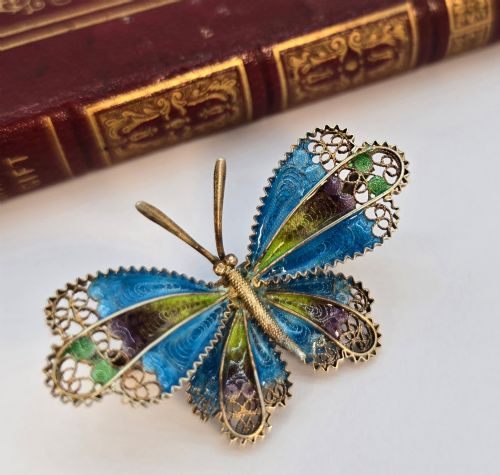
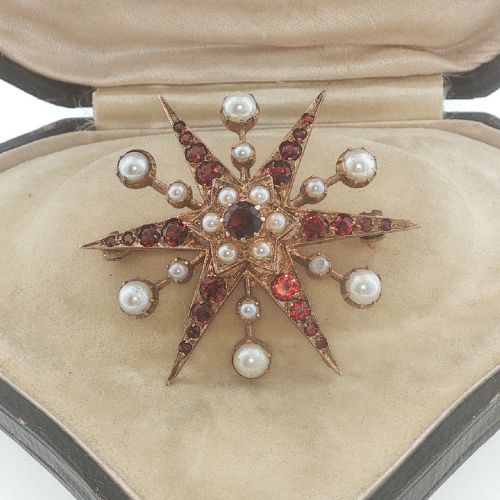
An antique style gold brooch spans several distinct periods, with Edwardian, Victorian, and mid-century examples appearing frequently on this page. These pieces take various forms, including floral sprays, intricate pendants, heart bar brooches, and butterfly motifs. Buyers seek these ornaments to wear on lapels, scarves, or hats, appreciating the combination of historical design and precious metals.
The materials utilised range from 18ct yellow and white gold to silver gilt and 9ct gold, often set with diamonds, rubies, pearls, garnets, and enamel. Pieces vary from delicate starbursts to substantial cluster brooches and convertible pendant-brooches. Each item reflects the aesthetic preferences of its era, whether the romantic sentiment of the Victorian period or the clean geometry of Art Deco.
Materials and construction methods
The construction relies heavily on yellow and white gold, alongside silver and platinum highlights, providing durable foundations for intricate stone settings. Goldsmiths employed techniques such as old cut diamond setting, enamel work, and seed pearl application to achieve detailed surface textures.
Makers integrated gemstones including rubies, garnets, turquoise, and opals into gold frameworks, sometimes combining pin mechanisms with pendant loops for dual functionality. The handling of enamel and precious metals demonstrates traditional bench skills passed down through workshops.
Antique Style Gold Brooch Retail Price Guide 2026
Typical asking prices for style gold brooch among the pieces listed under this phrase on Sellingantiques today, from the lower quarter to the upper quarter. They describe what is for sale here now, not the wider market.
Listings feature yellow gold, white gold, and silver gilt alongside gemstones including diamonds, rubies, garnets, opals, and turquoise across multiple design periods.
Distinctions in craftsmanship and materials
Quality separates through the precision of the stone setting and the complexity of the goldwork, such as fine wirework in Etruscan Revival pieces or hand-painted enamel details. Superior examples display balanced composition, securely flush-set or claw-set stones, and well-preserved structural integrity in the pin and hinge mechanism.
The selection of materials also dictates the calibre of the piece, with heavier gold weights, natural saltwater pearls, and higher carat diamond distributions marking out finer examples. Maker attribution, where present, adds another layer of distinction to the overall execution.
Murrle Bennet and Co
The Antique Style Gold Brooch Glossary
- Old cut
- A diamond cutting style prevalent before modern brilliant cuts, characterised by a small table, higher crown, and open culet. These stones exhibit a softer, candlelit sparkle.
- Silver gilt
- Sterling silver that has been coated with a thin layer of gold. This technique provides the rich appearance of solid gold while utilising a silver base.
- Seed pearl
- Very small, naturally occurring pearls often used in cluster and starburst configurations. They add a delicate, luminous texture to the design.
- Pendant brooch
- A versatile jewellery piece fitted with both a pin and a loop. This allows the item to be worn pinned to clothing or suspended from a chain as a necklace.
Antique Style Gold Brooch: Frequently Asked Questions
How do I wear a brooch safely?
Secure the pin through a tightly woven fabric or add a small backing protector to the pin point behind the garment. This prevents the brooch from rotating or pulling downward during wear.
For delicate fabrics, anchor the brooch to a structural seam or lapel where the material offers adequate support.
Can I convert a brooch into a pendant?
Many period pieces feature an integrated fold-down loop or a removable bail behind the main setting specifically for chain suspension. This dual functionality was common in Edwardian and Victorian designs.
If the piece lacks a loop, a specialist jeweller can sometimes attach a discreet adaptor without altering the original gold structure.
How do I clean antique gold jewellery?
Use a soft microfibre cloth and warm soapy water to gently remove surface dust from the gold and gemstones. Avoid harsh chemical dips, particularly if the piece contains pearls, turquoise, or enamel.
Store the brooch separately in a lined box to prevent scratching softer stones like opals and pearls against harder diamonds.
How do I identify the period of a brooch?
Examine the metal hallmarks, the style of stone cutting, and the construction of the pin and clasp mechanism. Victorian pieces often feature closed-back settings and T-bar hinges, while Edwardian items lean towards platinum-topped gold and filigree.
Comparing the motif, such as a geometric Art Deco shape or an Etruscan Revival granulation pattern, also helps narrow down the decade of origin.