



Gold Floral Lapel Pin
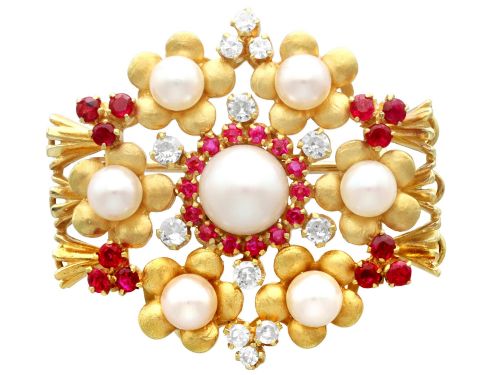
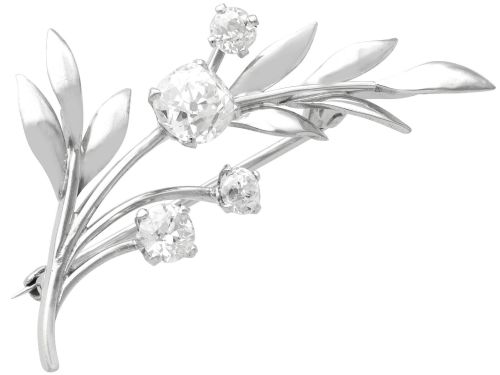
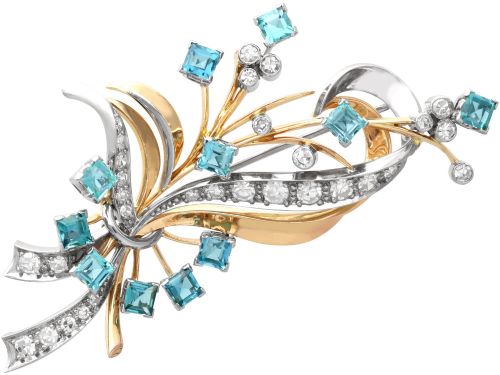
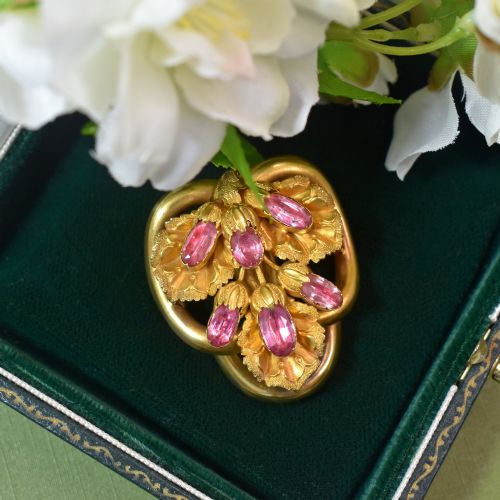
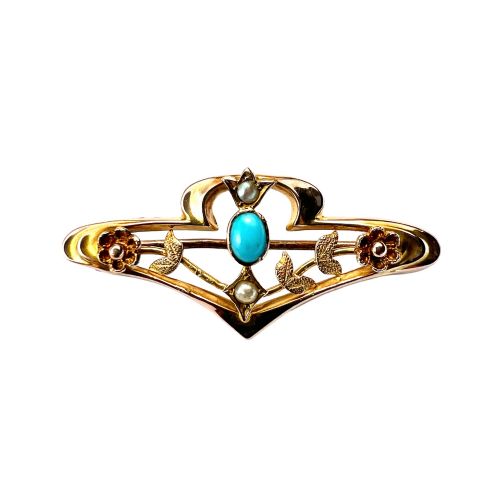
These gold floral lapel pin pieces are delicate antique botanical jewels shaped from precious metals and set with gems, offering a refined touch of historical elegance for daily wear.
Gold Floral Lapel Pin
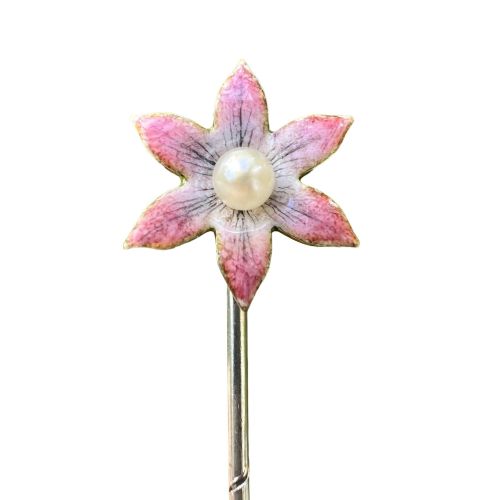
The objects take the form of bar brooches, stick pins, and shaped floral brooches. Common materials include nine-carat and fifteen-carat gold alongside silver, decorated with diamonds, pearls, turquoise, enamel, and various gemstones.
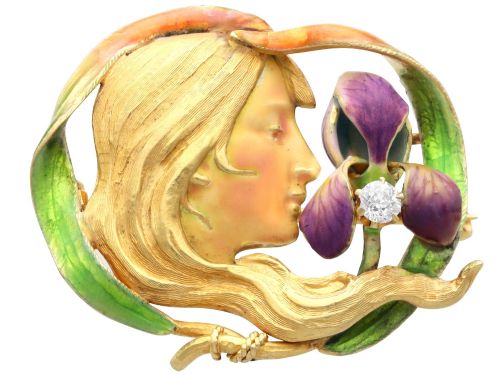
Victorian and Edwardian iterations dominate the selection, often featuring clustered petals or delicate stems. Art Nouveau examples introduce flowing enamel work, while later mid-century pieces showcase bolder stone settings.
Materials and construction
Makers shaped these jewels using traditional smithing techniques in gold and silver, often combining different purities such as nine-carat, fifteen-carat, and eighteen-carat yellow gold. Metalwork frequently includes fine wire elements and cast floral components soldered to structural pins or bar mounts.
Gemstones are secured with early claw settings, bezel mounts, or foil-backed techniques beneath stones like pink topaz. Enamel work, including plique-à-jour, requires fusing glass powder to metal frameworks to create translucent coloured petals.
Listings in this category span multiple eras, encompassing Victorian, Edwardian, Art Nouveau, Art Deco, and mid-century design periods.
Assessing quality in antique floral jewels
Quality differences emerge in the precision of the metalwork and the uniformity of gemstone selection. Finer pieces demonstrate meticulous hand-carved leaf details, secure stone settings, and balanced composition across the floral motif.
The preservation of delicate materials like enamel and natural pearls distinguishes superior items. Intact coloured enamels without loss and well-matched pearl or diamond clusters indicate higher craftsmanship from the period.
The Gold Floral Lapel Pin Glossary
- Bar brooch
- A slender horizontal metal rod serving as the structural base for decorative elements. These forms were widely produced during the Victorian and Edwardian periods.
- Stick pin
- A long pin topped with a decorative ornament designed to secure cravats or lapels. The ornamental head often mirrors the floral motifs found on larger brooches.
- Plique-à-jour
- An enamelling technique resembling miniature stained glass where enamel is fired without a backing, allowing light to pass through the transparent cells. This method is characteristic of Art Nouveau design.
- Foil-backed
- A historical technique where metallic foil is placed behind a gemstone to enhance its brilliance and perceived colour depth. It is frequently observed in earlier nineteenth-century pieces.
- Essex crystal
- A convex rock crystal carved and painted on the flat reverse side to create a three-dimensional miniature image. These pieces require specialist miniature painting skill.
Gold Floral Lapel Pin: Frequently Asked Questions
How do I wear a antique gold floral lapel pin?
These pieces function well secured to jacket lapels, heavy coat collars, or anchored through thick knitwear. Ensure the backing clasp fastens securely to support the weight of the metal and stones.
For daily use, position the pin through woven cloth rather than delicate silk to prevent fabric distortion over time.
How can I tell the period of a floral brooch?
Examining the metal purity marks, stone cuts, and stylistic motifs reveals the era of manufacture. Victorian and Edwardian examples often feature organic asymmetry or cluster settings, while mid-century pieces display heavier gold weights and different gemstone combinations.
Construction details on the reverse of the pin also offer clues regarding the manufacturing techniques typical of specific decades.
Are these pins suitable for daily wear?
Many antique floral pins withstand regular wear provided they receive gentle handling. Items set with softer organic materials like pearls or turquoise require extra care to avoid chemical contact and moisture.
Storing each piece in a dedicated box prevents friction against other jewellery items when not being worn.
What metals are commonly found in these designs?
Gold in nine-carat, fifteen-carat, and eighteen-carat purities appears frequently across the selection alongside silver. Different gold purities reflect the manufacturing standards and regional hallmarking practices of their respective periods.
Yellow gold remains the predominant metal tone, providing a warm background for diamonds and coloured gemstones.