
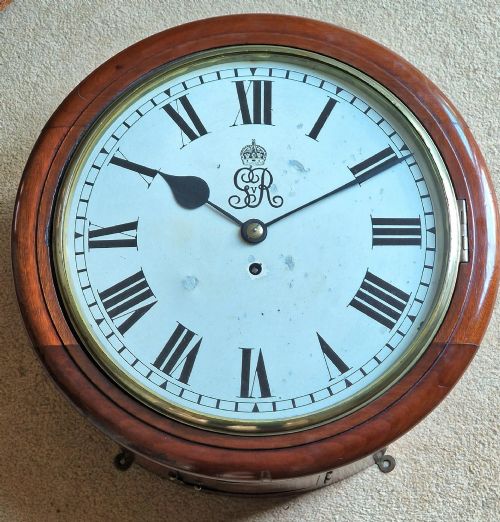
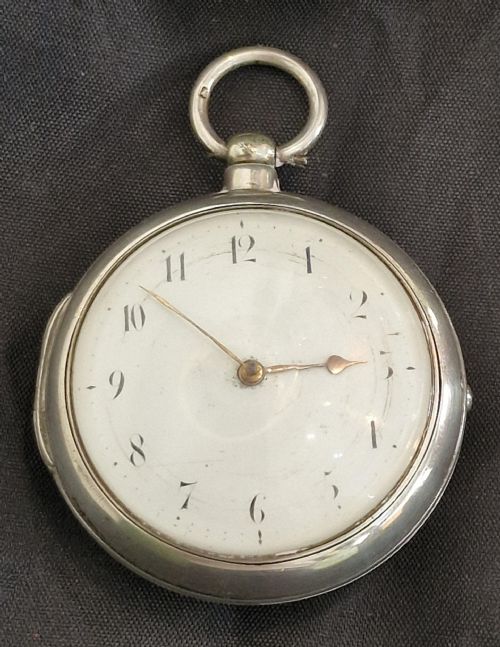

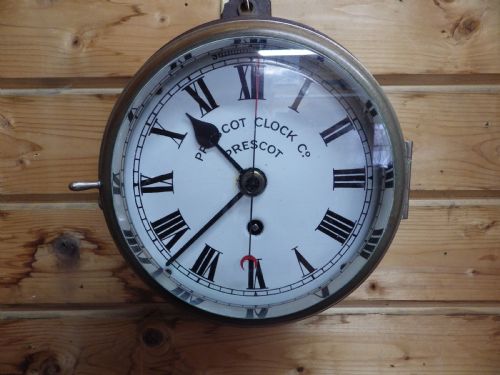


Vintage Fusee Timepiece
A vintage fusee timepiece brings mechanical precision and understated British design into a room.
Vintage Fusee Timepiece
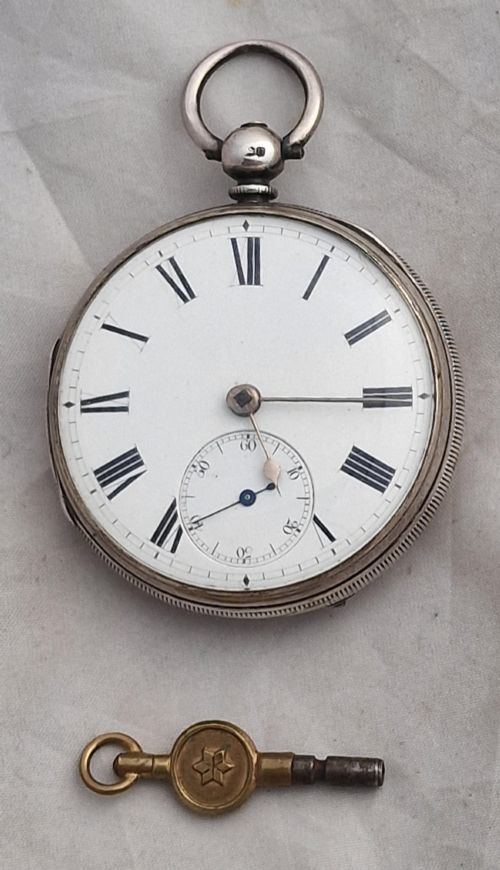
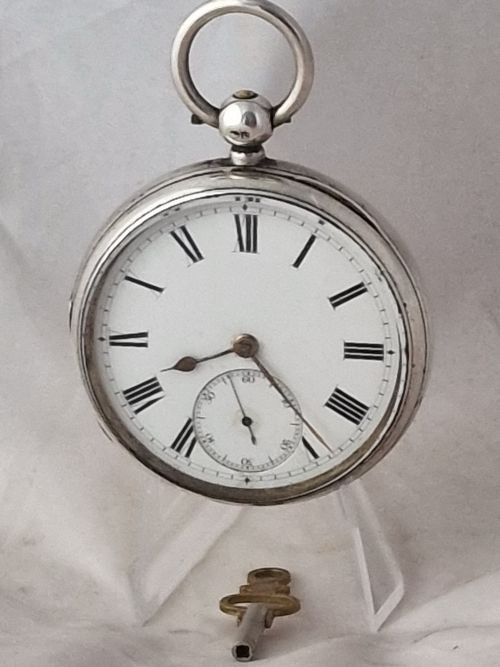
A vintage fusee timepiece is a mechanical clock or watch driven by a fusee cone and chain or cord mechanism, designed to equalise the declining power of the mainspring. Buyers searching this phrase will find a variety of forms spanning several centuries, originating mostly from British makers and workshops.
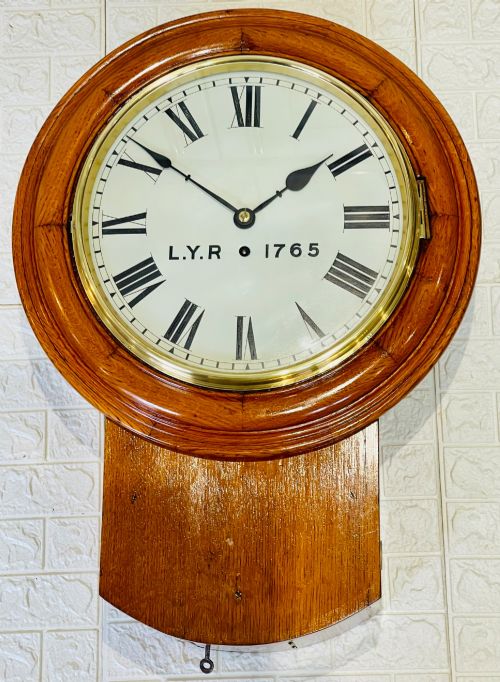
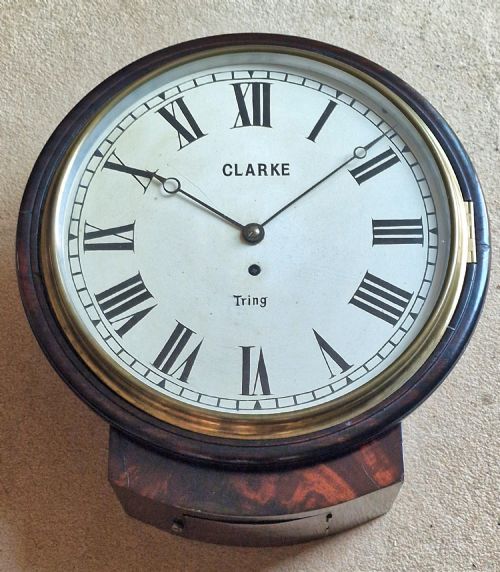
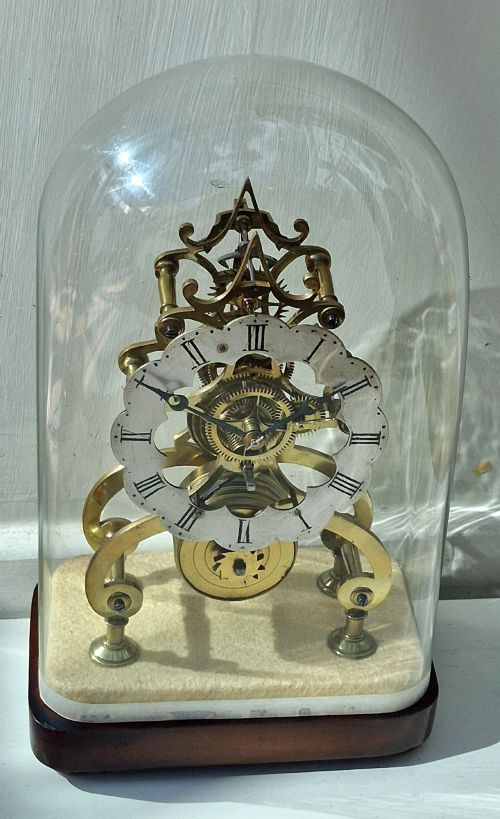
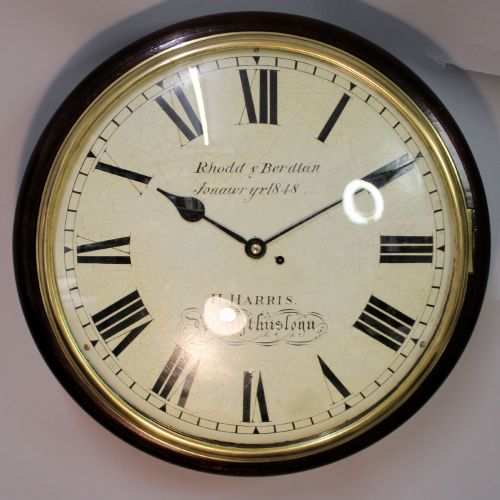
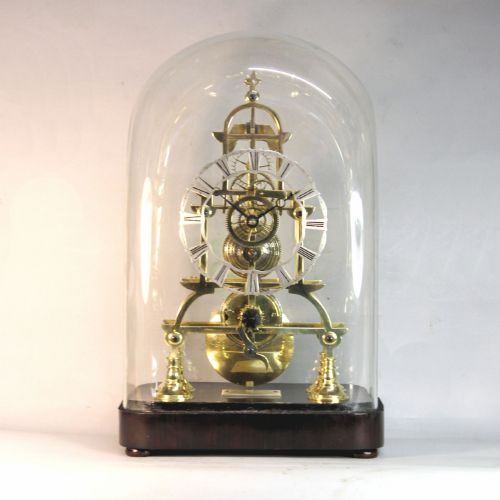
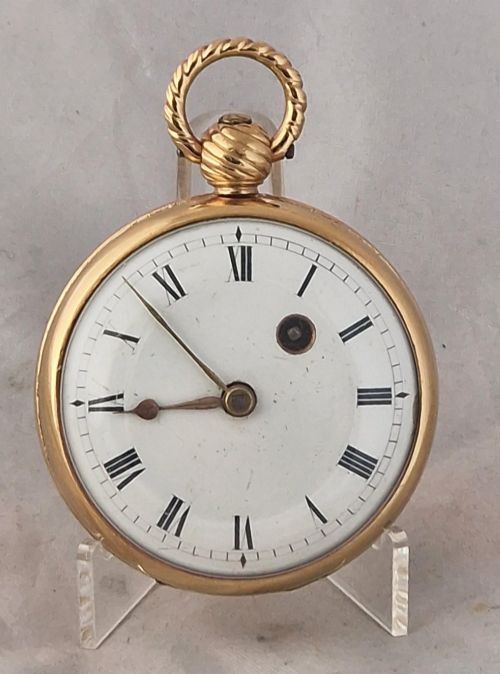
The most common examples on this page are wall-mounted dial clocks and drop-dial clocks housed in mahogany or oak cases, alongside mantel clocks, bracket clocks, skeleton clocks, and pocket watches. These items date from the Georgian, Regency, and Victorian periods through to the early twentieth century, including railway and military service pieces.
How they were made
Case makers utilised dense timbers such as mahogany, oak, and walnut, often shaping them into circular wall dials, architectural bracket clock bodies, or miniature Gothic frames. Dial faces were constructed from wood, brass, enamel, or glass, protected by heavy glass bezels and cast brass surrounds.
Internal movements combine brass plates, steel pivots, and iron components, with glass domes occasionally enclosing intricate skeleton clocks to protect the brass wheel trains. Gilt brass, ormolu, and silver finishes appear on luxury pocket watches and decorative mantel timepieces.
Vintage Fusee Timepiece Retail Price Guide 2026
Typical asking prices for vintage fusee timepiece among the pieces listed under this phrase on Sellingantiques today, from the lower quarter to the upper quarter. They describe what is for sale here now, not the wider market.
Listings feature 19th Century, Victorian, Georgian, Regency, and Edwardian periods alongside materials such as glass, brass, mahogany, iron, and enamel.
What varies in quality
Quality in a vintage fusee timepiece rests upon the crispness of the movement's hand-engraving, the calibre of the brass work, and the precision with which the fusee cone is cut. Finer examples display meticulous finishing on hidden internal components and robust, stable gear trains.
Cabinetwork differentiates standard utility pieces from high-end commissions, with superior items featuring select grain mahogany or walnut cases, well-fitted bezels, and signed dials from notable makers. The integration of auxiliary functions like date apertures or specialised escapements also separates standard timepieces from masterwork productions.
Henry Harris of Monythuslwyn·Richard Winter of Chieveley·Thomas Cole·James Cole·John Thwaites
The Vintage Fusee Timepiece Glossary
- Fusee
- A conical pulley used in mechanical clocks and watches to maintain even tension on the gear train as the mainspring unwinds. This device ensures consistent timekeeping throughout the duration of the wind.
- Dial clock
- A wall-mounted timepiece featuring a prominent circular face, frequently utilised in public buildings, railway stations, and offices. The wooden case often includes a short drop box for pendulum clearance.
- Skeleton clock
- A timepiece designed with an open frame that exposes the gear train and movement to view from all sides. These pieces are frequently housed beneath glass domes.
- Verge escapement
- An early type of mechanical escapement utilising a crown wheel and a vertical rod with pallets. It is commonly found on older pocket watches and early timepieces.
- Drop dial
- A wall clock design where the circular dial sits above a box or trunk that drops downward to accommodate the pendulum. This form became a staple of nineteenth-century British timekeeping.
Vintage Fusee Timepiece: Frequently Asked Questions
How do I wind a fusee clock?
Winding requires inserting the key into the dial aperture and turning it clockwise until the mechanism meets resistance. Care should be taken not to overwind the mainspring.
Most single fusee timepieces run for eight days on a full wind, making a weekly schedule ideal for regular maintenance.
Where were dial clocks used?
Dial clocks were primarily manufactured for functional environments such as railway offices, military stations, and public institutions where clear legibility was essential. Their robust construction allowed them to withstand heavy daily use.
Domestic spaces also utilised smaller versions in hallways and kitchens for dependable timekeeping.
How do I identify a Victorian fusee timepiece?
Victorian examples frequently display mahogany or oak cases surrounding painted iron or wood dials, often bearing railway company lettering or maker signatures. The fusee movement inside will feature a chain or cord wrapped around a grooved conical pulley.
Stylistic cues such as Gothic brass framing or heavy brass bezels help separate Victorian pieces from earlier Georgian or later Edwardian iterations.
Can I hang a heavy wall clock safely?
Wall-mounted fusee clocks require secure fastening directly into wall studs or masonry using appropriate fixings to support the considerable weight of the timber case and brass movement. The backbox normally includes dedicated mounting brackets or screw holes for stability.
Once hung, the case must be plumbed vertically so the pendulum swings evenly without catching.