

Vintage French Pottery
Vintage french pottery brings together centuries of regional earthenware, tin-glazed faience, and decorative art pottery crafted across French provinces and urban studios.
Vintage French Pottery
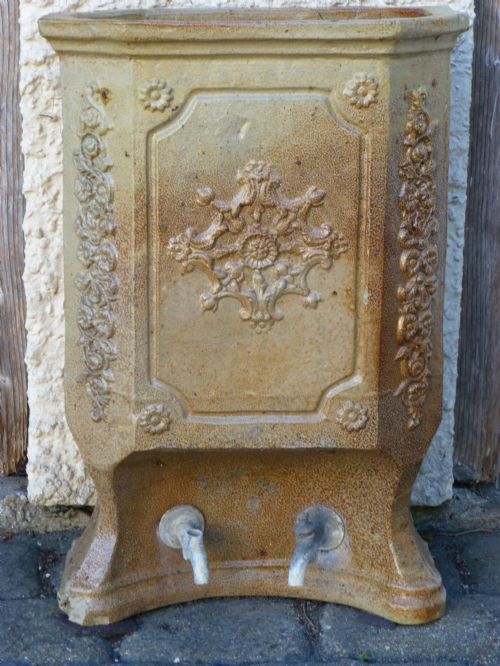
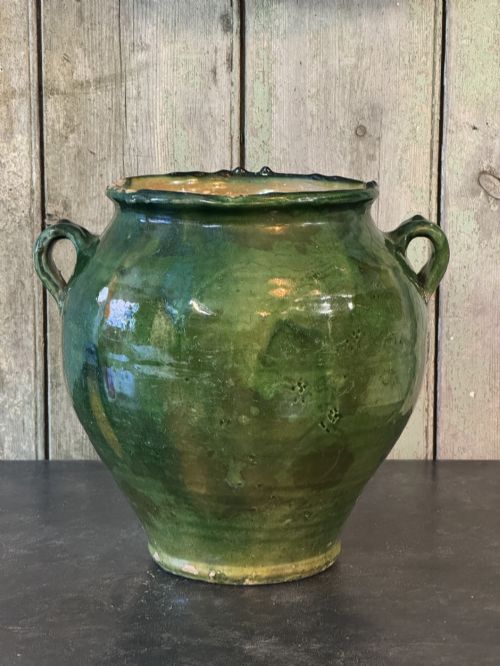
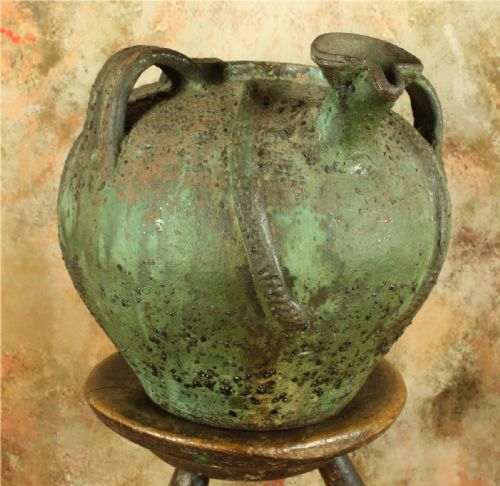
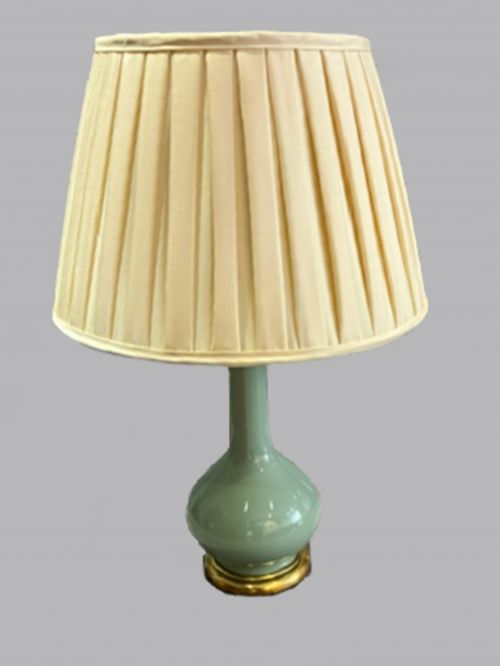
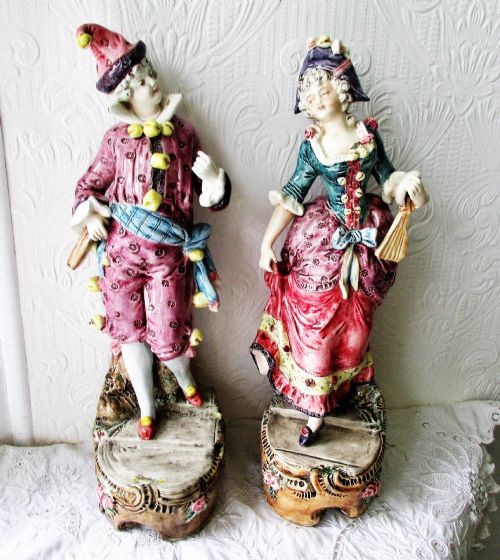
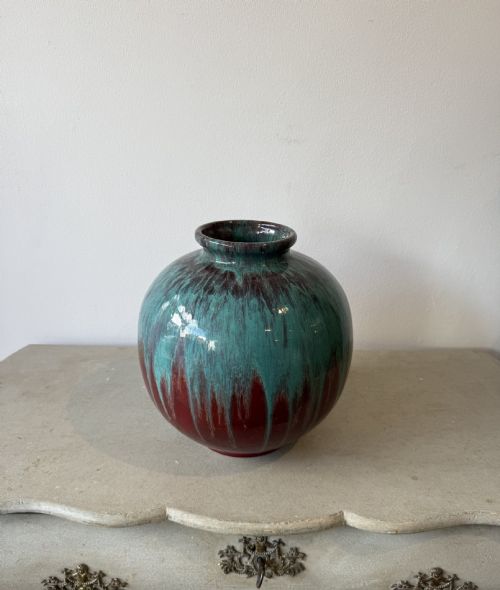
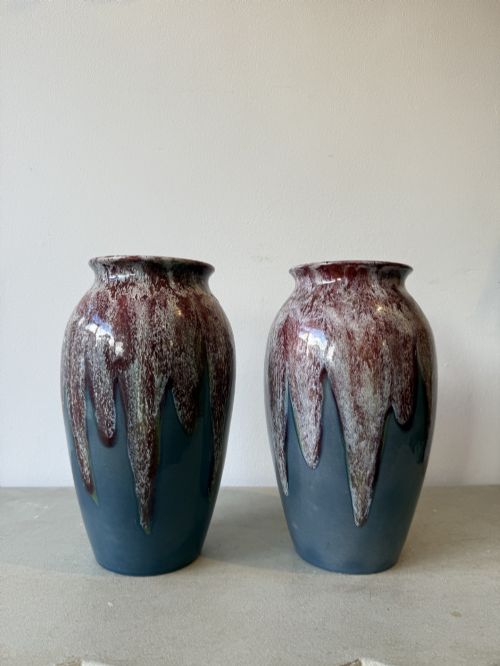
Vintage french pottery encompasses utilitarian vessels, decorative figures, and tableware originating from French workshops across the eighteenth, nineteenth, and twentieth centuries. Buyers seeking vintage french pottery encounter regional stoneware confit pots, confiture jars, and salt-glazed water filtration fountains alongside hand-painted Quimper faience and Desvres tableware. The selection spans distinct provincial traditions like Castelnaudary planters and Normandy terracotta animalier sculptures alongside urban Art Deco vases and glazed ceramic lamps.
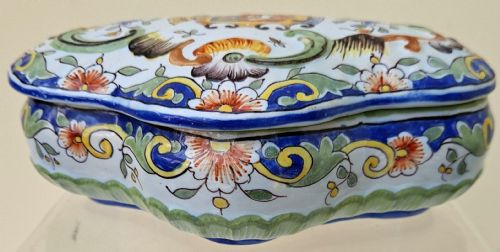
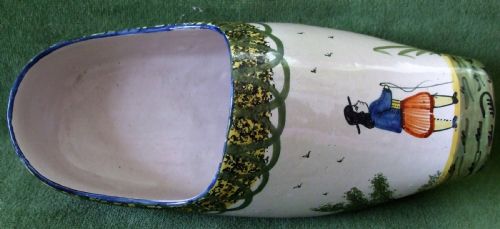
The objects on this page bridge domestic utility and artistic expression, moving from eighteenth-century olive jugs and oil pots to nineteen-thirties modernist animal figures and drip-glazed vessels. Everyday utilitarian items such as green-glazed confit pots and cream jugs sit beside highly decorative faience urns, vide-poche dishes, and cabinet plates. Regional centres supplied specific forms, from the distinctive folkloric figures of Quimper to architectural roof tile cats from Bavent and tin-glazed earthenware from Rouen and Gien.
Materials and production methods
Potters utilised local earthenware, terracotta, and stoneware clays, shaping bodies by hand, on the wheel, or in moulds before firing. Stoneware pieces received salt glazes or heavy lead glazes to ensure impermeability for storing liquids like oil, vinegar, and water. Earthenware vessels often incorporated tin glazes that created an opaque white surface suitable for subsequent hand-painted decoration in cobalt blue and polychrome pigments.
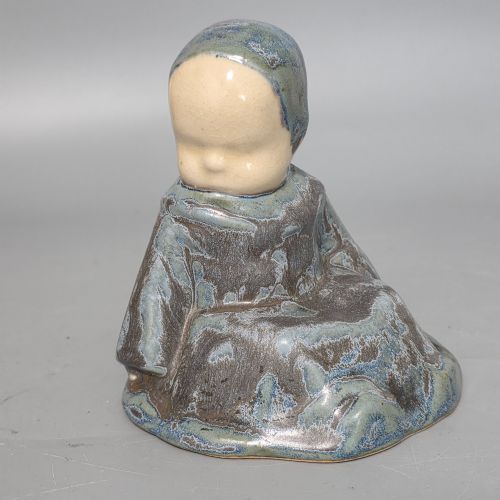
Faience production involved coating the fired earthenware body with a tin-oxide enamel, painting directly onto the porous raw glaze, and firing a second time to fuse the colours. Art Deco ateliers experimented with thick drip glazes, textured grès ceramics, and applied glass eyes on sculptural animal forms such as cats, pheasants, and bulls. Terracotta works from Normandy and regional folk potteries relied on modelled clay left unglazed or treated with simple surface washes.
Some cats guarding French rooftops in terracotta now sit indoors with glossy glass eyes watching the living room.
Factors determining quality
Attribution to documented workshops, potteries, or named designers adds distinction to standard provincial wares. Pieces retaining clear factory marks, such as those from Quimper, Desvres, or Longwy, demonstrate higher collectible standing than unmarked regional equivalents. The preservation of original surface finishes, uncompromised by extensive restoration, dictates the standing of both domestic confit jars and delicate decorative figurines.
Berthe Savigny·HB Quimper·Desvres·Longwy·Mougin·Le Manceau·Gien·Robert T Lallement·Joseph Constant
The Vintage French Pottery Glossary
- Faience
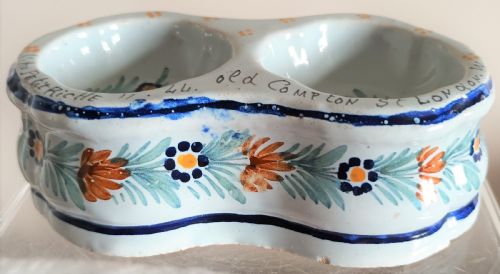
- Tin-glazed earthenware produced across France, typically featuring hand-painted botanical or figurative designs on an opaque white background. This technique originated from Italian majolica traditions and became a staple of regional French potteries.
- Confit Pot
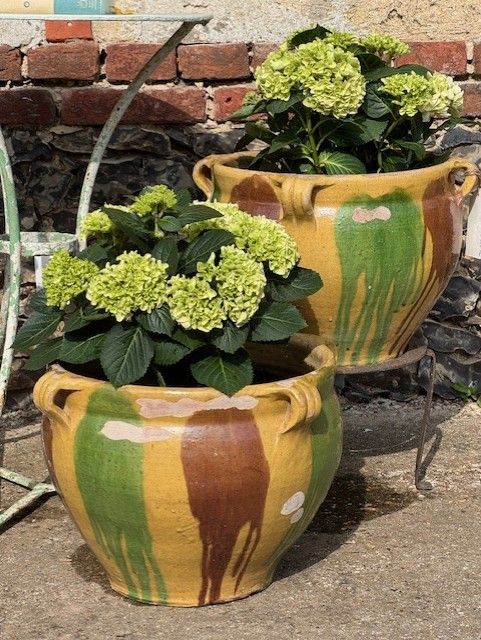
- A large earthenware or stoneware jar featuring one or two handles, historically utilised in the French countryside for preserving duck, pork, or oil. These utilitarian vessels usually display lead glazes ranging from rich greens to warm ambers.
- Salt Glaze
- A glossy, slightly textured finish achieved by throwing common salt into the kiln during high-temperature firing, creating an orange-peel texture on stoneware. This durable surface suited heavy-duty water filtration fountains and vinegar barrels.
- Animalier
- A nineteenth and twentieth-century artistic genre focusing on the realistic or stylized depiction of animals, frequently rendered in terracotta or ceramic. Sculptors captured subjects like cats, bulls, and pheasants with careful attention to natural posture.
- Vide-Poche
- A small decorative dish or tray designed for emptying pockets of small items like coins and keys, often executed in tin-glazed earthenware. These dishes frequently incorporate fretted or pierced rims and hand-painted motifs.
Vintage French Pottery: Frequently Asked Questions
What were confit pots used for?
French confit pots served primarily as storage vessels in provincial kitchens, holding salted meats submerged in fat or storing olive oil and grain. Their distinctive glazed interiors kept contents secure from moisture and pests.
Over time, these heavy earthenware jars moved from utilitarian pantry items to decorative interior objects prized for their varied regional glaze colours and rustic forms.
How do I identify Quimper faience?
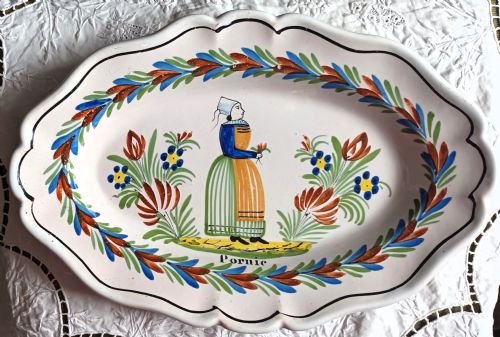
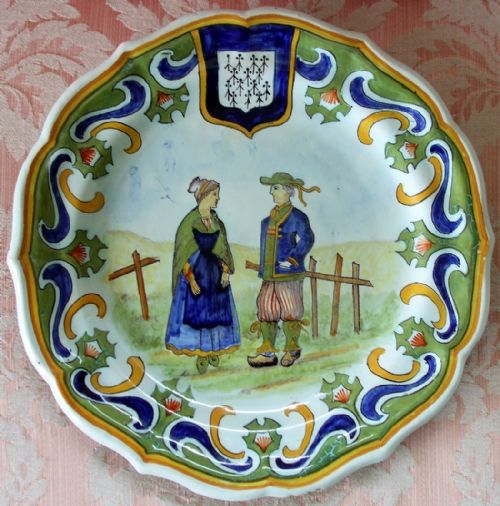
Quimper faience is recognised by its distinct hand-painted folkloric motifs, typically depicting Breton peasants in traditional regional costume surrounded by floral borders. The palette frequently relies on blues, yellows, and greens.
Most pieces carry painted factory marks on the reverse, often including the initials HB alongside the town name, distinguishing them from other regional French potteries.
Are these ceramics safe for food?
Many older French utilitarian pieces carry lead-based or historical glazes that are not recommended for modern food consumption or acidic liquids. These items function best as decorative display pieces or dry storage.
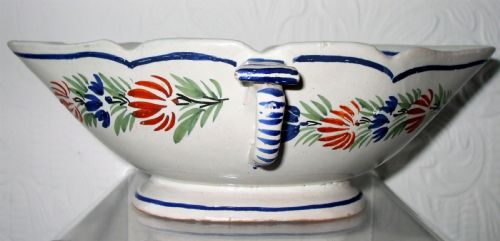
Decorative faience plates, bowls, and sauceboats from the nineteenth century are appreciated for their historical and aesthetic value rather than daily dining use.
How should I clean antique pottery?
Antique ceramics require gentle maintenance using a soft, dry cloth or a microfibre duster to remove surface dust without risking fragile glazes. Submerging porous earthenware or pieces with old hairline cracks in water should be avoided.
Harsh chemical cleaning agents or abrasive scrubbers will strip historical surfaces and damage tin glazes, so professional conservation advice is recommended for heavily soiled items.