






Vintage Ceramic Mantel Vase
These vintage ceramic mantel vase examples bring decorative colour and period presence to a fireplace, spanning Victorian origins to Art Deco lines.
Vintage Ceramic Mantel Vase
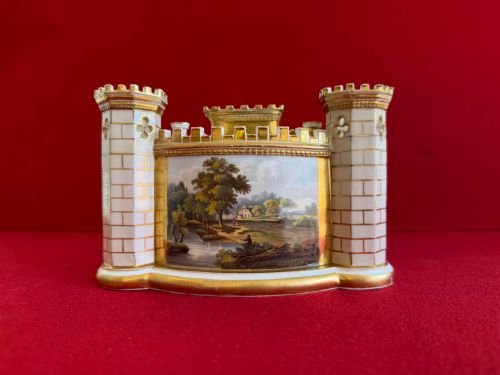
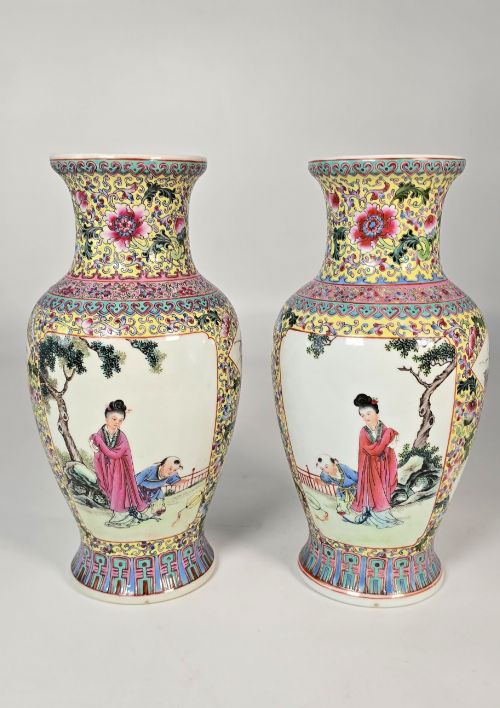
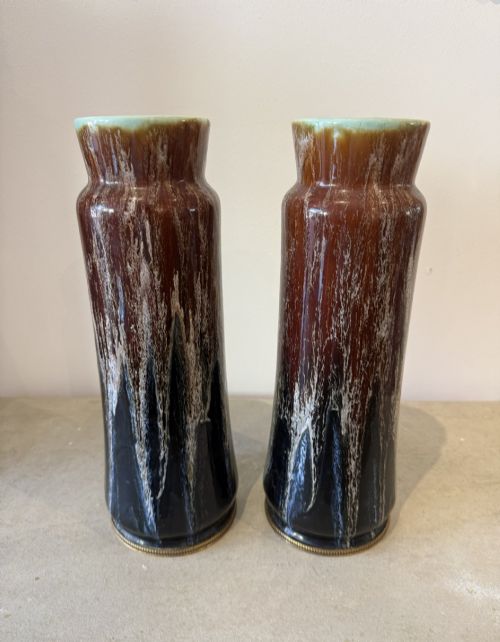
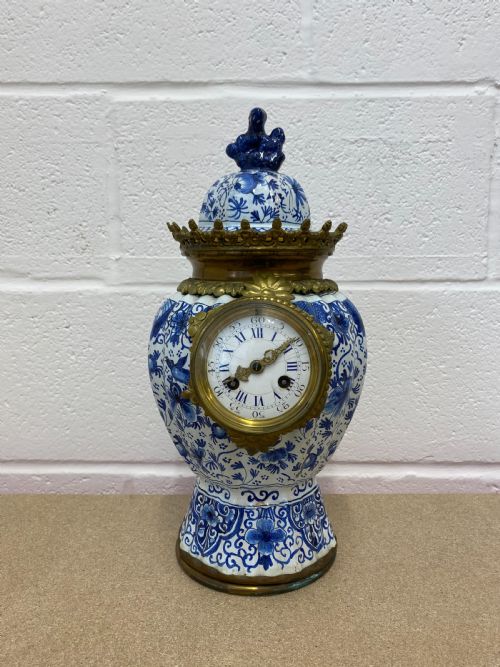
When you search for a vintage ceramic mantel vase, you encounter display vessels designed to sit upon fireplace ledges, alongside garniture sets and clock suites. The selection brings together earthenware, porcelain and pottery pieces spanning the nineteenth century through the Art Deco era.
You meet pairs and single vessels originating from English factories, French workshops and Japanese kilns. The forms range from spill vases and pot pourri pots to shaped urns and flatback figures adapted for mantel display.
What varies in quality
Quality rests in the crispness of the moulding and the skill evident in the hand-painted brushwork. Pieces bearing artist signatures or originating from established makers demonstrate superior execution.
The sophistication of the glaze chemistry and the preservation of surface gilding separate standard decorative objects from finer examples. Balanced proportions in matched pairs also dictate the standing of the piece.
Vintage Ceramic Mantel Vase Retail Price Guide 2026
Typical asking prices for vintage ceramic mantel vase among the pieces listed under this phrase on Sellingantiques today, from the lower quarter to the upper quarter. They describe what is for sale here now, not the wider market.
A tiny cherub wrestling with a porcelain basket once brought joy to a Victorian parlour and still watches over the hearth today.
Boch Freres·Royal Worcester·Royal Doulton·Jacob Petit·Charlotte Rhead·Wedgwood
The Vintage Ceramic Mantel Vase Glossary
- Garniture
- A set of three or more matching ceramic vases or urns designed to display together on a mantelpiece. These matched suites often flank a central clock or stand alone as a decorative focal point.
- Flatback
- A ceramic figure modelled fully on the front while leaving the reverse flat and unglazed. This technique allowed Victorian figures to sit flush against a wall or mantel back.
- Imari
- A style of Japanese export porcelain featuring deep underglaze blue and iron red highlights, frequently enriched with gold leaf. European potteries frequently copied these distinctive patterns during the nineteenth century.
- Bisque
- Unglazed white porcelain fired once to produce a matte, marble-like texture resembling carved stone. Makers utilised this porous material primarily for decorative figurines and portrait busts.
- Spill vase
- A tall, narrow ceramic tube intended to hold thin wood splints used for transferring fire from hearth to candle or pipe. These modest domestic vessels evolved into decorative mantel ornaments.
Vintage Ceramic Mantel Vase: Frequently Asked Questions
What is a mantel garniture?
A mantel garniture consists of a matched set of three ceramic vases or urns designed to sit together across a fireplace ledge. They create a symmetrical display often anchored by a central clock.
These coordinated sets became popular in Victorian interiors to dress formal reception rooms. The pieces share identical decorative schemes, using hand-painted florals or Imari patterns.
How do I style these vases?
Position pairs of vases symmetrically on either side of a mantel mirror or painting to frame the hearth. Single statement pieces work well as standalone focal points on sideboards or shelves.
Keep the surrounding decor simple to let the hand-painted glazes and gold leaf details stand out. Ensure the weight of the ceramic matches the scale of the furniture beneath it.
How do I identify Victorian pieces?
Victorian examples often display heavy hand-painted floral designs, raised white enamel, or classical French revival shapes. Look for earthenware bodies and flatback construction common in nineteenth-century Staffordshire figures.
Maker marks stamped into the ceramic or painted initials help confirm the production era. Stylistic clues like Art Nouveau curves or Japanese Imari motifs point toward specific decades within the period.
Are these vases waterproof?
Many antique ceramic and earthenware vases feature porous bodies or historical hairline fractures that make them unsuitable for holding water. Using them for fresh flowers risks damaging interior glazes and structural clay.
Display these vessels dry, or place a discreet modern glass liner inside if you wish to use them for floral arrangements. Preserving the interior surface protects the historical integrity of the piece.