



Art Deco Glazed Urn
An art deco glazed urn brings striking geometric form and rich surface finish into any room, offering a bold focal point for a collector.
Art Deco Glazed Urn
When you search for an art deco glazed urn, you are looking at ceramic vessels that combine the sleek lines of the early twentieth century with vibrant surface treatments. These pieces primarily take the form of vases originating from the nineteen hundreds, nineteen twenties, and nineteen thirties.
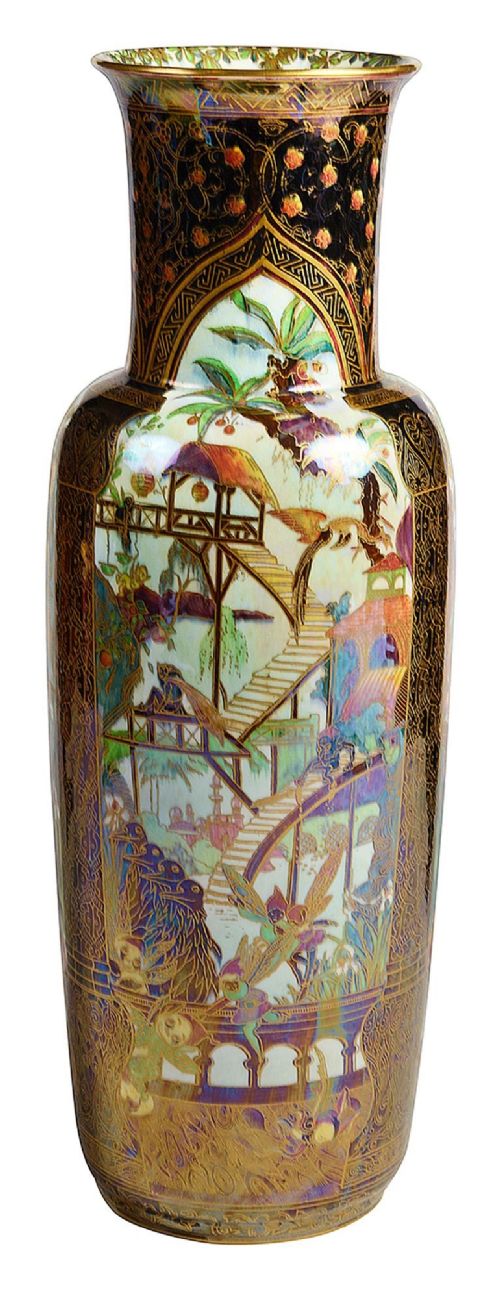
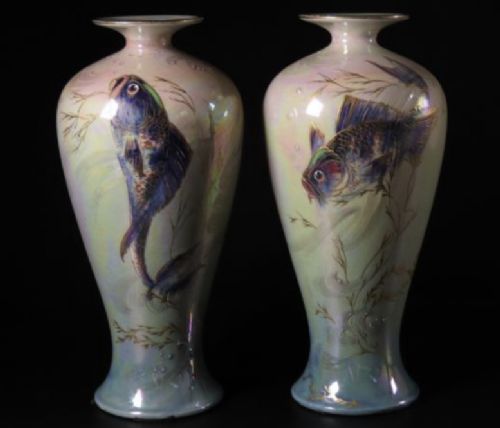
You are most likely to meet earthenware and porcelain vessels finished with lustres, enamel, and gold leaf. Makers from England, France, and Belgium produced these works, drawing on Art Deco, Art Nouveau, and Chinoiserie styles.
The selection ranges from miniature floral designs to large painted mallard scenes and fairy lustre motifs. Each object reflects the distinct aesthetic priorities of its decade of production.
How they were made
Potters shaped these vessels from earthenware, bone china, and porcelain, utilising traditional throwing and casting techniques. The resulting ceramic bodies provided a stable canvas for complex surface decoration.
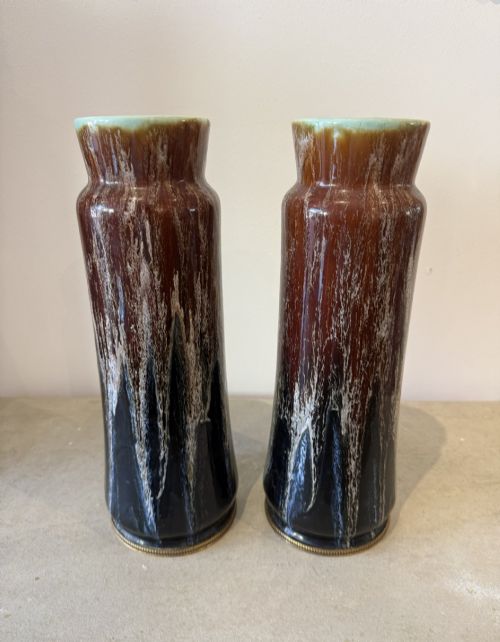
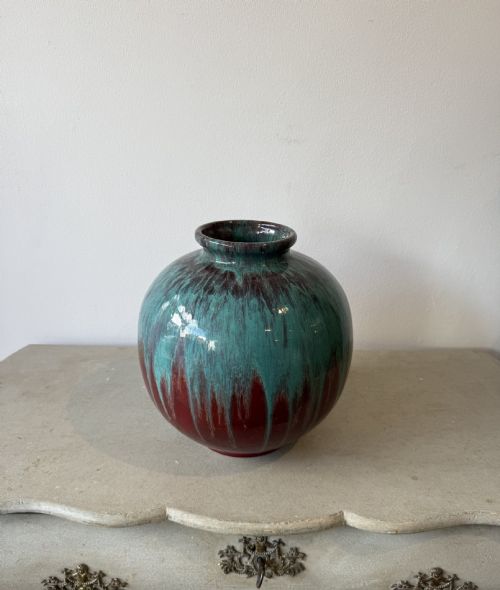
Craftsmen applied specialised glazes, including lustre finishes and rich cobalt blue pigments, often combined with enamel and gold leaf accents. Firing processes required precise kiln control to achieve the characteristic metallic sheens and deep colour saturations seen on these urns and vases.
Art Deco Glazed Urn Retail Price Guide 2026
Typical asking prices for art deco glazed urn among the pieces listed under this phrase on Sellingantiques today, from the lower quarter to the upper quarter. They describe what is for sale here now, not the wider market.
Materials documented across the listings include earthenware, ceramic, porcelain, bone china, enamel, gold leaf, and lustre glazes.
What varies in quality
The distinction between standard production pieces and exceptional works lies in the ambition of the design and the execution of the glaze. Complex lustre effects, hand-painted pictorial scenes, and heavy gold leaf applications demand a higher level of technical mastery from the potter.
The clarity of the ceramic form and the depth of the glaze determine the visual impact of the piece. Workshops that experimented with unusual colour palettes and intricate motifs achieved results that stand apart from simpler commercial output.
Daisy Makeig Jones·Walter Slater·Robert T Lallement·Richard Joyce·William Moorcroft·Charlotte Rhead
The Art Deco Glazed Urn Glossary
- Lustre
- A type of ceramic glaze containing metallic oxides that produce an iridescent sheen upon firing. This technique creates a luminous, reflective surface on the ceramic body.
- Earthenware
- Porous pottery fired at relatively low temperatures, commonly used as a base for opaque glazes and enamel painting. It is heavier than porcelain and bone china.
- Chinoiserie
- A decorative style reflecting European interpretations of Chinese and East Asian artistic traditions. It frequently appears in stylised landscape and floral motifs.
- Bone china
- A type of porcelain composed of clay mixed with bone ash, producing a strong, highly white and translucent body. It allows for delicate forms and thin walls.
Art Deco Glazed Urn: Frequently Asked Questions
What is an art deco glazed urn?
An art deco glazed urn is a ceramic vessel, typically a vase, produced during the early twentieth century. These objects feature the characteristic geometric lines and stylised motifs of the period.
They combine earthenware or porcelain bodies with rich surface treatments like lustre glazes, enamel, and gold leaf.
How were these urns used?
These ceramic vessels served primarily as decorative display pieces within domestic interiors. Their bold forms and colourful glazes made them centrepieces for mantelpieces and side tables.
Some smaller examples functioned as flower vases, though many were acquired purely for their artistic display value.
How do I live with an art deco glazed urn?
Place your urn in a location with good ambient light to highlight the reflective qualities of the glaze and gold leaf. Ensure it rests on a stable surface away from high traffic areas to protect the ceramic body.
Pairing the piece with complementary early twentieth century furnishings enhances its visual context within a room.
How do I tell periods apart?
Pieces from the nineteen hundreds often display flowing Art Nouveau influences, while items from the nineteen twenties and thirties adopt sharper geometric Art Deco patterns. The transition is visible in the evolution from organic floral lines to stylised pictorial scenes.
Maker marks and stylistic motifs help narrow down the decade of production for individual ceramics.