

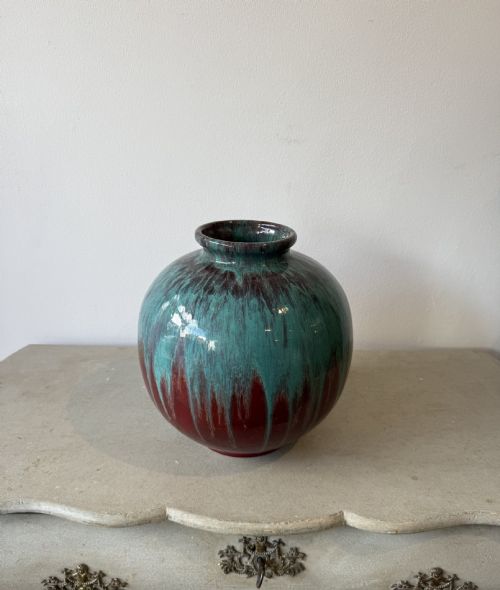


Decorative Art Deco Pottery
These decorative art deco pottery pieces bring geometric energy and rich glaze effects straight to a tabletop.
Decorative Art Deco Pottery
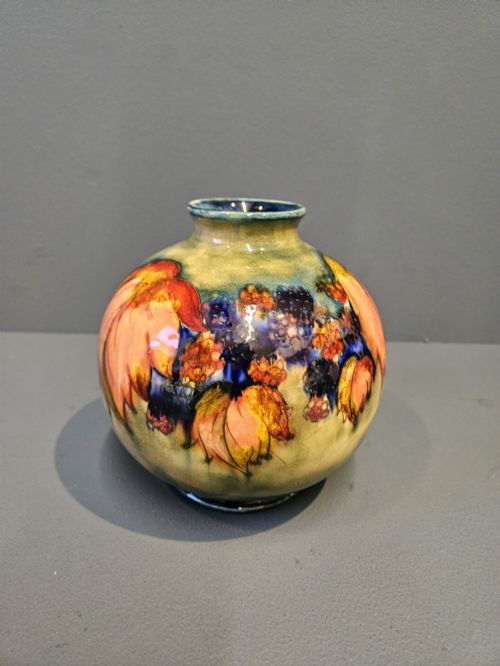
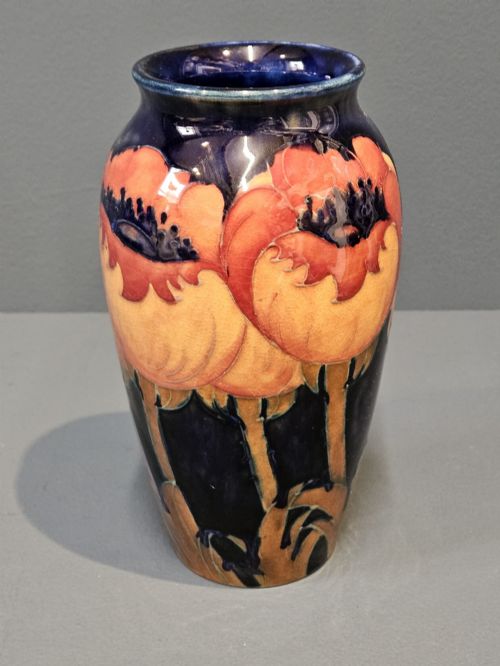
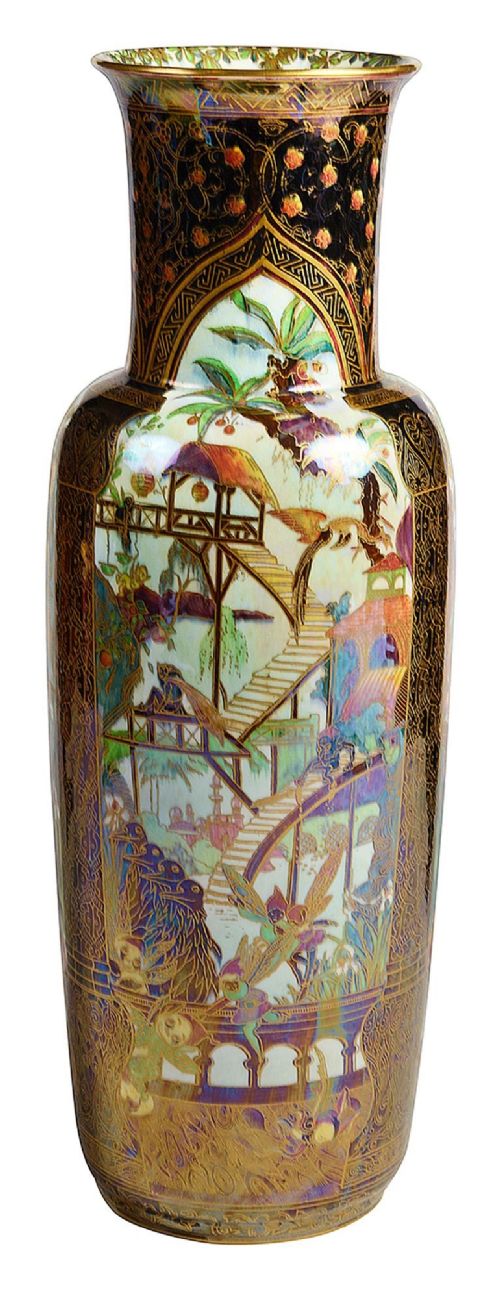
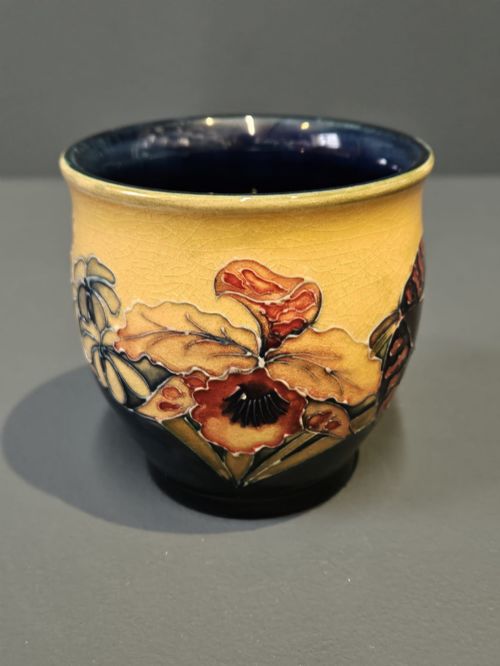
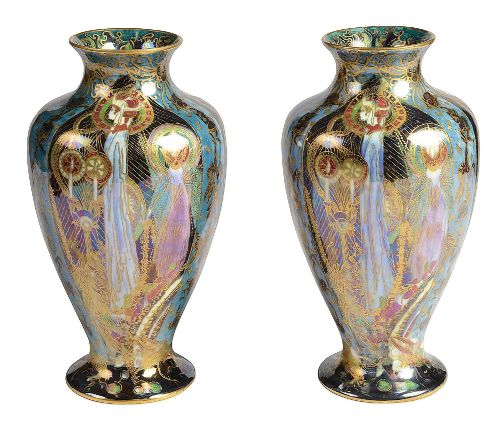
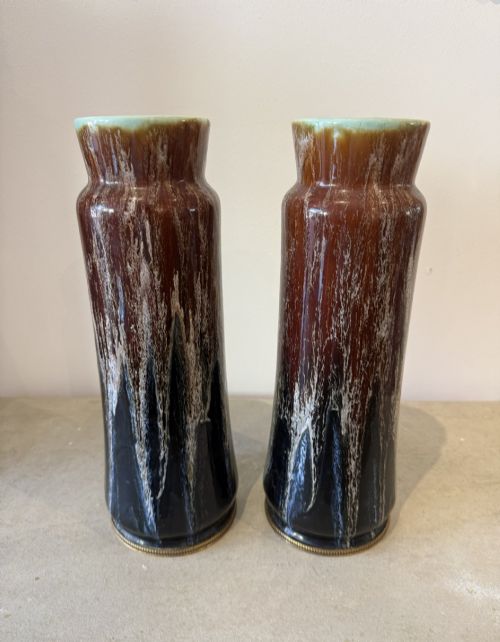
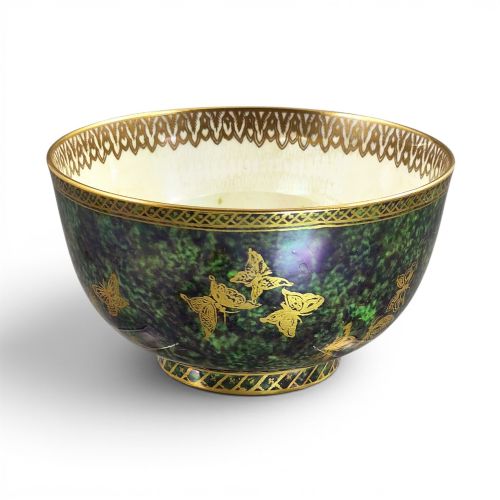
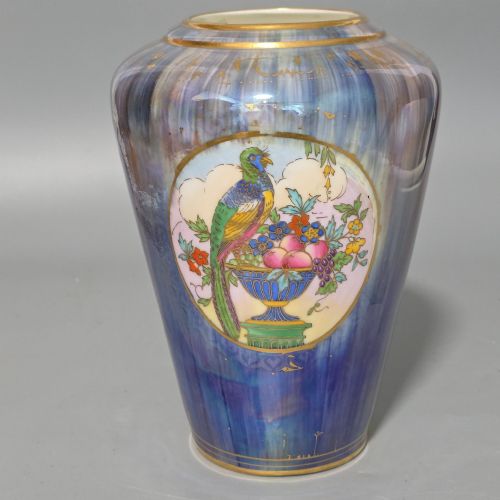
Decorative art deco pottery encompasses vibrant earthenware and porcelain vessels designed to catch the eye through bold form and colour. When exploring decorative art deco pottery on this page, collectors encounter everything from vibrant lustre bowls to painted jugs and architectural bookends.
The selection ranges across distinct forms such as large chargers, jardinières, and baluster vases. Pieces emerge primarily from the early decades of the twentieth century, carrying the signature styling of the period into modern interiors.
Materials and production methods
Potters utilised earthenware, porcelain, and ceramic bodies shaped into striking vessels and decorative trays. These clay bases received careful throwing or moulding before undergoing initial firing.
Makers applied heavy glaze layers, enamel, and occasionally gold leaf to achieve shimmering finishes. Lustre techniques and high-fired glazes created the characteristic metallic sheens seen across many examples.
Decorative Art Deco Pottery Retail Price Guide 2026
Typical asking prices for decorative art deco pottery among the pieces listed under this phrase on Sellingantiques today, from the lower quarter to the upper quarter. They describe what is for sale here now, not the wider market.
A pottery mallard painted in misty tones waits patiently among the vases.
Assessing quality and execution
Quality rests heavily on the ambition of the design and the execution of the glaze. Complex lustre effects, rich enamelling, and hand-painted patterns separate standard production from exceptional studio outputs.
The crispness of the modelled form and the depth of the finished surface dictate the visual impact of each piece. Strong artistic attribution and well-preserved decorative details elevate the standing of individual items.
Daisy Makeig-jones·Robert T Lallement·Charlotte Rhead·Richard Joyce·Clarice Cliff·Roger Guerin
The Decorative Art Deco Pottery Glossary
- Lustre
- A type of pottery glaze containing metallic salts that produce an iridescent sheen upon firing. This technique creates a distinctive reflective surface visible on many period vases and bowls.
- Earthenware
- Porous pottery fired at lower temperatures, commonly used as a base for painted and glazed decorative wares. It forms the foundation for numerous plates and jugs in the collection.
- Charger
- A large decorative plate or platter intended for display rather than dining. These pieces often showcase intricate surface patterns and central motifs.
- Baluster
- A vase shape with a rounded body that tapers toward a narrow neck. This classical silhouette provides a stable canvas for detailed surface decoration.
- Jardinière
- An ornamental pot or stand designed to hold live plants. Larger ceramic examples function effectively as decorative side tables.
Decorative Art Deco Pottery: Frequently Asked Questions
How do I display decorative art deco pottery?
Position larger vessels and chargers on strong wooden surfaces where their glazes can catch natural light. Avoid crowding them so the distinct forms remain prominent.
Pair smaller bowls with neutral surroundings to highlight their rich colours and patterns. Ensure pieces sit securely away from heavy traffic areas.
Were these items used daily?
Most decorative pottery served primarily as ornamental display pieces within the home. Items like jardinières and wall chargers fulfilled both decorative and functional roles in period interiors.
Vases and bowls often held flowers or sat empty on side tables as pure decoration. Their survival in bright finishes reflects careful handling over decades.
How do I identify a lustre glaze?
Lustre glazes display a characteristic metallic iridescence that shifts in colour under changing light. They often feature coppery, golden, or greenish sheens across the ceramic surface.
This effect results from specialised firing techniques involving metallic compounds. The technique requires precise kiln control to achieve the desired reflective quality.
What defines the style?
The style relies on geometric patterns, stylized natural motifs, and vibrant colour palettes. Pieces often incorporate bold contrasting pigments and striking silhouettes.
This aesthetic developed out of earlier arts and crafts traditions into a modern design language. The resulting ceramics prioritize decorative impact and clean visual rhythms.